
advertisement
Trip to Connemara: Everything You Need to Know Before You Go
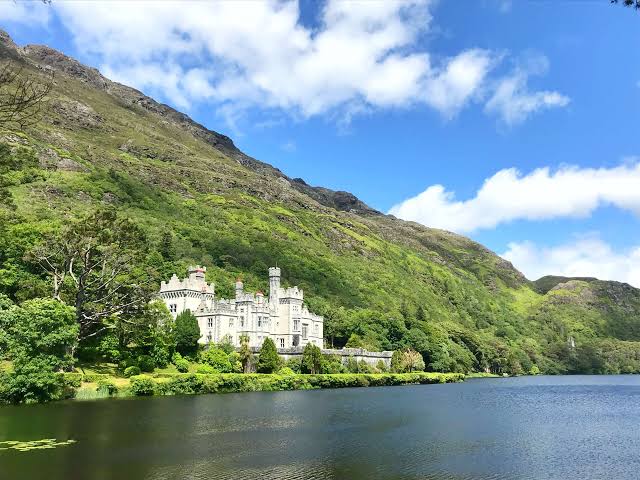
A trip to Connemara is a raw, bog-dotted, mountain-backed experience on Ireland’s west coast. You need at least two full days with a car to hit the essential loop of Kylemore Abbey, the Sky Road, and the beaches near Roundstone, though a three-day trip lets you properly hike Diamond Hill and explore the Inagh Valley without rushing.
This guide covers practical logistics from someone who has navigated the N59 more times than the potholes on Airport Road in Abuja.
I am Chidi, and I handle route logistics for the WakaAbuja team. My first drive through Connemara was nearly a decade ago in a rental car with a slipping clutch and a paper map that disintegrated in the rain within twenty minutes. Since then, I have returned four times, in every season except high winter. What I learned is that Connemara does not reward the unprepared.
The weather turns fast, the bogs are sodden, and the phone signal vanishes exactly when you need Google Maps. But if you plan the sequence of stops properly, it becomes one of the most efficient scenic drives in the country. This guide lays out what we know now, so you do not waste a single hour of daylight.
Jump to: Itinerary Options | Getting Around Without a Car | 2026 Cost Breakdown | Season-by-Season Packing | Common Mistakes | FAQs
Key takeaways
- A rental car is the most practical way to see Connemara; the main loop uses the N59, R344, and R341.
- Kylemore Abbey entry costs €19 per adult as of this year, and parking is free but fills by 11:00 AM in summer.
- Diamond Hill has two trails: the Lower loop (3 km, accessible) and the Upper summit trail (7 km, steep stone steps).
- Public bus Route 923 connects Galway to Clifden, but you need a bike or local taxi to reach beaches and trailheads.
- Midges are a real nuisance from late May to early September near lakes and boggy parking areas; pack a head net.
- Accommodation in Clifden books solid from June to August; secure a refundable rate on Booking.com at least eight weeks ahead.
- The Sky Road loop is best driven clockwise in late afternoon when the sun hits the islands off Clifden Bay.
How Many Days Do You Really Need in Connemara?
The standard advice says two days, and that works if you are ticking boxes. I have done the two-day sprint three times. It covers the greatest hits but leaves zero margin for bad weather. If your schedule allows, three days is the sweet spot.
Fatima, our Lagos-based correspondent who took a solo trip here last spring, insisted on a five-day slow-travel version and came back saying she finally understood why the light looks different every hour. Below are the itinerary frameworks we have tested.
1-Day Blast
- Morning: Kylemore Abbey at 9:30 AM opening, then a quick walk to the Victorian Walled Garden.
- Midday: Drive the N59 to Clifden and grab a seafood chowder at Mitchell’s.
- Afternoon: Clockwise Sky Road loop, then back to Galway via the Inagh Valley (R344).
- Verdict: Possible, but you spend five hours in the car. Feels like a recon mission, not a holiday.
2-Day Classic
- Day 1: Galway to Roundstone via the coastal R341. Stop at Dog’s Bay beach. Sleep in Clifden.
- Day 2: Sky Road at sunrise, Kylemore Abbey mid-morning, Diamond Hill hike after lunch, return to Galway.
- Verdict: The minimum I recommend. You still skip the northern bogs and Killary Fjord.
3-Day Deep Dive
- Day 1: Galway to Leenane via the N59. Stop at Aasleagh Falls, then drive the Killary Fjord coast. Sleep in Leenane.
- Day 2: Leenane to Kylemore Abbey, then Diamond Hill. Afternoon drive to Clifden. Sky Road at sunset.
- Day 3: Clifden to Roundstone, Dog’s Bay, and a detour to the coral strand at Mannin Bay. Return via Maam Cross.
- Verdict: This is the version I send to friends who ask me to plan their trip.
5-Day Slow Immersion
- Day 1: Arrive Clifden, settle in. Walk the back roads toward Errislannan. Dinner at Guys Bar.
- Day 2: Full Diamond Hill hike, picnic at the base, then a lazy afternoon at Letterfrack’s small craft shops.
- Day 3: Inishbofin Island day trip from Cleggan pier. Book ferry tickets online a week ahead.
- Day 4: Sky Road loop on foot or by bike, then a swim at the tidal pools near Clifden Castle ruins.
- Day 5: Kylemore Abbey, then a detour to the quiet Renvyle peninsula beaches before heading east.
- Verdict: Fatima calls this “the reset button itinerary.” You stop rushing and start noticing the bog cotton.
Can You Visit Connemara Without a Car?
Yes, but the logistics demand patience. Most ranked guides assume you have a rental car, but we know not every visitor wants to drive on the left side of narrow Irish roads. The public bus network serves the spine of the region, not the peninsulas.
Citylink Route 923 runs from Galway Coach Station to Clifden several times daily. The trip takes about 80 minutes and costs roughly €18 one-way as of this year. Once in Clifden, you can walk the town, access the Sky Road on foot, and rent a bicycle from All Things Connemara on Market Street. To reach Kylemore Abbey by bus, you take the same Route 923 and ask the driver to drop you at the Letterfrack junction, and then it is a 2.5 km walk along a pavement to the abbey gates.
For organized day trips that remove all the guesswork, we have used GetYourGuide’s Connemara tours from Galway. They typically bundle Kylemore Abbey, a coastal photo stop, and a drive through the Inagh Valley. The trade-off is time: you get 90 minutes at the abbey, tops. If you prefer a private driver-guide, local operators in Clifden charge roughly €200 to €350 for a half-day custom route, which makes sense split among four people.
Chidi’s honest take: “I did the bus-and-bike version once in late September. The cycling was gorgeous, but I missed Dog’s Bay completely because the headwind on the R341 was brutal. If you go car-free, build your itinerary around Clifden as a base, and accept you will see fewer stops. It is still a good trip, just a different trip.”
What Does a Connemara Trip Cost Right Now?

Ireland has become more expensive, and Connemara’s compressed season means prices spike sharply from June through August. We pulled these averages from our own bookings and from scanning supplier sites early this year. Always check the official attraction websites before you travel, as fees can change between seasons.
Attractions & Activities
- Kylemore Abbey: €19 adult, €11 child. Check the official site for family ticket bundles.
- Connemara National Park: Free entry. Diamond Hill trails are free. Donation boxes at the visitor center.
- Inishbofin Ferry: €25 adult round-trip from Cleggan. Bike surcharge around €10.
- Guided day tour from Galway: €35 to €55 per adult depending on the season.
Accommodation Per Night
- Hostel dorm bed: €30 to €45 (Clifden, Letterfrack).
- Mid-range B&B double: €120 to €170. We like the ones bookable through Booking.com with free cancellation.
- Self-catering cottage: €140 to €220. Vrbo lists solid options around Roundstone and Cleggan.
- Hotel with sea view: €220 to €380. Book via Hotels.com for loyalty reward nights.
Food & Fuel
- Pub dinner with a pint: €22 to €28 per person.
- Fuel (petrol): Roughly €1.70 to €1.90 per liter. A full Connemara loop burns about a quarter tank in a small hatchback.
- Supermarket picnic supplies: €12 to €18 for two people from the Clifden SuperValu.
For budget-conscious travelers, we price a two-day, one-night trip for two people sharing a B&B and self-catering one meal at roughly €280 to €340 total, excluding car rental. A three-day version with guided tours and restaurant dinners pushes closer to €600 to €750.
What Is the Best Month to Visit Connemara?
May and September win on the balance of daylight, midge absence, and accommodation availability. June and July bring the warmest temperatures, sometimes touching 20°C, but also the densest crowds on the Sky Road and full car parks at Kylemore by late morning. I made the mistake of visiting during the first week of August once, and the Kylemore car park was a festival of reversing rental cars and frayed tempers.
Here is our season-by-season breakdown based on firsthand experience and Met Éireann long-range data.
Spring (Mar–May)
- Pack: Waterproof trousers, fleece, and hat. Snow is unlikely but sleet on Diamond Hill is common in March.
- Midge risk: Low.
- Light: Days lengthen fast. By May you get 16 hours of usable daylight.
Summer (Jun–Aug)
- Pack: Smidge head net (non-negotiable), light rain shell, sunblock (UV reflects off water).
- Midge risk: High near lakes and bogs at dawn and dusk.
- Light: Sunset after 10 PM. You can hike until late, but restaurants in small villages may stop serving by 8:30 PM.
Autumn (Sep–Oct)
- Pack: Insulated jacket, wool socks, full waterproofs. Storms off the Atlantic can hit with little warning.
- Midge risk: Drops off by late September.
- Light: By late October the sun sets before 6:30 PM. Plan your driving to finish before dark.
Winter visits, November through February, are for storm-watchers and solitude-seekers. Many B&Bs close, Kylemore Abbey runs reduced hours, and the Diamond Hill upper trail can ice over. I drove the Inagh Valley in January once, and the mountains looked spectacular under a dusting of snow, but I was the only car on the road and the only open cafe was back in Clifden.
Fatima’s packing rule: “Assume rain every day, even if the morning sky is cloudless. I keep a dry bag inside my daypack for my phone and passport, and I wear trail runners that drain water fast. Cotton jeans are a terrible idea on the bog sections of the Diamond Hill trail.”
Which Connemara Stops Are Wheelchair or Stroller Accessible?
This is a gap I noticed in every major Connemara guide. Not every traveller arrives ready to scramble up a scree slope. Here is what we have verified on the ground as of this year.
Kylemore Abbey’s ground floor, cafe, gift shop, and the path to the Victorian Walled Garden are wheelchair-accessible. The garden itself has compacted gravel paths that are manageable with a sturdy stroller or a wheelchair with wider tires. The neo-Gothic church on the grounds is a short walk from the main building on a tarmac path, though it has a slight incline.
The Connemara National Park visitor center is fully accessible, and the first section of the Lower Diamond Hill trail, a wide gravel track, is navigable for about 1.2 kilometers before it narrows and gets rocky. The Sky Road, when driven, is accessible as a scenic drive, with several pull-off points that have level ground and unobstructed views. Dog’s Bay beach has a wooden boardwalk partway onto the sand, but the beach itself is soft white sand that wheelchairs will struggle with.
Clifden town center is mostly flat, with accessible public toilets near the main car park. For detailed accessibility audits, we recommend contacting the attractions directly before you visit, as small changes to path surfaces happen seasonally.
Where Should You Stay and Eat in Connemara?
We break this down by base town because Connemara is too spread out for a single answer. Clifden is the hub with the most dinner options. Letterfrack puts you at the doorstep of Diamond Hill. Roundstone is the quiet coastal choice.
Clifden
Sleep: Budget travelers should check hostel listings on Booking.com. For mid-range, the B&Bs along the Sky Road offer harbor views and cooked breakfasts. On the high end, a sea-view room at a boutique hotel runs steep in summer, so use Hotels.com to track loyalty rewards.
Eat: Mitchell’s for seafood, Guys Bar for a proper pint and lamb stew, and the bakery on Market Street for takeaway sausage rolls before a hike.
Letterfrack
Sleep: This small village has a handful of B&Bs and a well-reviewed hostel inside the old industrial school building. It fills with hikers, so book early on Booking.com.
Eat: The pub food at Molly’s is solid, and the Connemara National Park tearoom does good scones and soup for a post-hike refuel.
Roundstone
Sleep: Self-catering cottages here are ideal for families. Search Vrbo for properties with views of the harbor. Mid-range B&Bs are fewer and book out fast.
Eat: O’Dowd’s is the famous one, and the seafood chowder earns its reputation. The bakery next door makes excellent brown bread.
For restaurant reviews and photos, we always cross-check recent diner feedback on TripAdvisor before committing, because chef turnover in small towns can change a kitchen overnight.
What Are the Biggest Mistakes People Make on a Connemara Trip?
I have made most of these myself. Here is what to avoid.
1. Underestimating how long drives take. The N59 is a main road by Connemara standards but it is still a winding two-lane route with tractors and sheep. A 40-kilometer drive can easily take an hour. Never trust Google Maps estimated times. Add 20 percent.
2. Skipping the midge repellent. I once stopped to photograph a bog pool near Maam Cross at dusk in July. Within two minutes my arms were covered. A head net and a DEET-based spray live permanently in my glovebox now.
3. Trying to do Connemara as a day trip from Dublin. You will spend seven hours in the car for two hours of actual sightseeing. This is the single most common complaint in TripAdvisor forums. If you must day trip, start from Galway City at 8:00 AM sharp.
4. Ignoring tide times for coastal stops. Mannin Bay’s coral strand looks best at low tide. Check a tide app before you go. At high tide, the beach nearly vanishes.
5. Arriving at Kylemore Abbey after 1:00 PM in summer. The tour buses from Galway all land between 10:30 AM and noon. By early afternoon the queues for house entry back up. Go at opening or after 3:00 PM.
6. Wearing brand-new hiking boots. The Diamond Hill upper trail is mostly stone steps and wet rock. New boots will shred your heels. Break them in for at least two weeks.
7. Not carrying cash for small vendors. The honesty box at the Clifden Castle ruins car park, some farm stands selling eggs and jam, and the occasional mobile coffee van in remote pull-offs still operate cash-only.
Connemara vs Ring of Kerry vs Dingle: Which One Should You Pick?
This question lands in our inbox at least twice a month. All three are spectacular, but they suit different travel styles.
Connemara
- Vibe: Wild, empty, boggy, moody. Fewer coach buses, more sheep.
- Best for: Hikers, solitude-seekers, photographers chasing dark skies and changing light.
- Weakness: Fewer “town experiences” than the other two. Nightlife is quiet.
Ring of Kerry
- Vibe: Grand, dramatic, structured. Well-oiled tourism machine with designated coach stops.
- Best for: First-time Ireland visitors who want a classic, signposted scenic drive with plenty of services.
- Weakness: Traffic in Killarney and on the N70 in July can be relentless.
Dingle Peninsula
- Vibe: Compact, cultural, musical. Traditional sessions spill out of pubs every night.
- Best for: Travelers who want scenery and a lively town in equal measure.
- Weakness: Slea Head Drive can feel cramped in a larger vehicle. Prices in Dingle town are high.
If I have ten days in Ireland, I book both Connemara and Dingle and skip Kerry’s busier sections. If I have four days and I want the rawest landscape, Connemara wins every time.
Frequently asked questions
Is 2 days enough for Connemara?
Two full days cover the core loop: Kylemore Abbey, the Sky Road, Clifden, and the Roundstone beaches. You will not have time for Diamond Hill’s upper trail, a ferry to Inishbofin, or the northern Killary Fjord section. It is a satisfying sampler, but you will leave with a list of places you missed.
Do you need a car in Connemara?
A car is the most efficient option. The public bus connects Galway and Clifden, but reaching trailheads and beaches requires a bicycle rental or local taxi once you are in the region. Organized day tours from Galway are the best car-free alternative for seeing the main sights in a single day.
Is Connemara worth visiting?
Yes, especially if you want a landscape that feels less manicured than the Ring of Kerry. The combination of quartzite mountains, blanket bog, and white-sand beaches is unique in Ireland. It rewards travelers who are comfortable with a slower pace and variable weather.
When is the best month weather-wise?
Statistically, May and September offer the best balance of lower rainfall, fewer crowds, and mild temperatures. May has longer daylight hours, while September brings the purple heather bloom across the bogs. Both months sit outside the peak midge season.
Is Diamond Hill a difficult hike?
The Upper Diamond Hill trail is a strenuous 7 km loop with 400 meters of elevation gain. The final ascent involves steep stone steps and exposed sections. The Lower trail is a family-friendly 3 km gravel and boardwalk loop that most people complete in under an hour.
Can you swim at Connemara’s beaches?
Yes, but the Atlantic water is cold, rarely exceeding 15°C even in August. Dog’s Bay and Gurteen Bay have the calmest, shallowest water. Mannin Bay’s coral strand has tidal pools that warm slightly on sunny afternoons. Always check tide charts and never swim alone at unguarded beaches.
Plan your trip: booking platforms we trust
The WakaAbuja team has used every platform listed below on real assignments. These are not just affiliate links; they are tools we genuinely rely on to manage bookings, compare prices, and find cancellation policies that protect our travel budget. For Connemara specifically, we recommend locking in accommodation as early as possible through a platform with a free cancellation filter.
Best for B&Bs and free cancellation filters
Best for self-catering cottages around Roundstone
Best for day tours from Galway City
Best for loyalty rewards on Clifden hotels
Best for recent restaurant and pub reviews
Best for comparing flight and car rental prices
If you are building a longer Ireland trip, also read our guides on things to do in Galway on a rainy day and the best stops on the Wild Atlantic Way between Galway and Mayo.