Trip to Gisborne: The Ultimate Travel Guide for First-Time Visitors
A trip to Gisborne is a journey to the first city in the world to see the sun. Plan your visit around the surf beaches, the historic Rere Rockslide, and a tasting trail through the Gisborne wine region.
This compact coastal city on New Zealand’s East Coast delivers a mix of Maori culture, relaxed food scenes, and outdoor adventure that feels worlds away from busier North Island hubs.
I landed in Gisborne for the first time after a brutally early flight from Abuja via Auckland. The customs officer raised an eyebrow at my Nigerian passport and asked what on earth I was doing heading to the East Coast. I told him I wanted to stand on Kaiti Hill before sunrise. He stamped me through with a grin. That sunrise, watching the light bleed over the endless Pacific from the Titirangi lookout, was the single best jet lag cure I have ever found. It is also the moment I understood why this small city holds such an enormous place in the Kiwi imagination.
This guide is the resource I wish I had before I went. It is grounded in my own experience, with plenty of honest feedback from Fatima, our Lagos-based WakaAbuja correspondent who visited a few months after me and became obsessed with the local sauvignon blanc.
Jump to: What to know before your first trip | Best things to do | Beach guide | Food and wine trail | A packed 48-hour itinerary | Transport tips | Budget breakdown | Staying safe | What to avoid | FAQs
Key takeaways
- Gisborne is the world’s first sunrise city, and viewing it from Kaiti Hill (Titirangi) is the essential first-day ritual.
- The region is not just beaches. The Rere Rockslide and Rere Falls offer a free, natural water park experience 50 km inland.
- Gisborne wine is a serious draw. The local chardonnay and gewürztraminer are standouts, with most cellar doors a 15-minute drive from the city center.
- You need wheels. Public transport is limited, and many top attractions are spread along the coast or into the hinterland.
- This is a deeply significant place in Maori history. Understanding the story of the Horouta waka and the arrival of Captain Cook at Kaiti Beach will change how you see the landscape.
- Surfing conditions at Waikanae Beach are perfect for beginners, making it one of the best places in the North Island to take a lesson.
- The budget sweet spot for a comfortable trip is around NZD 220 to 350 per day, covering a rental car, a decent motel, and one solid restaurant meal.
What should I know before my first trip to Gisborne?
Gisborne sits on the East Cape of New Zealand’s North Island, in a region officially called Tairāwhiti. The city itself is compact and walkable, with a population just under 38,000. Everything clusters around the mouth of the Turanganui River. The airport is a five-minute drive from the main street. There is a palpable sense of being at the edge of the world here, but the infrastructure is more than adequate, with good 4G coverage, reliable ATMs, and a compact central business district.
@matadornetwork Shoutout to the Gizzy locals for putting together an action-packed day! @New Zealand @Bay of Plenty NZ @tairawhitigisborne #NewZealand #Gisborne #NZAdventures #NZMustDo #NewZealandGuide
The city’s identity is built on firsts. Local iwi (tribes) trace their ancestry back to the Horouta waka, one of the great voyaging canoes of Polynesian migration. In 1769, Captain James Cook made his first New Zealand landfall at Kaiti Beach, a stony stretch of shore right near the city center. This collision of histories is visible everywhere, from the carved pou (poles) on the waterfront to the names of streets and the food on your plate. I found Gisborne felt more culturally integrated than many larger New Zealand cities. Te Reo Maori is commonly spoken, and the local museum pulls zero punches in telling the full, complicated history.
Fatima’s honest take: “I packed for New Zealand summer and forgot that Gisborne’s coastline can get a cold wind whipping off the Pacific even in December. Bring a windproof layer, even if the forecast says sunshine. I bought a fleece at the Farmers department store in town and it saved my beach picnic.”
Best for
- Sunrise seekers: The first light experience at Titirangi is genuinely moving, not just a photo op.
- Beginner surfers: Gentle, consistent beach breaks at Waikanae and Midway with several excellent surf schools operating right on the sand.
- Wine lovers on a budget: Cellar door tastings are often free or cost a small fee redeemable on purchase.
- Families: The Rere Rockslide, Gisborne Botanical Gardens, and the compact aquarium at Tatapouri Bay are massive hits with kids.
Worth considering
- Luxury resort seekers: High-end accommodation is limited. This is a boutique motel and holiday park kind of town, not a five-star resort destination.
- Nightlife fans: There are some great craft beer bars, notably USSCO and The Works, but this is not a late-night clubbing city.
What are the absolute best things to do on a Gisborne trip?
If you do nothing else, do these three things: watch the sunrise from Titirangi, slide down the Rere Rockslide, and eat fresh seafood at the Tatapouri Bay food truck. These experiences capture the Gisborne spirit: natural, a little raw, and utterly memorable. I have structured this list from the coast inward, roughly the order in which I tackled them over three days.
@matadornetwork Shoutout to the Gizzy locals for putting together an action-packed day! @New Zealand @Bay of Plenty NZ @tairawhitigisborne #NewZealand #Gisborne #NZAdventures #NZMustDo #NewZealandGuide
Start at Kaiti Hill (Titirangi). The road winds up to a lookout platform with 360-degree views of Poverty Bay, the city, and Young Nick’s Head. The walk from the base near the port takes about 25 minutes if you are fit. I drove up at 5:20 a.m. in February and joined a silent crowd of about 40 people, all facing east. A local kaumātua (elder) spoke briefly about the significance of the land. It was a quiet, communal, powerful moment.
Next, drive 50 kilometers inland on Wharekopae Road to reach Rere Rockslide. This is a 60-meter smooth rock face on a gentle incline. Water flows down it constantly, creating a natural slip-and-slide. You need a boogie board or an old bodyboard. I used a cheap one I bought at The Warehouse in town for NZD 15. The water is cold, the surface is slick, and I laughed like a child for a solid hour. Just downstream is Rere Falls, a wide, curtain-like waterfall with a shallow wading area.
Fatima told me she packed a full picnic and set up on the grassy banks for an afternoon. She also recommended checking the flow rate: after heavy rain, the rockslide water level gets dangerously fast. Check the Gisborne District Council website for any safety updates before heading out.
Another essential is Dive Tatapouri, a guided reef encounter about 15 minutes north of the city. You wade out at low tide onto a rocky reef to interact with wild stingrays, eagle rays, and other marine life. Guides provide wetsuits and waders. This is a paid, professionally operated experience. The rays are habituated but wild. I was initially nervous, but the guides are expert and calm. It is one of the most intimate wildlife encounters I have paid for anywhere.
@twinspeakeatgo Dive Tatapouri is the most unique tourist attraction in the world – letting you cuddle and feed wild stingrays in Gisborne, New Zealand. 📍 Dive Tatapouri NZ$65 /adult, NZ$20 /child #stingray #newzealandtravel #nztravel #mustdo #bucketlist
Chidi’s honest take: “I thought the Tairāwhiti Museum would be a 30-minute stop. I was inside for two hours. The section on the Poverty Bay Massacre and the subsequent land confiscations is heavy but essential reading. It reframes how you see every hill and bay in the region. Do not skip it.”
Best for first-timers
- Titirangi sunrise: Free, accessible, and culturally essential.
- Rere Rockslide: Unlike anything else in New Zealand. Bring a board.
- Dive Tatapouri: Book ahead via their website. The encounter is tide-dependent.
- Tairāwhiti Museum: The Te Maro exhibition and the historic Wyllie Cottage are outstanding.
Worth a look
- Eastwoodhill Arboretum: The national arboretum of New Zealand. Over 25 km of tracks, 35 km from the city. Best in autumn.
- Gisborne Farmers’ Market: Saturday mornings on the riverbank. The whitebait fritter stall is a local institution.
Which Gisborne beaches are best for swimming, surfing, and families?
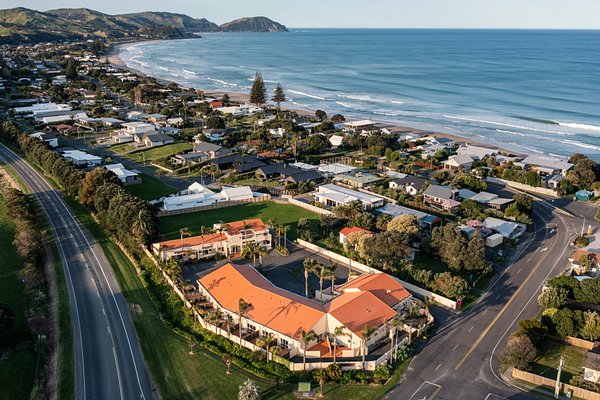
Gisborne’s coastline is its main event. The city wraps around a crescent of sand. Each beach has a distinct character. Waikanae Beach is the surfing hub. Consistent, gentle waves roll in here, and the Gisborne Surf School operates directly on the sand. I took a two-hour lesson that cost NZD 70. By the end, I could stand up for a few seconds, which felt like a life achievement. The water was warm enough for a 3/2 mm wetsuit in February. This is the beach I recommend for anyone who has never touched a surfboard before.
@liamclaytonmedia Beautiful Gisborne day for the R&V visitors. All beaches were packed 🙌 #gisborne #nz #newzealand #summer #beaches #rnv #rhythmandvines #fyp #foryou #tairawhiti #okitu #wainui #people #swimming #tan #sun #nz
For a classic family swim, head to Midway Beach. It is patrolled by lifeguards during summer months. The sand is firm, the waves are less intimidating than Waikanae’s main break, and there is plenty of parking and a good playground right next to the surf club. For something wilder, Wainui Beach stretches for kilometers north of the city. It is popular with locals walking dogs and with experienced surfers chasing bigger sets. I would not swim here alone or with young children. The rips can be deceptive. Always check the conditions with the patrolling club: the Surf Life Saving New Zealand website lists patrolled beaches and times.
Fatima said she preferred Makorori Beach, a little further up the coast, for a quieter morning walk with a coffee from the nearby Zephyr café van.
Fatima’s honest take: “The water looks inviting, but the UV is brutal on the East Coast. I reapplied SPF 50 three times during a beach day and still got a light burn on my shoulders. Wear a rash shirt.”
Where are the best wineries and restaurants in Gisborne?
Gisborne’s wine story is one of the North Island’s most underrated. The region specializes in aromatic whites. Chardonnay is the flagship, but the gewürztraminer and viognier here are exceptional. Most vineyards cluster on the Golden Slope along the river flats. The best way to taste is to grab a map from the Gisborne Wine Centre on Shed 3 and plot a loop. Many cellar doors are unpretentious sheds where the winemaker might pour for you personally.
Millton Vineyards is the one I tell everyone to visit. They were the first biodynamic winery in New Zealand. The tasting room is a rustic building overlooking the vines. Their Libiamo Field Blend was a revelation: funky, slightly cloudy, utterly delicious. Fatima swears by Wrights Vineyard and Winery, where she bought a bottle of their organic chardonnay and drank it with fish and chips on the beach. For food, the USSCO Bar and Bistro in the old Union Steamship Company building serves beautifully presented small plates.
The Gisborne Yacht Club fish and chips, eaten on the deck overlooking the marina, remains one of the best-value meals I had in New Zealand. A generous scoop of chips and two pieces of fresh tarakihi cost me NZD 12.
@tairawhitigisborne There are so many great places to eat across the Tairāwhiti Gisborne region. Here are a few to get you inspired (and hungry): 1. Te Puka Tavern 2. Crawford Road Kitchen 3. Zephyr Wainui 4. Tahu 5. Flagship Eatery 6. Cafe 35 Save this for later and start planning your next food stop in Tairāwhiti Gisborne. #TairawhitiGisborne #NZMustDo
Chidi’s honest take: “Book dinner reservations. Gisborne’s good restaurants are small and fill up fast, especially on Friday and Saturday nights. The Works café and bar turned me away because I had not booked. I ended up at a perfectly fine pizza place, but I learned my lesson.”
What does the perfect 48-hour Gisborne itinerary look like?
This itinerary is the exact schedule I built for my cousin when he visited from Abuja three months after my first trip. It packs in the essential Gisborne experience without feeling rushed.
It assumes you have a rental car and are staying in or near the city center.
Day 1: History and the sea
- 5:30 a.m.: Sunrise at Kaiti Hill lookout.
- 8:00 a.m.: Breakfast at The Rivers (eggs benedict, strong coffee).
- 10:00 a.m.: Tairāwhiti Museum and the Wyllie Cottage.
- 12:30 p.m.: Fish and chips from the yacht club.
- 2:00 p.m.: Surf lesson at Waikanae Beach (book ahead with Gisborne Surf School).
- 6:00 p.m.: Wine tasting at Millton Vineyards (check closing times; I called ahead).
- 8:00 p.m.: Dinner at USSCO Bar and Bistro (bookings essential).
Day 2: Inland adventure
- 8:00 a.m.: Grab pastries and a flat white from Zephyr café.
- 9:00 a.m.: Drive to Rere Rockslide (45 mins). Slide, laugh, repeat.
- 11:30 a.m.: Picnic at Rere Falls.
- 1:30 p.m.: Drive to Eastwoodhill Arboretum for a gentle walk.
- 4:30 p.m.: Head back toward Makorori Beach for a final swim.
- 7:00 p.m.: Casual dinner at a winery restaurant, like The Vines at Bushmere Estate.
How do I get around Gisborne without a lot of stress?
I say this with love: you cannot rely on public transport in Gisborne for a tourism itinerary. The local bus service exists, run by the Gisborne District Council, but it is designed for residents, with limited routes and frequency. The beach communities and the inland attractions are not served. You have two main options. Rent a car. I booked a compact Toyota through a national provider on Expedia and picked it up at Gisborne Airport.
The process was smooth, and having my own vehicle meant I could chase the sunrise without waiting on a shuttle. Fuel is expensive in New Zealand by global standards. Fill up in the city before heading inland.
Alternatively, use a mix of local tour operators and rideshare. Gisborne Astro Tours and Dive Tatapouri offer specific guided experiences. For getting to the Rere Rockslide, you can book a shuttle or a private driver. This will cost more than a rental car if you are doing multiple trips. I used a car and found parking straightforward and free at nearly every attraction. The roads are well-maintained, but Wharekopae Road to Rere Falls is winding. Take it slowly. Fatima, who normally hates driving on unfamiliar roads, said the drive up the coast was a genuine highlight. She used Booking.com to find a motel with free parking included.
How much does a Gisborne trip really cost?
Gisborne is one of the more affordable tourist destinations in the North Island. The absence of luxury mega-resorts keeps the price ceiling reasonable. A solid mid-range budget looks like this: a motel unit or Airbnb costs between NZD 120 and 180 per night. A rental car, booked in advance, runs about NZD 60 to 90 per day. A main course at a good restaurant costs NZD 25 to 38. A surf lesson is around NZD 70. A cellar door tasting is often NZD 10 to 15, waived if you buy a bottle.
My total daily spend, including accommodation, car, three meals, and one paid activity, came to roughly NZD 280 per day. Fatima did it for closer to NZD 200 by staying in a holiday park cabin and cooking breakfast and lunch in the shared kitchen. She booked her accommodation through Agoda. For families, a villa or holiday home rental, booked through Vrbo, offers better value and more space, especially for stays longer than three nights. Always check the official Gisborne Wine Centre website or the individual vineyard’s social media for current tasting fees before you go, as prices shift with the season.
Is Gisborne safe for tourists and solo travelers?
I felt safe in Gisborne. This is a question I get a lot from Abuja readers, and the answer is context-dependent. Violent crime against tourists is rare. The city has a small-town vibe. I walked back to my motel from the USSCO bar at 10 p.m. and passed a few people walking dogs and some teenagers on skateboards. Nobody bothered me. Fatima, traveling as a solo woman, had the same experience. She took the normal precautions: she did not walk alone on unlit beaches at night, she kept her car locked, and she was mindful of her belongings at the beach.
The bigger safety considerations in Gisborne are environmental. The sun is intense. The UV index can hit extreme levels in summer. Slip, slop, slap, and wrap as the Kiwi safety campaign says. The surf can be powerful. Always swim between the red and yellow flags at patrolled beaches. If you are unsure which beaches have lifeguards on a given day, check the Surf Life Saving New Zealand website.
It has a live beach status tool. Never swim alone at unpatrolled beaches. The Rere Rockslide is exhilarating but not a regulated theme park ride. Do not go headfirst. Wear protective clothing. I wore a long-sleeved rash shirt and boardshorts and still got a few scrapes from the rock surface. It is part of the fun, but it is worth being prepared.
What mistakes do people make on their first Gisborne trip?
I made a few of these myself. The biggest mistake is underestimating how much the weather can change in a single day. The East Coast can deliver blue skies, a sudden southerly, and a rain shower in the space of an afternoon. Pack layers. Another error is assuming every winery cellar door is open seven days a week. Many are closed Monday and Tuesday or open only by appointment outside of summer. I drove up to one closed gate. Do not be me. Check opening hours on the winery’s official website or give them a call.
Other common slip-ups: skipping the museum because you think it is a rainy-day option when it genuinely provides the context for everything you will see. Not booking accommodation ahead between December and February, when Kiwi families holiday in force. Forgetting insect repellent. The sandflies and mosquitoes at Rere Falls and near the river mouth can be voracious at dusk.
Not carrying cash for the Gisborne Farmers’ Market, where some smaller stalls have no EFTPOS terminal. Driving past Kaiti Beach without stopping: this modest stretch of stones is where the first encounters between Maori and Cook’s crew happened. It is a quietly charged place.
Frequently asked questions
When is the best time to visit Gisborne?
Summer, from December to March, delivers warm weather, long days, and patrolled beaches. February is the peak month for settled weather. Autumn, from March to May, is quieter and stunning at Eastwoodhill Arboretum. The Rhythm and Vines music festival over New Year’s Eve brings a huge young crowd and books the city out months in advance.
Can I visit Gisborne without a car?
You can enjoy the city center, Kaiti Hill, and Waikanae Beach on foot or by bike. However, to reach the Rere Rockslide, the wineries, or Makorori Beach, you will need a rental car, a tour, or a private shuttle. A car gives you the freedom to move with the weather.
Is Gisborne good for family travel?
Yes. The attractions are outdoor and active. The Rere Rockslide is a natural playground. The Botanical Gardens have wide lawns and a playground. Dive Tatapouri is suitable for children who can follow instructions. Holiday parks with family cabins are well-priced and common.
How far is Gisborne from Rotorua or Napier?
The drive from Rotorua takes roughly four hours via State Highway 2 through the Waioeka Gorge. From Napier, it is about three hours. Both routes are scenic but winding. Check road conditions on the New Zealand Transport Agency (NZTA) website before departing.
Is the Rere Rockslide safe for children?
The rockslide is not an official, supervised facility. It is a natural rock formation. Children should wear sturdy clothing, helmets, and life jackets. Go feet-first only. The water depth and flow vary. It is best for confident swimmers and children aged 8 and older with close adult supervision.
What food is Gisborne known for?
Fresh seafood is the star, particularly crayfish (lobster), tarakihi, and gurnard. The region also produces excellent citrus, avocados, and sweetcorn. Whitebait fritters, when in season, are a local delicacy. The chardonnay is a classic pairing with the local catch.
Plan your trip: booking platforms we trust
When the WakaAbuja team plans a trip from Nigeria to a destination like Gisborne, we rely on a small set of booking platforms we have tested repeatedly. These sites consistently deliver accurate availability, clear pricing, and reliable customer support when plans change. You can compare prices, read genuine reviews, and lock in your itinerary before you leave Abuja.
Our go-to for motels, B&Bs, and flexible cancellations.
Agoda
Often has sharp deals on private rooms and holiday parks.
Expedia
Best for bundling flights and rental cars in one booking.
Vrbo
Ideal for families needing a full house with a kitchen.
TripAdvisor
We always cross-check recent restaurant reviews here.
GetYourGuide
Good for booking surf lessons and guided tours in advance.