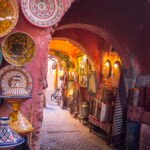

Trip to Macau: Complete First-Timer Guide for Itinerary, Costs and Getting There
Some links on this page are affiliate links. We may earn a commission at no extra cost to you.
A trip to Macau works best with 2 to 3 full days, a base on the Macau Peninsula for historic sights or in Cotai for resorts and entertainment, and a plan that separates the old city from the casino district. Macao uses the Macanese pataca (MOP), although Hong Kong dollars are widely accepted in many tourist businesses. Entry rules depend on nationality: Macao’s government says all visitors need a visa unless they qualify for an exemption, and some nationalities must arrange a visa in advance (check the official immigration rules before booking).
A trip to Macau is easiest to plan when you decide whether you want history, food and walking, or resorts, shows, and entertainment. Macau is a Special Administrative Region of China, separate from Hong Kong for immigration purposes, and it combines Portuguese colonial heritage with a modern casino and resort scene.
This guide is for first-time visitors who want a practical Macau itinerary rather than a list of casinos. It is less useful if you are visiting only for a single evening from Hong Kong, because a short trip changes the accommodation, transport, and sightseeing choices.
What makes this guide different is its focus on decisions: how many days to book, which area to choose, whether Hong Kong dollars are enough, how to cross from Hong Kong, and which attractions deserve a full day rather than a rushed stop.
Jump to: Is Macau worth it? | Best time | Getting there | Visa and entry | Costs | Where to stay | Attractions | 3-day itinerary | Food | Getting around | Money and apps | Mistakes | FAQ
Key takeaways
- Plan 2 full days for the Macau Peninsula, Taipa, and Cotai, or 3 days if you want Coloane, museums, and a slower pace.
- Stay on the Macau Peninsula for historic sights and easier walking, or in Cotai for resorts, shows, and larger hotel facilities.
- Macao’s legal tender is the Macanese pataca (MOP), issued under the authority of the Macao SAR Government through the Monetary Authority of Macao (check current exchange information before travel).
- Hong Kong dollars are commonly accepted in many Macau tourist businesses, but change may be given in patacas, so check the exchange rate before paying.
- Entry rules vary by nationality. Macao’s government says visitors need a visa unless exempt, and some nationalities must apply in advance through a Chinese embassy or consulate (check the official immigration page before booking).
- Public buses run frequently between the Macau Peninsula, Taipa, and Coloane, according to the Macao Government Tourism Office (check current routes and fares before travelling).
- Do not assume Macau is only about gambling. The Ruins of St. Paul’s, Senado Square, A-Ma Temple, Taipa Village, and Coloane offer a very different side of the destination.
Is Macau worth visiting if you do not gamble?
Yes, Macau is worth visiting even if you do not gamble. The historic center offers Portuguese colonial architecture, churches, squares, temples, and Macanese food, while Cotai adds large resorts, shows, and entertainment venues.
A trip to Macau works best when you treat it as two destinations in one. The Macau Peninsula is better for the Ruins of St. Paul’s, Senado Square, A-Ma Temple, and older streets, while Cotai is better for resort hotels, large-scale entertainment, and modern shopping.
Best for
- History and architecture: the Ruins of St. Paul’s, Senado Square, and A-Ma Temple.
- Food: egg tarts, pork chop buns, Portuguese dishes, and Macanese cuisine.
- Resorts and shows: Cotai’s large hotel and entertainment complex.
Worth considering
- Taipa Village for a quieter, more local-feeling neighborhood.
- Colon for beaches, trails, and a slower pace.
- Macau Tower for views and adventure activities, subject to operator availability.
For official sightseeing and practical visitor information, use the Macao Government Tourism Office. Use it for current events, transport updates, and attraction guidance rather than treating it as a fixed itinerary.
Maya’s honest take: Macau can feel overwhelming if you stay only in Cotai. If history and food are your priority, base yourself near the peninsula and visit Cotai as a separate evening or resort day.
When is the best time for a trip to Macau?
The best time for a trip to Macau is usually autumn, from October to December, or spring, from March to May, when temperatures are more comfortable for walking. Summer, from June to September, is hot and humid, while winter is cooler and generally drier.
Macau has a humid subtropical climate, so weather can affect walking tours, outdoor temples, and ferry crossings. Check the forecast before travelling, especially if you plan to spend long hours outdoors.
Best for
- October to December: comfortable temperatures for walking and sightseeing.
- March to May: mild spring weather and outdoor exploring.
- Weekdays: usually easier for hotels, restaurants, and popular attractions.
Worth considering
- June to September: long days and summer events, but heat, humidity, and possible storms.
- Chinese public holidays: higher demand for hotels, ferries, and border crossings.
- Rainy spells: keep museums, malls, and indoor shows as backup plans.
For current visitor information and seasonal guidance, use the Macao Government Tourism Office. For weather, use an official meteorological forecast closer to departure rather than relying on a long-range forecast.
How do you get to Macau from Hong Kong?
You can get to Macau from Hong Kong by ferry, by bus across the Hong Kong-Zhuhai-Macao Bridge, or by flying directly into Macau International Airport. The best option depends on your starting point, luggage, arrival time, and whether you want to arrive on the Macau Peninsula or in Cotai.
Ferry from Hong Kong
Ferries are a common option from Hong Kong to Macau, with services arriving at terminals on the Macau Peninsula and Taipa. Check the operator, terminal, sailing time, and luggage rules before booking, especially if you are travelling late at night or during a holiday period.
Hong Kong-Zhuhai-Macao Bridge
The Hong Kong-Zhuhai-Macao Bridge is a road crossing that connects Hong Kong, Zhuhai, and Macau. It can be a practical option if you prefer a bus or private transfer, but check the border checkpoint, ticketing, and drop-off location before travelling.
Macau International Airport
Macau International Airport is useful if you are flying directly to Macau or connecting through the region. If you are already in Hong Kong, compare the total journey time and cost of a ferry, bridge bus, or flight before deciding.
Maya’s honest take: The transport choice matters more in Macau than many visitors expect. A ferry may be quicker to the peninsula, while a bridge bus can suit travelers heading straight to Cotai, but the right answer depends on your hotel and arrival time.
For official transport and travel information, use the Macao Government Tourism Office’s travel guidance.
Do you need a visa for a trip to Macau?
Whether you need a visa for a trip to Macau depends on your nationality, travel document, and length of stay. Macao’s government says all visitors need a visa unless they qualify for an exemption, and some nationalities must obtain a visa in advance through a Chinese embassy or consulate (check the official immigration rules before booking).
Macao’s immigration guidance says that a passport or accepted travel document should generally be valid for at least 90 days beyond the intended period of stay. Visitors who are not exempt may be able to apply for an entry permit or visa on arrival at a border checkpoint, but travelers from certain countries are required to arrange a visa in advance.
Check Macao’s official immigration clearance rules.
Do not rely on a general “visa-free” claim from a blog or booking site. Macao is separate from Hong Kong and mainland China for immigration purposes, so a Hong Kong entry permission does not automatically cover Macau.
For a broader overview of documents and entry rules, read our guide to visa requirements.
How much does a trip to Macau cost?
A trip to Macau can be affordable or expensive, depending mainly on accommodation, transport from Hong Kong, dining, and entertainment. Build the budget from flights or ferry tickets, hotel costs, food, attractions, local transport, and a buffer for shows, taxis, or casino spending.
Use Macanese patacas (MOP) for local pricing, but check whether your hotel, restaurant, or attraction quotes prices in Hong Kong dollars (HKD). The Monetary Authority of Macao says the pataca is Macao’s legal tender (check current exchange rates before travel).
Value traveller
- Stay in a guesthouse, budget hotel, or simple apartment-style accommodation.
- Use local bakeries, food stalls, and casual restaurants for some meals.
- Use public buses and walking rather than taxis.
- Prioritize free historic streets, squares, temples, and viewpoints.
Mid-range traveller
- Stay in a well-located hotel on the peninsula or in Cotai.
- Mix casual meals with a few restaurant dinners.
- Include one or two paid attractions, such as Macau Tower or a show.
- Allow a buffer for ferries, bridge transport, and taxis.
Comfortable traveler
- Stay in a higher-end Cotai resort or a luxury peninsula hotel.
- Book restaurant reservations, spa treatments, and premium shows.
- Use taxis, private transfers, or hotel transport when convenient.
- Include fine dining, entertainment, and guided experiences.
For flights, compare dates before booking. Use our guide to cheap flights to Macau to plan the booking step, then compare flight and hotel packages through Expedia if you prefer one reservation.
Maya’s honest take: The cost trap is assuming Macau is cheap because it is close to Hong Kong. Hotels and shows can be expensive, but historic sightseeing, local bakeries, and public buses keep a non-gambling trip manageable.
Where should you stay on a trip to Macau?
For a first trip to Macau, stay on the Macau Peninsula if you want historic sights and walkable streets, or in Cotai if you prefer resorts, entertainment and larger hotel facilities. Taipa Village is a useful middle ground for food and a quieter atmosphere.
Macau Peninsula
- Choose the peninsula if you want the Ruins of St. Paul’s, Senado Square and A-Ma Temple within easier reach.
- It is a practical base for history, food and walking.
- Downside: it can be busy, and some hotels are older or less resort-like.
Cotai
- Choose Cotai if you want resort facilities, entertainment, shopping and a more polished hotel experience.
- It is convenient for large resorts and evening shows.
- Downside: it is farther from the historic centre, so allow transport time for sightseeing.
Taipa Village
- Choose Taipa Village if you prefer quieter streets, local food and a more neighbourhood feel.
- It is a good base for travellers who want to avoid staying entirely in a casino district.
- Downside: hotel choice can be more limited than in Cotai or on the peninsula.
Coloane
- Choose Coloane if you want beaches, trails and a slower pace.
- It works best as part of a longer Macau itinerary rather than a short city break.
- Downside: it is farther from the main sights and transport hubs.
For a first visit, I would start on the peninsula if history is your priority, then compare Cotai if resort facilities and entertainment matter more. Compare hotels and reviews on Booking.com, Agoda or Hotels.com.
For more accommodation ideas, see our guide to where to stay in Macau.
What are the top things to do in Macau?
The top things to do in Macau are the Ruins of St. Paul’s, Senado Square, A-Ma Temple, Macau Tower, Taipa Village, Coloane and the Cotai resort area. Choose two or three major activities per day rather than trying to see every highlight.
Best for first-timers
- Ruins of St. Paul’s for Macau’s most recognisable historic landmark.
- Senado Square for Portuguese-influenced architecture and central walking.
- A-Ma Temple for a different side of Macau’s cultural history.
- Taipa Village for food, streets and a calmer atmosphere.
Worth considering
- Macau Tower for views and adventure activities, subject to operator availability.
- Cotai for resorts, entertainment and shopping.
- Coloane for beaches, trails and a slower day.
- Museums and galleries for rainy weather or a cultural focus.
For tours, shows and activity tickets, compare availability on GetYourGuide, but always check the operator’s cancellation policy, meeting point and whether admission is included.
For current visitor information, events and attraction guidance, use the Macao Government Tourism Office.
What is a good 3-day itinerary for Macau?
A good 3-day itinerary for Macau combines the historic peninsula, Taipa and Cotai, and one slower day for Coloane or a flexible city day. Keep one evening unbooked so you can respond to weather, fatigue or a show you want to see.
Day 1: Macau Peninsula and the historic centre
Start at Senado Square, walk toward the Ruins of St. Paul’s, then explore nearby streets and churches. Visit A-Ma Temple if time allows, then finish with dinner in the peninsula area.
Day 2: Taipa Village and Cotai
Use the morning for Taipa Village, then continue to Cotai for resorts, shopping or an evening show. If you prefer a non-gambling day, treat Cotai as a place for architecture, food and entertainment rather than casinos.
Day 3: Coloane or a flexible city day
Choose Coloane for beaches, trails and a slower pace, or use the day for museums, markets and any attraction you missed. This is also the best day to leave space for a relaxed breakfast and airport or ferry logistics.
Maya’s honest take: Do not try to see the peninsula, Taipa and Coloane in one day. Macau looks compact on a map, but heat, queues and transport can turn a simple plan into a long day.
For attraction ideas, browse our guide to things to do in Macau. For a broader planning framework, see our travel itinerary planning guide.
What should you eat on a trip to Macau?
On a trip to Macau, try egg tarts, pork chop buns, Portuguese dishes and Macanese food, alongside Chinese bakeries, noodles and seafood. Macanese cuisine reflects Macau’s Portuguese and Chinese influences, so it is one of the best reasons to explore beyond the resorts.
Use local bakeries and casual eateries rather than eating every meal in a hotel. Taipa Village and the Macau Peninsula are useful areas for food-focused exploring, while Cotai is better for resort dining and larger restaurant choices.
For restaurant reviews and traveller recommendations, browse Tripadvisor, but treat recent reviews as a starting point rather than a substitute for checking opening hours directly with the restaurant.
Maya’s honest take: Do not save all your food budget for one fancy dinner. Macau’s best value is often a bakery egg tart, a casual lunch and a neighbourhood dinner rather than three resort meals in the same precinct.
How do you get around Macau: buses, taxis or casino shuttles?
For getting around Macau, use public buses, walking and taxis, and check whether a casino shuttle suits your hotel and itinerary. The Macao Government Tourism Office says frequent bus services run between the Macau Peninsula, Taipa and Coloane (check current routes and fares before travelling).
Choose public buses if
- You want a low-cost way to travel between the peninsula, Taipa and Coloane.
- You are comfortable checking routes and stops before setting out.
- You prefer not to rely on hotel or casino transport.
Choose taxis or rideshares if
- You have luggage, are travelling late at night, or are short on time.
- You are staying in Cotai but want to visit the historic peninsula.
- You prefer a door-to-door journey over navigating bus routes.
Choose a casino shuttle if
- Your hotel or chosen resort operates a shuttle that matches your route.
- You are travelling between major transport hubs and resort areas.
- You confirm the current timetable, pickup point and eligibility rules directly with the operator.
Check the Macao Government Tourism Office’s local transport information
Maya’s honest take: A shuttle can be convenient, but it is not always the fastest option. Check the destination stop before boarding, because a resort shuttle may not take you directly to the historic centre.
What money, SIM card and apps do you need in Macau?
For a trip to Macau, carry some Macanese patacas (MOP) for small purchases, local eateries and transport, while using a card where accepted. Hong Kong dollars are commonly accepted in many tourist businesses, but change may be given in patacas, so check the exchange rate before paying.
The Monetary Authority of Macao says the pataca is Macao’s legal tender and is issued under the authority of the Macao SAR Government (check current exchange information before travel). Do not assume every small shop, bus or local restaurant accepts foreign cards.
Check the Monetary Authority of Macao’s currency information
Arrange mobile data before departure or buy a local eSIM or SIM card on arrival. Save offline maps, ferry or bridge tickets, hotel addresses and immigration documents before you travel, especially if you are crossing from Hong Kong.
What mistakes do first-time visitors make in Macau?
The most common mistakes on a trip to Macau are treating it as a one-night casino stop, assuming Hong Kong entry rules cover Macau, and underestimating the distance between the peninsula and Cotai. Each has a simple fix.
- Treating Macau as only a casino destination. Fix it by planning at least one day for the historic peninsula, Taipa Village and local food.
- Assuming Hong Kong entry permission covers Macau. Fix it by checking Macao’s separate immigration rules before booking.
- Staying in Cotai for a history-focused trip. Fix it by choosing the peninsula if the Ruins of St. Paul’s and Senado Square are priorities.
- Underestimating travel time. Fix it by grouping the peninsula, Taipa and Cotai into separate days.
- Assuming every business accepts cards. Fix it by carrying some patacas for small purchases, buses and local eateries.
- Booking a ferry or bridge crossing without checking the terminal. Fix it by confirming the arrival point and its distance from your hotel.
- Ignoring weather and holiday crowds. Fix it by checking forecasts and avoiding peak Chinese holiday periods if you prefer quieter streets.
For a broader pre-departure checklist, see our travel planning checklist.
Who is a trip to Macau not for?
A trip to Macau is not the right choice if you want a quiet beach holiday or a long nature-focused escape. Macau is compact, busy and built around a mix of heritage, resorts, food and entertainment.
It is also not ideal if you want to visit several Chinese cities in a short time without understanding border rules. Macau, Hong Kong and mainland China have separate immigration arrangements, so a multi-region trip needs more planning than a single-city break.
For a comparison of nearby destinations, read our guide to things to do in Macau and use it alongside a Hong Kong or wider Asia itinerary.
Frequently asked questions
How many days do you need for a trip to Macau?
Two full days is enough for the Macau Peninsula, Taipa Village and Cotai. Plan three days if you want Coloane, museums or a slower pace. A day trip from Hong Kong can work, but it limits how much you can see.
Is Macau expensive?
Macau can be expensive for hotels, shows and resort dining, but it does not have to be. Historic sightseeing, local bakeries, public buses and casual meals keep a non-gambling trip manageable.
Do I need a visa for Macau?
It depends on your nationality and travel document. Macao’s government says visitors need a visa unless they qualify for an exemption, and some nationalities must apply in advance. Check the official immigration page before booking.
What is the best time to visit Macau?
October to December and March to May are usually the most comfortable periods for walking and sightseeing. Summer is hot and humid, while winter is cooler and generally drier.
Can you use Hong Kong dollars in Macau?
Hong Kong dollars are commonly accepted in many Macau tourist businesses, but change may be given in Macanese patacas. The pataca is Macao’s legal tender, so carry some MOP for smaller purchases and local transport.
Is Macau worth visiting if I do not gamble?
Yes. Macau is worth visiting for the Ruins of St. Paul’s, Senado Square, A-Ma Temple, Taipa Village, Coloane, Macanese food and Portuguese-influenced architecture. Gambling is optional, not the whole destination.
How do I get from Hong Kong to Macau?
You can travel by ferry, by bus across the Hong Kong-Zhuhai-Macao Bridge, or by flying into Macau International Airport. The best option depends on your hotel, luggage, arrival time and whether you are heading to the peninsula or Cotai.
Where should I stay in Macau for the first time?
Stay on the Macau Peninsula for historic sights and walkable streets, or in Cotai for resorts and entertainment. Taipa Village is a good middle ground for food and a quieter atmosphere.
What should I book before going to Macau?
Book flights or ferry tickets, accommodation, airport or border transfer expectations, and any show or attraction with limited availability. Leave historic streets, bakeries and neighbourhood walks flexible so the trip does not become a schedule of reservations.
Sources we checked
Maya verifies entry rules, currency information, transport guidance and visitor policies against official Macao government, immigration and tourism sources before publishing. Rules can change, so recheck the relevant page shortly before departure.
Plan your trip: booking platforms we trust
For a trip to Macau, compare flights or ferry options first, then choose accommodation based on whether you want the historic peninsula or Cotai. Use a hotel platform for cancellation terms, a tours platform for shows and experiences, and keep one day flexible for weather and exploring.
Useful for comparing Macau Peninsula, Taipa and Cotai accommodation.
Agoda
Useful for comparing hotels and apartments across Macau and Asia.
Hotels.com
Useful for hotel loyalty bookings and comparing central Macau stays.
Expedia
Useful for flight and hotel packages if you prefer one booking.
GetYourGuide
Useful for tours, shows and guided Macau experiences.
Tripadvisor
Useful for reading recent traveller reviews of hotels, restaurants and tours.
For more help choosing dates and accommodation, see our guides to where to stay in Macau, cheap flights to Macau and travel planning guides.
WakaAbuja does its best to keep all information accurate at the time of publishing. Prices, policies, and availability change regularly. Always verify with official sources before you travel. We are not liable for errors caused by outdated information. Travel insurance is strongly recommended.