
Please proceed directly to thekey takeaways, itineraries, or the FAQ.
Key Takeaways Before Booking Your Croatia Adventure
- Best Time: Shoulder seasons (May-June, September) for fewer crowds and lower prices.
- Budget: 100-250 euros per day, including stays, food, and transport.
- Must-Do: Island-hop via GetYourGuide tours, hike in national parks.
- Safety: Very safe; watch for pickpockets in tourist hubs.
Why Croatia Should Be Your Next Destination: A Local’s Honest Take
I’ve wandered Croatia’s turquoise shores and misty mountains for years, from my first backpacking stint in Split to family vacations on Hvar. “Nothing beats waking up to the Adriatic Sea’s sparkle while sipping local coffee,” I remember thinking during a dawn kayak in Dubrovnik.
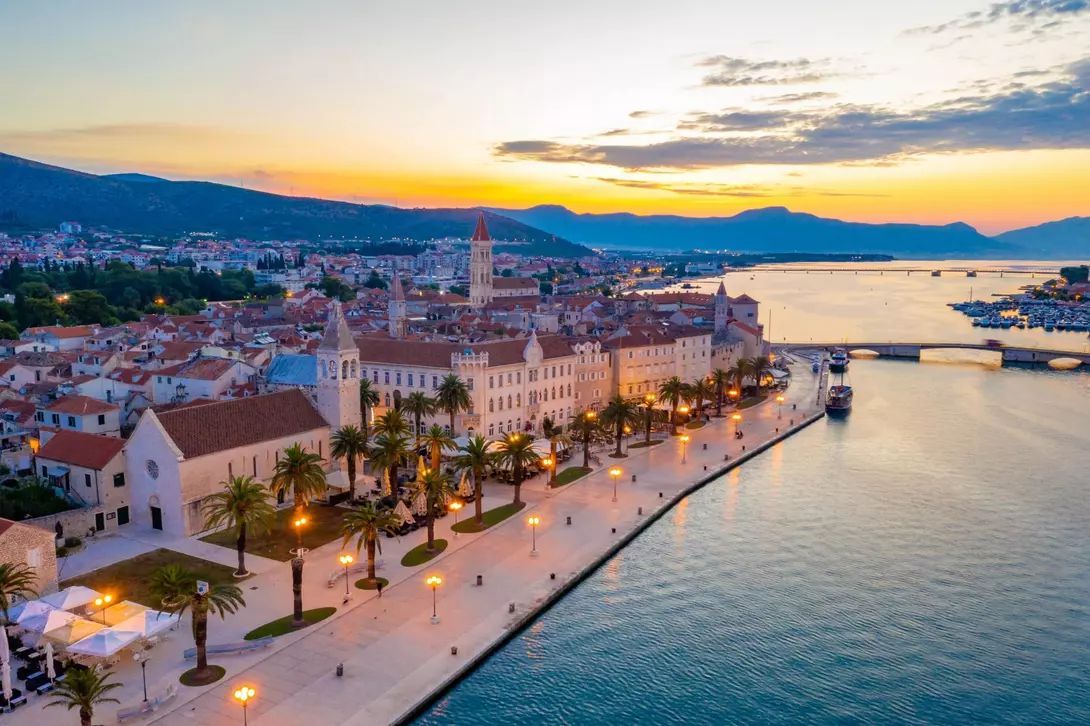
Known for its jaw-dropping coastline, ancient walled cities, and 1,800km of island-dotted shores attracting over 20 million visitors yearly, according to Croatia’s Tourist Board, this Balkan gem blends Game of Thrones fame with authentic Dalmatian charm. Whether you’re chasing hidden coves or historic fortresses, here’s everything you need before you go.
Perfect Timing: When to Visit Croatia for Ideal Weather and Savings
Croatia shines brightest from May to September, with July-August peaking at 30°C (86°F) days, perfect for beach lounging. I once arrived in mid-July in Korčula and found every sunbed claimed by 10am, leading to my pro tip: opt for late spring or early fall.
Shoulder months mean 20-30% cheaper hotels and thinner crowds; September’s mild 25C (77F) weather is my favorite for hiking Paklenica without the sweat.
Cheapest Time to Visit Croatia
November to March slashes prices by 50%, but expect closures and rain. For value, aim for April-May or October: flights drop to 50-100 euros from major EU hubs via Kayak.
Getting to Croatia: Easiest Travel Routes and Airports
Land at Zagreb (ZAG), Split (SPU), or Dubrovnik (DBV) airports. From Europe, low-cost carriers like Ryanair fly direct; from the US, connect via Frankfurt.
I flew into Split last summer, then bused two hours to the Hvar ferry port. Ferries from Italy (Ancona to Split) run year-round via Jadrolinija (jadrolinija.hr, +385 51 338 333).
Getting Around Croatia: Ferries, Buses, and Rental Hacks
Libertas buses connect cities reliably (libertasdubrovnik.hr); ferries link islands via Jadrolinija or Krilo (krilo.hr).
Rent cars from Sixt for mainland freedom, but islands favor scooters. My trick: buy a Zagreb Card for unlimited trams (zkt.hr). High-speed catamarans cut Hvar-Dubrovnik to 3 hours.
Where to Stay in Croatia: Top Accommodation Picks by Region
Dubrovnik is for history; Split is for vibes; Hvar is for parties; and Zagreb is for culture. Apartments via Vrbo or hotels on Hotels.com average 80–150 euros/night in peak season.
I stayed at Villa Nora in Split (4.8/5 on TripAdvisor): “Clean, sea-view balcony, walking to Diocletian’s Palace,” per guest reviews.
Luxury Pick: Hvar Town
Adriatic views, nightlife. Aminess Grand Azur Hotel (4.7/5).
Croatia Trip Costs: Budget Breakdown and Money-Saving Strategies
Daily spend: 100 euro budget (hostel 30, meals 20, transport 10, sights 40); mid-range 150-200 euro.
Meals at konobas (taverns) cost 10-20 euros. Save by eating cevapi street food, using Rick Steves-style free walking tours, and booking via Expedia bundles.
Top Things to See and Do: From Hidden Gems to Must-Visits
Plitvice Lakes National Park’s cascading waterfalls drew 1.5 million visitors last year; arrive early to beat the lines. Dubrovnik Walls: 200 HRK (~27 euros), 4.6/5 rating.
Islands: Hvar’s lavender fields, Korčula’s Marco Polo house. Outdoors: Zipline in Omiš, hike Biokovo. Nightlife pulses in Zrće Beach clubs. Museums like Zagreb’s Mimara offer air-conditioned art escapes. Family-friendly: Blue Cave boat trips.
“The sea caves glow electric blue at noon,” I noted on a Vis tour.
Custom Croatia Itineraries: 5-10 Day Plans for Every Traveler
5-Day Dalmatian Coast Highlights
- Day 1: Arrive in Split and explore Diocletian’s Palace.
- Day 2: Ferry to Hvar for beaches and fortress.
- Day 3: Korčula wine tasting.
- Day 4: Dubrovnik walls and cable car.
- Day 5: Elafiti islands kayak.
10-Day Full Croatia Explorer
Add Zagreb museums, Plitvice hikes, and Istria truffles. Book multi-day passes on TripAdvisor.
Staying Safe in Croatia: Practical Tips and Emergency Contacts
Croatia ranks among Europe’s safest, with low crime rates per Numbeo. Watch bags in Dubrovnik Old Town. EU 112 for emergencies. US Embassy Zagreb: +385 1 661 2200 (hr.usembassy.gov).
“Locals are incredibly helpful; one Dubrovnik fisherman gave me a free ride back to my hotel,” I recall.
Weather Essentials and Packing List for Croatia
Summers dry and sunny; winters mild but wet in the north. Pack layers, sturdy shoes for cobbles, and reef-safe sunscreen. I learned the hard way after ruining sneakers on Krka’s slippery paths.
Pros, Cons, and What Croatia is Famous For
Famous for Diocletian’s Palace (UNESCO), truffles from Istria, and peka slow-cooked meats. Pros: Biodiversity, wine (Plavac Mali). Cons: Overtourism in Dubrovnik, pushing visitors to Mljet’s serenity.
Frequently Asked Questions About Visiting Croatia
Is Croatia expensive for tourists?
Moderately so; budget 100 euros/day beats Western Europe. Save with local eateries and off-peak travel.
What’s the best place for a family vacation in Croatia?
Korčula or Brač: Calm waters, short hikes, family apartments on Agoda.
How many days do you need in Croatia?
7-10 for highlights; 14 for islands and north.
What is Croatia known for?
Stunning Adriatic islands, national parks, historic cities like Dubrovnik.