
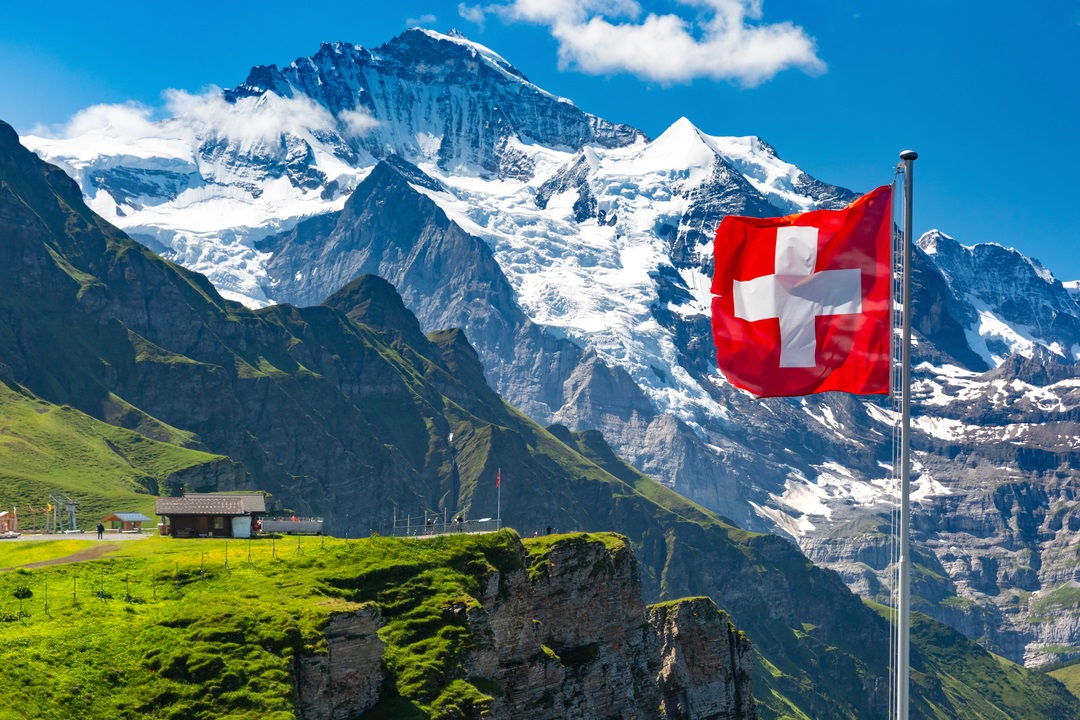
Quick Travel Snapshot
Switzerland is safe, ultra-organized, breathtakingly scenic, and expensive, but absolutely worth it if you plan smart.
Expect daily costs of CHF 150 to CHF 300 for midrange travel, world-class trains, alpine adventures, and cities that feel like postcards.
Jump directly to details:
- Typical Costs and Suggested Budgets
- Best Time to Visit
- How to Get Around
- Where to Stay
- Safety and Emergency Contacts
Overall Rating: 4.8 out of 5 for scenery, safety, infrastructure, and ease of travel.
Why Visit Switzerland?
If you are searching for a country that combines dramatic Alpine peaks, crystal-clear lakes, chocolate shops on every corner, and public transport that runs like clockwork, Switzerland delivers all of that in one compact destination.
On my first morning in Switzerland, standing beside Lake Lucerne at sunrise, I remember thinking, “This feels unreal.” The air was crisp, the mountains were reflected perfectly in the water, and everything was so clean and calm it almost felt curated.
Best Time to Visit Switzerland
Summer: June to September
Perfect for hiking, lake swimming, and scenic train rides. Temperatures range from 18 to 28 degrees Celsius. This is peak season, especially in Interlaken and Zermatt.
Personal tip: July in the Bernese Oberland gave me the best hiking conditions with wildflowers in bloom.
Winter: December to March
Ideal for skiing in Zermatt, St. Moritz, and Verbier. Expect snowy landscapes and festive Christmas markets in Zurich and Basel.
Shoulder Seasons: April to May and October
Fewer tourists and lower hotel prices. Some mountain lifts close during maintenance, so check official websites before booking.
Typical Costs and Suggested Budgets
Budget Travel: CHF 100 to 150 per day
- Hostels or budget guesthouses
- Supermarket meals from Coop or Migros
- Swiss Travel Pass for transport
Mid-Range: CHF 150 to 300 per day
- 3-star hotels
- Restaurant dining
- Mountain excursions
Luxury: CHF 400 and above per day
- Lakefront hotels
- Fine dining
- Private tours
Average coffee costs CHF 4 to 6. A casual restaurant meal ranges from CHF 20 to 35. According to Switzerland Tourism official site, myswitzerland.com, tourism contributes significantly to the national economy, which explains premium pricing but exceptional quality.
How to Get Around Switzerland
Switzerland has one of the most efficient transport systems in the world. I never needed a car.
Swiss Travel Pass
Unlimited trains, buses, and boats. Available via Expedia or Kayak.
Official railway website: sbb.ch
Where to Stay in Switzerland
Zurich
Best for city life and international flights.
Find hotels on Booking.com, Hotels.com, or Agoda.
Interlaken
Adventure capital with access to the Jungfrau region.
Zermatt
Home of the Matterhorn. Car-free village with premium alpine vibes.
Top Things to See and Do
- Jungfraujoch Top of Europe
- Lake Geneva boat cruise
- Rhine Falls near Schaffhausen
- Old Town Bern UNESCO site
Safety and Emergency Contacts
Switzerland consistently ranks among the safest countries globally.
Pros and Cons
Pros
- Incredible natural beauty
- Safe and clean
- Efficient transport
Cons
- High cost of travel
- Restaurants close early in smaller towns
How Long Should You Stay?
Minimum 5 days for highlights. Ideal: 7 to 10 days to explore cities, mountains, and lakes comfortably.
Frequently Asked Questions
Is Switzerland worth visiting despite the cost?
Yes. The scenery, safety, and infrastructure justify the price if planned wisely.
Do I need cash in Switzerland?
Cards are widely accepted but carry small CHF cash for rural areas.
Is English widely spoken?
Yes, especially in tourist areas.
Final Travel Tip
WakaAbuja has made every effort to ensure that the information in this post was correct at the time of publication. However, we do not assume any liability caused by errors such as pricing, hours, or location details. Please consult official websites or social media pages for the most up-to-date information.