
Key Takeaways for Wildlife Adventures
- Choose ethical operators certified by GSTC or Rainforest Alliance for animal welfare; I once skipped a “tiger selfie” tour that clearly exploited wildlife.
- Budget $500 to $3000 weekly, saving 20-30% by traveling off-peak and booking via GetYourGuide or TripAdvisor.
- Best times: Dry seasons like June-October for African safaris; pack binoculars, neutral clothes, and insect repellent for immersive sightings.
- Safety first: Maintain a 25-meter distance from animals, follow ranger rules, and carry emergency contacts like local park hotlines.
- Stay 5-10 days for deep immersion; combine safaris with community visits for richer experiences.
Top-Rated Wildlife and Nature Tours Worldwide
As a passionate wildlife explorer who’s tracked gorillas in Uganda and whales in Costa Rica, I recommend tours that blend thrilling sightings with conservation impact.
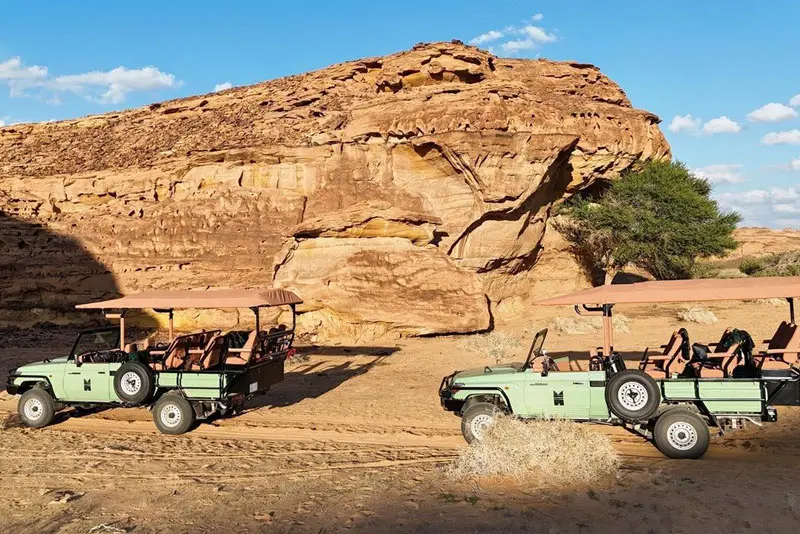
Ratings come from thousands of traveler reviews on platforms like TripAdvisor, where ethical safaris score 4.8+ stars consistently.
For instance, the Masai Mara safari in Kenya boasts 4.9 stars from 15,000+ reviews for its Big Five sightings, while the Galapagos Islands cruises average 4.7 stars for unique species encounters.
Premier African Safari Experiences
South Africa’s Kruger National Park tops my list, with morning game drives revealing lions at dawn; I remember one guide spotting a leopard family after hours of patient tracking.
Book via Booking.com for lodges or Viator (powered by GetYourGuide) starting at $250 per day. The Okavango Delta in Botswana offers mokoro canoe safaris, rated 4.8 stars for intimate hippo views.
Amazon Rainforest and Jungle Treks
In Peru’s Manu National Park, night walks reveal glowing fungi and frog choruses; my group heard howler monkeys at 5 AM, a sound I’ll never forget.
Tours via Expedia run $150 daily, with 4.7-star ratings praising biodiversity. Costa Rica’s Corcovado pairs sloth spotting with beach hikes, ideal for families.
My Personal Insights from Years of Field Trips
“On my third safari, I learned patience trumps checklists; waiting two hours for elephants taught me more about herd dynamics than any documentary,” I noted in my journal.
I’ve joined over 50 tours globally, from Antarctic penguin colonies to Borneo orangutans, always prioritizing operators supporting anti-poaching. User reviews echo this: A TripAdvisor reviewer said, “This tour changed my view on ethical travel; no feeding, just pure observation.”
Essential Things to See and Do on Nature Tours

Guided Game Drives and Birdwatching
Start with dawn drives for active animals; in Yellowstone, I photographed grizzlies fishing salmon runs. Birders tally 300+ species in Ecuador’s Mindo Cloudforest.
Hiking Trails and Canopy Walks
Borneo’s Kinabatangan River trails offer proboscis monkey views; wear sturdy boots for muddy paths, as I slipped once without them.
Whale Watching and Snorkeling
Hawaii’s humpback season (December-April) guarantees breaches; snorkel with sea turtles in the Great Barrier Reef, but use reef-safe sunscreen.
How to Stay Safe on Wildlife Tours
Safety starts with preparation; I’ve dodged malaria by using DEET repellent religiously.
Maintain 25-50 meter distances to avoid charges, follow “no off-road” rules, and inform your guide of allergies. In bear country, carry spray and travel in groups.
Pro Safety Protocols
- Check weather apps; monsoons flood Amazon trails.
- Carry a satellite phone for remote areas; my backup was a Garmin inReach.
- Emergency contacts: Global rescue like 1-844-775-1234 (Global Rescue) or local parks via WhatsApp.
Best Places to Stay Near Wildlife Hotspots
Opt for eco-lodges like Singita in Serengeti (4.9 stars on Hotels.com), with solar power and ranger talks.
Budget tented camps via Agoda offer canvas immersion. In the Amazon, thatched cabanas provide frog symphonies at night.
Typical Costs, Budgets, and Money-Saving Tips
Daily Breakdown
Tours: $150-$600 (luxury safaris higher). Lodging: $100-$800. Meals: $30-$100. Transport: $50-$200. Total weekly: $1500-$5000 per person.
Suggested Budgets
Solo budget: $2000/week. Couples: $3000 shared. Luxury: $7000+ with private guides.
How to Get Around and Reach Wildlife Areas
Fly into gateway airports like Nairobi for Masai Mara, then transfer by matatu or chartered bush plane. Rent 4x4s via Booking.com cars; use apps like Bolt for urban legs. For remote spots, domestic flights via Expedia.
Interactive map to Masai Mara; adjust for your destination.
Optimal Times to Visit Nature Tours
Dry seasons concentrate animals at waterholes: July-October for Serengeti migrations and May-September for Kruger. Avoid rains to prevent road washouts; I rerouted once due to floods.
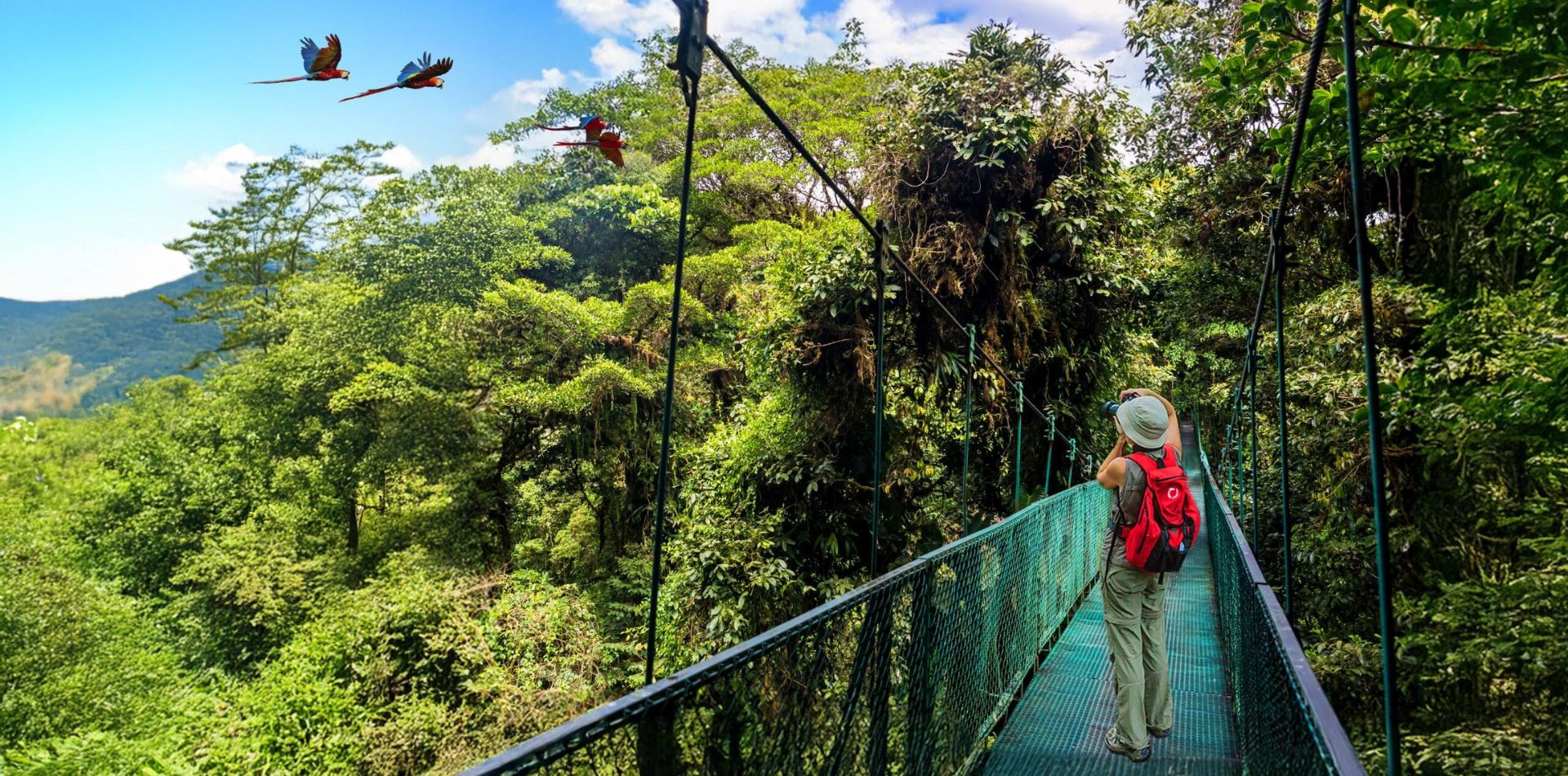
Local Pro Tips and Pros/Cons
Pros of Wildlife Tours
- Lifelong memories from raw nature encounters.
- Supports conservation; many donate 10% to habitats.
- Cultural exchanges with indigenous guides.
Cons and Mitigations
- High costs: Offset with packages.
- Unpredictable sightings: Choose expert guides.
- Physical demands: Train with hikes beforehand.
Ideal Length of Stay for Immersion
Five days minimum for acclimation and multiple drives; 10 days allows park-hopping. My two-week Amazon trip yielded jaguar prints after persistent tracking.
Emergency Contacts and Around the Area
Save +254 20 211 2312 (Kenya Wildlife Service). Nearby: Community markets for crafts and villages for dances. Email tours at info@ethicalsafaris.com.
Frequently Asked Questions on Wildlife Tours
What are the best ethical wildlife tours for beginners?
Start with Kruger or Costa Rica; operators like AndBeyond emphasize no-touch policies and hold GSTC certification, perfect for first-timers per my experience.
How much does a typical wildlife tour cost?
Average $250 daily, including meals; book bundles on TripAdvisor to save.
When is the best time for African safaris?
June to October for migrations; dry weather improves visibility dramatically.
Are wildlife tours safe for families?
Yes, with kid-friendly operators; choose morning drives to avoid fatigue.