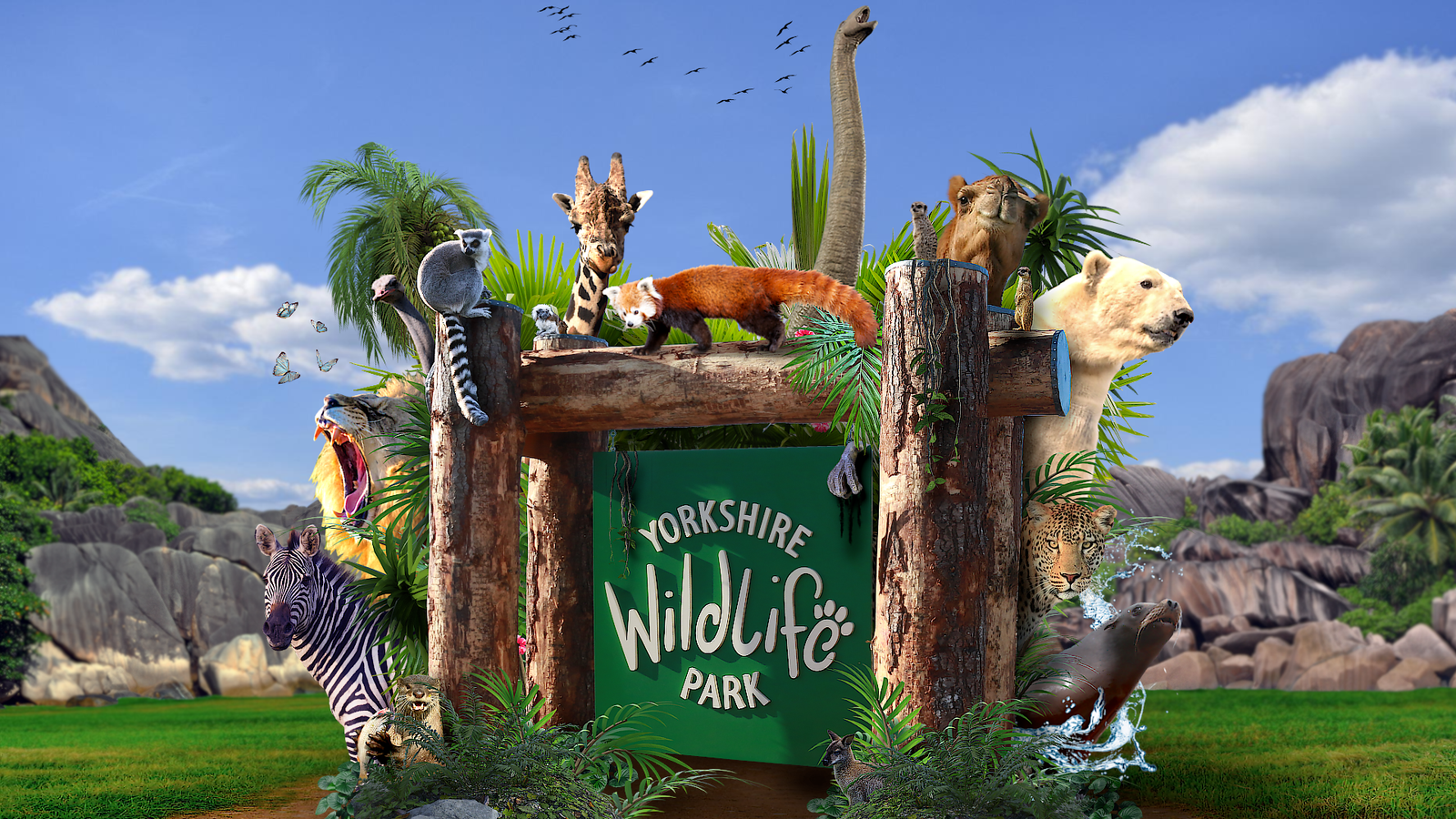
Yorkshire Wildlife Park is a 150-acre walk-through wildlife park near Doncaster, home to over 400 animals, including the UK’s largest polar bear reserve. Day tickets start from £23.99 per adult when booked online, children under 3 enter free, and most families need 4 to 6 hours to see the key habitats without rushing.
The park is flat, highly accessible, and allows you to bring your own food, making it one of the better-value wildlife days out in northern England.
I first visited Yorkshire Wildlife Park on a damp Tuesday in March, fully expecting a standard zoo experience with concrete enclosures and bored animals. What I got was Project Polar, a sprawling four-acre reserve where massive bears swam right up to the glass, and a lemur walk-through where ring-tails used my shoulder as a springboard. Chidi, who joined me on a return visit with his young twins in tow, summed it up perfectly: “This isn’t a zoo pretending to be a park.
This is a park that happens to have polar bears in it. “If you are planning your first visit, this guide covers everything the official website leaves out. Ticket tricks, which animals to see first, where to eat, and how to avoid the crowds that cluster around the lion enclosure at midday.
Jump to: Ticket Prices | What to See First | How Long to Spend | Getting There | Food Guide | Accessibility | FAQ
Key takeaways
- Book online and in advance. Gate prices are higher, and peak-time slots sell out, especially during school holidays and the summer Wild Live concert series.
- Project Polar and the new Malaysian Singing Forest Gibbon Reserve are the two habitats you absolutely must not skip, ideally visiting both before 11:00 AM when animals are most active.
- Pack a picnic. The park explicitly permits outside food and drink, and the designated picnic lawns near the South America Viva section offer better views than any café table.
- If you live within a 90-minute drive and will visit at least twice in a year, an annual membership pays for itself by the second trip for a family of four.
- Check the official website for Lion Country reopening updates before you book. This major exhibit has been closed for maintenance, and its return date shifts.
How much do Yorkshire Wildlife Park tickets cost?
@hannabaksh_ Location – Branton, Doncaster, DN4 6TB 🎟️ Tickets – Around £24 for adults and £19 for children (3–15). Under-3s go free, and it’s usually cheaper to book online. Parking is free on site. 🦁 Animals – Over 70 species including lions, tigers, giraffes, polar bears, lemurs and meerkats. 🌳 Walks & Parkland – Plenty of scenic walking routes, picnic spots and themed animal habitats. 🛝 Play Areas – Two great play zones, including a dinosaur-themed adventure area and a playground. 🍔 Food & Drink – Cafés, kiosks and picnic areas throughout the park. Pretty much next to every animal section there was a different restaurant or café. 🚼 Facilities – Baby changing, accessible toilets, buggy-friendly paths and free parking. We allowed around 5 hours to explore and would definitely recommend wearing some comfy shoes! If you plan to got a few times a year it would work out cheaper to have a membership. #yorkshiredaysout #fyp #familydayout #yorkshirewildlifepark @Yorkshire Wildlife Park
♬ Hakuna Matata – Billy Eichner & Seth Rogen & JD McCrary & Donald Glover
Yorkshire Wildlife Park uses a dynamic pricing model. The base online adult ticket starts at £23.99, but peak dates like bank holidays and summer weekends push this higher. A child aged 3 to 15 typically costs £21.99 online. Infants under 3 enter free but still require a booked ticket slot. The gate price, if you just turn up without pre-booking, is consistently higher, usually by £2 to £3 per ticket. Do not skip the online booking step.
Concession tickets for seniors, students, and disabled visitors sit around £22.99 online. A registered carer enters for free with proof of eligibility, such as a Blue Badge, PIP letter, or Access Card. This carer policy is one of the most generous among UK wildlife attractions, and we have found the gate staff to be consistently well-trained in handling these situations without making guests feel awkward.
Chidi’s honest take on membership: “I did the math for my family of four. Two adults, two kids. Day tickets at online price: roughly £92. An annual family membership costs £189. If we go twice in a year, we save money. We have been three times already. The 10% discount on food and gift shop purchases inside the park quietly adds up, too. If you are within driving distance of Doncaster, the membership is the smarter financial play.”
Animal encounters and keeper experiences are priced separately. A 30-minute behind-the-scenes session with meerkats or lemurs typically runs from £45 to £65 per person, with strict age minimums, often 8 or 10 years old. These sell out weeks in advance during school holidays. Book the encounter first, then build your visit date around the available slot.
What should I see first at Yorkshire Wildlife Park?
@tillthenexttrip If you’re planning a trip to Yorkshire Wildlife Park, get there early! It’s over 175 acres of walk-through safari, so there is SO much ground to cover. We spent the entire day here and still felt like we needed more time. 🦒 Put your walking shoes on for this one! 👟 #yorkshirewildlifepark #doncaster #yorkshire #zoo #safaripark
The park is laid out in a rough circuit, but walking straight ahead from the entrance is a tactical error. Most visitors drift clockwise. You should cut left immediately toward Project Polar. The polar bears are most animated in the first two hours after the park opens, especially on warm days when they swim repeatedly past the underwater viewing glass. By 1:00 PM, they are often napping on the rocks, and the viewing platform becomes a shoulder-to-shoulder scrum.
After Project Polar, head directly to the new Malaysian Singing Forest Gibbon Reserve. The siamang gibbons’ morning calls are genuinely extraordinary, a swelling chorus that echoes across the park and stops children in their tracks. This exhibit opened recently and represents the park’s growing commitment to Southeast Asian species. From there, loop back toward Land of the Tigers, where the Amur tigers pace their long, wooded enclosure with a restless energy that burns off by mid-afternoon.
Morning priorities (before 11:30 AM)
- Project Polar: underwater swimming views, minimal crowds.
- Gibbon Reserve: peak vocal activity; cooler temperatures keep the apes swinging.
- Cheetah enclosure: the new cubs, now adolescents, are most playful in cool morning air.
Afternoon priorities (after 2:00 PM)
- Lemur walk-through: the crowd thins after lunch, and lemurs settle into late-day grooming.
- Pangea dinosaur trail: animatronic dinosaurs hold attention when real animals are napping.
- South America Viva: capybaras and giant anteaters tend to be crepuscular, stirring again by 3:00 PM.
A quick word on Lion Country. As of this year, the exhibit is undergoing significant maintenance. When open, it holds Amur lions in a large naturalistic enclosure. Check the official park website for reopening dates before you plan your visit around the lions, as the timeline has shifted more than once. The park does a decent job of managing expectations around this, but I have seen disappointed families who did not check beforehand.
How long should you spend at Yorkshire Wildlife Park?
Three hours is the bare minimum, and that will feel rushed. You will hit the major habitats but skip the ranger talks, the play areas, and any spontaneous moments like a keeper feeding session you stumble upon. A comfortable visit with young children, factoring in a picnic lunch and a go on the adventure playgrounds, demands five to six hours. The park opens at 9:45 AM and closes at 5:00 PM for most of the year, with last entry at 3:00 PM. Arriving after 1:00 PM is a strategic error. You simply run out of time.
@tashas.journey A place we visit often and would 10/10 recommend!! 🥺. #yorkshirewildlifepark #ywp #tashacharlotte #mumtok #toddlermum
The best day of the week to visit, in our experience across four trips in different seasons, is a Wednesday during term time. The car park feels empty. The polar bear viewing platform is yours for fifteen minutes at a stretch. Saturdays during summer holidays are the polar opposite. The queue for the indoor soft play area, which is a godsend on rainy days, snakes out the door by 11:00 AM. If a weekend is your only option, arrive before the gates open and execute the Project Polar-left turn strategy with military precision. The crowds catch up to you by noon, but you will have already seen the headliners.
Spring and early summer are the prime seasons for baby animals. The cheetah cubs made their public debut early this year. The new giraffe, Setanta, has settled into his bachelor group at African Plains. Newborn wallabies peek from pouches in the Wallaby Walkabout. The park times its births carefully, and the keeper talks in April and May are unusually rich with details about the breeding programs. Winter visits are quieter and cheaper, but many of the African species stay indoors, and the park’s exposed layout means a biting wind follows you between habitats.
How do I get to Yorkshire Wildlife Park by car, train, or bus?
The park sits just off the M18 at Junction 3, roughly seven miles south of Doncaster town center. The official address is Warning Tongue Lane, Branton, Doncaster, DN4 6TB. The brown tourist signs from the motorway are clear and direct. Parking is free and enormous. Even on peak summer Saturdays, I have never seen the overflow field fill completely. Blue Badge holders should follow the separate signage to the accessible bays directly beside the main entrance.
Arriving by train and bus requires a little more planning. Doncaster railway station is on the East Coast Main Line, with direct LNER services from London King’s Cross taking roughly 90 minutes and regular connections from Leeds, Sheffield, and York. From Doncaster Interchange, the number 357 bus runs hourly toward the park, and the journey takes about 20 minutes. The bus stop is a short walk from the park’s pedestrian entrance. A taxi from Doncaster station costs around £15 to £18 each way. There is no dedicated shuttle bus, which feels like a missed opportunity for a park of this size, but the taxi rank outside the station is reliable.
For those driving from further afield, the park is roughly 40 minutes from Sheffield, 50 minutes from Leeds, and 90 minutes from Manchester in light traffic. We recommend using Booking.com to search for overnight stays if you are traveling more than two hours, particularly the park’s own Hex Wildlife Hotel, which sits right at the entrance. Room rates start from around £90 per person, and the convenience of walking from your hotel room to the polar bear viewing glass in under five minutes is genuinely hard to beat.
Can I bring my own food? An honest guide to eating at the park.
Yes, you can bring your own food, and I strongly recommend you do. The park’s policy on outside food is generous and explicit. There are multiple designated picnic areas with benches, the best of which sits near the South America Viva section with views of the capybara enclosure. Capybaras are not dramatic lunch companions, but watching them wallow while you eat a sandwich is quietly delightful.
The on-site food options are adequate but expensive, as is the case at nearly every UK wildlife attraction. The Evolution Restaurant near the entrance serves hot meals like fish and chips, burgers, and pizza, with adult mains hovering around £12 to £14. The food quality is fair, not memorable. Masai Coffee House does decent espresso and prepackaged sandwiches. The real value move is to pack a hearty picnic, then spend £15 on ice creams and coffees as morale-boosters mid-afternoon. The ice cream kiosk near the lion house does a chocolate flake cone that my children now treat as a mandatory pilgrimage item.
The Yorkshire Hive, the free-admission shopping and dining hub at the entrance, has a couple of chain restaurants if you want a sit-down meal outside the park gates. It is worth knowing that you can leave the park and re-enter on the same day; just keep your ticket or wristband visible. This makes the Hive a legitimate lunch option without sacrificing park time.
Is Yorkshire Wildlife Park accessible for wheelchairs and pushchairs?
The park is, by and large, one of the most accessible wildlife attractions I have visited in the UK. The terrain is predominantly flat with wide, paved paths. Pushchairs roll easily across nearly every route. The exceptions are the Wallaby Walkabout and the Lemur Woods walk-through, where the paths narrow and turn to woodchip and gravel. A sturdy all-terrain pushchair handles these fine. A standard lightweight stroller will struggle and sink.
Mobility scooters and manual wheelchairs are available to hire from the main entrance, but the fleet is small, maybe a dozen units total. Pre-book a scooter at least a week before your visit by calling the park directly. Do not assume one will be available on the day. Blue Badge parking is plentiful and genuinely close to the entrance. The indoor soft play area, the majority of the indoor animal houses, and the restaurants are all wheelchair accessible. The park’s layout, a broad loop rather than a steep hillside, means you will not face the exhausting gradients that make a day at places like Chester Zoo a physical challenge for anyone with limited mobility.
How does Yorkshire Wildlife Park compare to other UK wildlife parks?
Yorkshire Wildlife Park occupies a distinct lane. It is not trying to be Chester Zoo, which has a deeper conservation research program and a larger species count but also feels more like a traditional zoo in its layout. YWP leans hard into the walk-through, open-space philosophy. The animals here have more room, visibly more room, than at almost any other UK park I have visited. The polar bear reserve alone is the largest in the country and, frankly, makes the polar bear enclosures at older zoos look like prison cells.
Compared to Howletts Wild Animal Park in Kent, YWP is cheaper, flatter, and easier for young families. Howletts has gorillas, which YWP does not, but YWP’s tiger and lion habitats are larger and more thoughtfully designed. Against Peak Wildlife Park in Staffordshire, the comparison tilts toward YWP on scale and ambition, but Peak wins on the sheer hands-on intensity of its walk-through lemur and wallaby experiences. The right choice depends on your priorities. If you want maximum species diversity, go to Chester. If you want to feel like the animals have enough space to actually behave like animals, Yorkshire Wildlife Park is the better bet.
For booking your accommodation near the park, Expedia often bundles the Hex Wildlife Hotel with park tickets at a discount. If you prefer a self-catering cottage for a family weekend, Vrbo lists several properties within a 10-minute drive of the park gates.
Frequently asked questions
Is Yorkshire Wildlife Park worth the money?
Yes, for most visitors. The ticket price, starting at £23.99 online, sits below Chester Zoo and Longleat. The enclosures are large, the animals look healthy and engaged, and the park’s refusal to cram species into small cages justifies the cost. A family of four spending £92 for a six-hour day of high-quality animal viewing, with free parking and the ability to bring your own food, represents solid value in the current UK attractions market.
Can I bring my dog to Yorkshire Wildlife Park?
No. Dogs are not permitted inside the park, with the sole exception of registered assistance dogs. Even then, assistance dogs are restricted from entering the walk-through lemur and wallaby enclosures and the South America Viva area for biosecurity reasons. The park provides a shaded dog-waiting area near the entrance, but it is unstaffed, and you should not leave a dog in a vehicle in the car park during warm months.
Is Yorkshire Wildlife Park suitable for toddlers?
Yes, it is arguably the best large wildlife park in northern England for toddlers. The flat paths mean a buggy rolls everywhere. The walk-through enclosures put small children face-to-face with lemurs and wallabies without barriers. There are multiple play areas, including an indoor soft play area for rainy days. The ranger talks are short, loud, and visual, holding attention spans that max out at ten minutes.
What animals are new at Yorkshire Wildlife Park this year?
The headline additions this year include the Malaysian Singing Forest Gibbon Reserve, housing a pair of siamang gibbons with extraordinary vocal range. Setanta, a young male giraffe, joined the African Plains bachelor herd. Cheetah cubs, born late last year, are now fully visible and active in their enclosure. Capybara brothers Chip and Dale have become crowd favorites in the South America Viva section. A new penguin habitat is under development, with an expected opening date yet to be confirmed.
What time are the ranger talks and animal feeds?
Keeper talks and feeding sessions are scheduled daily, but times shift seasonally. A schedule board is posted at the main entrance each morning. Key sessions to target: the polar bear talk, usually late morning, and the tiger feed, often mid-afternoon. The park does not publish a fixed daily schedule online because timings adjust based on animal welfare needs and weather conditions. Grab a photo of the board on arrival.
Is there a discount for NHS staff or Blue Light card holders?
The park does not currently offer a standard NHS or Blue Light discount on gate tickets. However, the online advance booking price functions as a universal discount compared to the gate rate. Some corporate membership schemes and employee benefits platforms do offer occasional YWP discounts, so check your workplace perks portal before booking directly.
Plan your visit: booking platforms we trust
While Yorkshire Wildlife Park tickets are best booked directly through the official website for the lowest online price, the surrounding logistics of travel and accommodation are where these platforms earn their keep. Our team uses these regularly for Yorkshire day trips and overnight stays.