
advertisement
World Tourist Attractions
The 10 most visited world tourist attractions as of this year include the Great Wall of China (10.7 million annual visitors), the Forbidden City (16 million), the Eiffel Tower (6.2 million), the Taj Mahal (7 million), the Colosseum (7.4 million), Machu Picchu (1.5 million but capped), the Statue of Liberty (4.5 million), the Sydney Opera House (10.9 million), the Louvre (9.6 million), and the British Museum (6.2 million).
These landmarks span three continents and represent a mix of ancient wonders, modern icons, and cultural treasures.
Chidi from our Abuja team still remembers his first trip to Paris. He queued for two hours under the rain just to touch the Eiffel Tower’s iron legs. “It was crowded, yes, but the energy was electric,” he told me. Since then, we at WakaAbuja have made it our mission to untangle the chaos of the world’s busiest spots.
We have visited every site on this list, often at peak hours, and we have the tired feet to prove it. This guide pulls together real visitor numbers, hard-won tips, and honest comparisons of the top 10 most visited world tourist attractions.
Jump to: Europe’s top attractions | Asia’s cultural wonders | Americas & Oceania icons | Skip the queues | Common mistakes | FAQ
Key takeaways
- The Forbidden City in Beijing is the single most visited world tourist attraction, with 16 million entries yearly.
- Machu Picchu limits daily visitors to 2,500; book permits at least three months ahead.
- Tuesday and Wednesday mornings are the least crowded times at the Louvre and the Colosseum.
- Many top sites offer free entry on specific days: the British Museum is always free, but special exhibits cost extra.
- Sydney Opera House sees 10.9 million visitors, but only 1.1 million actually watch a performance; the rest just tour the exterior.
- Combination tickets for the Colosseum, Roman Forum, and Palatine Hill save you both money and a separate queue.
- Always verify ticket prices on official websites before booking; third-party resellers often overcharge.
Which European landmarks attract the most visitors each year?
advertisement
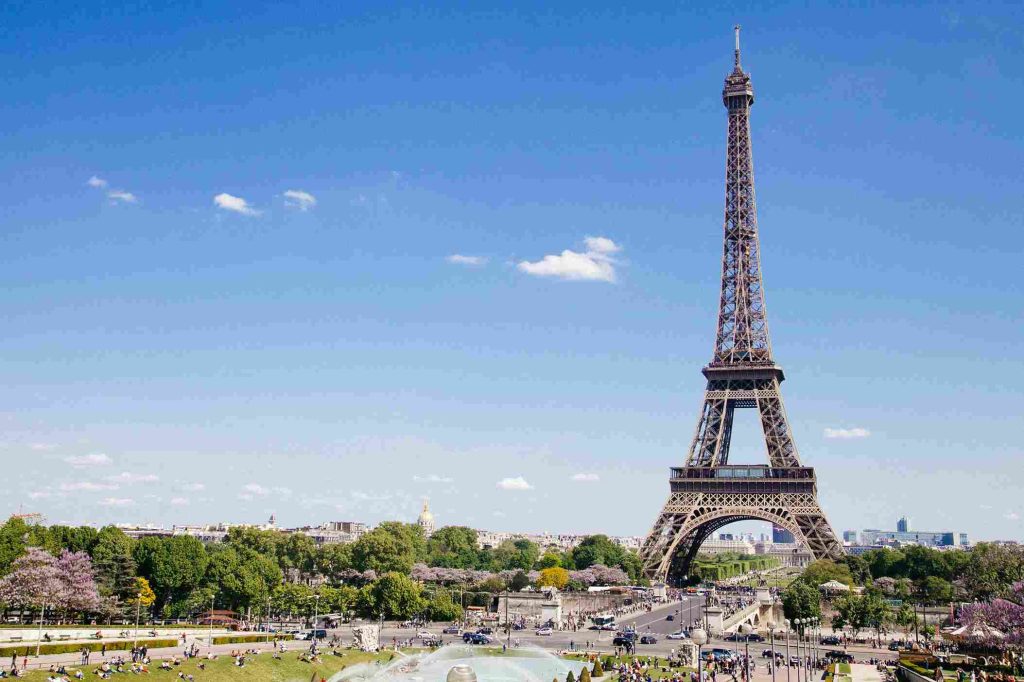
Europe dominates the list of world tourist attractions with four heavy hitters. The Eiffel Tower, the Louvre, the Colosseum, and the British Museum together pull more than 30 million people annually. Fatima, our Lagos correspondent, visited all four in a single trip last spring. “I learned one thing fast,” she says. “You cannot see them like a normal tourist.
You need a queue strategy. “The Eiffel Tower’s three levels each have different wait times. The Louvre’s Mona Lisa room is a controlled stampede. The Colosseum’s underground tours sell out weeks in advance. And the British Museum’s Rosetta Stone is behind glass but still attracts a permanent crowd. Below we break down which attraction fits your travel style.
Fatima’s honest take: “Skip the Eiffel Tower summit on sunny weekends.” The line for the top elevator takes 90 minutes on average. Instead, book a dinner at the first-floor restaurant. You get a dedicated elevator and still see the view. It costs more, but your time is worth it.”
Best for
- History lovers: Colosseum (Rome) – book the “Underground and Panorama” tour via the official CoopCulture website.
- Art enthusiasts: Louvre (Paris) – arrive at 9:00 AM through the Porte des Lions entrance, not the pyramid.
- Architecture fans: Eiffel Tower—visit at twilight from the Trocadéro esplanade for the hourly sparkle show.
- Budget travelers: British Museum (London)—free entry; pay only for special exhibits like the Hieroglyphics workshop.
Worth considering
- Alternate view: Montparnasse Tower instead of Eiffel Tower—shorter lines and you get the Eiffel in your photo.
- Less crowded museum: Orsay Museum (Paris) – impressionist masterpieces with half the queues.
- Free Roman ruin: Trajan’s Market – near the Colosseum but rarely busy.
For hotels near any European attraction, Booking.com consistently shows the best filter options for “quiet room” and “close to metro.” “We use it for all our team trips to Rome and Paris.
What are the most visited world tourist attractions in Asia?
Asia holds three of the top five positions. The Forbidden City in Beijing leads globally with 16 million annual visitors. The Great Wall follows close behind, though its 10.7 million visitors spread across multiple sections. The Taj Mahal in Agra draws 7 million people who wake up before dawn to see the white marble change color. Chidi from our Abuja team walked the Great Wall at Mutianyu, a less crowded section than Badaling.
“I saw maybe 200 people over four hours,” he says. “But my friend who went to Badaling on the same day counted thousands.” The difference is knowing which gate to use. Similarly, the Forbidden City now caps daily tickets at 80,000, and they sell out on weekends. The Taj Mahal has three different ticket types: the standard 50 rupee ticket (for locals), the 1100 rupee foreigner ticket, and a 200 rupee “night viewing” ticket available five nights per month around the full moon.
Chidi’s honest take: “For the Taj Mahal, do not pay a tout who promises ‘VIP fast track.’ The real fast track is buying the ‘Palace on Wheels’ combo ticket online from the official Archaeological Survey of India website. It includes entry to the main mausoleum and the surrounding gardens. Costs 1300 rupees and saves you 45 minutes of queuing.”
Best for
- Photographers: Taj Mahal – book the sunrise slot (6:00 AM to 7:30 AM) through the official website.
- History buffs: Forbidden City – hire an audio guide; the signs in English are minimal. Official guide service costs 40 CNY.
- Hikers: Great Wall at Jinshanling – a 10-kilometer unrestored section with watchtowers. No cable cars, just walking.
Worth considering
- Alternate to Forbidden City: Summer Palace in Beijing – 4 million fewer visitors, still imperial.
- Alternate to Taj Mahal: Agra Fort – directly across the river, no crowds, and a killer view of the Taj at sunset.
- Wall section for families: Mutianyu has a cable car and a toboggan slide down. Kids love it.
For Asian hotel deals, Agoda often beats other platforms. We booked our Agra stay through Agoda and paid 40% less than the rates on western sites.
Which world tourist attractions in the Americas and Oceania should you prioritize?
The Americas and Oceania contribute three iconic world tourist attractions: the Statue of Liberty (4.5 million visitors), Machu Picchu (1.5 million but strictly limited), and the Sydney Opera House (10.9 million). The Opera House’s visitor count is deceptive. Most people simply walk around the outside and take photos. Only about 10% actually go inside for a tour or performance.
The Statue of Liberty’s crown has been reopened after a multi-year renovation, but only 240 people per day can climb it. Machu Picchu remains the hardest to access. Fatima visited early this year and had to book her Inca Rail tickets and entry permit five months in advance. “I saw people crying at the gate because they only bought a train ticket but no entry pass,” she recalls. “The Peruvian government strictly enforces the 2,500 daily visitor cap. No exceptions.”
Fatima’s honest take: “For Machu Picchu, book Circuit 2 (the classic postcard view) but start at 6:00 AM. The site fills up by 9:00 AM. Also, do not take the bus from Aguas Calientes if you are fit. Walk up the 1,700 stairs. It takes 90 minutes, but you arrive with no queue at the checkpoint.”
Best for
- Adventure travelers: Machu Picchu via the Salkantay Trek (5 days). Book through GetYourGuide for vetted operators.
- Family trips: Statue of Liberty – take the ferry to Liberty Island and skip the crown climb. The pedestal view is almost the same without stairs.
- Culture and shows: Sydney Opera House – check the “Under the Dome” behind-the-scenes tour. Costs 45 AUD and includes the concert halls.
Worth considering
- Statue alternative: Ellis Island Immigration Museum – same ferry ticket, far fewer people.
- Machu Picchu alternative: Choquequirao – the “sister” Inca site, only 200 visitors per week.
- Opera House alternative: Harbour Bridge climb – gives you the view over the Opera House instead of from it.
For package deals that combine flights and hotels to New York or Sydney, Expedia offers solid bundle discounts. We used them for our Statue of Liberty trip and saved 150 USD.
How to skip the lines at the world’s busiest attractions?
Queues are the number one complaint about world tourist attractions. But you can beat them with three specific strategies that we have tested at every site on this list.
1. Buy official skip-the-line tickets only from the source
Third-party resellers like Viator or Tiqets often add a service fee. The official Louvre ticket portal (ticketlouvre.fr) sells time-stamped entry slots at face value. Same for the Colosseum (coopculture.it). For the Eiffel Tower, use toureiffel. paris – tickets are released exactly 60 days in advance at 9:00 AM Paris time. Set an alarm.
2. Visit during “golden” hours—either opening or last entry
Data from the United Nations World Tourism Organization shows that 70% of visitors arrive between 10:00 AM and 2:00 PM. The Forbidden City opens at 8:30 AM. Be at the Meridian Gate at 8:15 AM. You will have 45 minutes of low-density exploration. Similarly, the Taj Mahal’s last entry is 45 minutes before sunset. The crowds thin out dramatically after 4:00 PM.
3. Use the “side door” trick at museums
The Louvre has 7 entrances. The main pyramid sees 80% of the foot traffic. The Porte des Lions entrance (near the Seine) is open until 5:00 PM and almost never has a line. The British Museum has a side entrance on Montague Street that most tourists miss. The Colosseum’s individual ticket line is separate from group tours; look for the sign “Biglietteria Individuale.”
For accommodation near these attractions, check Hotels.com—their loyalty program gives one free night for every ten booked. We have used that credit for multiple trips to Rome.
What common mistakes ruin a visit to top world tourist attractions?
We have made every error possible so you do not have to. Here are seven specific mistakes to avoid, backed by our team’s experiences and official site data.
- Buying same-day tickets at the window. The Eiffel Tower sells out of elevator tickets by 11:00 AM. Always book online at least two weeks in advance. Check the official site for real-time availability.
- Bringing a full-size backpack. The Colosseum and the Forbidden City have mandatory bag checks. Large backpacks mean longer waits and possible refusal. Use a small crossbody bag.
- Visiting Machu Picchu without altitude preparation. Cusco sits at 3,400 meters. Spend two full days there before the Inca Rail journey. Drink coca tea and avoid heavy meals. Altitude sickness forced one WakaAbuja team member to skip the site entirely.
- Showing up at the Taj Mahal on Friday. The Taj is closed to tourists every Friday. Only local worshippers enter the mosque. This is clearly stated on the official ASI website, yet we still see disappointed travelers every week.
- Using a tour bus for the Great Wall. Most buses stop only at Badaling, the most crowded section. Instead, take the high-speed train from Beijing North Station to Yanqing Station, then a taxi to Mutianyu. Costs 15 USD total versus 50 USD for the bus, and you save two hours of traffic.
- Forgetting to charge your phone. All these attractions use digital tickets or QR codes. The Statue of Liberty’s ferry requires a barcode scan. Low battery means you miss the boat. Bring a power bank.
- Skipping travel insurance. We cannot stress this enough. A sudden closure, a lost passport, or a medical issue at Machu Picchu can cost thousands. Use Kayak to compare insurance plans before booking any trip.
For vacation rentals near quieter parts of these cities, Vrbo has better options for families than hotels. We rented a three-bedroom house near the Great Wall’s Simatai section for 80 USD per night.
Frequently asked questions
What is the single most visited world tourist attraction?
The Forbidden City in Beijing, China, holds the top spot with 16 million annual visitors as of this year. It was the Chinese imperial palace for nearly 500 years and now houses the Palace Museum. Daily entry is capped at 80,000 tickets, and weekend slots sell out within hours.
How many of these attractions are wheelchair accessible?
The Eiffel Tower, the Louvre, the Colosseum (ground level only), the British Museum, the Statue of Liberty (pedestal and museum level), and the Sydney Opera House all have full wheelchair access. The Great Wall has wheelchair-friendly sections at Badaling with a cable car. Machu Picchu and the Forbidden City have limited accessibility due to uneven stone paths.
Are there free entry days for these world tourist attractions?
The British Museum is always free. The Louvre offers free entry on the first Saturday of each month after 6:00 PM for all visitors. The Colosseum is free on the first Sunday of every month, but expect massive crowds. The Forbidden City has no free days. The Taj Mahal does not offer free entry, but children under 15 enter at a discounted rate of 10 rupees.
Which attraction is most expensive to enter?
The Statue of Liberty crown climb costs 24 USD including ferry access. Machu Picchu charges 152 PEN (about 40 USD) for the standard entry plus 30 USD for the train from Cusco. However, the Eiffel Tower summit elevator ticket is 29.40 EUR (roughly 32 USD), making it the most expensive single ticket on this list. Always check the official website for current prices, as they change yearly.
Can I visit the Great Wall and the Forbidden City in one day?
Technically yes, but we strongly advise against it. The Forbidden City requires at least three hours to see the main halls. The Great Wall is 70 kilometers away, and traffic in Beijing can turn a 90-minute drive into three hours. Instead, spend one full day at the Forbidden City and the nearby Temple of Heaven, then dedicate a separate day to the Wall.
Which attraction has the longest average waiting time?
The Eiffel Tower holds the record. During peak summer months, the wait for the summit elevator can exceed two and a half hours. The Louvre’s queue for the Mona Lisa room averages 50 minutes even with a timed entry ticket. Machu Picchu’s entry line is surprisingly short (15 minutes) because of the strict daily cap.
Are guided tours worth the extra cost?
For the Colosseum underground tour and the Taj Mahal sunrise tour, yes. Both offer access to restricted areas and skip main queues. For the Great Wall, skip the guided tours; they rush you through and stop at souvenir shops. Use the official audio guides at the Forbidden City and the British Museum instead. Prices range from 5 to 10 USD and give you control over your pace.
Plan your trip: booking platforms we trust
The WakaAbuja team has personally used every platform below for our travels to these world tourist attractions. We prioritize sites with transparent cancellation policies, real user reviews, and competitive pricing. Always double-check official attraction websites for ticket rules before finalizing any booking.