
advertisement
The best countries for city breaks combine walkable historic cores, reliable public transit, diverse accommodation, and high safety.
Japan, Italy, Spain, France, the United Kingdom, Germany, the Netherlands, Portugal, Thailand, and the United States consistently rank highest for urban exploration as of this year.
Last spring, Fatima from our Lagos team landed in Rome at 7 a.m. with a single carry-on and a three-day itinerary. She walked 18 miles across two days, ate pasta at a trattoria near the Pantheon, and never once felt unsafe.
That trip became our internal benchmark for what a perfect city break should feel like: efficient, rich, and surprisingly affordable if you know where to look.
Jump to: Italy | Japan | Spain | France | United Kingdom | Germany | Netherlands | Portugal | Thailand | United States | Practical Tips | FAQ
Key takeaways
- Japan leads for public transport efficiency and safety; a single Tokyo Metro day pass costs less than 5 USD.
- Italy has the most UNESCO World Heritage sites inside city centers, perfect for walkable history.
- Spain offers the best value for tapas culture and late-night energy; Barcelona’s average hostel bed is 25 USD as of early this year.
- France requires advance booking for major attractions like the Louvre and Eiffel Tower, often two months out.
- The United Kingdom’s city breaks shine with free museums; London’s British Museum and National Gallery cost zero entry.
- Portugal is the most affordable Western European option for city breaks, with Lisbon hostel dorms from 18 USD.
- Thailand delivers the cheapest street food and massages; Bangkok’s Sukhumvit area has meals for 1.50 USD.
Why is Italy one of the best countries for city breaks?
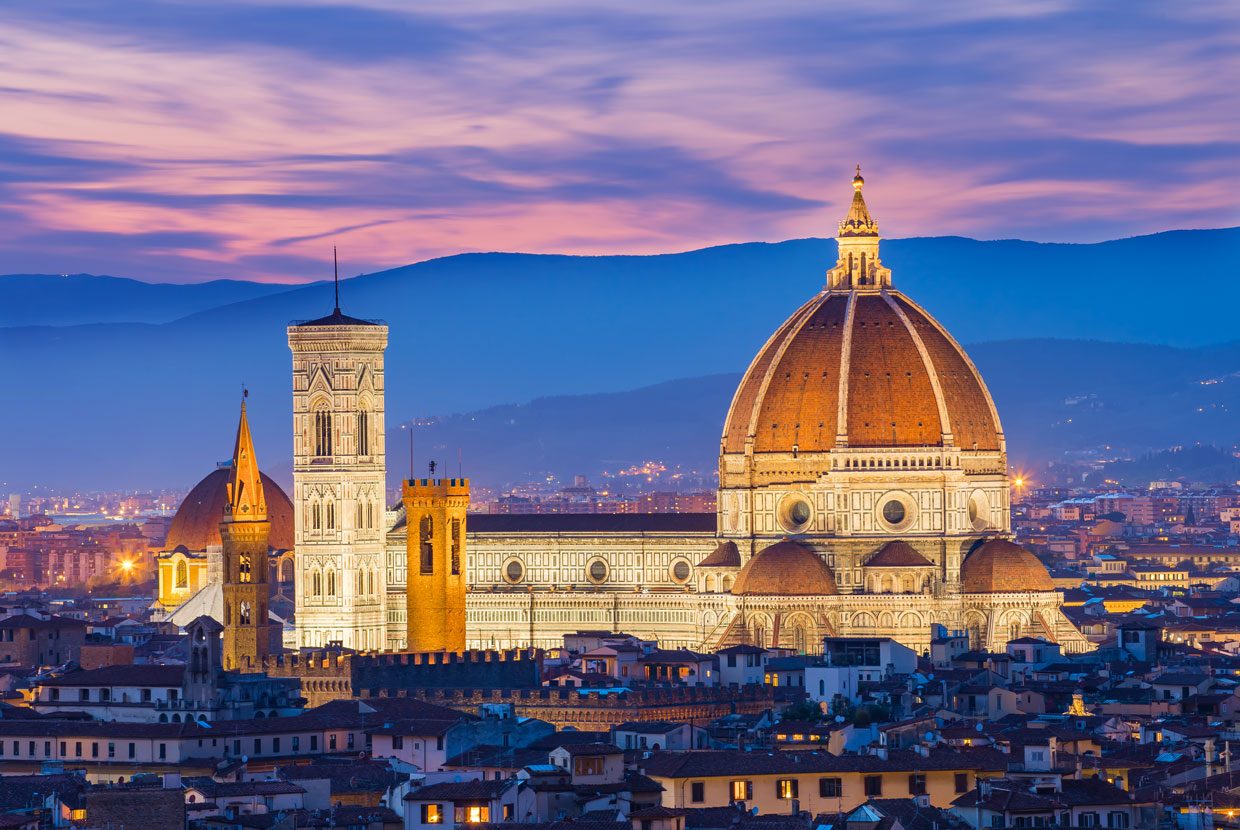
Italy packs more art, ruins, and pasta per square kilometer than almost anywhere else. I spent three days in Florence last year and never touched a bus. Everything from the Duomo to the Uffizi Gallery is within a 20-minute walk.
Rome’s historic center is equally compact, though you will want comfortable shoes. The country introduced an anti-overtourism rule in Venice that requires day-trippers to book slots for peak weekends, so plan ahead.
Aside from our Abuja team’s honest take: “Skip the gondola in Venice if you are on a budget. Take the traghetto ferry for 2 euros instead. Locals use it to cross the Grand Canal, and you get the same water view without the 80-euro price tag.”
Best for
- History lovers: The Colosseum and Roman Forum need at least four hours together.
- Food tourists: Bologna’s quadrangle of the tasty is a free self-guided tour of delis.
- Walkability: Florence’s historic center is a UNESCO site and entirely car-free in many zones.
Worth considering
- Milan: More fashion and finance than romance, but the Duomo rooftop is spectacular.
- Naples: Gritty but authentic pizza and easy access to Pompeii via the Circumvesuviana train.
What makes Japan a top choice for the best countries for city breaks?

Japan’s cities run like clockwork. Trains arrive on the second, convenience stores sell restaurant-quality meals, and the crime rate is incredibly low. Chidi from Abuja landed in Tokyo during cherry blossom season and navigated from Narita Airport to Shinjuku in under 90 minutes using only the N’EX train.
The Japan Rail Pass increased in price late last year, but regional passes still offer value. For a pure city break, focus on Tokyo, Osaka, and Kyoto.
Chidi’s honest take: “Do not buy the full national JR Pass unless you are taking multiple shinkansen rides. I saved 40% by using a Tokyo Metro pass plus a single Shinkansen ticket to Kyoto. Check official JR websites for current pricing because it changes often.”
Best for
- Safety: Japan’s theft rate is among the lowest globally, according to the UNODC statistics.
- Public transit: Tokyo’s subway moves 8 million people daily with near-zero delays.
- Cleanliness: Streets feel spotless even in Shibuya at midnight.
Worth considering
- Yokohama: A 20-minute train from Tokyo with a beautiful waterfront and the Cup Noodles Museum.
- Hiroshima: The Peace Memorial Park is sobering but essential, reachable via shinkansen from Osaka.
How does Spain rank among the best countries for city breaks?
;img.crop(width:1080%2Cheight:608) "10 Best Countries for City Breaks 3")
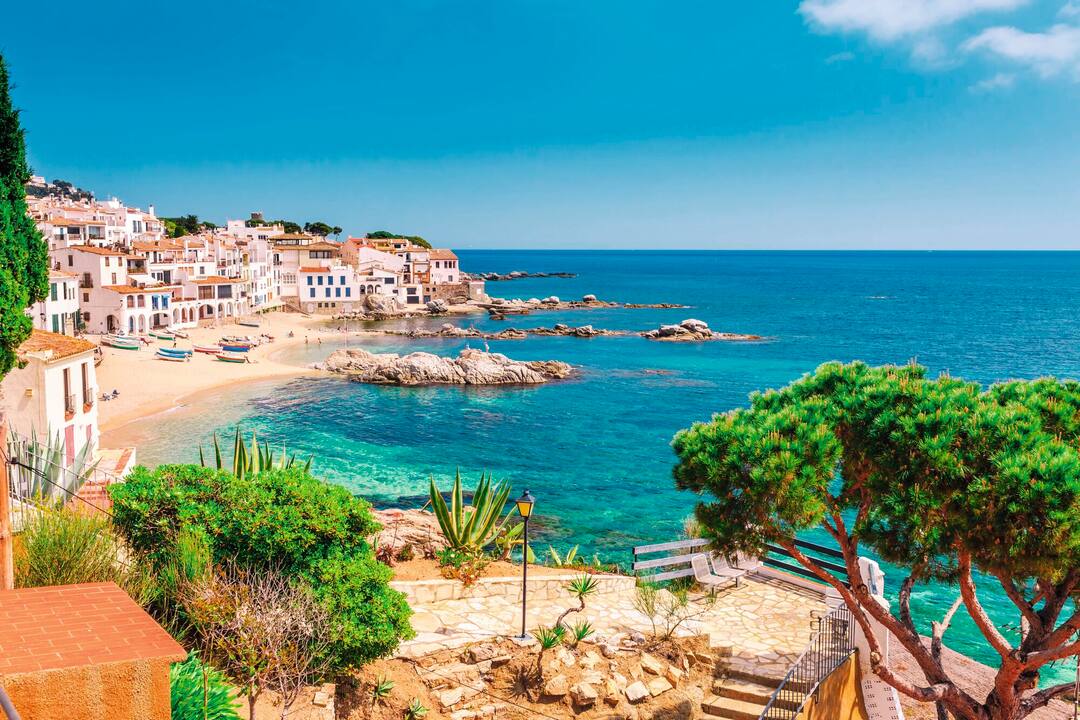
Spain lives for late nights, cheap wine, and architectural wonders. Barcelona offers Gaudí’s masterpieces like the Sagrada Família and Park Güell. Madrid counters with world-class art museums like the Prado and Reina Sofía. The country’s tapas culture means you can eat well for under 15 USD per day.
As of early this year, Spain requires tourists to provide personal data when booking hotels or rental cars, a new rule to combat short-term rental fraud.
Fatima’s honest take: “In Seville, you can walk from the Alcázar to the Metropol Parasol in 15 minutes. The real magic is the rooftop bars at sunset. Order a tinto de verano instead of sangria; it is cheaper and locals actually drink it.”
Best for
- Nightlife: Madrid’s bars stay open until 6 a.m. on weekends.
- Architecture: Barcelona has nine UNESCO-listed works by Gaudí alone.
- Value: Granada gives free tapas with every drink order, a city law.
Worth considering
- Valencia: The City of Arts and Sciences is stunning, and the beach is a 10-minute bus ride.
- Bilbao: The Guggenheim Museum alone justifies the trip, and pintxos are better than tapas here.
Is France still one of the best countries for city breaks despite high costs?

Yes, but you need a strategy. Paris remains the most visited city on earth, with over 30 million tourists annually pre-pandemic. The secret is avoiding summer months and booking timed entry slots for the Louvre and Eiffel Tower at least two months in advance.
I used the Paris Visite travel card for unlimited metro rides and saved roughly 15 euros per day compared to single tickets. For a quieter French city break, try Lyon or Bordeaux. Both have excellent food scenes and fewer crowds.
Nneka from our Abuja team’s honest take: “The Museum Pass is worth it if you visit more than three attractions.” I did the Orsay, Sainte-Chapelle, and the Conciergerie in one day and saved 22 euros. But skip the pass if you only want the Louvre.”
Best for
- Museum lovers: The Louvre alone needs three days to see properly.
- Food markets: Rue Mouffetard market street offers affordable cheese and bread.
- River walks: The Seine banks are a UNESCO World Heritage site, free to stroll on.
Worth considering
- Strasbourg: Christmas markets are legendary, but the canals are beautiful year-round.
- Nice: The Promenade des Anglais and easy day trips to Monaco or Èze.
Why does the United Kingdom remain a top pick for best countries for city breaks?

Free museums, a language advantage, and nonstop flights from almost everywhere. London’s British Museum, National Gallery, and Natural History Museum charge zero entry. The city also has the Tube, which is the oldest underground network in the world but still the fastest way to move across zones.
Outside London, Edinburgh offers a medieval old town and a volcanic rock castle. Manchester and Liverpool deliver music history and cheaper pints. The UK’s train system is expensive if booked last minute, so use Trainline or National Rail for advance fares.
Chidi’s honest take: “Do not buy an Oyster card at the machine. Use a contactless credit card or your phone’s payment system. The Tube daily cap is about 8.10 GBP in zones 1-2, and the system automatically stops charging you once you hit that limit.”
Best for
- Theater: London’s West End has same-day lottery tickets for as low as 15 GBP.
- Markets: Borough Market (food) and Portobello Road (antiques) are free to browse.
- Parks: Hyde Park, Regent’s Park, and Richmond Park offer free green space.
Worth considering
- Bath: A Roman spa city less than 90 minutes from London by train.
- Bristol: Street art from Banksy and a vibrant independent food scene.
What makes Germany one of the best countries for city breaks in Europe?

Germany delivers efficiency, history, and surprisingly affordable cities. Berlin is the obvious star: three days barely scratches the surface of its art galleries, Cold War sites, and techno clubs.
Munich offers beer halls and the Englischer Garten, where you can surf on a river wave. The country introduced the Deutschlandticket in early this year, a 49-euro monthly pass for all regional trains and public transit nationwide. That is a game changer for hopping between cities like Hamburg, Cologne, and Dresden.
Ade’s honest take: “In Berlin, the East Side Gallery is free. It is the longest remaining section of the Berlin Wall, covered in murals. Do not pay for a guided wall tour unless you want deeper historical context. The outdoor gallery tells enough by itself.”
Best for
- History: The Reichstag dome offers free entry, but you must register online weeks in advance.
- Public transit: U-Bahn, S-Bahn, trams, and buses connect everything.
- Budget travel: Hostels in Berlin average 15 to 25 euros per night.
Worth considering
- Leipzig: Affordable, artsy, and a 75-minute train from Berlin.
- Düsseldorf: Japanese food and fashion, a unique contrast to traditional German cities.
How does the Netherlands compare as one of the best countries for city breaks?

The Netherlands is small, flat, and incredibly bike-friendly. Amsterdam draws the most visitors, but Utrecht, Rotterdam, and The Hague offer lower prices and fewer crowds. The country’s rail network connects any two cities in less than two hours. I took a day trip from Amsterdam to Rotterdam for 16 euros round trip and saw the Cube Houses and Markthal market.
The Dutch Museum Card gives access to 400 museums nationwide, including the Rijksmuseum and Van Gogh Museum, but you need to buy it at a participating museum.
Fatima’s honest take: “Rent a bike in Amsterdam but do not ride in the main square if you are not confident. The tram tracks can catch your wheels. Instead, walk to the Jordaan neighborhood or take a free ferry behind Centraal Station to Noord for a local vibe.”
Best for
- Canals: Amsterdam’s canal ring is a UNESCO site, best seen by foot or rented boat.
- Museums: The Rijksmuseum has Rembrandt’s “Night Watch,” and the Van Gogh Museum holds the largest collection of his works.
- Day trips: Haarlem is 15 minutes from Amsterdam by train and has a stunning old town.
Worth considering
- Rotterdam: Modern architecture and the Markthal food hall are impressive.
- Utrecht: The Dom Tower and wharf cafes are less crowded than Amsterdam’s equivalent.
Is Portugal underrated among the best countries for city breaks?
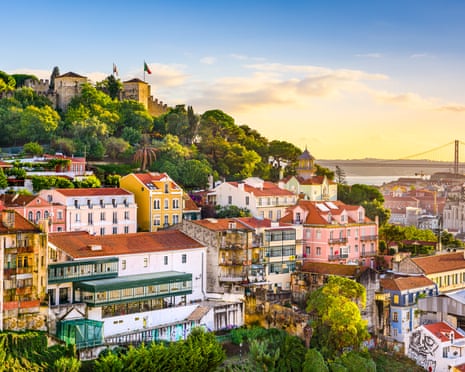
Yes, and that makes it a steal. Lisbon and Porto offer Atlantic charm, hillside views, and the cheapest pastéis de nata you will find. A sit-down dinner in Lisbon’s Almirante Reis area costs around 10 euros, including wine. Public transport is also cheap: a single metro ticket is 1.50 euros.
The country introduced a digital nomad visa late last year, which has brought more remote workers but hasn’t raised prices yet. For a pure city break, spend three days in Lisbon with a day trip to Sintra, then two days in Porto.
Nneka’s honest take: “In Porto, skip the standard port wine tasting at the riverfront lodges. Walk across the Dom Luís Bridge to Vila Nova de Gaia and taste at a smaller cellar like Cálem. Same quality, better price, and the view back to Porto is incredible at sunset.”
Best for
- Budget: Lisbon hostels average 18 USD per night, and a beer costs 2 USD.
- Weather: Over 300 sunny days per year, making winter city breaks pleasant.
- Views: Miradouro de São Pedro de Alcântara offers a free panorama of Lisbon.
Worth considering
- Coimbra: A university town with a historic library and affordable student prices.
- Braga: Known for religious sites and the Bom Jesus do Monte staircase.
Why is Thailand a top contender for the best countries for city breaks in Asia?

Thailand blends chaos and charm in the best way. Bangkok is the entry point: street food stalls, megamalls, temples, and the Chao Phraya river. A meal of pad thai from a street cart costs 40 to 60 baht (roughly 1.50 USD).
Massages start at 150 baht per hour. The BTS Skytrain and MRT subway make navigating the city easy, though traffic can be terrible. Chiang Mai in the north is slower, cheaper, and surrounded by mountains. The country’s tourist police hotline (1155) is responsive, adding a layer of trust for first-time visitors.
Chidi’s honest take: “Do not take a tuk-tuk in Bangkok unless you agree on the price first and show the driver your phone with the amount.” Better yet, use the Grab app like Uber. It is usually cheaper and you do not have to haggle.”
Best for
- Street food: Yaowarat (Chinatown) has dozens of stalls open until 2 a.m.
- Temples: Wat Pho (Reclining Buddha) and Wat Arun are must-sees.
- Night markets: Rot Fai Train Market offers vintage goods and live music.
Worth considering
- Chiang Rai: The White Temple (Wat Rong Khun) is stunning, but it is a three-hour bus ride from Chiang Mai.
- Ayutthaya: An ancient capital with temple ruins, one hour by train from Bangkok.
Does the United States belong on the best countries for city breaks list?

Yes, but with caveats. American cities are less walkable than European or Asian ones, and public transit is inconsistent. However, New York City, Chicago, Boston, and San Francisco offer world-class attractions. NYC has 24 hour subways, Broadway shows, and the Metropolitan Museum of Art (pay what you wish for NY state residents, but visitors pay 30 USD).
Chicago’s architecture boat tour is worth the 40 USD. The US also has the most direct flights from Nigeria, making it accessible. You will need a valid ESTA or visa, and healthcare is expensive, so travel insurance is mandatory.
Fatima’s honest take: “In New York, do not eat in Times Square.” Walk 10 minutes to Hell’s Kitchen on 9th Avenue. You will find better pizza for half the price. Also, the Staten Island Ferry is free and gives you a great view of the Statue of Liberty without paying for a tour.”
Best for
- Diversity: NYC has neighborhoods representing over 200 nationalities.
- Museums: The Smithsonian in Washington DC is free and world-class.
- Live music: Nashville (country), New Orleans (jazz), and Austin (live music capital) excel.
Worth considering
- Boston: Walkable, historic (Freedom Trail), and home to top universities.
- Seattle: Coffee culture, the Space Needle, and nearby nature.
How to choose the right country for your city break budget and style
1. Match your budget to the destination
Bangkok and Lisbon are the cheapest on this list. A daily budget of 40 USD covers a hostel dorm, three street meals, two attraction entries, and local transport. Paris and Tokyo require 80 to 100 USD per day for similar comfort. Check Numbeo’s cost of living data for real-time comparisons, which aggregates user-reported prices.
2. Use flight comparison tools effectively
Kayak and Google Flights allow you to search “everywhere” to see the cheapest city break destinations from your home airport. For example, from Lagos, Lisbon often shows cheaper fares than London in early spring. Set price alerts three months before your intended travel dates.
3. Learn two public transportation phrases
Knowing “ticket” and “where is the metro?” in the local language saves time. In Japan, “eki wa doko desu ka” (where is the station) helps immensely. In France, “un billet” (a ticket) is sufficient. Most Europeans under 40 speak some English, but the effort is appreciated.
What common mistakes ruin a city break?
- Overpacking: Cobblestone streets and subway stairs are brutal with a large suitcase. Take a 40L backpack or a small roller.
- Not booking attraction tickets in advance: The Louvre, Sagrada Família, and Colosseum sell out days or weeks ahead. Use official websites, not third-party resellers.
- Eating directly on the main square: Restaurant prices drop 30% to 50% just two blocks away. Walk 100 meters from the landmark and save money.
- Ignoring local transport passes: Single tickets add up fast. Most cities offer 24, 48, or 72 hour unlimited passes. The Rome2rio website helps compare options.
- Forgetting to check public holiday calendars: In Germany, almost everything closes on Sundays. In Italy, August 15 (Ferragosto) shuts down many shops. Verify before booking flights.
- Relying only on Uber or taxis: You will miss the local rhythm. Take the metro, tram, or bus at least once. It is cheaper and faster during rush hour.
- Skipping travel insurance: A medical evacuation from Europe to Nigeria can exceed 30,000 USD. Squaremouth compares policies. Even a delayed flight refund can pay for the premium.
Frequently asked questions
Which of the best countries for city breaks is the cheapest overall?
Thailand is the cheapest overall. A daily budget of 35 to 45 USD covers a private room, three meals, local transport, and one paid attraction. Portugal is the cheapest in Western Europe at 50 to 60 USD per day. Check Booking.com for current hostel prices, but always verify with the property directly.
What is the best month for a city break in Europe?
May and September are ideal. Crowds thin out after Easter and before summer holidays, temperatures stay between 18 and 25 degrees Celsius, and flight prices drop by roughly 30% compared to July. Avoid August in southern Europe due to heat and local holiday closures.
How many days do you need for a proper city break?
Three to four days is the sweet spot. That gives you two full days for major attractions, one day for a local neighborhood or day trip, and half a day for a travel buffer. For megacities like London or Tokyo, five days allows a more relaxed pace without rushing.
Do I need a visa for a city break in Europe as a Nigerian passport holder?
Yes. Nigerian passport holders require a Schengen visa for any European Union country in this list except for the United Kingdom. You must apply at the embassy of your main destination at least four to six weeks before travel. As of early this year, the online ETIAS system for visa-free countries is delayed, so Schengen rules still apply. For the UK, you need a separate Standard Visitor Visa.
Which city break country is safest for solo female travelers?
Japan ranks highest for solo female safety, with low crime rates and women only train cars during peak hours. Iceland (not on our list due to limited city size) is also extremely safe. Among our top 10, the Netherlands, Germany, and Portugal have excellent safety records and well-lit public transport at night.
Should I book flights and hotels separately or as packages?
Packages through Expedia or similar often save 10% to 20%, but separate bookings give you more flexibility for changes. For a weekend city break, the package is fine. For longer trips or if you have airline miles, book separately. Always check cancellation policies on Hotels.com or directly with the hotel.
What is the best way to get from the airport to the city center?
Train or metro is almost always cheaper and faster than taxis. For example, the Barcelona Metro from El Prat Airport to the city center costs 5.15 euros versus a 35 euro taxi. Rome’s Leonardo Express train to Termini station is 14 euros. Use TripAdvisor forums to verify current airport transport options, as shuttle routes change.
Can I use my Nigerian debit card for purchases abroad?
Yes, but inform your bank before traveling to avoid blocks. Visa and Mastercard are widely accepted in all ten countries. However, always carry some local cash for markets, small eateries, or metro tickets. American Express has lower acceptance, especially in Portugal and Thailand. Withdraw cash from in-network ATMs at actual banks, not standalone currency exchange kiosks.
Plan your trip: booking platforms we trust
The WakaAbuja team has tested these platforms across dozens of city breaks. We prioritize sites with transparent fees, reliable customer support, and flexible cancellation policies. Always double-check prices on the hotel or airline’s official website before finalizing. The links below are for your convenience; we may earn a small commission at no extra cost to you.