Travel to Thessaloniki: All You Must Know Before You Go
Travel to Thessaloniki delivers a walkable seaside city where Byzantine walls meet a fierce food scene and cafe culture that runs late into the night.
Expect lower costs than Athens, far fewer tourists, and a young, creative energy that makes it one of Greece’s most underrated city breaks.
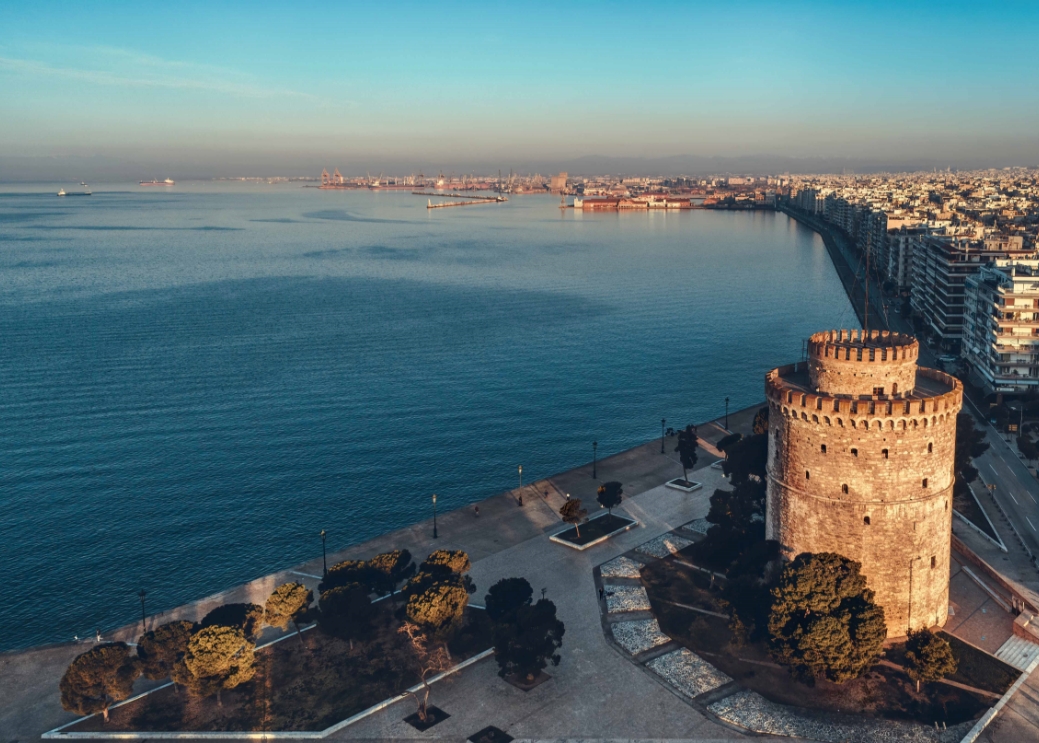
I landed in Thessaloniki for the first time last May on an overnight bus from Athens. By noon the next day, after a bougatsa and a freddo cappuccino by the White Tower, Fatima, our Lagos correspondent who joined me, said what I was thinking: this city feels like it was made for long walks and spontaneous meze stops.
The truth is, Thessaloniki doesn’t shout for attention the way Santorini does. It rewards travelers who show up hungry, curious, and willing to get lost in Ano Poli’s tangled lanes.
Jump to: What It’s Known For | Cheapest Time to Visit | Where to Stay | How to Get There | Getting Around | Things to See & Do | Costs & Budgets | Money-Saving Tips | Safety & Emergency Contacts | Weather & Packing | Day Trips & Tours | Itineraries & Length of Stay | Pros & Cons | Family-Friendly Guide | FAQ
Key takeaways
- Thessaloniki is Greece’s food capital, known for bougatsa, souvlaki, and a UNESCO-listed Byzantine gastronomy scene.
- Cheapest months to travel to Thessaloniki are November and February when flights and four-star hotels drop well below summer highs.
- Staying in the Ladadika or Ano Poli neighborhoods puts you inside the city’s walkable historic core with easy access to the waterfront.
- You can explore all major sights on foot, but a 24-hour bus pass for €2 covers any fatigue and reaches the upper town.
- A mid-range daily budget of €70-90 per person covers comfortable accommodation, meals, and museum entries.
- Thessaloniki is statistically safer than most European cities its size, though pickpocket vigilance applies on buses to and from the airport.
- Combine a 3-day city stay with a day trip to Vergina or the beaches of Halkidiki for the perfect blend of culture and coast.
What Is Thessaloniki Known For?
Thessaloniki is known for its uninterrupted 2,300-year history, layered Byzantine churches, and a culinary identity that locals defend as fiercely as any political opinion. It’s a university city where more than 150,000 students keep the nightlife and cafe scene humming year-round.
Most visitors recognize the White Tower and Aristotelous Square, but the real soul sits in the Kapani and Modiano food markets, where third-generation spice merchants sell boukovo pepper flakes and barrel-aged feta.
Unlike the Cyclades, Thessaloniki doesn’t rely on postcard views. It leans into texture: Ottoman-era hammams repurposed as flower shops, Roman ruins sprouting inside shopping malls, and a waterfront rebuilt after the 1917 fire that erased much of the old city. The UNESCO-listed Paleochristian and Byzantine monuments, including the Rotunda and the Church of Agios Dimitrios, are world-class yet rarely crowded.
@greggioro Days 320 & 321 of 365: With a spacious esplanade offering sprawling views of the Aegean Sea, Thessaloniki and its waterfront downtown feels serene. It has a “manageable” quality that I like about many second cities, such as Sweden’s Göteborg and Portugal’s Porto. It doesn’t overwhelm, but at the same time, it’s not shallow: there’s a lot to explore beneath the surface. I could have easily spent more time here. Compared to other corners of Greece, Thessaloniki feels a bit less “on brand.” In place of the Hellenic blues and whites typically associated with Greece and its islands, you’re more likely to see Byzantine bricks of vermillion and ochre. But again, you have to scratch past the surface. Look out across the water, and you’ll find Mount Olympus—Home of the Gods—looming in the distance. . . . #thessaloniki #greece #VisitThessaloniki #visitgreece #europe
Fatima’s honest take: “People kept telling me to visit for the food, but what stayed with me was the rhythm. Mornings at a kafeneio with old men playing backgammon, afternoons napping through the heat like a local, and dinners that don’t start until 10pm. The city teaches you to slow down.”
When Is the Cheapest Time to Travel to Thessaloniki?
The cheapest months to travel to Thessaloniki are November and February. During these true off-season windows, round-trip flights from major European hubs can dip below €70, and four-star hotels in the city center routinely list under €65 per night. Tourist crowds vanish, and restaurant prices feel even more reasonable because many tavernas run winter specials targeting locals. The trade-off is shorter daylight hours and a higher chance of rain.
Late January through early March is also excellent for budget travelers who don’t mind a coat. I booked a boutique hotel near the Roman Agora in February for €52 per night that would have cost triple in June. Museum entry fees are reduced in winter, and the indoor food markets still buzz daily.
Just check whether smaller family-run tavernas close for a few weeks in mid-January; many owners take holidays after the Christmas rush. Always verify current prices on Kayak or Booking.com, as seasonal promotions shift each year.
Where Should You Stay in Thessaloniki? Best Accommodation Options
Thessaloniki’s compact center means almost any neighborhood inside the historic ring puts you within a 15-minute walk of the waterfront. Choosing where to stay comes down to whether you want doorstep nightlife, quiet Byzantine lanes, or a seaside breeze.
I have split my stays between Ladadika’s converted warehouses and Ano Poli’s Ottoman-era guesthouses, and each suited a different trip rhythm.
Best for first-timers: Ladadika
- Cobbled streets packed with meze bars and live music spots.
- Walking distance to the White Tower and Aristotelous Square.
- Boutique hotels in restored 19th-century merchant buildings.
Best for atmosphere: Ano Poli (Upper Town)
- Ottoman-era houses converted to small guesthouses with sea views.
- Quiet, steep lanes and the city’s best sunset from the Trigonion Tower.
- Traditional kafeneia where Greek coffee costs under €2.
Best for families: Nea Paralia waterfront
- Modern apartments with sea-facing balconies and easy parking.
- Direct access to the 5km seaside promenade and playgrounds.
- Quieter evenings, yet a 20-minute stroll to the center.
Worth considering: Valaoritou
- Gritty-chic nightlife district, not for light sleepers.
- Affordable loft-style stays in converted industrial spaces.
- Excellent street art and pop-up bars.
For family villas with kitchens and multiple bedrooms, I check Vrbo first. If you’re chasing hotel loyalty nights, Hotels.com often stacks rewards with free cancellation options. The key is booking early for September, when the International Fair fills every bed in town.
How to Get to Thessaloniki: Travel Options
Thessaloniki Airport Makedonia (SKG) is the main gateway, located about 15 km south of the city. Budget airlines from all over Europe land here, with Ryanair, easyJet, and Wizz Air operating seasonal routes that can push fares below €40 one-way from cities like London, Berlin, or Milan.
From the airport, the 24-hour bus 01X takes you to the city center in roughly 40 minutes for €2. A taxi costs a fixed €20-22 to the center as of this year, but always confirm the rate before getting in.
If you are already in Greece, the overland route can be more rewarding. KTEL intercity buses connect Thessaloniki to Athens in about 6.5 hours, with comfortable coaches and a midway stop at a roadside bakery worth the trip alone. Train services have been inconsistent in recent years due to infrastructure upgrades, so I check the latest schedule on the official Hellenic Train site before relying on rail.
Driving from Athens takes about 5 to 6 hours on the A1 motorway, with tolls costing around €30 one-way. Compare all flight options on Kayak and bundled packages on Expedia.
@tzatchickie How to take the bus 🚌 from Thessaloniki airport to the city center? Or to the KTEL station where long distance buses to all parts of Greece 🇬🇷. I explain it in this video! #thessaloniki #thessalonikigreece #thessalonikiairport #thessalonikibus #greecetraveltips #travelgreece #traveltips
How to Get Around Thessaloniki Once You Arrive
The city’s historic core is emphatically walkable. I logged over 20,000 steps a day without once feeling I needed wheels. For destinations like the upper town or the archaeological museum, the OASTH bus network fills the gaps. A single ticket costs €1 and is valid for 70 minutes.
A 24-hour unlimited pass is €2, which is the single best transport deal I have encountered in a European city. Tickets are sold at kiosks and must be validated onboard.
Taxis are plentiful and cheap by European standards. A ride within the center rarely exceeds €5. Use the Beat app (now Free Now) to hail and pay, avoiding any meter disputes.
The one route I never walk in August is up the steep lanes of Ano Poli after lunch; the bus 23 from Plateia Eleftherias saves your legs and delivers one of the city’s most scenic rides for the price of a single ticket. Thessaloniki is working on a metro line that has faced archaeological delays; check the official operator’s site for the latest opening date.
What Are the Must-See Museums, Outdoor Spaces, and Hidden Corners in Thessaloniki?
Thessaloniki’s museums punch well above their weight. The Archaeological Museum houses the stunning Derveni Krater and gold wreaths that rival anything in Athens, with an entrance fee of €8 in summer and half that in winter. The Museum of Byzantine Culture right next door is a quiet masterpiece explaining the city’s 1,000 years as the second capital of Byzantium.
For something contemporary, the MOMus museums (Modern, Contemporary, and Photography) sit inside the port warehouses and reflect the city’s young creative pulse.
Outdoor life revolves around the Thermaic Gulf waterfront. Start at the White Tower, walk west past the umbrellas sculpture and the Alexander the Great statue, and keep going until the path opens into the Nea Paralia gardens. The real magic, though, hides in the upper old town. The Trigonion Tower and the Eptapyrgion fortress deliver views from Mount Olympus across the gulf, and the surprise is how empty these historic sites are even in peak season.
Chidi, from our Abuja team, stumbled upon a Byzantine bath tucked behind a bus stop near Agios Dimitrios and spent an hour alone with 1,400-year-old walls. That is Thessaloniki: history without velvet ropes.
For art and theater, the Thessaloniki Concert Hall on the eastern seafront programs classical music, jazz, and cutting-edge performances in a building that feels like a spaceship landed by the water. The city’s film festival in November attracts serious cinephiles, while dozens of small gallery spaces around the port host opening nights most Thursdays.
Nightlife is not a single district but a moving organism: start with cocktails in Ladadika, drift to Valaoritou’s warehouse bars after midnight, and end at a bouzoukia live music venue if you want to see how Thessaloniki really lets loose. Finding the right bouzouki spot often requires a local recommendation; our article on Greek nightlife customs lays out the etiquette.
Hidden museums and galleries
- Folklife and Ethnological Museum of Macedonia-Thrace — a 1906 mansion packed with traditional costumes.
- Yeni Camii — a former mosque turned exhibition space with free entry.
- Teloglion Fine Arts Foundation — rotating shows on the Aristotle University campus.
Outdoor experiences worth the walk
- Seih Sou forest trails — an urban pine forest with mountain biking paths.
- Pasha’s Gardens — a whimsical semi-abandoned garden with peacocks near the upper walls.
- Sunset at the Trigonion Tower with a spanakopita from the nearby bakery.
What Are the Typical Costs and Suggested Budgets for Thessaloniki?
A solo traveler staying in a clean hostel dorm and eating at markets can manage on €40-50 per day. Couples in a mid-range boutique hotel with two taverna meals daily should budget €70-90 per person.
@tiffanytchen Finally made it to Greece 🙂 #greece #thessaloniki #solotravel
These numbers include museum entries and a couple of freddo cappuccinos, which Greeks treat as non-negotiable fuel. Luxury travelers can find five-star rooms for under €180 a night, a fraction of what Santorini or Mykonos charges.
Sample daily budget (mid-range couple)
- Boutique double room: €70-100
- Breakfast bougatsa and coffee for two: €10
- Lunch souvlaki pita: €3.50 each
- Taverna dinner with wine: €35-45
- Museum entry (two sites): €12
- Bus pass + taxi: €8
- Total: approx €130-175 for two
Quick cost benchmarks
- Freddo cappuccino: €3-4
- Glass of house wine: €4-5
- Gyros pita: €2.80-3.50
- City bus ticket: €1 (€2 for 24 hours)
- Airport bus 01X: €2
- Boat trip from the port: from €15
Prices remain noticeably lower than Athens for equivalent quality. For current hotel deals, I check Booking.com first, using its Genius loyalty tiers for additional discounts.
Restaurant prices are available on TripAdvisor but always cross-reference with recent Greek-language reviews for the most honest assessments.
How Can You Save Money While Traveling to Thessaloniki?
Food and drink savings
- Eat at the Modiano Market stalls: grilled octopus for under €8.
- Order “mezedes” sharing plates instead of full mains.
- Visit bakeries in the morning for fresh bougatsa at €2.
- Drink coffee standing at the bar for half the seated price.
Sightseeing and transport hacks
- Buy a combined ticket for archaeological sites (valid 3 days, under €15).
- Visit state museums on free admission days (every first Sunday from November to March).
- Use the €2 24-hour bus pass instead of taxis.
- Walk the Byzantine Walls at sunset for a free panoramic view.
Fatima saved €60 over four days by skipping sit-down breakfasts and eating at the central market instead. Many bakeries also sell savory pies for under €1.50, which makes a perfect on-the-go lunch.
The city’s free walking tours, while tip-based, are an excellent way to get oriented without spending a cent upfront; a €5-10 tip at the end feels fair. For pre-booked tours and skip-the-line options at better rates than walk-up prices, I browse GetYourGuide.
How Safe Is Thessaloniki and What Emergency Contacts Should You Know?
Thessaloniki is considered safe for solo travelers, families, and women walking alone at night in well-lit central areas. Violent crime against tourists is rare. The most common incident, as in any European city, is pickpocketing on crowded buses and around the airport bus stops. Keep valuables in front pockets and avoid dangling phones when boarding.
The upper town feels perfectly safe during the day, but some steep alleys are poorly lit after midnight; stick to the main roads or take a taxi. The student-heavy areas around Rotonta can get rowdy on weekend nights, but this is boisterous rather than threatening. Chidi recalls a night when a group of local students insisted on walking him back to his hotel after he looked lost at 2am, a small gesture that captures the city’s protective instinct toward visitors.
Emergency numbers: European emergency line 112 (works even without credit). Police: 100. Ambulance: 166. Fire: 199. Thessaloniki has two public hospitals: Ippokrateio and AHEPA University Hospital. Pharmacies display green crosses and rotate on-call night shifts; a list is posted on any pharmacy door after hours.
What Weather Should You Expect in Thessaloniki and What to Pack?
Thessaloniki has a Mediterranean climate with a continental edge. Summers (June to September) are hot and dry, with July and August routinely hitting 34-36°C and humidity that sticks to your skin. Pack light cotton, a wide hat, and sunscreen, but also carry a light scarf: many Byzantine churches ask women and men in shorts to cover up before entering.
@ego22900
Winters (December to February) are cold and damp, with temperatures dropping to 0°C at night and occasional snow dusting the Ano Poli rooftops. Layering is essential because the sunny afternoons can feel mild while the shaded streets bite. Autumn and spring are glorious and brief.
October and April deliver sunny days around 18-22°C, ideal for exploring the upper walls without breaking a sweat. Check the official Hellenic National Meteorological Service for up-to-date forecasts before packing.
What Are the Best Day Trips and Tours from Thessaloniki?
The surrounding region of Macedonia packs enough history and coastline to fill weeks. The royal tombs at Vergina, a UNESCO site where Philip II of Macedon was buried, are reachable in under an hour by car or organized tour. Standing inside the dimly lit tumulus with the golden larnax in front of you is a moment that competes with anything in Delphi.
The archaeological site of Dion, at the foot of Mount Olympus, combines ancient ruins with river walks and is often deserted midweek.
For beach lovers, the first fingers of Halkidiki beckon. The Kassandra peninsula’s organized beaches are a 90-minute bus ride from the KTEL station. It is not the secret, empty Halkidiki of travel brochures, but the water is clean and the tavernas grill fresh fish.
If you want a quieter swim, head east to the smaller coves around Epanomi, 30 minutes south of the city. I booked a small-group Vergina and Pella tour through GetYourGuide that included an archaeologist guide, and the context transformed the ruins.
Cultural day trips
- Vergina (Aigai) Royal Tombs—50 km; combine with Pella for a Macedonian history loop.
- Dion Archaeological Park — sacred city of the Macedonians, with a small museum.
- Mount Athos cruise — view the monastic republic from the sea (women cannot enter Athos, but boat tours sail the coast).
Nature and beach escapes
- Halkidiki Kassandra beaches — bus-accessible, lively in summer.
- Epanomi shipwreck beach — a rusting cargo ship grounded in the sand.
- Edessa waterfalls—an inland town with a park full of thundering cascades.
How Many Days Should You Spend in Thessaloniki? Sample Itineraries
Three full days is the sweet spot for first-time visitors. It lets you cover the Byzantine churches, two museums, the upper town, and at least one serious food crawl through the markets. With four or five days, you can add a day trip to Vergina or a beach afternoon without feeling rushed.
3-day essential itinerary
- Day 1: White Tower, waterfront walk, Archaeological Museum, Ladadika dinner.
- Day 2: Ano Poli and Trigonion Tower, Agios Dimitrios, Modiano Market lunch, and evening bouzoukia.
- Day 3: Rotunda and Arch of Galerius, Kapani Market, MOMus photography museum, sunset drinks.
5-day culture and coast plan
- Days 1-3: same as above, but slower, with more cafe breaks.
- Day 4: Day trip to Vergina and Pella, back for late dinner.
- Day 5: Morning at Epanomi beach, afternoon packing and final bougatsa.
The Pros and Cons of Traveling to Thessaloniki
Pros
- Outstanding food at prices well below Athens or the islands.
- Walkable historic core with layered Roman, Byzantine, and Ottoman sites.
- Authentic local nightlife not designed around tourists.
- Very safe and welcoming to solo female travelers.
- Excellent base for Macedonian archaeological sites.
Cons
- No classic Greek island beach in the city; nearest sand is 30+ minutes away.
- Some Byzantine churches keep unpredictable opening hours.
- Traffic and pavement conditions can frustrate wheelchair users in older streets.
- Summer heat can be oppressive for midday sightseeing.
Is Thessaloniki a Good Family-Friendly Destination?
Yes, and it surprises many parents who assume Greek cities equal chaotic traffic and late nights. The Nea Paralia promenade offers 5 km of car-free space with playgrounds, bike rentals, and even a small amusement park near the Concert Hall.
Children are welcomed warmly in tavernas, where the kitchen will usually prepare a simple pasta or grilled chicken even if it is not on the menu. The Archaeological Museum’s gold wreaths and ancient coins captivate school-age kids.
The one challenge is the lack of large green spaces in the historic center. However, the Seih Sou forest just above the city offers shaded trails and a small zoo that delights younger children. Fatima, traveling with her 7-year-old nephew, found the open-top tourist bus a handy way to cover ground without little legs tiring.
For longer stays, a family apartment in the Nea Paralia area with a kitchen makes all the difference; I find spacious options on Vrbo. The city’s slow morning rhythm means families can sightsee early, nap through the heat, and still enjoy a seaside dinner before the nightlife crowd appears.
Frequently asked questions
Is English widely spoken in Thessaloniki?
Yes, English is widely spoken among anyone under 40, in hotels, restaurants, and tourist sites. Older shopkeepers in the markets may speak only Greek, but pointing and smiling works perfectly. Learning “kalimera” (good morning) and “efharisto” (thank you) will earn appreciative smiles.
What currency is used in Thessaloniki?
Greece uses the euro. ATMs are abundant throughout the center, but use bank-affiliated machines to avoid high fees. Cards are accepted in almost all restaurants and shops, though some tiny kafeneia remain cash-only.
Do I need a visa to travel to Thessaloniki?
Greece is part of the Schengen Area. Citizens of the EU, US, UK, Canada, Australia, and many other countries can enter visa-free for up to 90 days. Always verify current entry requirements with the Greek Ministry of Foreign Affairs or your local embassy, as policies can change.
What is the best way to get from Thessaloniki Airport to the city center?
Bus 01X runs 24 hours a day from outside the arrivals terminal to the city center (Aristotelous Square and the train station) for €2. The journey takes about 40 minutes. A taxi costs a fixed €20-22 as of this year; confirm before departing. Ride-hailing apps like Free Now operate at the airport.
Can I drink tap water in Thessaloniki?
The tap water is safe to drink, though it can have a slightly chlorinated taste. Many locals and visitors prefer bottled water, which is very cheap. In restaurants, you will be served bottled water unless you specifically request tap.
Is Thessaloniki a walkable city?
Extremely. The entire historic center, from the White Tower to the upper walls, is best explored on foot. The only time you may want wheels is to reach the higher slopes of Ano Poli or the eastern museums. A €2 24-hour bus pass covers you for those moments.
What are Thessaloniki’s most famous foods I must try?
The city’s signature dish is bougatsa, a flaky phyllo pastry filled with sweet semolina custard or cheese, eaten for breakfast. Other essentials include trigona Panoramatos (cream-filled triangular pastries), soutzoukakia (spiced meatballs in tomato sauce), and fresh seafood grilled at the portside ouzeries.
Plan your trip: booking platforms we trust
The WakaAbuja team handpicks booking partners based on real-world use during our own trips. We prioritize platforms with transparent pricing, reliable customer service, and generous cancellation policies. These are the ones we return to when planning our Thessaloniki itineraries.
Best for comparing flights across airlines.
Our go-to for hotels and Genius discounts.
Great for bundling flights + hotels.
Family-sized apartments and villas.
Tours, skip-the-line tickets, day trips.
Collect reward nights for future stays.
Competitive rates, especially for Asian-based travelers.
Honest reviews and restaurant discovery.