
Travel to Budapest, Hungary: The Planning Guide That Builds the Trip for You
Plan three to four days in Budapest to cover both sides of the river without rushing. Budget travelers spend about 35 to 50 euros per person per day, mid-range 80 to 120 euros, and comfort travelers 180 euros or more (confirm current rates on Booking.com). The best months are April through June and September through October. Budapest is in the Schengen Area, so most Western passport holders can stay up to 90 days without a visa, but you must confirm your nationality on the official EU immigration portal before booking.
Most Budapest guides hand you a list and leave the actual planning to you. Hotels here, sights there, thermal baths in a separate section, and no one tells you which order to see things in or what a day actually costs. I have been to Budapest four times, twice in summer and twice in winter, and the guides that helped most were the ones that planned the trip rather than listed options.
This one does the planning. It covers how many days you need, what each day looks like, what things cost in forints and euros, how the transport cards actually work, which thermal bath suits are for which trip, and the mistakes that catch first-timers. Budapest is one of the best-value capitals in Europe, but only if you know where the tourist markup starts.
Jump to: Key Takeaways | How Many Days | Best Time to Go | Itinerary | Where to Stay | Daily Budget | Getting Around | Mistakes to Avoid | FAQ
Key takeaways
- Three to four days covers Budapest well. Two days is possible but rushed, and one week lets you add day trips to Szentendre or the Danube Bend.
- Budget travelers spend about 35 to 50 euros per day, mid-range 80 to 120 euros, and comfort travelers 180 euros or more (confirm current rates with your hotel and tour operators).
- Budapest is in the Schengen Area. US, UK, Canadian, and Australian passport holders can stay up to 90 days in any 180-day period without a visa, but confirm your nationality on the official EU immigration portal.
- A 24-hour group travel pass for public transport costs about 5,000 forints, roughly 13 euros (check current fares on the official BKK site), and covers metro, tram, bus, and the Danube boat services.
- Szechenyi Baths entry costs about 7,500 forints on weekdays, roughly 19 euros, and slightly more on weekends (confirm current prices on the official Szechenyi Baths site).
- April through June and September through October are the best months to visit, with mild temperatures and fewer crowds than July and August.
- Most thermal baths require flip-flops and a swim cap for the lap pool. Bring your own or pay inflated prices at the bath entrance (check current rental prices at the bath).
How many days do you actually need in Budapest?
Three full days is the right answer for a first visit. That covers both Buda and Pest, the Parliament, Fisherman’s Bastion, the ruin bars, one thermal bath, and one slow afternoon on the Danube. It does not include day trips.
Two days is doable if you are efficient and skip either the baths or one side of the river. It is not ideal. Budapest is a city where the good moments happen between stops: a coffee in a grand cafe, an extra hour at the baths, and a walk along the Danube at sunset. Two days leaves no room for those.
Four days is the sweet spot if you want a day trip. Szentendre is 40 minutes by suburban train and worth a half-day. The Danube Bend, with Esztergom and Visegrad, is a full day. One week lets you do both, plus a slower exploration of the neighborhoods and the ruin bar scene.
Maya Whitfield’s honest take: “I met a couple on my first trip who had booked two nights in Budapest and were leaving on a morning train. They had seen the Parliament and eaten goulash and nothing else. They asked me what they had missed. The honest answer was most of the city. Three days minimum or you will regret it.”
How many days by traveler type
- 2 days: Headline sights only, no day trips.
- 3 days: Best first-visit length, includes one bath.
- 4 days: Adds a Szentendre or Danube Bend day trip.
- 7 days: Adds slower neighborhood exploration and both day trips.
What changes with more days?
- More time for thermal baths and ruin bars.
- Day trips to Szentendre or the Danube Bend become realistic.
- You can slow down and eat properly.
When is the best time to travel to Budapest?
April through June and September through October are the best months to travel to Budapest. Temperatures sit between 15 and 25 degrees Celsius, the city is lively without feeling crowded, and the outdoor terraces and Danube cruises are running. Spring brings cherry blossoms and the Budapest Spring Festival. Autumn brings the wine harvest and the Budapest Wine Festival in September.
July and August are hot and busy. Temperatures regularly hit 30 degrees Celsius, the baths are crowded, and the ruin bars are at peak capacity. It is still a great time to visit if you enjoy summer energy, but book accommodation at least two months ahead.
Winter, December through February, is cold and gray, but Budapest in December is one of the best Christmas market cities in Europe. The Vorosmarty Square and Basilica markets are genuinely good, and the thermal baths are at their best in the cold. January and February are quieter and cheaper, with hotel prices dropping 30 to 40 percent compared to summer (confirm current rates on Booking.com).
Best months by priority
- Best weather: May, June, September, October.
- Best for budget: January, February, November.
- Best for festivals: September, wine festivals, and harvest season.
- Avoid if heat-sensitive: July and August.
Seasonal notes
- Christmas markets: Late November through early January.
- Budapest Spring Festival: Usually April, citywide arts programming.
- St Stephen’s Day: August 20, fireworks over the Danube.
- New Year’s Eve: Lively but cold, with fireworks over the river.
What does a 3-day Budapest itinerary look like?
This is the itinerary I give friends. It covers both sides of the river, includes one thermal bath, and leaves room for a slow meal and a ruin bar evening. It is also walkable in the sense that every day starts and ends within reach of a metro station.
Day 1: Pest, the riverfront, and the Parliament
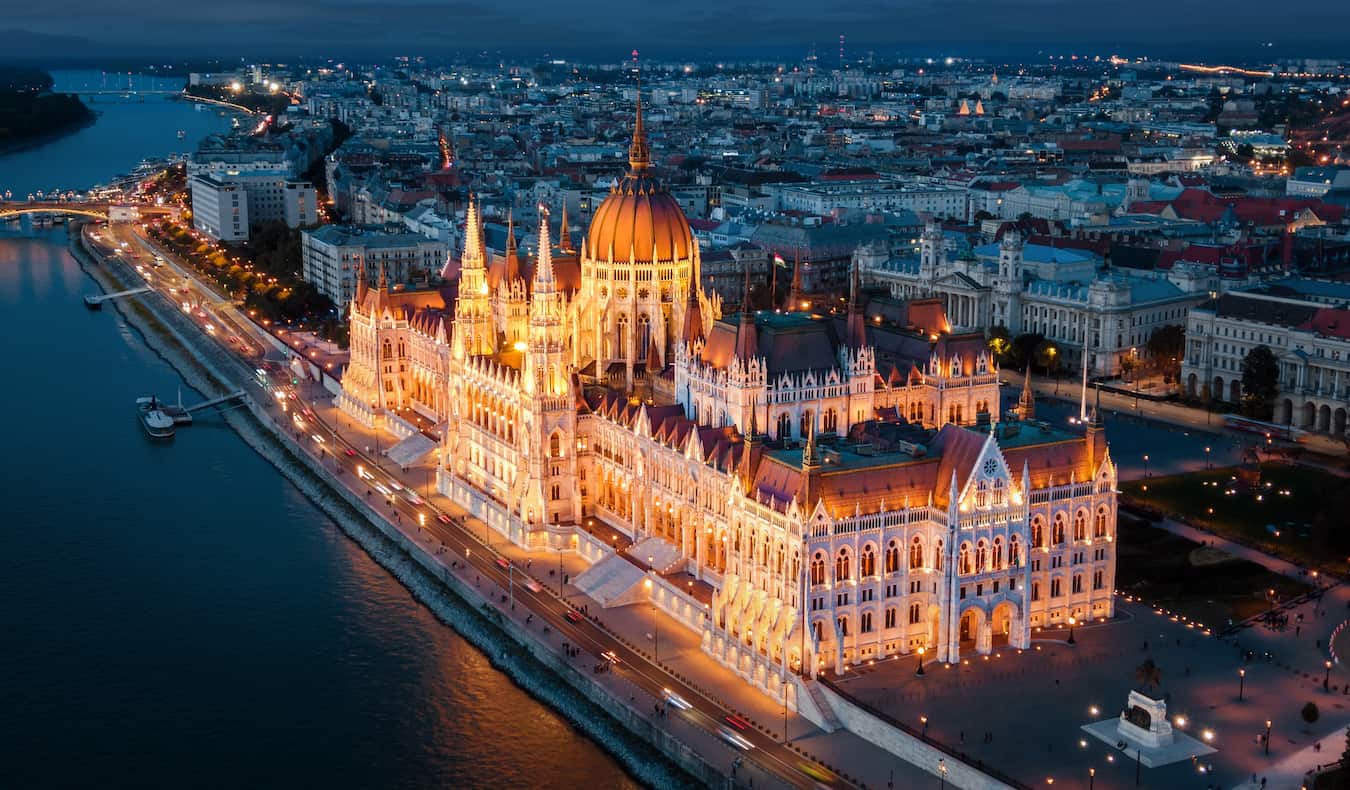
Start at Vorosmarty Square and walk down Vaci Street to the Great Market Hall. Taste langos and pick up paprika. Walk along the Danube to the Shoes on the Danube Bank memorial and the Hungarian Parliament building. Book a Parliament tour in advance: about 12 euros for EU citizens and 24 euros for non-EU (confirm current prices on the official Parliament site). In the afternoon, walk up Andrassy Avenue to Heroes’ Square and City Park. Dinner in the Jewish Quarter, followed by a ruin bar crawl through Szimpla Kert and Instant.
Day 2: Buda, the castle, and the baths
Cross the Chain Bridge and take the funicular up to Buda Castle. Visit the Hungarian National Gallery or the Budapest History Museum, then walk to Fisherman’s Bastion and Matthias Church. The view from Fisherman’s Bastion is the most photographed scene in the city, and it is best in the morning before the crowds. In the afternoon, head to the Szechenyi Baths for three hours of soaking. Entry is about 7,500 forints on weekdays, roughly 19 euros (confirm current prices on the official Szechenyi Baths site). Dinner in Buda or back in Pest.
Day 3: Margaret Island, the market, and a final river cruise
Spend the morning on Margaret Island, walking the car-free paths and visiting the small zoo and the musical fountain. Return to Pest for lunch at the Great Market Hall. In the afternoon, visit the Dohany Street Synagogue and the Hungarian Jewish Museum. Finish with a Danube river cruise at sunset. A standard one-hour cruise costs about 15 to 20 euros (check current rates on GetYourGuide). Dinner at a traditional Hungarian restaurant, followed by a final drink at a quieter ruin bar in the Eighth District.
Maya Whitfield’s honest take: “Do not do the Danube cruise during the day. It is fine, but it is nothing compared to the same cruise at night when the Parliament and the bridges are lit. Book the 8 PM departure and bring a jacket.”
Where should you stay in Budapest?
Budapest has two sides, Buda and Pest, and the right side for you depends on what you want. Pest is where most tourists stay: flat, walkable, and dense with restaurants, ruin bars, and the Jewish Quarter. Buda is quieter, greener, and hillier, with the castle and the baths, but it is less convenient for nightlife.
Best for first-timers
- District V (Inner City): central, walkable to the Parliament and the river.
- District VI (Terézvaros): near Andrassy Avenue, good restaurants, easy metro.
- District VII (Jewish Quarter): lively, ruin bars, best food scene, noisy at night.
Best for quieter stays
- District I (Buda Castle area): atmospheric, quieter, best views.
- District II: leafy, residential, close to Margaret Island.
Hotel prices vary from about 20 euros for a hostel dorm to 250 euros or more for a 5-star hotel in the center (confirm current rates on Booking.com). Mid-range boutique hotels in District VII run 60 to 120 euros per night and are the best value. For families or groups, Vrbo has apartments with kitchens in Districts VI and VII that often cost less than two hotel rooms.
What does a day in Budapest actually cost?
Budapest is one of the best-value capitals in Europe, and the prices show it. A budget traveler can manage 35 to 50 euros per person per day, a mid-range traveler 80 to 120 euros, and a comfort traveler 180 euros or more. These figures exclude international airfare, which runs 200 to 400 euros round trip from most of Europe and 600 to 1,000 euros from North America, depending on season and origin (check current fares on Kayak).
Budget tier (hostels, local food, public transport)
- Daily: 35 to 50 euros per person (confirm current rates on Booking.com).
- Lodging: Hostels and simple guesthouses, 20 to 40 euros per night.
- Food: Local restaurants and market stalls, 15 to 25 euros per day.
- Transport: 24-hour pass, 5 euros (check current fares on the official BKK site).
Mid-range tier (boutique hotels, mix of dining)
- Daily: 80 to 120 euros per person (confirm current rates on Booking.com).
- Lodging: Boutique hotels, 60 to 120 euros per night.
- Food: Mix of mid-tier and traditional restaurants, 35 to 55 euros per day.
- Attractions: One paid sight per day, 10 to 20 euros.
Comfort tier (4 to 5-star hotels, finer dining)
- Daily: 180 to 300 euros per person (confirm current rates with the hotel directly).
- Lodging: Boutique and international 4 to 5-star hotels, 120 to 250 euros per night.
- Food: Better restaurants and wine bars, 60 to 100 euros per day.
- Transport: Taxis and private transfers, 15 to 30 euros per day.
Two cost traps catch first-timers. First, restaurants on Vaci Street charge tourist prices for food that is often better and cheaper in District VII or VIII. Second, the Budapest Card looks like good value but rarely is for a three-day trip. It includes transport and some museum entry, but if you are not visiting three or more included attractions, the standalone 72-hour travel pass is cheaper (compare current Budapest Card prices on the official Budapest Card site).
How do you get to Budapest and get around?
Budapest Ferenc Liszt International Airport is 16 km southeast of the city center. The 100E airport bus connects the airport to Deak Ferenc Square in about 30 minutes. A single ticket costs about 2,200 forints, roughly 5.60 euros (check current fares on the official BKK site). Taxis from the airport run about 9,000 to 12,000 forints, roughly 23 to 31 euros (confirm current fares with the official airport taxi desk or Bolt app). The airport shuttle service is a good middle option if you are arriving late.
Budapest is also well connected by train. Keleti, Nyugati, and Deli stations connect to Vienna, Bratislava, Prague, and other European cities. Trains from Vienna take about 2.5 hours. Book tickets on the Hungarian State Railways site or through a comparison platform like Kayak if you are bundling with flights.
Within the city, the transport network is excellent. Metro lines 1 to 4, trams, buses, and the Danube boats are all covered by the same ticket system. A 24-hour group travel pass costs about 5,000 forints, roughly 13 euros, and a 72-hour pass costs about 13,000 forints, roughly 33 euros (check current fares on the official BKK site). Single tickets cost 450 forints, roughly 1.15 euros, and are only worth it if you are making two or fewer trips per day.
For destination-specific visa rules and entry requirements, see the WakaAbuja visa guide.
What mistakes do first-time visitors make in Budapest?
I have made most of these mistakes myself, and I have watched other travelers make them at close range. Here are the ones that actually cost money or waste time.
Not knowing that Budapest is two cities
Buda and Pest are separated by the Danube and have different feels. Buda is hilly, quiet, and residential. Pest is flat, lively, and where most tourists eat and sleep. Plan your days to minimize crossing the river, because the bridges are further apart than they look on a map.
Buying the Budapest Card without doing the math
The Budapest Card bundles transport and museum entry, but it is only worth it if you are visiting three or more included attractions and using public transport heavily. For most three-day trips, the standalone 72-hour travel pass is cheaper and simpler (compare current prices on the official Budapest Card site).
Assuming every thermal bath is the same
Szechenyi is the biggest and busiest, best for first-timers and groups. Gellert is elegant and quieter, best for a more refined experience. Rudas has the historic Turkish bath and is men-only on certain days. Lukacs is where locals go. Pick the bath that matches your mood, not just the one that appears first on Google.
Not bringing flip-flops and a towel
Most baths charge inflated prices to rent these. Bring your own flip-flops and a towel, and remember that a swim cap is required for the lap pool at most baths.
Eating on Vaci Street
Vaci Street is the main tourist drag, and the restaurants there charge tourist prices for food that is better in District VII or VIII. Walk ten minutes inland and you will eat better for less.
Not booking the Parliament in advance
Parliament tours sell out days ahead during peak season. Book online at the official Parliament site before you travel. Tickets are about 12 euros for EU citizens and 24 euros for non-EU (confirm current prices on the official Parliament site).
Doing the Danube cruise during the day
The daytime cruise is fine. The evening cruise, when the Parliament and the bridges are lit, is one of the best experiences in the city. Book the 8 PM departure and bring a jacket.
Frequently asked questions
Do I need a visa to travel to Budapest, Hungary?
Budapest is in Hungary, which is part of the Schengen Area. US, UK, Canadian, and Australian passport holders can stay up to 90 days in any 180-day period without a visa. Confirm your specific nationality on the official EU immigration portal before booking .
How many days do you need in Budapest?
Three full days is the right answer for a first visit. Four days lets you add a day trip to Szentendre or the Danube Bend. Two days is possible but rushed and misses the rhythm of the city.
How much does a trip to Budapest cost per day?
Budget travelers spend about 35 to 50 euros per person per day, mid-range 80 to 120 euros, and comfort travelers 180 euros or more, excluding international airfare (confirm current rates on Booking.com).
When is the best time to visit Budapest?
April through June and September through October offer the best weather, with temperatures between 15 and 25 degrees Celsius and fewer crowds than summer. July and August are hot and busy, and December is magical for the Christmas markets.
Is Budapest safe for tourists?
Budapest is generally safe for tourists. Violent crime is rare, and the central neighborhoods are well-lit and busy at night. The main risks are pickpocketing on crowded trams and overcharging at some tourist restaurants on Vaci Street. Stay aware and check bills carefully.
What currency is used in Budapest and should I tip?
Hungary uses the forint (HUF), not the euro, even though Hungary is in the EU. Tipping is customary at restaurants, usually 10 to 15 percent, and some restaurants add a service charge. Check the bill before adding a tip. ATMs are widely available and credit cards are accepted at most hotels and restaurants.
Should I stay in Buda or Pest?
Pest is best for first-timers because it is where most restaurants, ruin bars, and attractions are located. Buda is quieter and greener, with the castle and baths, but less convenient for nightlife. Most travelers stay in District V, VI, or VII on the Pest side.
Plan your trip: booking platforms we trust
I use these platforms myself. They are the ones that consistently surface the best rates for Budapest hotels, apartments, and river cruises, and the ones I recommend to friends planning a first Hungary trip.
Booking.com
Best for Budapest boutique hotels and apartments.
Kayak
Compare international flight prices to Budapest.
GetYourGuide
Book river cruises, Parliament tours, and day trips.
Expedia
Bundle flights and hotels for package pricing.
Hotels.com
Loyalty rewards bookings on Budapest stays.
TripAdvisor
Reviews and restaurant recommendations across the city.
WakaAbuja does its best to keep all information accurate at the time of publishing. Prices, policies, and availability change regularly. Always verify with official sources before you travel. We are not liable for errors caused by outdated information. Travel insurance is strongly recommended.