
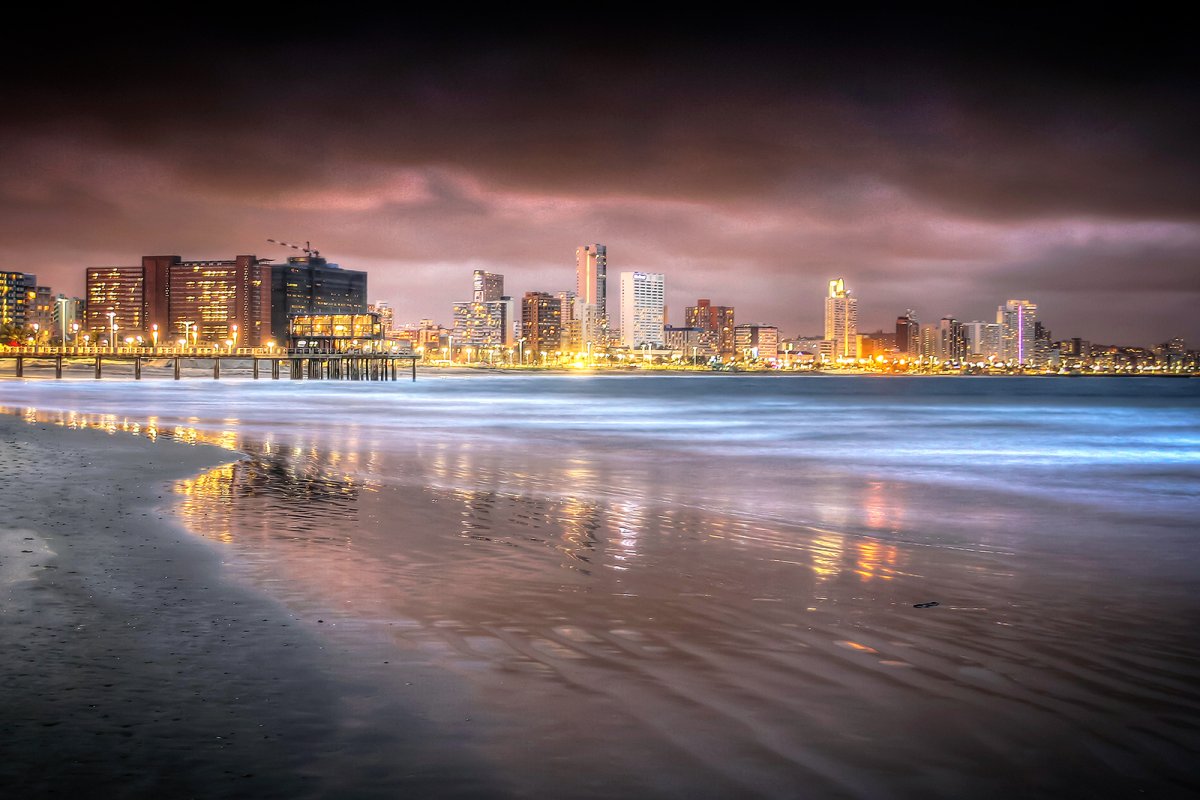
Quick Weather Snapshot for Durban
Durban has a warm subtropical climate with hot, humid summers from November to March and mild, dry winters from May to August. Expect summer temperatures around 24 to 30°C and winter averages between 16 and 23°C.
Live forecast below.
Live Durban Weather Forecast
I always check real-time data before planning beach walks along the Golden Mile or sunrise visits to uShaka. Below is the live, continuously updated forecast for Durban, KwaZulu-Natal.
[shortcode-weather-atlas selected_widget_id=ca1a314c]
Key Takeaways for Visitors and Residents
Best Time for Beach Weather
December to March delivers warm Indian Ocean temperatures and long sunny days. I personally find early mornings less humid and perfect for walking the Durban Promenade.
Most Comfortable Season
May to August offers mild temperatures with lower humidity. If you prefer outdoor exploring without intense heat, winter in Durban feels refreshing rather than cold.
Rainfall Patterns
Summer thunderstorms are common in late afternoons. Rain is usually intense but short-lived, which means outdoor plans can often resume within hours.
Understanding Durban’s Subtropical Climate
Durban sits along South Africa’s east coast in KwaZulu-Natal. Its climate is classified as humid subtropical according to the South African Weather Service.
That means warm ocean currents from the Indian Ocean heavily influence local conditions.
Summer in Durban
From November to March, average highs reach 28 to 30°C with humidity often above 70 percent. I always advise light clothing, sunscreen, and hydration if you plan to explore attractions like uShaka Marine World or the beachfront markets.
Winter in Durban
From May to August, temperatures drop to comfortable daytime highs of around 22°C. Evenings can feel cool near the coast, but frost is extremely rare. This is my preferred season for city walks and photography.
How Durban Weather Affects Travel Plans
Beach Holidays
Ocean temperatures remain swimmable year-round due to the Agulhas Current. Summer is vibrant and lively, especially during December school holidays. For quieter beach time, visit in May or September.
Book beachfront stays early via Booking.com, Agoda, or Hotels.com.
Outdoor Adventures
Activities such as surfing, whale watching from June to November, and hiking in nearby Drakensberg regions are strongly influenced by weather. Clear winter days provide excellent visibility and safer trail conditions.
Browse tours on GetYourGuide or read real traveler feedback on TripAdvisor.
Durban Location and Coastal Position
Understanding geography helps explain the weather patterns. Durban’s coastal setting exposes it to humid sea breezes and summer convection storms.
Frequently Asked Questions About Durban Weather
What is the hottest month in Durban?
January and February are typically the hottest months, with average highs near 30°C and high humidity levels.
Does Durban experience cyclones?
Direct cyclones are rare, but remnants of tropical systems in the southwest Indian Ocean can bring heavy rain and strong winds during summer months.
Is Durban humid year-round?
Humidity is highest in summer. Winter months are noticeably drier and more comfortable for many visitors.
When is the best time to visit Durban?
May to September offers mild temperatures and lower humidity, making it ideal for sightseeing and outdoor activities.
Final Travel Insight
In my experience, Durban weather is rarely a deal breaker. Even summer rainstorms tend to pass quickly. The key is timing your activities earlier in the day and monitoring live forecasts before heading out.
WakaAbuja has made every effort to ensure that the information in this post was correct at the time of publication. However, we do not assume any liability caused by errors such as pricing, hours, or location details. Please consult official websites or social media pages for the most up-to-date information.