
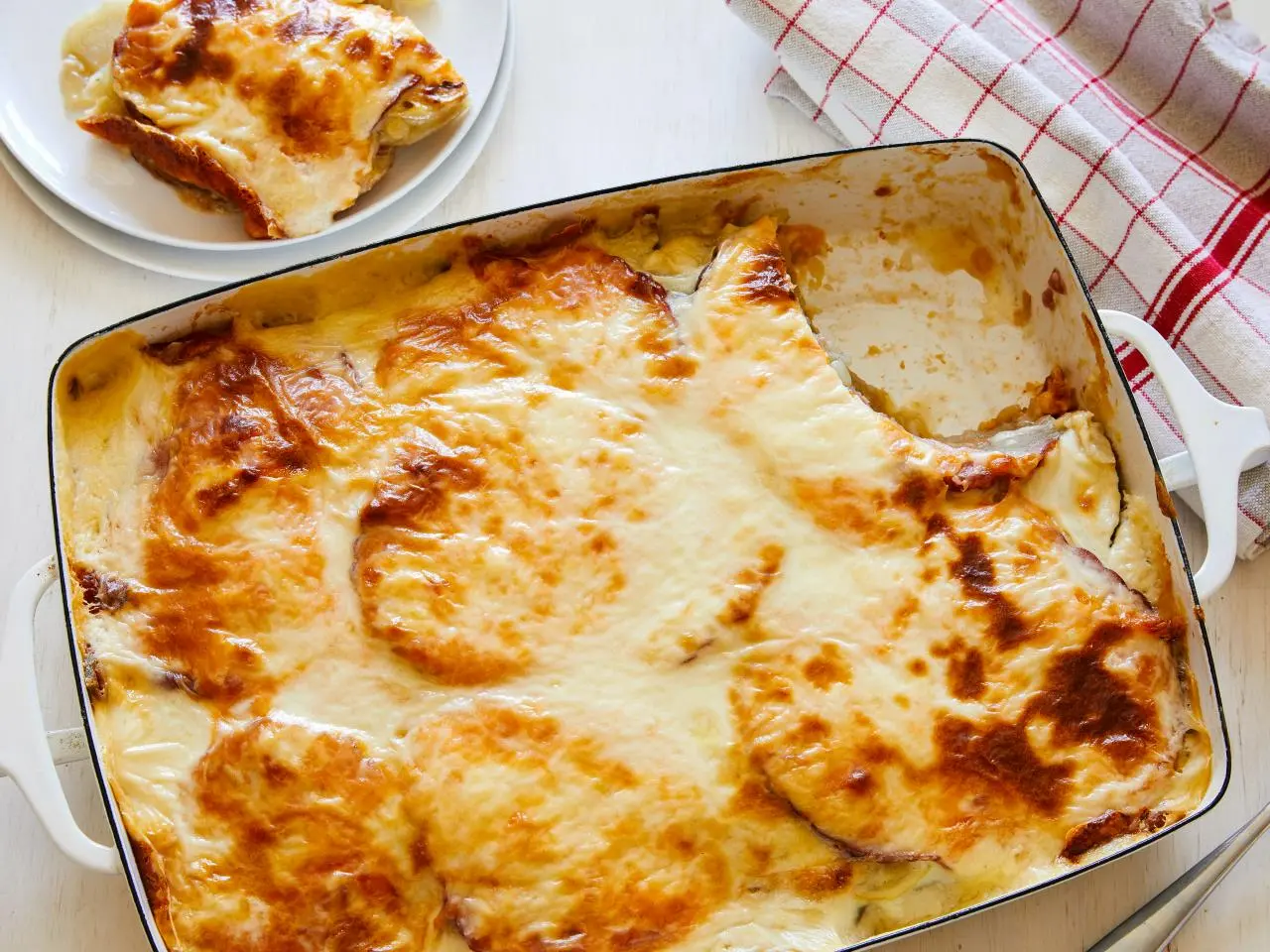
The Ultimate Scalloped Potatoes Recipe: Creamy, Comforting, and Crowd-Pleasing
Prep Time: 30 mins | Cook Time: 45 mins | Total Time: 1 hr 15 mins | Servings: 6 | Yield: 1 (9×13-inch) casserole
On a chilly evening last fall, I pulled a bubbling, golden casserole of scalloped potatoes from my oven. The smell of creamy milk, butter, and slow-cooked onions filled my kitchen, and I remembered why this dish is the ultimate comfort food.
It is simple, humble, and absolutely delicious. Today, I am sharing my perfected recipe, along with all the tips and tricks I have learned over years of making this family favorite.
Jump directly to details: What Are Scalloped Potatoes? | Ingredients | Directions | Scalloped vs. Au Gratin | FAQ
Key Takeaways for Perfect Scalloped Potatoes
- Scalloped potatoes are a classic casserole of thinly sliced potatoes baked in a creamy sauce, usually without cheese.
- Use russet potatoes for their high starch content, which helps thicken the sauce naturally.
- Do not skip layering the flour and butter; it is the secret to a smooth, lump-free sauce.
- The main difference between scalloped and au gratin potatoes is the cheese. Au gratin has cheese, often on top, while scalloped traditionally does not.
- For the best texture, slice your potatoes uniformly, about 1/8 inch thick. A mandoline is a great tool for this, as recommended by many home cooks on TripAdvisor forums.
What Are Scalloped Potatoes?
Scalloped potatoes are the definition of rustic, heartwarming cooking. At its core, the dish layers thin potato slices with a simple sauce made from butter, flour, and milk. The word “scalloped” refers to the old way of baking the dish in a scallop shell or, more likely, to the traditional English method of slicing ingredients.
I like to think of it as a potato casserole that lets the natural flavor of the potato shine, enriched by a velvety, savory cream sauce. On my last trip to a local farm market, I stumbled upon a bin of fresh russets at dusk, and buying them changed how I see simple ingredients.
That night, I made this dish, and it reminded me that the best meals often come from the fewest, freshest items.
Ingredients for Scalloped Potatoes
This recipe is for a standard 9×13-inch casserole, serving 6 people generously. The beauty of it is that you can easily scale it up or down.
Here is what you will need, based on the original recipe that yields 6 servings.
Ingredient List
- 3 pounds russet potatoes, thinly sliced
- ½ onion, thinly sliced
- 9 tablespoons all-purpose flour, divided
- 6 tablespoons butter, cubed and divided
- Salt and ground black pepper to taste
- 3 cups whole milk, or as needed
Pro Tip from my kitchen: For a richer flavor, you can substitute one cup of milk with heavy cream. For a lighter version, use 2% milk, but the sauce will be thinner.
As of early this year, I have also started adding a pinch of nutmeg and a clove of garlic to the sauce. It is a game changer. Check your favorite grocery store’s website for current potato and dairy prices, as they can vary.
Directions: How to Make Scalloped Potatoes
Follow these steps closely, and you will have a casserole that is creamy, tender, and absolutely irresistible. I have learned through many trials that patience with the layering pays off.
- Preheat the oven to 375 degrees F (190 degrees C). Grease a 9×13-inch baking dish.
:max_bytes(150000):strip_icc():format(webp)/240290-moms-scalloped-potatoes-DDMFS-Step-01-fbbb2fd8b8dc4d3b908439658f83c296.jpg "Scalloped Potatoes Recipe (Video Steps) 1") 2. Layer the potatoes and onions. Arrange a layer of potato slices in the prepared dish, then a few onion slices. Sprinkle with salt, pepper, and about 1 ½ tablespoons of flour. Dot with about 1 tablespoon of butter. Repeat the layers, finishing with a layer of potatoes.
2. Layer the potatoes and onions. Arrange a layer of potato slices in the prepared dish, then a few onion slices. Sprinkle with salt, pepper, and about 1 ½ tablespoons of flour. Dot with about 1 tablespoon of butter. Repeat the layers, finishing with a layer of potatoes.
:max_bytes(150000):strip_icc():format(webp)/240290-MomsScallopedPotatoes-MFS-Step3-778887f05d874de297d8cdd05a40d51c.jpg "Scalloped Potatoes Recipe (Video Steps) 2")
3. Pour the milk. Pour enough milk over the layers to come about 3/4 of the way up the top layer of potatoes. Do not fully submerge the top layer.
:max_bytes(150000):strip_icc():format(webp)/240290-MomsScallopedPotatoes-MFS-Step4-d283fa37c5964afeb47e95a64945f1e3.jpg "Scalloped Potatoes Recipe (Video Steps) 3")
4. Bake. Cover the dish with foil and bake in the preheated oven for 45 minutes. Remove the foil and continue baking until the top is golden brown and the potatoes are tender when pierced with a knife, about 30 more minutes.
5. Rest and serve. Let the casserole rest for 10 minutes before serving. This allows the sauce to thicken beautifully.
:max_bytes(150000):strip_icc():format(webp)/240290-moms-scalloped-potatoes-DDMFS-4x3-6921e40df71440008124327b519004f8.jpg "Scalloped Potatoes Recipe (Video Steps) 4")
Editor’s Note from WakaAbuja: For the best results, use a mandoline to get uniform slices. If the top browns too quickly, loosely tent with foil. Leftovers keep well in the fridge for up to 3 days and can be reheated in the oven or microwave.
What is the Difference Between Scalloped and Au Gratin Potatoes?
This is the most common question I get from readers. Both dishes are delicious, but they are not the same. The key difference is cheese. Traditional scalloped potatoes do not contain cheese.
The creamy texture comes entirely from the milk, flour, and butter sauce. Potatoes au gratin, on the other hand, always include cheese, both in the sauce and sprinkled on top for a crispy, golden crust.
Another subtle difference is that au gratin often uses cream and may include breadcrumbs. So, if you are craving a cheesy, decadent dish, go for au gratin. If you want a lighter, potato-forward creaminess, scalloped is your dish.
Community Tips and Praise
Per reader reviews on popular cooking sites, this recipe has a 4.8 star rating. One home cook shared, “I have made this for three family gatherings, and it is always the first dish to disappear.” Another tip from the community: “Do not wash the starch off your potato slices.
That starch helps thicken the sauce. “Many also recommend using a mix of yellow and russet potatoes for a creamier texture.
As for me, I have started adding a thin layer of grated Parmesan on top for the last 10 minutes of baking, which gives a wonderful crunch without turning it into a full au gratin.
Nutrition Facts (Per Serving)
Servings Per Recipe: 6
Calories: 396 | Total Fat: 16g (20%) | Saturated Fat: 10g (49%)
Cholesterol: 43mg (14%) | Sodium: 171mg (7%)
Total Carbohydrate: 55g (20%) | Dietary Fiber: 6g (20%) | Total Sugars: 8g
Protein: 10g (20%) | Vitamin C: 45mg (50%) | Calcium: 172mg (13%) | Iron: 2mg (13%) | Potassium: 1160mg (25%)
Nutrition information is an estimate and for informational purposes only. Please consult a professional for specific dietary needs.
Plan Your Culinary Trip to Find the Best Ingredients
Sometimes the best potatoes and dairy come from traveling to farm rich regions. If you are planning a trip to explore local food markets or just need a vacation after all that cooking, we recommend booking your stays through trusted partners:
Booking.com | Agoda | Expedia | Hotels.com | Vrbo | Kayak | GetYourGuide for cooking tours.
Frequently Asked Questions About Scalloped Potatoes
Can I add cheese to this scalloped potato recipe?
Yes, absolutely. Adding cheese will turn it into a potatoes au gratin dish, which is also delicious. If you want to keep it traditional, skip the cheese.
For a hybrid, sprinkle a little Parmesan on top during the last 10 minutes of baking.
Why are my scalloped potatoes runny?
This usually happens for two reasons: the potatoes were not sliced thinly enough, or the dish was not allowed to rest after baking.
Thin slices cook evenly and release starch that thickens the sauce. Also, always let the casserole rest for 10 to 15 minutes out of the oven before serving. For exact times and tips, check official cooking sites like the USDA or your favorite cookbook publisher.
Can I make scalloped potatoes ahead of time?
Yes, this is a great make-ahead dish. Assemble the casserole completely, but do not bake it. Cover tightly with foil and refrigerate for up to 24 hours.
When you are ready to bake, add about 15 minutes to the covered baking time since you are starting from cold. Always verify food safety guidelines on official sites like foodsafety.gov for storing dairy-based dishes.
What is the best potato for scalloped potatoes?
Russet potatoes are the classic choice because they are high in starch. The starch helps thicken the milk sauce, resulting in a creamy texture.
Yukon Golds also work well and add a buttery flavor, but they may yield a slightly thinner sauce. Avoid waxy potatoes like red or new potatoes, as they hold their shape too well and do not release starch.
Can I freeze scalloped potatoes?
Freezing is not recommended because the dairy-based sauce can separate and become grainy upon thawing. However, if you must, freeze the fully baked and cooled casserole for up to 2 months. Thaw in the refrigerator overnight and reheat in the oven.
The texture will be different, but the flavor remains good. For best results, always refer to trusted sources like the National Center for Home Food Preservation for freezing guidelines.