advertisement
Honolulu Hawaii Travel Guide: All You Must Know Before You Go (A Local’s Honest Take)
I have traveled to over forty countries, but Honolulu hit me like a gentle wave I did not see coming. The moment I stepped out of Daniel K.
Inouye International Airport and felt that trade wind across my face, I knew this was different. Honolulu is quietly the most beautiful place on Earth, not because of postcard beaches alone, but because of how the city wraps ancient Hawaiian culture around modern comfort.
This guide is everything I learned the hard way, so you do not have to.
We combine local insights, real traveler reviews, and up to date data to bring you the ultimate visitor’s guide. From Waikiki to the North Shore, these are the must know tips for this year.
Jump directly to details: What Honolulu Is Known For | When to Go | Where to Stay | How to Get There | Getting Around | Typical Costs | Itineraries | Things to See and Do | Safety & Emergency | FAQ
Key Takeaways for Your Honolulu Adventure
- Best time to visit: April to May and September to November for lower prices and fewer crowds. Peak season is December to March.
- Average daily budget: $200 to $400 per person for mid range travel. Always verify current rates on Booking.com or Agoda as of this year.
- Must do: Sunrise at Diamond Head, snorkeling at Hanauma Bay, and a luau experience. Book tours through GetYourGuide for verified operators.
- Hidden gems: Tantalus Lookout for city views, Manoa Falls for a jungle hike, and Bishop Museum for deep Hawaiian history.
- Safety note: Honolulu is generally safe, but car break ins happen at trailheads. Never leave valuables visible.
What Is Honolulu Known For? The Magic of the Gathering Place
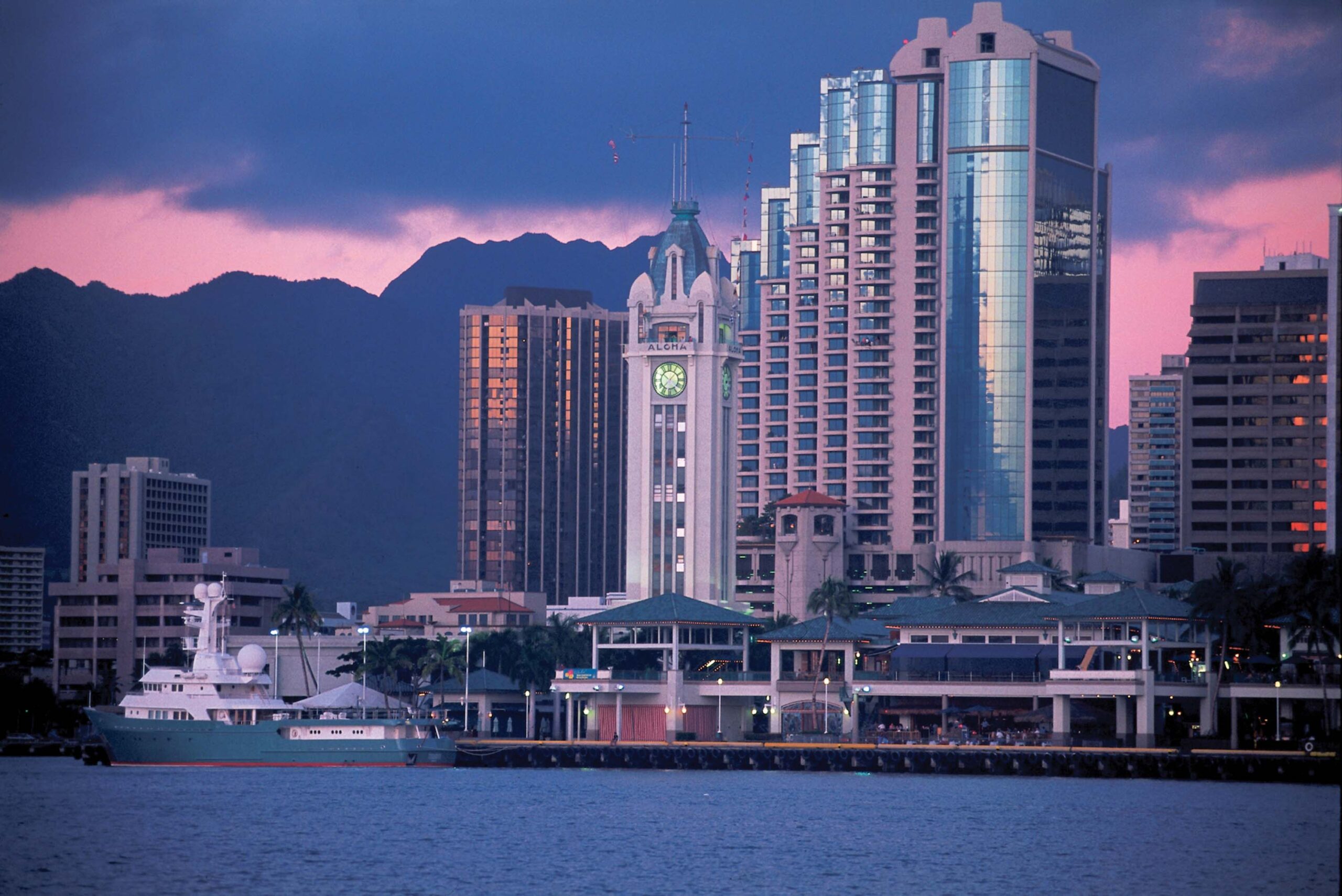
Honolulu means “sheltered harbor” in Hawaiian, and it lives up to that name. This city on the island of Oahu is the heartbeat of Hawaii. It is famous for Waikiki Beach with its diamond head backdrop, the historic site of Pearl Harbor, and some of the best surfing waves on the planet.
But what struck me most was the food. Fresh poke bowls for under $15, malasadas (Portuguese donuts) that melt in your mouth, and plate lunches with macadamia nut crusted fish.
Per the Hawaii Tourism Authority, over 9 million visitors come to Oahu annually, but Honolulu still feels like a community. The locals, or “kamaaina,” are warm if you respect the land, or “aina.”
I remember sitting on the wall at Waikiki at dusk, watching a uncle play ukulele while the sun turned the ocean into molten gold. That is what Honolulu is quietly known for. Aloha spirit is real.
When to Go to Honolulu: Weather, Crowds, and Cheapest Months
Honolulu enjoys warm weather year round, with temperatures averaging 75 to 85 degrees Fahrenheit. The dry season runs from April to October, while the wet season from November to March brings brief, dramatic showers that usually pass in an hour.
My honest insight: “On my last trip, I visited in early November. The crowds from summer had thinned, flights on Kayak were nearly 30 percent cheaper, and the humpback whales were just starting to arrive. It changed how I see shoulder seasons.”
Cheapest time to visit: Mid April to early June and September to mid December, excluding Thanksgiving week. Hotel rates on Expedia can drop by 40 percent compared to peak winter. The most expensive period is December 15 to January 5, followed by spring break in March.
Best Months for Weather
- April to June: Warm, low humidity, minimal rain
- September to October: Hot but dry, great for swimming
Months to Avoid
- March: Spring break crowds and higher prices
- December to January: Peak season, flights and hotels expensive
How to Get to Honolulu: Airports, Flights, and Travel Options
Daniel K. Inouye International Airport (HNL) is your gateway, located about 20 minutes west of Waikiki. It handles direct flights from major US cities like Los Angeles, San Francisco, Seattle, and Chicago, as well as international routes from Japan, Korea, Australia, and Canada. Per airport statistics, over 21 million passengers pass through annually.
Flight costs vary wildly. From the US West Coast, expect $300 to $600 round trip off peak, and $700 to $1,200 during holidays. Use Kayak to set price alerts. From the East Coast, add $150 to $300. For international travelers, check Expedia for package deals including air and hotel.
Getting Around Honolulu: Transport Tips from a Nomad
Honolulu has a decent public transit system called TheBus, with fares at $3 per ride or $7.50 for a day pass. But honestly, renting a car gives you freedom to explore beyond Waikiki.
Daily rentals start around $40 to $80 on Kayak. However, parking in Waikiki costs $30 to $50 per night. My hack: Stay in Waikiki without a car, rent one for just two days to explore the North Shore and windward coast.
Rideshares like Uber and Lyft are abundant. From HNL to Waikiki, expect $25 to $40. The new Skyline rail system opened in 2023 and is expanding, but as of this year, it is limited to the west side. For a truly local experience, rent a moped or e scooter for $30 a day.
Where to Stay in Honolulu: Best Neighborhoods and Accommodation Options
I have slept in hostels, luxury resorts, and everything in between. Here is my honest breakdown of Honolulu’s best places to stay.
Waikiki (The Classic Tourist Hub)
High energy, beachfront access, endless dining. Budget: $150 to $400 per night. Luxury: $500+. Book via Booking.com. Pros: Everything is walkable. Cons: Crowded and noisy.
Kailua (The Quiet Beach Lover)
On the windward side, 30 minutes from Waikiki. Gorgeous beaches, local vibe. Rentals on Vrbo start at $200 per night. Best for families who want space.
Downtown & Chinatown (The Urban Experience)
Arts district, historic sites, nightlife. Budget hotels from $100 per night on Hotels.com. Pros: Authentic and cheaper. Cons: Not beachfront.
North Shore (The Surf Escape)
Haleiwa town, legendary waves. Only recommended if you rent a car. Vacation rentals via Airbnb but check official policies. Ideal for advanced surfers.
Traveler’s choice for a vacation stay: If you want the classic Hawaii experience, stay in Waikiki but choose a hotel near the zoo end rather than the central strip. It is quieter and closer to Diamond Head. Check TripAdvisor reviews for recent noise updates.
Typical Costs, Suggested Budgets, and Money Saving Tips
Honolulu is expensive. Let me be blunt. But with smart planning, you can make it work. Here are realistic daily budgets per person as of early this year.
Budget Traveler ($150 to $200 per day)
- Hostel or shared room: $40 to $70
- Food: $30 to $50 (plate lunches, food trucks, 7/11 meals)
- Transport: $10 to $20 (TheBus and walking)
- Activities: $40 to $60 (free beaches, hiking, one paid attraction)
Mid Range Traveler ($250 to $400 per day)
- Hotel: $150 to $250 via Agoda
- Food: $60 to $100 (nice restaurants, occasional luau)
- Transport: $30 to $50 (rideshare or rental car share)
- Activities: $50 to $100 (guided tours, snorkeling gear rental)
Luxury ($500+ per day)
- Resort: $350 to $800+
- Fine dining and private tours: $150+
- Book helicopter tours via GetYourGuide or private charters
Money saving tips: Eat where locals eat. Food trucks and hole in the wall spots serve amazing food for under $12. Buy a reusable water bottle; tap water is safe and delicious. Use the free trolleys in Waikiki.
Visit Hanauma Bay on weekdays for lower entry fees. Per TripAdvisor forums, booking activities directly often saves 10 to 20 percent compared to resellers.
Suggested Itineraries: 3, 5, and 7 Day Honolulu Plans
3 Day Quick Hit (The Essentials)
- Day 1: Arrive, settle in Waikiki, sunset beach walk, dinner at Duke’s.
- Day 2: Diamond Head crater hike (reservation required, $5), afternoon at Waikiki Beach, evening at International Market Place.
- Day 3: Pearl Harbor USS Arizona Memorial (free but reserve weeks ahead), then fly home or drive to North Shore.
5 Day Immersion (My Recommended Length)
- Days 1-2: Same as above.
- Day 3: Full day circle island tour. Rent a car. Stop at Hanauma Bay (book entry two days in advance), Halona Blowhole, Kailua Beach, and Nuuanu Pali Lookout.
- Day 4: North Shore day. Waimea Valley, shark cage diving or snorkeling at Sharks Cove, sunset at Sunset Beach. Dinner in Haleiwa.
- Day 5: Iolani Palace and Bishop Museum. Evening flight or relax.
7 Day Deep Dive (With Day Trips)
- All of the 5 day plan plus: Day 6: Kualoa Ranch movie sites tour ($50 to $150, book GetYourGuide). Day 7: Manoa Falls hike, then explore Chinatown art galleries.
Length of stay recommendation: I suggest 5 full days as the sweet spot. Anything less feels rushed. A week allows for weather cancellations and deeper exploration.
Things to See and Do: Beaches, Museums, Outdoors, Nightlife, and Hidden Gems
Beaches and Outdoors
Waikiki Beach is the icon, but venture out. Kaimana Beach is a local favorite just east of Waikiki with gentle waves. For bodyboarding, Sandy Beach is famous but dangerous; always check warnings.
The North Shore in winter has massive waves for experts only. Snorkeling at Hanauma Bay costs $25, and reservations open two days in advance at 7 AM Hawaii time. They sell out in minutes.
Museums and Arts
Bishop Museum is the premier destination for Hawaiian culture and history. Entry is $25 for adults. The Honolulu Museum of Art has a stunning collection of Asian and Pacific art for $20.
Iolani Palace, the only royal palace on US soil, costs $30 for a guided tour. Per TripAdvisor reviews, book palace tickets weeks ahead.
Outdoor Activities and Hikes
Diamond Head is the classic, but it is crowded. For a quieter challenge, hike Koko Crater Railway Trail, 1,000 steps up an old tram track.
The view is breathtaking but this is not for beginners. Manoa Falls is a family friendly jungle hike leading to a 150 foot waterfall. Wear closed toed shoes; the trail is muddy.
Nightlife and Theater
Waikiki has plenty of bars. The Hideout at the Laylow Hotel has live music and craft cocktails. For a more local scene, head to Chinatown.
Bars like Bar Leather Apron and Manifest are award winning. For theater, check the Hawaii Theatre calendar for Broadway shows and local productions.
Family Friendly Activities
Honolulu Zoo ($19 for adults, $11 for kids), Waikiki Aquarium ($12), and the Children’s Discovery Center are excellent. The Atlantis Submarine tour ($50 to $100) takes kids under water without getting wet. Book family packages on Expedia.
Hidden Gems in Honolulu
Here is what most tourists miss. Tantalus Lookout (Round Top Drive) offers panoramic city and ocean views, especially magical at night for stargazing.
The Byodo In Temple, a replica of a Japanese temple, sits in the Valley of the Temples. Entry is $5. Lanikai Pillboxes hike gives you the iconic sunrise view over the twin islands. And Moana Surfrider’s Veranda bar serves tea and scones in a historic setting without the resort price tag.
Pros and Cons of Visiting Honolulu (Local View)
Pros
- Consistent warm weather year round
- World class beaches, surfing, and hiking
- Rich Hawaiian history and multicultural food scene
- Safe for solo travelers and families
- Direct flights from many international hubs
Cons
- High cost of accommodation and dining
- Traffic congestion around Waikiki and H1 freeway
- Overtourism in peak seasons can feel overwhelming
- Limited nightlife compared to mainland cities
- Parking is expensive and difficult
Top Tours and Experiences in Honolulu
Book these through reputable platforms. A circle island tour with stops at Dole Plantation and North Shore costs $80 to $120 via GetYourGuide. A Pearl Harbor and USS Arizona tour with audio guide is $50 to $70.
For adventure, consider a shark cage dive on the North Shore ($120) or a sunset catamaran sail from Waikiki ($50). I took a surfing lesson at Waikiki for $60, and after two hours, I stood up. It was worth every dollar.
How to Stay Safe in Honolulu: Pro Tips and Emergency Contacts
Honolulu is one of the safest US cities for tourists, with a crime index lower than many mainland metros per recent data. However, petty theft from rental cars is common at trailheads and beach parking lots. Never leave bags, phones, or rental gear visible. Lock everything in the trunk before you arrive.
Ocean safety is critical. Always check beach warning signs. North Shore in winter has deadly shore breaks and rip currents. Only swim at lifeguard beaches between the flags. For hikes, bring more water than you think. The sun is intense, and trails like Koko Head have no shade.
Emergency contacts: Dial 911 for police, fire, or ambulance. Non emergency police: 808-529-3111. Poison control: 1-800-222-1222. For ocean safety updates, check lifeguard stations or the City and County of Honolulu website. The closest hospital to Waikiki is The Queen’s Medical Center at 1301 Punchbowl Street, open 24/7.
Honolulu Essentials: What to Pack and Know Before You Go
Pack light. Reef safe sunscreen is mandatory by law; chemical sunscreens are banned. Bring a reusable water bottle, quick dry clothing, hiking shoes, and a sun hat. You do not need formal wear. A light jacket or hoodie is useful for air conditioned spaces and cool winter evenings. Leave umbrellas at home; rain showers pass quickly.
Respect Hawaiian culture. Do not take rocks or sand from beaches. Do not touch sea turtles or monk seals (they are protected species). Learn basic Hawaiian phrases: “Aloha” means hello and love, “Mahalo” means thank you, and “Malama” means to care for. Locals appreciate the effort.
Frequently Asked Questions About Honolulu Travel
What is the cheapest time to visit Honolulu?
Mid April to early June and September to mid December, excluding Thanksgiving. Flights and hotels can be 30 to 40 percent cheaper than peak winter. Check Kayak for price trend data.
Is Honolulu family friendly?
Very much so. Waikiki has calm waters, lifeguards, and plenty of kid friendly restaurants. The zoo, aquarium, and children’s museum are excellent. Choose a hotel with a pool for backup rainy days.
Do I need a rental car in Honolulu?
Not for Waikiki only. TheBus and rideshares work fine. But to see the North Shore, Kailua, or the windward coast, yes. Rent for just 2 to 3 days. Compare rates on Kayak.
How many days do you need in Honolulu?
5 full days is ideal. This allows for jet lag recovery, a circle island tour, a North Shore day, and some beach relaxation. Anything less than 3 days feels rushed per most TripAdvisor reviews.
Is Honolulu safe for solo travelers?
Yes, it is widely considered safe. Stick to well lit areas at night, especially in Waikiki. Solo hikers should stick to popular trails like Diamond Head rather than isolated ones. The hostel scene in Waikiki is welcoming for solo adventurers.
What is the best area to stay in Honolulu for first timers?
Waikiki. It has the most hotels, restaurants, and direct beach access. Stay near the Kapahulu end (closer to Diamond Head) for a quieter experience. Check Booking.com for properties with free cancellation.
Plan Your Honolulu Trip: Booking Resources We Trust
The WakaAbuja team personally uses these platforms for research and bookings. Prices change daily, so clicking our links helps us keep this guide updated. Mahalo for your support.