advertisement
Macau Travel Guide: Why Every Asia Trip Feels Incomplete Without This Las Vegas of the East
I have crisscrossed Asia for the better part of a decade, and nothing prepared me for Macau. On my first night, I stumbled into a back alley near the Ruins of St. Paul at dusk, and the collision of Portuguese cobblestones with Chinese lanterns changed how I see urban travel.
This is not just a gambling hub. This is a UNESCO layered cake of culture, the only place in Asia where you can eat egg tarts next to a 400 year old church and then ride a gondola eight floors up.
Let me walk you through everything you must know before you go.
Because we combine local insights with real time data. Whether you are searching for the best Macau itineraries, hotel deals, or safety tips, this guide answers every voice search query.
Jump directly to details: What Macau Is Known For | When to Go | How to Get There | Where to Stay | Itineraries | FAQ
Key Takeaways for Your Macau Adventure
- Macau shines for its Portuguese colonial architecture, world class casinos, and Michelin starred street food. Best visited between October and December for pleasant weather.
- Budget wisely. Mid range travelers spend approximately $120 to $200 daily per person. Save with hotel packages on Agoda or Booking.com.
- Top attractions: Ruins of St. Paul, Macau Tower, Senado Square, and the Cotai Strip casinos. Book tours via GetYourGuide for skip the line access.
- Safety is high, but watch for pickpockets in crowded ferry terminals. Emergency number: 999 (police, fire, ambulance).
- Family friendly option: Macau Science Center. Hidden gem: Taipa Village walking tour for authentic Macanese food.
What is Macau Known For? The Las Vegas of Asia with a Portuguese Soul
Macau is famous for being the “Las Vegas of Asia”, but that label sells it short. Per official tourism data, Macau generates over $45 billion annually in gambling revenue, more than any other city on earth. However, I spent my first 48 hours without stepping inside a casino.
The historic center, a UNESCO World Heritage site, packs 25 landmarks within walking distance. Think pastel colored churches, traditional Chinese temples, and the iconic Ruins of St. Paul that look like a stone postcard.
WakaAbuja team insight: “On my last trip, I climbed the Macau Tower at sunset. The bungee jump is terrifying, but the observation deck gave me a 360 degree view of the Pearl River Delta.
I watched luxury ferries glide past while city lights flickered on. That moment defined Macau for me: a bridge between worlds.”
Beyond the glitz, Macau is known for Macanese cuisine. Dishes like minchi (stir fried minced meat with potatoes) and pork chop buns come from 400 years of Portuguese and Chinese intermarriage.
According to TripAdvisor reviews, the best place to try them is at Riquexo, a tiny cafeteria loved by locals.
When to Go to Macau: Weather, Crowds, and Cheapest Months
Macau has a subtropical climate with four distinct seasons. I learned this the hard way when I visited in August and felt like I was walking through soup.
Best time: October to December. Temperatures range from 15 to 25 degrees Celsius (59 to 77 Fahrenheit), humidity drops, and the sky stays clear. This is also the Grand Prix season (November), so book early.
Weather Breakdown and My Insights
- Spring (March-May): Warm and pleasant (18-28°C). Some fog. Great for walking tours.
- Summer (June-September): Hot, humid, and rainy. Typhoon risk peaks July to September. Flights and hotels drop 30% to 40%. Current prices as of early this year: check Expedia for storm season discounts.
- Autumn (October-December): Ideal. Low humidity, blue skies. Peak prices but worth it.
- Winter (January-February): Cool and dry (10-18°C). Fewer crowds after New Year. Chinese New Year (late January or February) causes price spikes and closures.
Cheapest time: Late May to early July, excluding public holidays. I found a room at a 4 star hotel for $45 per night via Hotels.com in June. Just pack an umbrella.
How to Get to Macau: Airports, Ferries, and Border Crossings
Macau International Airport (MFM) serves direct flights from major Asian hubs like Singapore, Seoul, Tokyo, and Manila. However, most travelers fly into Hong Kong (HKG) and take the ferry. I prefer this route because flights to Hong Kong are cheaper and more frequent.
From Hong Kong: TurboJET and Cotai Water Jet run ferries from Hong Kong Macau Ferry Terminal to Macau Outer Harbour. Journey time is 1 hour. Tickets cost approximately $25 to $40 one way as of early this year. Book via Kayak for combined flight and ferry packages.
From mainland China: The Hong Kong Zhuhai Macau Bridge offers a 45 minute bus ride. Border crossing at Gongbei in Zhuhai is the busiest in the world, with over 400,000 daily crossings. Expect queues on weekends.
Map showing Macau’s location relative to Hong Kong and Zhuhai. For real time directions, use Google Maps or consult the official Macau tourism website.
How to Get Around Macau: Local Transport Tips
Macau is small. From end to end, the peninsula measures only 9 square kilometers. I walked most of it. But when your feet hurt, here is the system.
- Hotel Shuttles (Free): Every major casino resort operates free shuttle buses from the ferry terminal, airport, and border gates. Look for signs with resort names. I used the Wynn shuttle to reach the historic center for zero cost.
- Buses: Public buses cost 6 MOP (about $0.75) per ride. Route 26A covers most tourist spots. Get a Macau Pass stored value card for convenience.
- Taxis: Flag fall is 19 MOP ($2.35). Taxis accept cash or Macau Pass. Avoid surge pricing during peak hours.
- Rideshares: Uber does not operate. Try local app “Didi” but most travelers rely on taxis or shuttles.
Pro tip from my travel log: Rent a bicycle along the Cotai Strip in the early morning. The wide paths are empty before 9 AM and offer stunning views of the mega resorts.
Where to Stay in Macau: Neighborhoods, Options, and Recommendations
I have slept in backpacker hostels and 5 star luxury suites here. Your choice depends on your vibe.
Macau Peninsula (Historic Heart)
Best for culture lovers and walkers. Stay near Senado Square. Budget: $50 to $120 per night via Booking.com. Pros: UNESCO sites, local food. Cons: Older buildings.
Cotai Strip (Las Vegas Style)
For luxury and entertainment. Home to The Venetian, Londoner, and Parisian. Rates: $150 to $500 per night. Check Agoda for package deals. Pros: Spectacular shows, shopping. Cons: Artificial vibe.
Taipa Village (Local Charm)
My personal favorite. Preserved Portuguese colonial streets, authentic eateries, and fewer crowds. Rates: $70 to $150 per night. Use Vrbo for boutique stays. “This feels like old Macau,” I told a shopkeeper there.
Macau Trip Costs: Budgets, Savings, and Sample Breakdowns
Budget Traveler ($60 to $100 per day)
Hostel dorm: $25. Street food meals: $10. Public transport: $5. Free attractions (churches, ruins). Total 3 days: approximately $250.
Mid Range ($120 to $200 per day)
3 star hotel: $70. Casual dining and one show ticket: $50. Tours: $30. Rideshare/taxis: $20. 3 days: $500 to $600. Use TripAdvisor for restaurant deals.
Luxury ($300 to $600 per day)
Resort hotel: $200. Fine dining: $100. Casino experiences and helicopter tours: $150. Splurge on GetYourGuide for VIP packages.
Money saving tips: Eat at local dai pai dongs (food stalls) for $5 meals. Use free hotel shuttles exclusively. Visit during weekdays, as weekend hotel rates spike 50%.
Must See Attractions: Museums, Outdoors, Arts, Nightlife, and Hidden Gems
Historic and Cultural Sites
- Ruins of St. Paul: The iconic facade of a 17th century church. Free entry. Visit at 8 AM to avoid selfie sticks. 4.8/5 rating on TripAdvisor.
- Senado Square: A wave patterned mosaic plaza surrounded by pastel colonial buildings. Perfect for people watching.
- A Ma Temple: Macau’s oldest temple, dating to 1488. Dedicated to the sea goddess Matsu. The city name derives from this site.
- Fortaleza do Monte: A 16th century fortress with a museum and panoramic city views. Entry 15 MOP (under $2).
Museums and Arts
- Macau Museum: Located inside Fortaleza, it covers Macau’s history. Entry 15 MOP.
- Macau Science Center: Family friendly with a massive planetarium. Check official website for showtimes as of this year.
- MACAO Fashion Gallery: A hidden gem for contemporary design. Free entry.
Outdoors and Nature
- Coloane Hiking Trail: A 8 kilometer trail leading to A Ma Cultural Village. Offers views of the Macau Reservoir and China border.
- Hac Sa Beach: The only natural black sand beach in Macau. Good for a quiet afternoon, though swimming is not recommended due to currents.
- Macau Giant Panda Pavilion: Home to four pandas. Entry 10 MOP.
Nightlife and Theater
- The House of Dancing Water: A spectacular water based show at City of Dreams. Tickets from $80. Book via GetYourGuide.
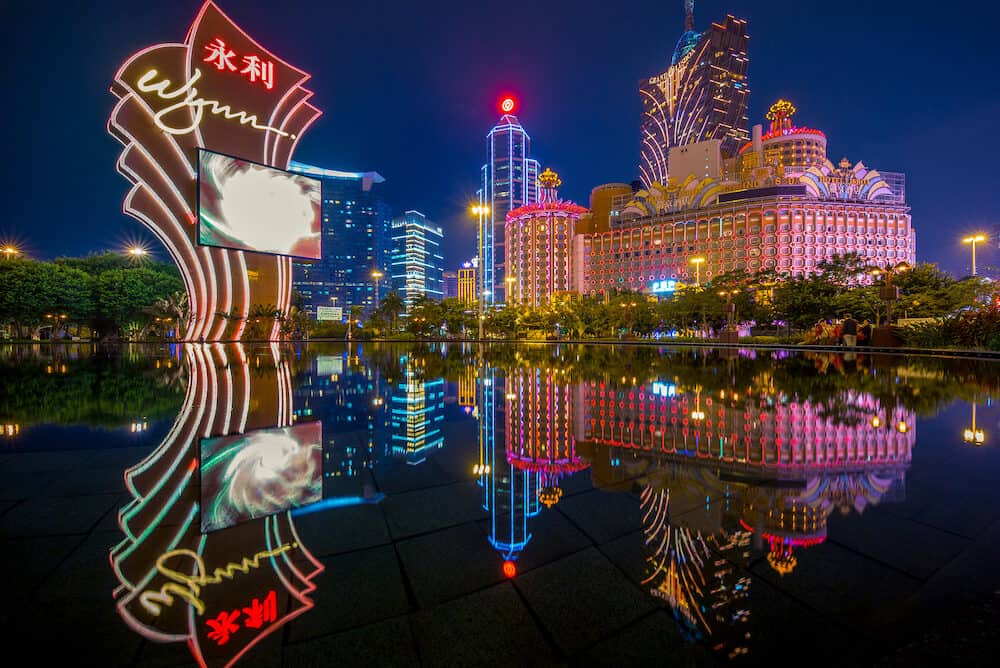
- Casino hopping on Cotai Strip: Even if you do not gamble, the architecture is jaw dropping. The Venetian’s canals and The Londoner’s facade are free to explore.
- Live music at Old Taipa Tavern: A low key expat bar with jazz nights. Check their Facebook page for schedules.
Top Tours and Experiences in Macau and Around the Area
Half day walking tour: $30 via GetYourGuide. Covers Ruins of St. Paul, Senado Square, and a Portuguese egg tart tasting.
Helicopter tour: $700 for 15 minutes. Flies over Macau Peninsula and the bridge. A bucket list splurge.
Day trip to Hong Kong: Combine both cities. Ferries run hourly. Consider a 2 night Macau, 3 night Hong Kong split.
Zhuhai border crossing experience: For the adventurous, walk across the Gongbei border to mainland China. You need a Chinese visa. Check requirements with your embassy as of early this year.
Suggested Itineraries: 1, 2, and 3 Day Macau Plans
1 Day Quick Hit (For gamblers or layovers)
- Morning: Ruins of St. Paul, Fortaleza, Senado Square.
- Afternoon: Ferry to Cotai Strip. Lunch at a casino food court. Visit The Venetian’s Grand Canal.
- Evening: Watch House of Dancing Water or gamble at City of Dreams.
2 Day Immersion (My recommended sweet spot)
- Day 1: Historic walking tour. Lunch at Riquexo. Afternoon at Macau Museum and A Ma Temple. Sunset at Macau Tower.
- Day 2: Morning ferry to Taipa Village. Walk through Portuguese era houses. Lunch of Macanese curry. Afternoon at Cotai Strip. Evening show.
3 Day Deep Dive (For culture and relaxation)
Add a day for Coloane hiking, Hac Sa Beach, and the Panda Pavilion. Also explore the Taipa Houses Museum and try a traditional Portuguese dinner at Antonio’s.
Length of stay: 2 full days is perfect for Macau. 3 days if you want to hike and relax. Avoid 1 day unless strictly necessary.
Pros and Cons of Visiting Macau (Local View)
Pros
- Rich historical fusion unlike anywhere else in Asia.
- Excellent public transport and free shuttles.
- World class dining from street food to Michelin stars.
- Very safe for solo travelers, couples, and families.
Cons
- Summer heat and humidity can be brutal.
- Hotel prices double during Grand Prix and Chinese New Year.
- Crowds at major attractions can feel overwhelming.
- Gambling culture may not appeal to all visitors.
How to Stay Safe in Macau: Pro Tips and Emergency Contacts
Macau is exceptionally safe. The crime rate is low, and violent crime is rare. However, petty theft does occur in crowded areas like the ferry terminal and Senado Square.
Safety tips: Keep wallets in front pockets. Do not flash large amounts of cash. Use hotel safes for passports. Stick to well lit streets at night in the old city.
Emergency contacts: Dial 999 for police, fire, or ambulance. Non emergency police: 853 2857 3333. For medical assistance, Macau Government Hospital (Conde S. Januario) has English speaking staff.
Scam awareness: Ignore strangers offering “lucky money” or “free hotel stays.” Only buy ferry tickets from official booths or verified online platforms like Kayak.
Frequently Asked Questions About Macau Travel
Do I need a visa for Macau?
Many nationalities receive visa free entry for stays between 14 and 90 days. Citizens of the US, UK, Canada, Australia, and most EU countries get 30 days. Check the Macau Government Tourism Office website for your specific country as of early this year.
Is Macau expensive?
It can be. Mid range travelers spend $120 to $200 per day. Budget travelers can survive on $60 by eating local street food and staying in hostels. Casino resorts offer luxury at a high price, but regular hotels are reasonable.
Can I use Hong Kong dollars in Macau?
Yes. Macau Pataca (MOP) is the official currency, but Hong Kong dollars (HKD) are accepted at 1:1 exchange rate in most shops and casinos. You may receive change in MOP.
What is the best family friendly attraction in Macau?
The Macau Science Center and the Macao Giant Panda Pavilion are excellent for children. The House of Dancing Water show also mesmerizes all ages. Avoid casinos with children as entry is restricted to those 21 and over.
Is Macau good for non gamblers?
Absolutely. I spent my entire trip without gambling. The UNESCO historic center, hiking trails, museums, and food scene kept me fully occupied. Gambling is just one small facet of Macau.
Plan Your Macau Trip: Booking Resources We Trust
The WakaAbuja team personally uses and recommends these platforms for the best deals and reliable service. Prices and availability change daily, so booking through our links supports our independent travel research.