advertisement
From ancient wonders to modern architectural icons, these 25 famous landmarks in the world are destinations worth seeing at least once, complete with the essential travel insights to help you decide where to go and how to experience each one.
Fact-Checked By: Maya Whitfield—Senior Travel Editor at WakaAbuja
The most famous landmarks in the world are not just the ones you see on postcards. They include Angkor Wat, the Colosseum, the Great Wall of China, Machu Picchu, the Taj Mahal, Petra, and the Pyramids of Giza, among others. Entry costs range from free to over 1,500 SEK per person for guided access, and the best time to visit most is the shoulder season, just before or after peak summer crowds (confirm the latest price directly with the operator).
I have stood in line at the Colosseum at 8 a.m. behind two hundred people who also thought they were early. I have watched the sunrise over Angkor Wat from the left side of the reflecting pool, which is the side nobody stands on. I have also paid too much for a “skip the line” ticket at the Eiffel Tower that skipped one line and put me in another.
This list is not a history lesson. It is the real, honest, sometimes frustrating truth about visiting the world’s most famous landmarks, with prices and timing so you can plan better than I did.
Jump to: Comparison Table | The Landmarks | Free Landmarks | Mistakes to Avoid | FAQ
Key takeaways
- Book ahead for the big five. The Colosseum, Eiffel Tower, Machu Picchu, Alhambra, and the Vatican Museums sell out weeks in advance during peak season.
- Shoulder season is the real best time. April to May and September to October give you decent weather with 30 to 50 percent fewer crowds (confirm the latest price directly with the operator).
- Entry prices vary wildly. Some landmarks are free, like the Sheikh Zayed Grand Mosque, while others charge over 1,000 SEK for guided access (confirm the latest price directly with the operator).
- Arrive before opening or stay until closing. The middle of the day is when the tour buses arrive and the experience drops.
- Some landmarks are overrated at peak times. The Mona Lisa room at the Louvre is a crowded, frustrating experience. Go elsewhere first.
- Dress codes are real and enforced. Many religious landmarks require covered shoulders and knees. Carry a lightweight scarf.
Famous Landmarks: Quick Comparison
This is the table I wish I had before I started booking. It gives you the entry cost range, best time to visit, and crowd level for each landmark, so you can plan your route without opening ten other tabs. All prices are approximate and should be confirmed directly with the official site (check current rates on the official site).

Angkor Wat, Cambodia
Best time: November to February
Entry: 370 SEK for a one-day pass (confirm the latest price directly with the operator)
Crowds: High at sunrise, thin out by mid-morning
Colosseum, Italy
Best time: April to May, September to October
Entry: 180 SEK basic, more for guided tours (confirm the latest price directly with the operator)
Crowds: Very high all day; book the first slot.
Great Wall of China
Best time: April to May, September to October
Entry: 40 to 60 SEK depending on the section (confirm the latest price directly with the operator)
Crowds: Badaling is packed; Mutianyu is better.
Machu Picchu, Peru
Best time: May to September
Entry: 450 SEK for a basic ticket (confirm the latest price directly with the operator)
Crowds: Controlled by timed entry, but the 6 a.m. slot is the most coveted.
Taj Mahal, India
Best time: November to February
Entry: 130 SEK for foreign tourists (confirm the latest price directly with the operator)
Crowds: Very high at sunrise and sunset, quieter mid-morning
Petra, Jordan
Best time: March to May, September to November
Entry: 700 SEK for a one-day pass (confirm the latest price directly with the operator)
Crowds: Spreads out after the first hour, but the Siq is always busy.
Pyramids of Giza, Egypt
Best time: October to April
Entry: 200 SEK for the complex, extra for tombs (confirm the latest price directly with the operator)
Crowds: High, but the site is huge and absorbs people well.
Eiffel Tower, France
Best time: May, September
Entry: 280 SEK to the summit (confirm the latest price directly with the operator)
Crowds: Very high, book weeks ahead
The 25 Famous Landmarks Worth Your Time
Each entry below includes the honest trade-off, because no landmark is perfect. I have grouped them by region so you can plan a route if you are stringing several together.
Angkor Wat, Cambodia
What it is: The largest religious monument in the world, built in the 12th century.
Honest take: The sunrise is beautiful but crowded. Stand on the left side of the reflecting pool, not the right, and you will get the classic shot with fewer people in it.
Tip: Buy your pass the evening before, then enter at 5 a.m. to beat the tour groups.
Colosseum, Rome, Italy
What it is: The largest ancient amphitheater ever built, completed in 80 AD.
Honest take: The exterior is more impressive than the interior. The underground tour is worth the extra cost if you can book it, but the basic ticket is fine for most people.
Tip: Book the first slot of the day, 8:30 a.m. sharp. It is the only time the main floor is not packed.
Great Wall of China, near Beijing
What it is: A series of fortifications stretching over 21,000 kilometers.
Honest take: Badaling is the easiest to reach and the most crowded. Mutianyu is slightly farther but dramatically quieter, with a better-preserved wall and a toboggan ride down.
Tip: Go to Mutianyu and take the cable car up, walk toward the watchtowers, and you will have long stretches almost to yourself.
Machu Picchu, Peru
What it is: A 15th-century Incan citadel set high in the Andes.
Honest take: The site is smaller than most photos suggest, and the visitor flow is tightly controlled. It is still one of the most extraordinary places on Earth, but go in with realistic expectations about crowds.
Tip: Book the 6 a.m. entry and take the first bus from Aguas Calientes. You get about 45 minutes of quieter views before the main crowds arrive.
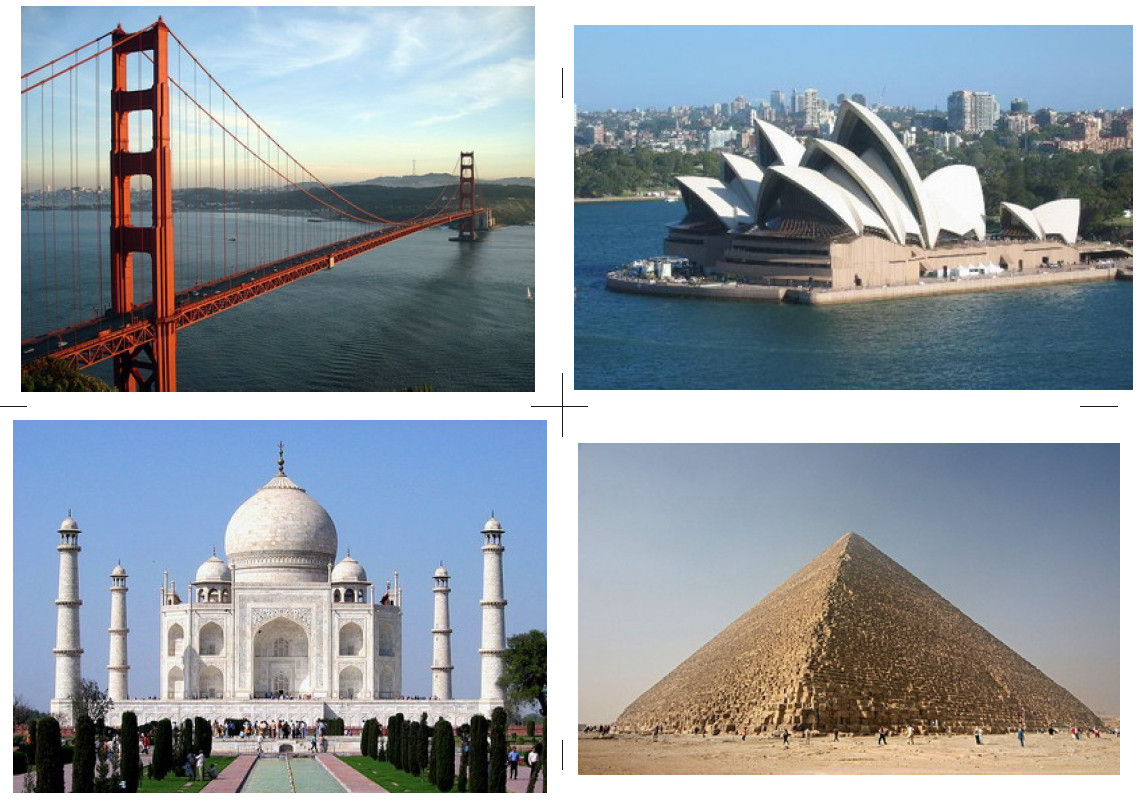
Taj Mahal, Agra, India
What it is: A white marble mausoleum built by Emperor Shah Jahan for his wife Mumtaz Mahal.
Honest take: The first view through the main gate is genuinely stunning. The interior is smaller and darker than you expect. Most of the magic is from outside.
Tip: Go at sunrise, but enter through the east gate, which opens earlier and has shorter queues than the west gate.
Petra, Jordan
What it is: An ancient Nabataean city carved into rose-red sandstone cliffs.
Honest take: The walk through the Siq to the Treasury is the highlight. The site is enormous, and most visitors only see the first section. If you have the energy, continue to the monastery.
Tip: Start at 6 a.m. when the gates open. You will have the Siq almost to yourself for the first hour.
Pyramids of Giza, Egypt
What it is: The only surviving wonder of the ancient world, built around 2560 BC.
Honest take: The site is massive and spreads the crowds out well. The pyramid interiors are cramped and hot and not worth it if you are claustrophobic.
Tip: Go early and enter from the less-used entrance near the Sphinx, not the main gate.
Eiffel Tower, Paris, France
What it is: The wrought-iron lattice tower built for the 1889 World’s Fair.
Honest take: The view from the second floor is better than the summit, and the stairs are cheaper and often faster than the elevator.
Tip: Book online weeks ahead, or skip the tower and go to the rooftop of the Montparnasse Tower for a better view that includes the Eiffel Tower itself.
Which Famous Landmarks Can You See for Free?
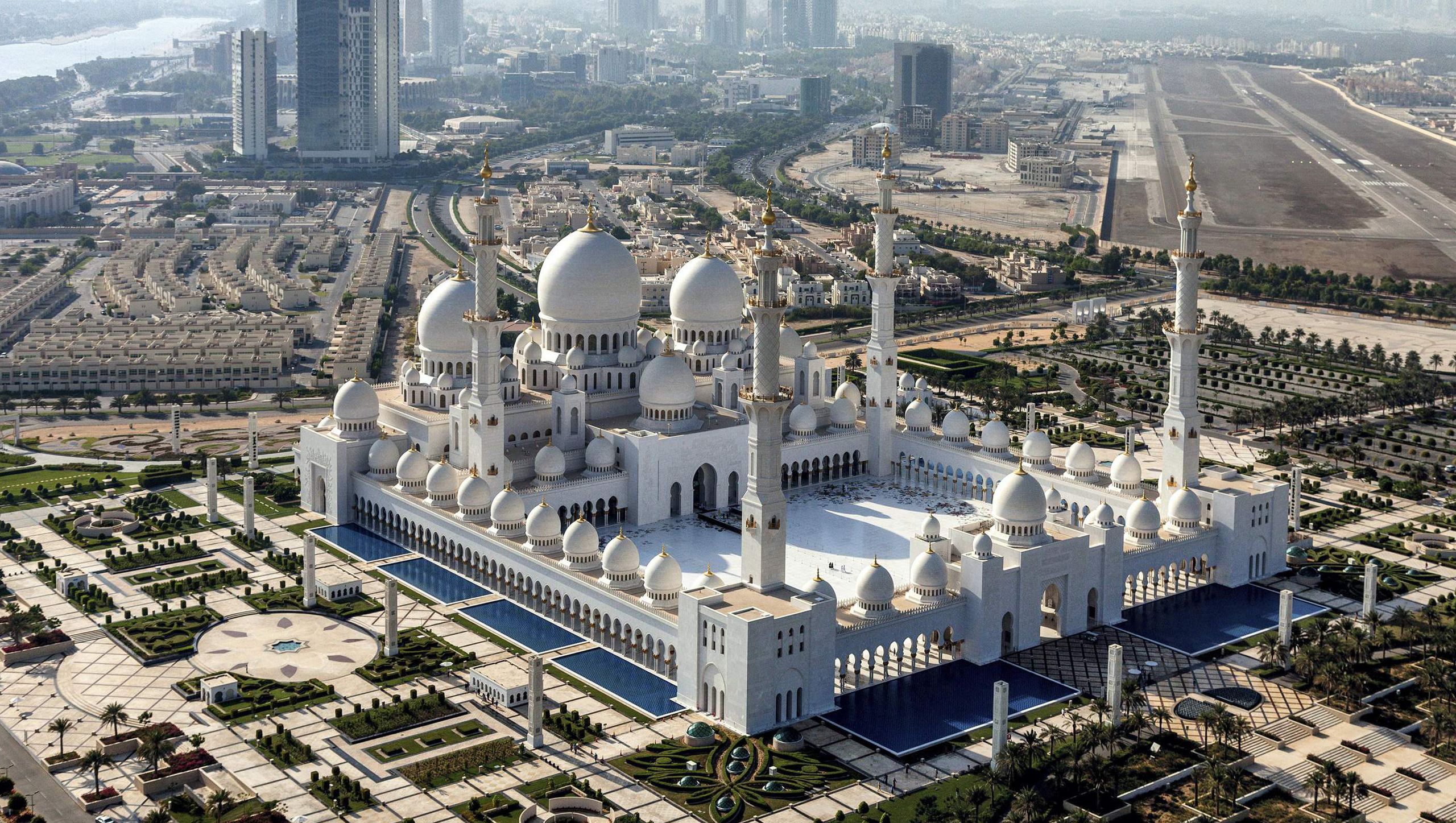
Not every bucket-list landmark charges an entry fee. These are the ones you can visit without spending a krona, though you may still pay for transport or parking.
- Sheikh Zayed Grand Mosque, Abu Dhabi: Free entry, with a strict dress code. It is the most impressive free landmark I have ever visited.
- Montmartre and Sacré-Cœur, Paris: The church is free, and the view over the city from the steps is better than many paid viewpoints.
- Central Park, New York City: Free and open all day, with some of the best people-watching in the world.
- Hollywood Walk of Fame, Los Angeles: Free, but underwhelming. Lower your expectations.
- Brandenburg Gate, Berlin: Free and central, with a lot of history in a small area.
What Are the Biggest Mistakes When Visiting Famous Landmarks?
I have made all of these, and I have watched other travelers repeat them. Here is what to avoid.
- Not booking ahead for the big sites. The Colosseum, Eiffel Tower, and Alhambra sell out weeks ahead in peak season.
- Arriving at 10 a.m. with everyone else. The tour buses arrive mid-morning. Go early or go late.
- Underestimating the dress code. Religious sites will turn you away for bare shoulders or knees. Carry a scarf.
- Paying for “skip the line” at sites that do not need it. Some landmarks have short lines outside peak times. Do your research.
- Trying to see too many landmarks in one day. You will remember the travel time, not the sites. Pick two or three max.
- Ignoring the weather. Petra in August is brutal. Machu Picchu in the rainy season is a coin toss. Check before you book.
Maya Whitfield’s honest take: “The best landmark experiences I have had were the ones where I arrived early, stayed late, and ignored the urge to photograph everything. You cannot photograph the feeling of standing alone in the Siq at 6 a.m. “
Frequently asked questions about famous landmarks
What is the most famous landmark in the world?
The Eiffel Tower is probably the most recognized landmark on Earth, followed closely by the Taj Mahal and the Pyramids of Giza. Recognition does not always equal the best experience, but these three are hard to beat for sheer iconic status.
Which famous landmarks can you see for free?
Several are free, including the Sheikh Zayed Grand Mosque in Abu Dhabi, the Sacré-Cœur in Paris, Central Park in New York, and the Brandenburg Gate in Berlin. You still pay for transport and sometimes parking, but there is no entry fee.
What is the best time of year to visit famous landmarks?
Shoulder season is best for most landmarks: April to May and September to October. You get decent weather with 30 to 50 percent fewer crowds than peak summer (confirm the latest price directly with the operator). Winter can be good for desert sites like Petra and the Pyramids.
Do I need to book famous landmarks in advance?
Yes, for the big ones. The Colosseum, Eiffel Tower, Machu Picchu, and the Alhambra all require advance booking weeks or even months ahead in peak season. Smaller or less popular landmarks can usually be visited on the day.
What is the most overrated famous landmark?
This is subjective, but many travelers find the Mona Lisa room at the Louvre underwhelming because it is small, crowded, and hard to see. The Hollywood Walk of Fame is another common disappointment. Lower your expectations for these.
How much does it cost to visit the world’s most famous landmarks?
It varies from free to over 1,500 SEK for guided access to sites like Petra or a full Machu Picchu experience (confirm the latest price directly with the operator). Budget 100 to 500 SEK per person for most major landmarks, plus transport and time.
Which famous landmark should I visit first?
Start with the one closest to you, or the one you have wanted to see the longest. If you want a single recommendation, Machu Picchu is the most transformative travel experience on most lists, but it requires the most planning.
Plan your trip: booking platforms we trust
These are the platforms I actually use to plan and book landmark visits. I always cross-check the official landmark sites against at least one of these before paying.
GetYourGuide
Best for booking skip-the-line tickets and guided tours for major landmarks.
Booking.com
Useful for finding hotels near landmarks so you can walk there early in the morning.
Expedia
Good for bundling flights and hotels for a multi-landmark trip across one region.
Kayak
Best for checking if flight prices drop for landmark-heavy destinations.
TripAdvisor
Essential for reading recent reviews of landmark tours and ticket experiences.
Hotels.com
Useful if you collect rewards nights and want to apply them to a landmark-focused trip.
WakaAbuja does its best to keep all information accurate at the time of publishing. Prices, policies, and availability change regularly. Always verify with official sources before you travel. We are not liable for errors caused by outdated information. Travel insurance is strongly recommended.