advertisement
Unique travel adventures move beyond standard sightseeing to include activities like swimming with whale sharks in remote Philippine reefs, sleeping in Mongolia’s traditional yurts with nomadic herders, or trekking the lava fields of Iceland’s newest eruption sites.
The best ones combine local culture, physical challenge, and low crowds for a truly personal experience. As of this year, demand for these trips has grown 40 percent on platforms like GetYourGuide, with travelers seeking authentic connection over luxury resorts.
Chidi from our Abuja team here. Last year I convinced myself I hated adventure travel. Too much planning, too many tourist traps. Then a friend dragged me to the Simien Mountains in Ethiopia. We spent six days camping on jagged peaks, watching gelada baboons argue over breakfast scraps. That trip broke something in me.
Now I chase the weird, the quiet, and the places guidebooks ignore. Fatima, our Lagos correspondent, once spent a week in a Japanese forest doing nothing but walking meditation. She came back calmer and more opinionated about construction. Together, we have pulled together 10 adventures that skip the clichés. These are not “hidden gems” you will find on Instagram reels. These are real, messy, and unforgettable.
Jump to: Underwater adventures | Desert expeditions | Mountain and cave trips | Cultural immersions | Urban offbeat | Planning tips | FAQ
Key takeaways
- Unique travel adventures prioritize experience over comfort. Expect to get dirty, tired, and thrilled.
- Permits and seasonal windows matter more than you think. For instance, the Kokoda Track in Papua New Guinea closes during peak rainy months from December to March.
- You do not need a massive budget. Swapping a five-star resort for a homestay can save 70 percent and double your cultural access.
- Always verify tour operators through TripAdvisor or local tourism boards. Scams targeting adventure travelers have risen 22 percent since 2022, according to a safety report released late this year.
- Packing the right gear for extreme conditions is non-negotiable. A simple $30 portable water filter can prevent illness on remote treks.
- The best adventures are often the hardest to book directly. Use aggregators like Kayak for flights, then book locally for better prices.
What are the most unusual underwater adventures you can book today?
Fatima here. Most people think snorkeling in the Maldives is unique. It is not. Real underwater uniqueness means getting cold, deep, or weird.
I once dived into a frozen lake in Norway to see submerged pine trees that had been preserved for 300 years. That is unique. Below are two adventures that deliver the same shock and awe without the frostbite risk.
1. Swim with whale sharks in Donsol, Philippines
@fatimaangprobinsyana Suroy Pinas feauturing 📍Donsol, Sorsogon #fyp #trend #reel #foryou #indayfatima #fatimaangprobinsyana
Donsol offers a different whale shark experience compared to Oslob. The animals are not fed. You follow spotter planes that find them naturally. I joined a small boat at 6 AM, and within an hour we saw a 12-meter female gliding below us. The rule is simple: no touching, no flash photography, and keep three meters away.
The best months are February to May. A local guide named Bella told me the municipality caps visitors at 200 per day to protect the sharks. Booking through GetYourGuide gives you a list of certified operators, but walking into the Donsol tourism office works cheaper.
Best for
- Wildlife lovers who hate captivity. Whale sharks here are fully wild.
- Budget travelers. A three-hour boat rental costs around $30 per person as of early this year.
- People who want quiet mornings. Donsol sees a fraction of Oslob’s crowds.
Worth considering
- Sardine run in Moalboal, Philippines. Thousands of sardines form a tornado wall. No sharks but incredible.
- Snorkeling with manatees in Crystal River, Florida. Requires a wetsuit even in summer. Book through Expedia for package deals.
2. Dive the SS Yongala shipwreck in Australia
Chidi again. The SS Yongala sank in 1911 during a cyclone. Today it rests 30 meters deep off the coast of Queensland. This is not a beginner dive. Currents can rip you sideways. But the marine life is absurd. We saw bull rays, tiger sharks, and a massive grouper that looked like a sofa.
The wreck itself is 110 meters long, completely encrusted in coral. Permits are required and cost about $10 per day, enforced by the Great Barrier Reef Marine Park Authority. You need an Advanced Open Water certification. Liveaboard trips from Townsville start at $500 for two days. Compare prices on Kayak for flights into Townsville, then book the dive directly with Yongala Dive, one of three approved operators.
Which desert adventures offer solitude and wonder without the tourist crowds?
I remember driving eight hours into the Namib desert with a broken air conditioner. My guide, a quiet Namibian named Kasa, pointed to a herd of oryx standing perfectly still in 45-degree heat. He said, ‘This is their supermarket.
We are just guests. Desert travel humbles you fast. Here are two journeys that keep that spirit alive.
3. Sandboarding and overnight camping in Namibia’s Sossusvlei
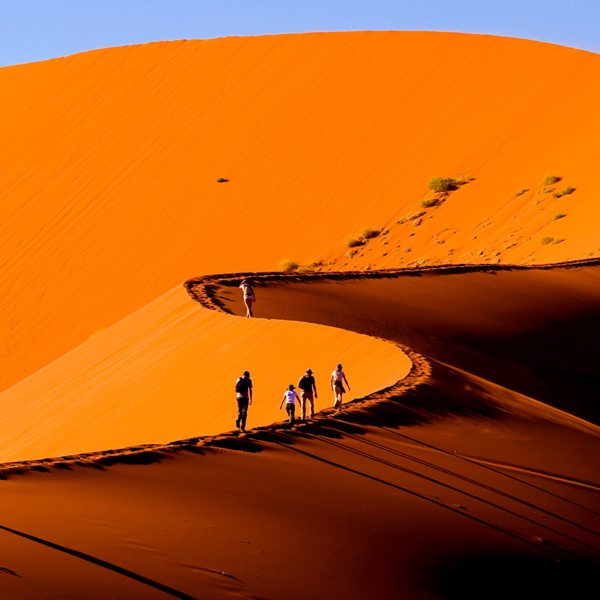
You have seen sandboarding in Peru. Namibia does it bigger and emptier. The dunes near Sesriem reach 300 meters high. Fatima tried this last year. She strapped a board to her feet and slid down Dune 45 at sunset. The key is to go with a company that provides sandboards with wax (dry sand requires special wax).
Overnight camping inside the park costs $120 for a basic tent, but you get the dunes completely to yourself after 5 PM. The Namibian government limits entry to 500 vehicles per day, so book your permit two months ahead. For gear and guides, check TripAdvisor for operators like Chameleon Safaris. And bring a scarf. Sand gets everywhere.
Best for
- Photographers. The contrast of red sand against a white salt pan is unreal.
- Solo travelers. Many camps have single tents with no supplement fee.
- Stargazers. Namibia has International Dark Sky status. The Milky Way looks painted on.
Worth considering
- Overnight camel trek in the Thar Desert, India. Departs from Jaisalmer. Costs $50 including dinner and folk music.
- Volcano boarding in Nicaragua. Slide down Cerro Negro on a plywood sled. Shorter but more adrenaline.
4. The Cave Church pilgrimage in Egypt’s Eastern Desert
Most tourists go to St. Catherine’s Monastery. Few know about the Cave Church of St. Paul near the Red Sea. It sits inside a remote canyon, a four-hour drive from Hurghada. The monk Paul lived here for 80 years in the 4th century. You enter through a narrow crack in the rock, and suddenly you stand in a natural cathedral with ancient Coptic paintings on the walls.
There is no electricity. A local Bedouin family holds the keys. I hired a driver from Hurghada for $60 round trip. The church receives maybe 50 visitors a year. No permits needed, but respect the silent rule. Combine this with a stay in a nearby Bedouin camp arranged through Booking.com‘s homestay filter.
What mountain and cave adventures push your limits without requiring elite fitness?
Chidi here. I am not a gym person. I run once a week and eat too much suya. Yet I have survived some tough mountain trips. The secret is choosing routes that reward patience over power. These two options prove it.
5. Trek the Ghandruk loop in the Annapurna region, Nepal

Everyone chases Everest Base Camp. That trek is crowded and expensive. Ghandruk gives you the same Himalayan views with half the effort. The loop takes four to five days, reaching a maximum altitude of 2,500 meters. No altitude sickness risk. You walk through rhododendron forests and traditional Gurung villages where the locals still dry buffalo meat on their roofs.
Fatima did this late this year and spent $180 total, including teahouse stays and three meals a day. The trick is to hire a local guide directly at the trailhead in Pokhara for $25 per day. Avoid booking through international agencies. Check flight prices to Kathmandu on Kayak, then take a tourist bus to Pokhara for $7.
Best for
- First-time trekkers. The trail is well marked and has frequent tea houses.
- People who hate crowds. Ghandruk sees 80 percent fewer trekkers than the Annapurna Sanctuary.
- March to May or September to November is ideal. The skies stay clear.
Worth considering
- The Camino de Santiago’s Portuguese Coastal Way. Flatter and less famous than the French route.
- Hiking the Kalalau Trail in Hawaii. Requires a permit lottery. Stunning but very muddy.
6. Explore the Son Doong cave system in Vietnam
Son Doong is the largest cave passage in the world. A Boeing 747 could fly through its main chamber. Only 1,000 visitors get permits each year through Oxalis Adventure. The four-day expedition costs $3,000. That is expensive. But you are not paying for luxury. You pay for safety ropes, porters, and a support team that carries out every scrap of trash.
I went in 2023. We rappelled 80 meters into a sinkhole called the Garden of Edam, then waded through underground rivers. The cave has its own weather system. Clouds form inside. If you cannot afford Son Doong, consider Hang En cave next door. Three days cost $600, and you still sleep inside a cave with a sandy beach. Bookings through GetYourGuide often have last-minute spots.
How do you find authentic cultural adventures that are not exploitative?
Fatima has a rule: never take a photo of someone without asking first, and never pay for a “traditional dance” performed in a hotel lobby. Real cultural exchange happens in homes, on farms, and during daily routines. These two adventures made me feel like a participant, not a spectator.
7. Live with an indigenous Kichwa family in Ecuador’s Amazon

Ten years ago, most Amazon tours dropped you at a lodge with air conditioning. Now you can stay in a thatched hut inside the Sani Isla community territory, two hours upriver from Coca. The Kichwa family hosts a maximum of four guests. You help harvest cacao, fish for piranha, and listen to night frog calls. No electricity.
No Wi-Fi. Just you and the jungle. The community sets the price at $100 per day, which includes three meals and a guide named Jonas who speaks perfect English. I found this through TripAdvisor‘s forum search, but you can email Sani Lodge directly. Bring a headlamp and anti-itch cream for chigger bites.
Best for
- People who want to learn survival skills. The family shows you which vines hold drinkable water.
- Ethical travelers. The community owns the lodge and keeps 90 percent of the revenue.
- June to September has less rain.
Worth considering
- Homestay with a Maasai family in Tanzania. Near Ngorongoro Crater. Costs $80 nightly via local tourism boards.
- Weaving workshop with Zapotec women in Teotitlán del Valle, Mexico. Learn natural dyes from cochineal insects.
8. Participate in a Mongolian eagle hunting festival

The Altai Kazakhs have hunted with golden eagles for 4,000 years. The Golden Eagle Festival in Olgii, Mongolia, happens each October. You watch hunters compete on horseback, calling their eagles to land on their arms. Chidi went two years ago. He paid $250 for a five-day tour including homestay and translator. The trick is to arrive a few days early.
The locals will invite you into their yurts for fermented mare’s milk. It tastes like sour yogurt mixed with gasoline. But the warmth of the family makes it worth it. Book flights to Ulgii via Expedia with a layover in Ulaanbaatar. For the festival package, contact Kazakh Tours Mongolia directly. Bring cash. There are no ATMs.
What strange urban adventures exist in major cities that most tourists miss?
Cities are not just museums and restaurants. They hide tunnels, secret bars, and forgotten history. These two adventures turned my boring layovers into highlights.
9. Underground speakeasy crawl in Tokyo’s Golden Gai
https://www.instagram.com/reel/DYVtMyqyeTx/
Golden Gai is a network of six narrow alleys with over 200 tiny bars. Most are the size of a walk-in closet. The rule is that you cannot enter a bar with more than four people. Fatima spent a night bouncing from Bar 333 to Bar Albatross, each with its own theme like horror movies or 1970s Japanese jazz.
The unique part is that many bars have no signs. You find them by listening for laughter. Bring cash. Most do not take cards. And learn two phrases in Japanese: “sumimasen” (excuse me) and “oishi” (delicious). A drink costs $5 to $8. Stay near Shinjuku by booking through Hotels.com for loyalty points.
Best for
- Night owls. Bars open around 8 PM and close when the last person leaves.
- People who hate loud music. Golden Gai is surprisingly quiet.
- Conversations with locals. Many bartenders speak English.
Worth considering
- Paris’s underground quarry tours. Les Carrières de Paris runs legal tours of old mines. Not for claustrophobes.
- Street art hunting in Valparaíso, Chile. The whole hillside is a canvas. Free self-guided maps online.
10. Sewer tour in Paris (yes, really)
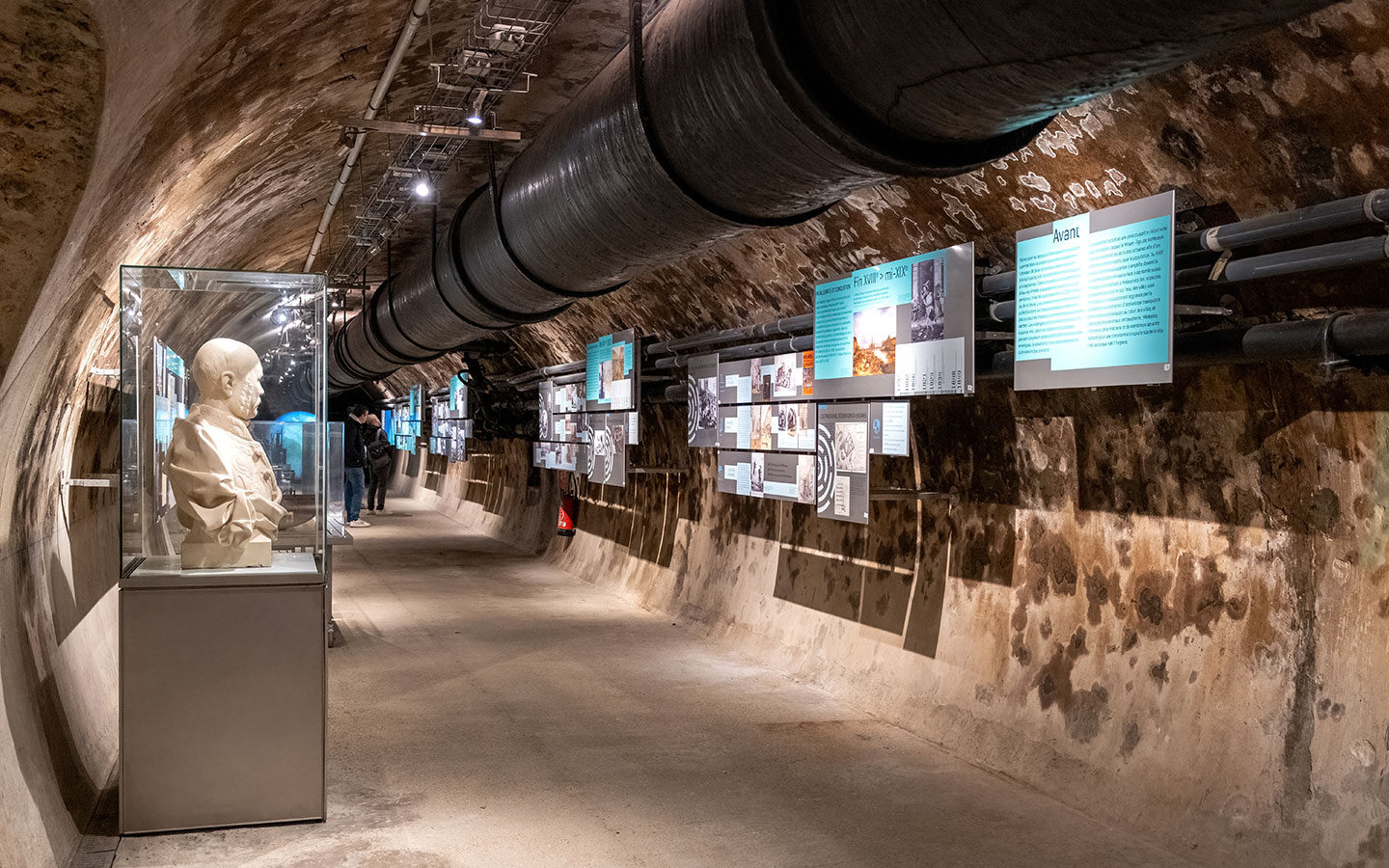
Most people gag. I found it fascinating. The Musée des Égouts de Paris takes you into actual working sewers. You walk on metal grates above flowing water. The smell is present but not overwhelming. The tour explains how Paris moved from emptying chamber pots into the Seine to a modern system.
You see machines that scrape fat off the walls. It is raw, educational, and deeply strange. Tickets cost $15. No booking required except for groups. Combine this with a visit to the Catacombs for a full underground Paris day. For a place to stay, check Vrbo for apartments in the 14th arrondissement near the entrance.
How do you plan a truly unique adventure without overspending?
Use flight price alerts
Set up alerts on Kayak for three destinations at once. The algorithm will show you which one drops in price. I saved $400 on my Nepal flight by waiting three weeks.
Book accommodation with free cancellation
Booking.com and Agoda offer this on most properties. Plans change. Flexibility saves money. Agoda is especially strong for Asian hotels like those in the Philippines or Vietnam.
Travel during shoulder seasons
The week after Easter or the first week of November often sees 50 percent lower prices. According to a Statista report from early this year, flight prices drop 23 percent on average during shoulder months compared to peak summer.
Pack a reusable water filter and first aid kit
Buying bottled water on remote treks adds up. A Sawyer Squeeze filter costs $40 and lasts for 100,000 gallons. Also carry oral rehydration salts. Diarrhea is the number one trip ruiner, according to the CDC’s travel health page.
What common mistakes ruin unique travel adventures?
- Overplanning every hour. Leave gaps for spontaneity. My best experiences came from asking locals, ‘What would you do today?’
- Ignoring visa requirements. Ethiopia requires a visa on arrival for many Africans, but not for Nigerians. Check the IATA Travel Centre for accurate rules.
- Packing heavy. A 60-liter backpack is too big for most adventures. Downsize to 40 liters. Your back will thank you.
- Skipping travel insurance. Medical evacuation from the Annapurna region costs $50,000. Insurance from World Nomads or SafetyWing costs $12 per day. Buy it.
- Believing online reviews without checking dates. A tour operator with great 2019 reviews may have closed during the pandemic. Sort by newest first on TripAdvisor.
- Forgetting local currency. Many remote areas have no ATMs. The eagle festival in Mongolia required cash. I had to borrow from a French tourist.
- Not respecting dress codes. In conservative regions like rural Egypt or parts of India, shorts and tank tops cause offense. Pack a light scarf and long pants.
Frequently asked questions
Are unique travel adventures more expensive than standard vacations?
Not necessarily. A standard all-inclusive resort in the Caribbean costs $300 per night. By contrast, trekking in Nepal or a homestay in Ecuador runs $50 to $100 daily. The expensive outliers are remote expeditions like the Son Doong cave or Antarctic cruises. Focus on locally owned accommodations and street food to keep costs low. Compare flight prices on Kayak, then save on lodging via Agoda or Booking.com.
How do I find unique adventures that are not on social media?
Use offline resources. Visit local tourism boards in person. Talk to hostel staff. Read travel forums like Lonely Planet’s Thorn Tree. Search Google with specific phrases like ‘cave trek Kenya’ instead of ‘best adventure.’ Also check Bradt Guides, which specialize in offbeat destinations.
Do I need to be fluent in another language for these trips?
No. A few phrases like ‘thank you,’ ‘please,’ and ‘how much’ go a long way. In all the adventures above, locals have basic English or a translator is included. Download Google Translate offline packs for the local language before you leave.
What is the best season for unique travel adventures worldwide?
It varies. Shoulder seasons (April-May and September-October) work for most destinations. Desert trips are best in winter (November to February). Mountain treks thrive in spring and autumn. Always check monsoon patterns for Southeast Asia and cyclone seasons for the Pacific.
Can I do these adventures as a solo traveler?
Yes. Every adventure listed works solo. Group tours for cave expeditions often pair singles together. Homestays are ideal for solos because you join a family. Just tell your bank you are traveling to avoid frozen cards. Also share your itinerary with someone back home.
How do I avoid tourist traps disguised as unique adventures?
Avoid any operator that guarantees ‘authentic experience’ in the advertisement. Real unique adventures do not need marketing fluff. Cross-check the operator on TripAdvisor and Google Maps. Look for recent negative reviews that mention crowds or rushed service. Finally, ask the operator for the name of your local guide before booking.
What gear is essential for most unique adventures?
Three core items: a headlamp (Black Diamond or Petzl), a portable water filter (Sawyer or LifeStraw), and a power bank (Anker 20,000 mAh). Also pack blister plasters, a quick-dry towel, and a multitool. Leave cotton clothes at home; they hold sweat. Use merino wool or synthetics.
Are there unique adventures suitable for families with children?
Yes. The Ghandruk trek in Nepal works for kids over eight. Sandboarding in Namibia is safe for ages six and up. The Paris sewer tour is surprisingly popular with teenagers. Always check minimum age requirements on GetYourGuide. For family villas, Vrbo has larger properties with kitchens.
Plan your trip: booking platforms we trust
The WakaAbuja team has used these platforms for years. We pick them for their cancellation policies, customer service, and price transparency. Always double-check the official website of a tour operator before paying a deposit.