
advertisement
Travel to Seville Spain: What No One Tells You Before Visiting This Magical Spanish City
To travel to Seville, Spain, book your Alcázar and Cathedral tickets online at least two weeks ahead, especially if visiting during the spring festivals. The best way to arrive is via the AVE high-speed train from Madrid in just 2.5 hours, and you should budget around 120 to 150 euros per day for a comfortable mid-range experience that includes tapas bar hopping in Triana and a flamenco show.
I landed in Seville in late June with a cheap suitcase and a list of recommendations from a friend who had studied abroad there. The suitcase wheel broke on the cobblestones of Santa Cruz within ten minutes. That is Seville in a snapshot: impossibly beautiful, ancient, and completely indifferent to your plans. Chidi, who handles our logistics back in Abuja, had warned me about the summer heat, but no one told me that the real shock would be the quiet.
In August, the city empties between 2 p.m. and 6 p.m. in a way that feels almost post-apocalyptic, then at 9 p.m. the entire population pours onto the Alameda de Hércules as if someone flipped a switch. This guide is everything I learned by sweating through that first trip and the three that followed.
Jump to: Getting There | Best Time to Visit | Where to Stay | Daily Costs | Sights & Tickets | Tapas & Food | Flamenco | Day Trips | Mistakes to Avoid | FAQs
Key takeaways
- Book the Alcázar of Seville online at least two weeks before your trip; same-day tickets are almost nonexistent, especially from March through October.
- Summer daytime temperatures routinely hit 40°C. Plan indoor activities from 1 p.m. to 5 p.m. and embrace the late-night Spanish dining schedule.
- Tap water in Seville is safe to drink, and many traditional bars in Triana and La Macarena still serve a free small tapa with each drink order.
- The AVE train from Madrid is the most popular arrival method, but flying into Málaga and driving or taking a bus can save significant money on peak dates.
- Semana Santa and Feria de Abril are not just busy; they transform the entire city’s rhythm. Book accommodation six months ahead if visiting during either festival.
How do I get to Seville from outside Spain?
Seville Airport (SVQ) is a small, efficient single-terminal airport just 10 kilometers east of the city center. Direct flights arrive daily from London, Paris, Amsterdam, Barcelona, Madrid, and several German cities via Ryanair, Vueling, and Transavia. From the airport, the EA bus line runs every 15 to 30 minutes to the city center for 4 euros, stopping at Santa Justa train station and Prado de San Sebastián. A taxi into the center costs a fixed rate of roughly 22 to 25 euros depending on the time of day. I have always taken the bus; the taxi is faster but the bus is air-conditioned and reliable.
The high-speed AVE train is the real game-changer for this city. From Madrid’s Puerta de Atocha station, the train covers 530 kilometers in just 2 hours and 30 minutes. Book on the Renfe website at least three weeks ahead to find promotional fares as low as 35 euros. The standard walk-up fare can exceed 100 euros. Trains from Barcelona take around 5.5 hours, from Valencia 4 hours, and from Córdoba a breezy 45 minutes. FlixBus and Alsa coaches connect Seville to Málaga, Granada, and Lisbon for under 20 euros, though the Lisbon route runs a slow 5.5 hours. If you are arriving from the Algarve in Portugal, driving across the Guadiana bridge is under two hours, and the A-49 motorway is smooth and well-maintained.
Chidi’s honest take: “Flying into Málaga and taking the 2-hour Alsa bus to Seville saved me almost 200 euros on a round-trip from Lagos. Do the math on multi-city flight searches on Kayak before you commit to a direct SVQ flight. Málaga airport has far more budget routes from West Africa and Northern Europe.”
When is the best time to travel to Seville?
The two giant spring festivals define Seville’s calendar. Semana Santa, the week leading up to Easter Sunday, fills the streets with solemn candlelit processions of hooded penitents carrying massive wooden floats. Hotels sell out months in advance and prices triple. Two weeks later, Feria de Abril explodes in a riot of flamenco dresses, striped tents called “casetas,” and manzanilla sherry poured until dawn. The fairgrounds in Los Remedios host over a thousand private tents. The public casetas are few, but being well-dressed and friendly can sometimes get you invited into a private one.
If you are not attending a festival, October and November are the golden months. Daytime highs hover around a pleasant 25°C, the orange trees lining the streets are heavy with fruit, and hotel rates drop by roughly 40 percent from spring peaks. Late February and early March offer a quiet window with almond blossoms in the countryside and the first warm days. July and August are brutally hot, with temperatures crossing 40°C regularly. I walked the entire perimeter of the Alcázar gardens in July at 2 p.m. once. By the end, I understood why the siesta was invented. The city copes by shifting all social life to the evening; dinner at 10 p.m. feels perfectly natural after a week.
Fatima’s honest take: “I booked Seville for the first week of December and it was a revelation. The Christmas lights on Calle Sierpes were stunning, daytime temperatures sat around 17°C, and I got a boutique hotel room in Santa Cruz for 85 euros a night. No crowds, no sweat, just oranges and nativity scenes.”
Which neighborhood should I stay in when visiting Seville?
Santa Cruz, the former Jewish quarter, is the postcard Seville. Narrow alleys, flower-draped balconies, and the constant echo of horse carriages. It is also ground zero for tourist crowds, and the restaurants here charge roughly 40 percent more than identical ones across the river. I stayed in Santa Cruz on my first visit and left after two days for Triana. That switch changed my entire experience of the city.
Triana, across the Isabel II bridge, is the soul of Seville. This is the ceramics district, the sailor’s quarter, and the birthplace of flamenco. Calle San Jacinto is lined with tapas bars where the bartender still knows half the customers by name. El Centro, around the Alameda de Hércules, is the city’s progressive hub, packed with brunch spots, cocktail bars, and a large LGBTQ+ scene. La Macarena, north of the city walls, feels like a working-class village within the city. The rents are lower, the bars are rougher, and the famous Basilica of Macarena holds the weeping virgin statue that is the star of Semana Santa. For families or those wanting quiet modern apartments, Los Remedios offers wide streets and proximity to the fairgrounds, with properties often listed on Vrbo for longer stays.
Best for first-timers
- Triana: Cross the bridge for local tapas, ceramic shops, and a riverside market. Best value for apartments on Booking.com.
- El Centro/Alameda: Nightlife, brunch, and boutique hotels within walking distance of the Cathedral. Ideal if you plan to be out late.
Worth considering
- Santa Cruz: Unbeatable proximity to the Alcázar and Cathedral, but expect to pay a premium for charm. Use Hotels.com to find loyalty discounts.
- La Macarena: Gritty, authentic, and cheap. Great for solo travelers who want to avoid tourist menus and speak a few words of Spanish.
How much does a trip to Seville actually cost?
@lifeofjazz__ How Much Seville Cost ✈️🇪🇸 #seville #spain #españa #sevilla #traveltiktok #traveltoktok#howmuch #traveldiaries #cheaptravel#travelhacks #traveltips #summer2022#spainishtiktok
Seville is cheaper than Madrid, Barcelona, or San Sebastián, but it is not the bargain it was ten years ago. A comfortable mid-range day for two people, including a private hotel room, three meals focused on tapas, monument entry, and a few drinks, runs roughly 120 to 150 euros per person. A backpacker staying in a hostel dorm, shopping at the Mercado de Triana for picnic supplies, and sticking to the free sights can manage on 50 to 65 euros per day. The single biggest cost swing is accommodation during festival dates. A room that costs 90 euros in October can easily hit 280 euros during Feria.
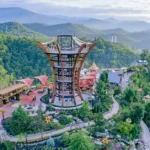
Tapas plates average 3 to 5 euros each. A caña, a small draft beer, costs around 2 euros in a traditional bar. The Alcázar entry is 14.50 euros, the Cathedral and Giralda tower combined ticket is 12 euros, and climbing the las Setas viewing platform, the modern wooden mushroom structure formally called Metropol Parasol, costs 10 euros. A flamenco tablao show in a decent venue runs 22 to 35 euros. I use the Expedia flight-plus-hotel bundle tool when Seville hotel prices spike; packaging a flight with accommodation often hides a 15 percent discount that is not visible when booking separately.
Which Seville attractions do I need to book in advance?
The Real Alcázar is the hill you die on if you do not pre-book. This Mudejar palace complex, still used by the Spanish royal family, releases tickets online in staggered time slots. The 9:30 a.m. slots vanish first. The gardens in the back, with their peacocks and geometric hedges, are vast enough to absorb crowds, but the Hall of Ambassadors and the Patio de las Doncellas feel claustrophobic by 11 a.m. Buy tickets on the official Patrimonio Nacional website or through a skip-the-line tour on GetYourGuide. Do not trust third-party resellers that charge a 20-euro markup for the same ticket.
The Cathedral of Seville, the largest Gothic cathedral in the world, houses Christopher Columbus’s tomb and a bell tower, the Giralda, which was originally a minaret. There are no stairs in the Giralda, just 35 gently sloping ramps designed for a muezzin to ride a horse up to the top. The rooftop tour of the Cathedral, booked separately, is a newer offering that gives a surreal view across the buttresses and gargoyles. The Metropol Parasol, despite looking like a spaceship landed in the old quarter, is worth the 10 euros at sunset. The walkway curves over the city and the light at dusk turns the entire structure amber. The Casa de Pilatos, a 16th-century palace mixing Italian Renaissance and Mudejar styles, is the most underrated sight in the city. It costs 12 euros for the full tour and rarely has a line.
@marcoandflo 10 things to see and do in Seville 🇪🇸✨ ☀️ Plaza de España — the most iconic square in the city, with bridges, tiled details and a cinematic atmosphere. 🌿 Real Alcázar of Seville — royal gardens, Moorish architecture and one of the most beautiful palaces in Spain. ⛪ Seville Cathedral — one of the largest Gothic cathedrals in the world, right in the heart of the city. 🗼 La Giralda — the symbol of Seville, with one of the best views over the old town. 🏘️ Barrio Santa Cruz — narrow streets, hidden patios and the most charming side of historic Seville. 💃 Flamenco show — because in Seville, flamenco is not just a performance, it’s part of the culture. 🌉 Triana — a more local neighborhood across the river, known for ceramics, tapas and authentic atmosphere. 🍊 Metropol Parasol — a modern viewpoint above the city, perfect for sunset. 🌸 Casa de Pilatos — a beautiful palace with courtyards, tiles and quiet Andalusian elegance. 🍷 Tapas in the old town — no trip to Seville is complete without slow evenings, local food and warm light. Seville is not just a city to visit — it’s a city to feel slowly. ☀️🇪🇸 #Seville #Sevilla #SpainTravel #VisitSpain #Andalucia
Chidi’s honest take: “The Plaza de España is free, enormous, and looks like a film set because it was one. Rent a small rowboat for 6 euros and paddle under the arched bridges. Go at 8 a.m. before the tour buses arrive or at sunset when the ceramic tiles glow. Skip the horse carriage rides; they cost 45 euros for a 35-minute loop and the horses look worn out by midday.”
How does tapas culture actually work in Seville?
The first rule of Seville tapas is that you do not sit down for a single meal. You move. A caña and a small plate of espinacas con garbanzos at one bar, then a short walk to the next for a montadito de pringá, a small sandwich stuffed with slow-cooked pork that falls apart on contact. This is called tapeo, the art of the tapas crawl, and it is the city’s default social mode. Calle San Jacinto in Triana and the streets around the Alameda de Hércules are the best hunting grounds. A good bar does not need a menu translated into six languages; it needs a chalkboard and a bartender who pushes the day’s fresh catch.
@real.estates Seville, Spain is a historic Andalusian city with a population of around 686,741. Known for its Gothic cathedral, narrow winding streets, and vibrant flamenco culture, Seville offers a deeply rooted sense of tradition. Its strategic location on the Guadalquivir River has long made it a key commercial and cultural center in southern Spain. #seville #spain #city #tour #realestate
In some traditional bars, mostly in Triana and La Macarena, a free tapa still arrives automatically with your drink. This is a dying but glorious custom. The tapa might be a few olives, a slice of tortilla, or a small dish of salmorejo, the thick, chilled tomato soup that is Seville’s superior answer to gazpacho. Order a second round and a different tapa appears. The Mercado de Triana is the best lunch spot, with stalls grilling fresh fish and pouring cold Manzanilla sherry. For a sit-down splurge, book a table at Eslava in San Lorenzo, where the slow-cooked pork cheek and the honey-drizzled cheese are the stuff of local legend. Check recent reviews on TripAdvisor before committing to a specific reservation time, as the popularity has made quality inconsistent on peak nights.
Where should I watch flamenco in Seville without getting scammed?
The difference between a genuine flamenco performance and a tourist trap is the size of the room and the sweat on the dancer’s brow. Tablaos are purpose-built venues with a stage, fixed showtimes, and a ticket price of 22 to 35 euros. Casa de la Memoria in Santa Cruz is the most respected small tablao, seating about 60 people in a former palace courtyard. The acoustics are raw and the dancers are top-tier. Book the 7:30 p.m. show online two days ahead.
For a deeper cut, find a peña, a private flamenco club where members pay annual dues and visiting aficionados are sometimes welcomed if they are quiet and respectful. Peña Torres Macarena, near the Basilica, holds Friday night gatherings where the guitar playing is as serious as the drinking. The performance may not start until midnight. A flamenco bar like La Carbonería, once a secret, is now firmly on the tourist trail, but the shows are still free with a drink purchase and the courtyard setting is undeniably atmospheric. Avoid anyone on the street near the Cathedral offering a “special flamenco show tonight. “These are almost always overpriced, un-air-conditioned affairs with a recorded soundtrack.
What are the best day trips from Seville?
Córdoba is the day trip that feels like a weekend. The AVE train takes 45 minutes. The Mezquita-Catedral, a mosque with a Gothic cathedral inserted into its center, is open from 10 a.m. and costs 13 euros. Walk the whitewashed Jewish Quarter, see the Roman bridge, and eat salmorejo at a patio restaurant before catching a mid-afternoon train back. That is a full, satisfying day for under 60 euros total, including transport, entry, and lunch.
Jerez de la Frontera, one hour south by regional train, is built around sherry, horses, and flamenco. A bodega tour at Tío Pepe or Lustau costs around 18 euros and includes three to four tastings. The Real Escuela Andaluza del Arte Ecuestre puts on a ballet of dancing Andalusian horses that is far more art than kitsch. Ronda, 1.5 hours by bus across the dramatic Sierra de Grazalema, sits on a plateau split by a 100-meter-deep gorge. The Puente Nuevo bridge, connecting the two halves of town, is one of the most photographed sights in Andalusia. Granada is a long day trip at three hours each way, but if the Alhambra is on your list and you do not have time to stay overnight, pre-book the Nasrid Palace entry slot months ahead and take the earliest morning train.
@soph_sim_travels for my adventure pals⛰️ #travel #adventure #europe #travellife #traveltok #explore #femaletravel #spain #seville #hike #sevilla #itinerary #itinerarytravel #itineraryguides
How do I handle logistics like money, phones, and staying safe in Seville?
Money and tipping
Spain uses the euro. Card payments are accepted almost everywhere, even in most tapas bars, though a few old-school places in Triana still prefer cash for small amounts. Tipping is not a percentage calculation. Leave a few coins, round up to the nearest euro, or leave a 1- or 2-euro note for a good meal. No one will chase you down for a tip, but leaving a little signals appreciation without the North American pressure.
Phones and connectivity
Vodafone and Orange stores in central Seville sell prepaid SIM cards for around 10 to 15 euros with generous data packages. You will need your passport for registration. Free Wi-Fi is available in most hotels and many public plazas, but the signal in the thick stone walls of Santa Cruz can be patchy.
Safety
Seville is a safe city by any global standard, but pickpocketing in the Santa Cruz alleys and around the Cathedral is a well-practiced art. Wear a cross-body bag with a zipper facing inward. A common distraction trick involves someone “accidentally” spilling a drink on your jacket while an accomplice lifts your phone. Stay alert in the crowded processions during Semana Santa, where the density of the crowd creates a perfect working environment for thieves. The European emergency number is 112.
What are the biggest mistakes first-time visitors make in Seville?
- Not pre-booking the Alcázar and the Alhambra. These are not optional walk-up attractions. Tickets sell out completely during peak months.
- Planning outdoor sightseeing between 1 p.m. and 5 p.m. in summer. The heat is genuinely dangerous. Do what the locals do: eat a long lunch, nap, then resume at 6 p.m.
- Eating all your meals in Santa Cruz. The food quality is lower and the prices are higher. Cross the bridge to Triana or walk north to La Macarena.
- Wearing shorts and a tank top into the Cathedral. This is an active place of worship. Shoulders and knees must be covered, and security enforces this strictly.
- Paying for a flamenco show from a street promoter. Legitimate tablaos do not sell tickets through people waving flyers.
- Arriving during Feria de Abril without a plan for the casetas. Most tents are private. If you do not have an invitation, you will be watching from the fairground sidelines, which is still fun but not the full experience.
Frequently asked questions
How many days do I need in Seville?
Three full days is the sweet spot. You can cover the Alcázar, Cathedral, Plaza de España, a flamenco show, and a solid tapas crawl in that time without rushing. Add a fourth day for a day trip to Córdoba or Jerez.
Is Seville expensive?
It is moderately priced compared to other Western European city break destinations. Tapas and drinks are cheap if you stick to local bars. Accommodation is the main cost driver, especially during spring festivals.
What is Semana Santa in Seville?
Semana Santa is Holy Week, the seven days leading up to Easter Sunday, marked by daily processions of religious brotherhoods carrying elaborate pasos, or floats. The city grinds to a halt as thousands gather to watch. It is a profound and solemn cultural event, not a party.
Can I see Seville in one day?
Yes, barely. Book the earliest Alcázar time slot, see the Cathedral and Giralda by noon, eat lunch in Triana, walk the Plaza de España, and catch an evening rooftop drink. You will leave knowing you missed more than you saw.
Is it safe to walk in Seville at night?
Yes, the city is very safe and streets stay lively past midnight in the center, Triana, and Alameda. The main risk is pickpocketing in dense crowds, not violent crime.
Do I need to book the Alcázar in advance?
Yes, absolutely. Tickets are released in waves online and same-day walk-up tickets are extremely rare. Book at least two weeks ahead on the official website.
Plan your trip: booking platforms we trust
The WakaAbuja team has used these platforms on multiple trips to Seville and Andalusia. We prioritize services that offer free cancellation, clear pricing in euros, and responsive customer support when things go wrong at 11 p.m.
Best for Seville apartments and hotels with reliable free cancellation filters.
Best for comparing flights into SVQ and Málaga on the same search screen.
Best for Alcázar skip-the-line tickets and small-group tapas tours in Triana.
Best for recent diner reviews and photos before choosing a restaurant.