
Travel to Copenhagen, Denmark: What It Really Costs, How Many Days You Need, and What to Skip
Travel to Copenhagen is easiest and cheapest by flying into Copenhagen Airport (CPH) and taking the Metro to Kongens Nytorv in about 15 minutes (confirm the current ticket price on the official Metro site). You need three full days to cover Nyhavn, the Round Tower, Tivoli, and one neighborhood properly, and four days if you want a day trip to the Louisiana Museum or Roskilde. Budget travelers should plan on roughly 600 to 900 Danish kroner per day for hostel, food, and transport (check current exchange rates before you budget).
Copenhagen is one of the few European capitals where I have never once needed a taxi. The metro runs to the airport, the harbor buses work like a cheap sightseeing cruise, and the city is flat enough that a rented bike replaces almost every other transport decision. That convenience is the good news. The other half of the story is the price tag, which surprises people who assume Scandinavia is expensive without checking by how much.
Here is the honest version: what things cost in both kroner and dollars, how to structure your days, and what I would genuinely skip if you were on a budget.
Jump to: How many days | Things to do | What it costs | Where to stay | Getting around | Best time to visit | Practical essentials | FAQ
Key takeaways
- Three full days is the right amount of time for a first visit to Copenhagen, and four days lets you add a day trip.
- The Metro from Copenhagen Airport to the city center takes about 15 minutes, and the harbor bus costs the same as a regular transit ticket (confirm current fares on the official site).
- Budget travelers should expect roughly 600 to 900 DKK per day, including hostel, food, and transport (check current exchange rates before you book).
- Denmark uses the Danish krone (DKK), not the euro, so do not arrive expecting to pay in euros.
- Tivoli Gardens is seasonal and closes outside its opening months, so check the calendar before you plan around it (confirm opening dates on the official Tivoli site).
- Tap water in Copenhagen is safe to drink, and restaurants will charge for bottled water unless you ask for tap.
- Most museums are free on specific weekdays, so check the official museum listings before you buy a Copenhagen Card.
How many days do you need in Copenhagen?
Three full days is the honest answer for most first-time visitors. That gives you one day for the Nyhavn and harborfront loop, one day for museums and Tivoli, and one day for a neighborhood like Nørrebro or Vesterbro. Two days’ work if you move fast and skip one neighborhood. Four days is the sweet spot if you want a day trip, because Copenhagen to Roskilde Cathedral or the Louisiana Museum of Modern Art is a half-day journey each way and eats into your city time.
Do not plan a five-day Copenhagen trip unless you are using the city as a base for wider Denmark travel. The center is compact, and once you have walked Strøget, seen the Little Mermaid, and eaten at the Reffen street food market, the remaining days start repeating themselves. I would rather spend five days split between Copenhagen and Aarhus or Odense than five days entirely in the capital.
Maya’s honest take: “The Little Mermaid statue is smaller than anyone expects and surrounded by tour buses. Walk past it on the way to something better and do not build your day around it.”
What are the best things to do in Copenhagen?
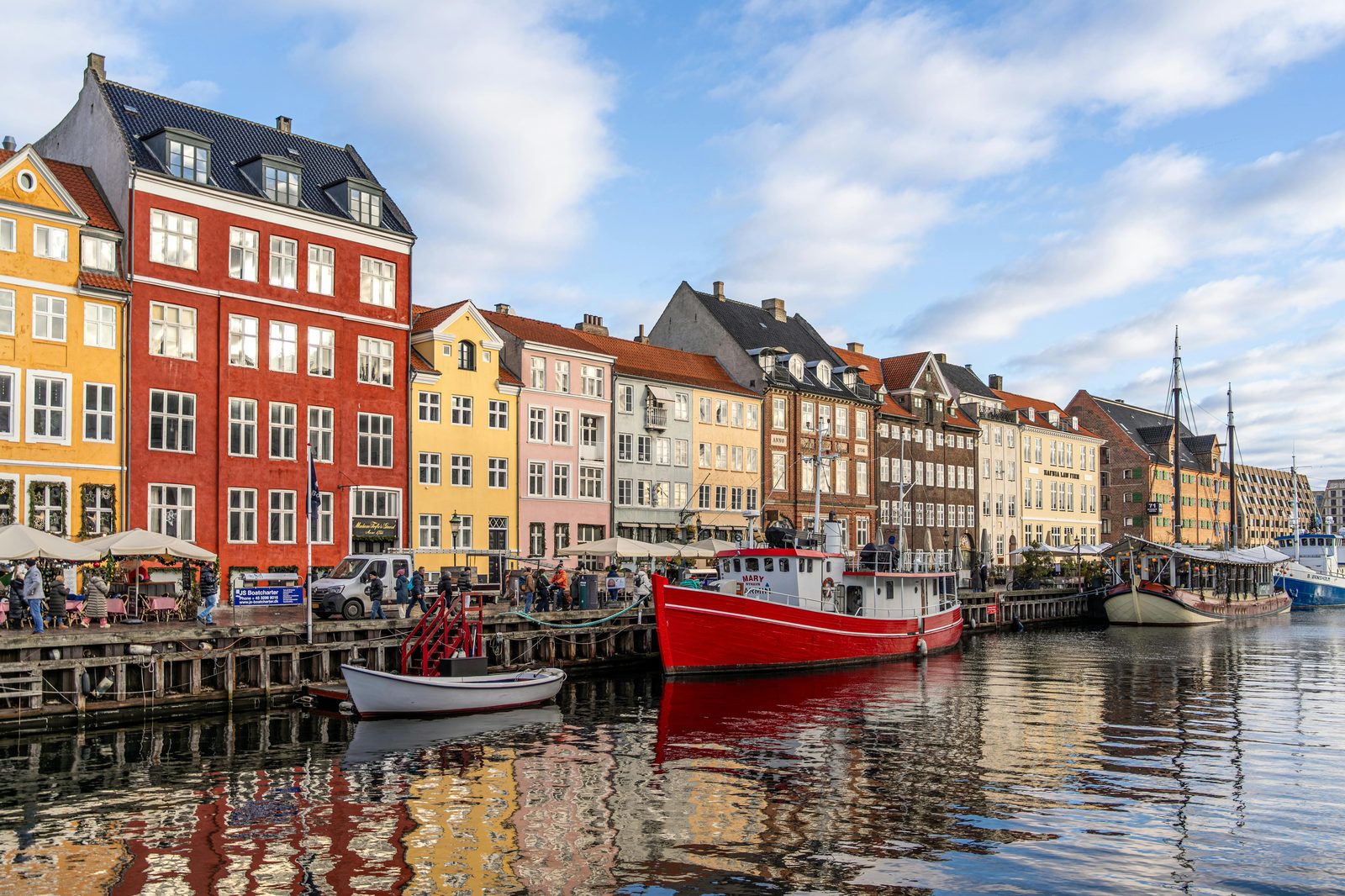
Nyhavn is the postcard image, and it is worth seeing early in the morning before the restaurant terraces fill up. The canal houses date back to the seventeenth and eighteenth centuries, and Hans Christian Andersen lived at number 18 and later at number 20 and 67. Walk the harbor from Nyhavn to the Opera House, and you get the newer Copenhagen alongside the old.
The Round Tower (Rundetaarn) is the other essential, built as an astronomical observatory in the seventeenth century, with a spiral ramp instead of stairs that you can walk up in about ten minutes (tickets cost a small fee; confirm the current price on the official site).
Tivoli Gardens is the third anchor, and it is worth the ticket for the atmosphere rather than the rides. It opened in 1843, making it one of the oldest amusement parks in the world, and the gardens are lit with thousands of lanterns after dark. Check the season because Tivoli closes entirely outside its opening months, usually from late September to early April with exceptions around Halloween and Christmas (confirm the current calendar on the official Tivoli site).
Beyond the big three, spend an afternoon in Nørrebro, walk the lakes at Peblinge Sø, and eat at Reffen, the street food market on Refshaleøen that opened in 2018 on a former industrial shipyard.
Best for first-timers
- Nyhavn at 8am before the crowds
- Round Tower climb for the best city view
- Tivoli Gardens in the evening for the lanterns
- Reffen street food market for lunch
Worth considering
- A guided bike tour for neighborhoods you would otherwise miss
- Louisiana Museum of Modern Art, a 35-minute train ride north of the city
Is Copenhagen expensive to travel to?
Yes, Copenhagen is one of the more expensive cities in Europe. A simple lunch of a smørrebrød and a coffee costs around 120 to 150 DKK (check current prices on the menu before ordering). A beer at a bar is roughly 60 to 80 DKK (confirm current prices on site). A hostel dorm bed runs 250 to 400 DKK per night, and a mid-range hotel room starts around 900 DKK and climbs quickly in summer (check current rates on the booking site).
The good news is that the price is predictable. There is no scenario where you stumble into a cheap meal by accident, so budgeting ahead is genuinely useful.
Transport is the cost that surprises people most. A single Metro or bus ticket in the central zones costs about 24 DKK, and a 24-hour city pass costs around 80 DKK (confirm current fares on the official DOT site). If you are doing three or more journeys per day, the pass wins. The harbor bus between Nyhavn and Refshaleøen uses the same ticket system, which makes it the cheapest sightseeing cruise in the city.
For hotel comparison across Copenhagen’s neighborhoods, use Booking.com and filter by Indre By, Vesterbro, or Nørrebro to see what your budget actually buys in each area. For flight and hotel bundles, Expedia sometimes beats booking separately, especially if you are flying from another European hub.
Where should you stay in Copenhagen?
Stay in Indre By (the old center) if this is your first visit. Nyhavn, the Round Tower, and Strøget are all within a fifteen-minute walk, and you will spend less on transport because everything is on your doorstep. Vesterbro is the alternative for a younger, more food-driven trip. The Meatpacking District (Kødbyen) has the best restaurant cluster in the city, and the neighborhood is a ten-minute walk from the central station. Nørrebro is where I would stay on a return visit, because it feels like a real neighborhood rather than a tourist zone, and the metro gets you to the center in under ten minutes.
For hostel options, Hotels.com often shows bundled deals that beat booking direct, particularly for weekday arrivals. For apartment rentals with a kitchen, which is the only realistic way to cut Copenhagen’s food costs, check Vrbo for listings in Vesterbro and Nørrebro.
Best neighborhoods
- Indre By: central, walkable, best for first-timers
- Vesterbro: food, nightlife, Meatpacking District
- Nørrebro: local feel, ten minutes by metro
Worth considering
- Apartments with kitchens to offset restaurant costs
- Hotels near Kongens Nytorv for Metro access to the airport
How do you get around Copenhagen?
Metro and harbor bus
The Metro runs 24 hours and connects the airport to the center in about 15 minutes on the M2 line. The harbor bus is the underrated option. It runs on the same ticket and takes you along the water from Nyhavn to Refshaleøen, which is both a transport route and a cheap sightseeing trip. Check the official DOT (Din Offentlige Transport) site for current ticket prices and zone maps.
Bikes
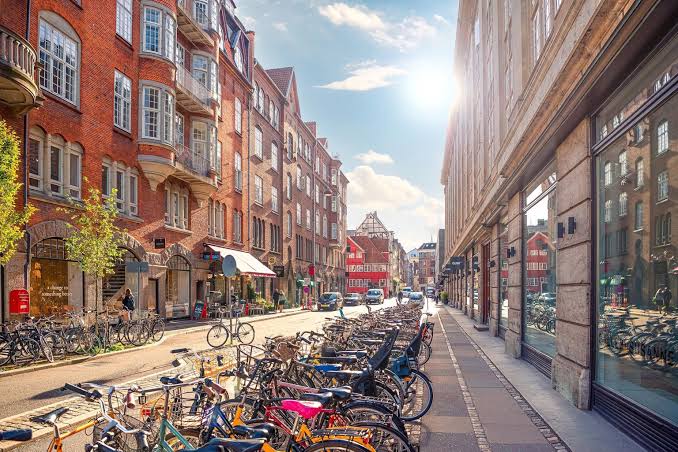
Rent a bike for at least one day. Copenhagen is flat, has separated cycle lanes on almost every major street, and biking is how locals actually get around. A rental costs roughly 100 to 150 DKK for 24 hours (confirm the current rate with the rental operator). The one rule to know: signal with your hand before you turn, because drivers and other cyclists rely on it.
Walking and taxis
Most of the center is walkable, and the streets are safe at night. Taxis are expensive and unnecessary unless you are arriving very late with heavy luggage. If you need a car for a day trip, compare rates through Kayak before you book at the airport desk.
What is the best time of year to visit Copenhagen?
June through August is the obvious answer, and the city earns it. The days are long, the outdoor restaurants and harbor swimming areas are open, and Tivoli is in full season. The downside is price and crowds. Hotel rates climb sharply in July (check current rates before you book), and Nyhavn is shoulder-to-shoulder by mid-morning. May and September are my preferred months. The weather is mild, the city is quieter, and prices are noticeably lower than peak summer.
December has a specific appeal because Tivoli opens for its Christmas market and the city leans into candlelight and gløgg. It is cold, around 2 to 5 degrees Celsius, but Copenhagen handles winter well, and the Christmas atmosphere is genuinely worth the trip. Avoid late January and February unless you have a specific reason, because the city is dark by 4pm and many outdoor attractions close.
What do you need to know before you go to Copenhagen?
Visa and entry
Denmark is part of the Schengen Area, so the entry rules depend on your passport. Check the official Danish immigration (SIRI) or your national foreign ministry site before you book, because rules for non-EU travellers have changed recently. If you are travelling on a passport that requires a Schengen visa, apply well ahead of your trip. For visa questions and travel document planning, our visa category covers the general process.
Money and tipping
Denmark uses the Danish krone (DKK), and card payment is accepted almost everywhere, including small market stalls. Cash is rarely needed. Tipping is not expected because service charges are included in prices. Rounding up is a nice gesture but never required.
Safety and practicalities
Copenhagen is one of the safest capitals in Europe. Petty theft around the central station and Nyhavn is the main issue, and pickpockets work the busy tourist areas. Denmark uses the standard European plug type C and F, and the tap water is safe to drink. For trip planning logistics like flights, luggage, and insurance, our travel planning section has more detail, and you can compare flights to Copenhagen before you lock in your dates.
What do first-time visitors get wrong in Copenhagen?
Assuming you can pay in euros. Denmark is in the EU but not the eurozone. Some tourist shops accept euros at a bad rate, but you will pay a premium. Pay in DKK or by card.
Eating every meal in Nyhavn. The restaurants along the canal are priced for the view. Walk one block inland and the same food costs less. I learned this after a 300 DKK lunch that would have been 150 DKK a street away (confirm current menu prices before you order).
Visiting Tivoli without checking the season. The gardens close outside their opening months, and people who book a trip solely for Tivoli in February are disappointed. Check the official calendar first.
Buying a Copenhagen Card without doing the math. The card is excellent value at four or more paid attractions in a short trip, but if you are moving slowly it may not pay off. Add up the individual ticket prices first (confirm the current card price on the official site).
Skipping the harbour bus. It is cheaper than the sightseeing cruises and uses the same transit ticket. Most visitors never use it.
Renting a car in the city. Parking is expensive and the centre is not car-friendly. Use public transport and rent only for the day you leave the city.
Frequently asked questions
Is Copenhagen expensive for travellers?
Yes, Copenhagen is one of the more expensive European capitals. A budget traveller should plan for roughly 600 to 900 DKK per day, and mid-range travellers should expect 1,200 to 1,800 DKK per day (check current exchange rates before you budget). The cost is predictable, so budgeting ahead is the best defence.
Do I need a visa to travel to Copenhagen, Denmark?
It depends on your nationality. Denmark is in the Schengen Area, so many passports (including US, UK, Canadian, and Australian) do not need a visa for short visits, while others do. Always verify with the official Danish immigration authority or your nearest Danish embassy before booking.
How many days should you spend in Copenhagen?
Three full days is right for a first visit. That covers Nyhavn, the Round Tower, Tivoli, and one neighbourhood. Add a fourth day if you want a day trip to Louisiana Museum or Roskilde Cathedral.
Can you pay in euros in Copenhagen?
Some tourist shops accept euros, but at a poor exchange rate. Denmark uses the Danish krone (DKK), and you will get better value by paying in kroner or by card, which is accepted almost everywhere including small market stalls.
Is Copenhagen safe for tourists?
Copenhagen is one of the safest capitals in Europe. The main risk is petty theft around the central station and the busy Nyhavn tourist zone. Keep bags zipped, avoid leaving valuables on café tables, and you will be fine.
When is the best time to visit Copenhagen?
June through August has the best weather and the full Tivoli season, but it is the most expensive and crowded. May and September offer mild weather, fewer crowds, and lower hotel prices. December is cold but has a specific Christmas-market appeal.
Plan your trip: booking platforms we trust
I use these platforms because they consistently show useful inventory and transparent pricing for Copenhagen and Denmark. The links below are affiliate links, which means WakaAbuja may earn a small commission at no extra cost to you. Use them where they genuinely fit your trip, not because I listed them.
Booking.com
Best for Copenhagen hotels in Indre By and Vesterbro.
Expedia
Flight and hotel packages, often cheaper for European connections.
GetYourGuide
Tours including bike tours, harbour cruises, and day trips to Louisiana.
Kayak
Compare flights into Copenhagen Airport from your home city.
Hotels.com
Loyalty rewards and bundled deals for weekday arrivals.
WakaAbuja does its best to keep all information accurate at the time of publishing. Prices, policies, and availability change regularly. Always verify with official sources before you travel. We are not liable for errors caused by outdated information. Travel insurance is strongly recommended.