advertisement
Trip to Belfast: The Ultimate Travel Guide for First-Time Visitors
A trip to Belfast works best with three full days to balance its Titanic history, political murals, and Victorian pubs without rushing. Fly into Belfast City Airport (BHD) rather than the International Airport if you can, and base yourself in the Cathedral Quarter for walkable access to the best food and live music.
Budget roughly £90 to £130 per person per day for a comfortable mid-range experience, including accommodation, meals, and attractions.
I still remember standing on the glass floor of the Titanic Belfast building early this year, looking down at the slipway where the ship actually sat over a century ago. Chidi, our logistics lead at WakaAbuja, had insisted I skip the hop-on-hop-off bus and walk the Maritime Mile instead. He was right. Belfast does not feel like a city that needs to try too hard to impress you.
It simply lays out its industrial grit, its political scars, and its warm pub corners and dares you not to fall for it. If you are planning your first trip and you want to get past the surface-level “things to do” lists, this guide covers how the city actually works right now.
Jump to: When to visit | Getting there | Where to stay | Top attractions | Day trips | Food and pubs | Cost breakdown | FAQs
Key takeaways
- Belfast City Airport (BHD) sits just 5 km from downtown; avoid the 90-minute transfer from the International Airport unless fares are significantly lower.
- Three days is the sweet spot for first-timers, leaving time for a Giants Causeway day trip and a deep dive into the Titanic Quarter.
- The Cathedral Quarter, not the city center business district, is where you want to book your hotel for the best evening atmosphere.
- Political taxi tours remain the most direct way to understand the city’s complex history; book a black cab, not a generic bus.
- Belfast is safe for tourists, but you should still avoid discussing sectarian politics with strangers in pubs unless they open the topic first.
- You can walk between 80% of the main attractions without ever needing a bus, which keeps daily transport costs very low.
When is the best time to visit Belfast?
Late May through early September gives you the longest daylight hours and the highest chance of dry weather, but the city is not a seasonal destination in the way Barcelona or Marrakech is. Belfast’s soul is mostly indoors: its pubs, its music sessions, and its covered St. George’s Market. I visited once during a wet February week and still walked the Falls and Shankill roads, toured Crumlin Road Gaol, and caught three live trad sessions without getting more than damp. The real variable is daylight. In December, you get roughly seven hours of usable light; in June, nearly seventeen.
Prices spike in July and August, particularly around the Twelfth of July parades. Fatima, our Lagos-based writer, made the trip during the first week of December and found hotel rates roughly 40% cheaper than her colleague who went in August. Her only complaint? She had to rush through the Titanic Quarter because the sun set before 4:00 p.m. If you want a middle ground, target May or September. The university district buzzes with energy, pub gardens open up, and you still find rooms under £100 a night at solid three-star hotels.
Chidi’s honest take: “Do not let rain forecasts scare you off. Belfast drizzle is light and intermittent. I walked the Lagan Towpath in a light jacket in October and had three hours of clear skies between two ten-minute showers. Pack a waterproof layer, not an umbrella, because the wind will destroy it.”
Best for good weather
- Late May to early June: Long evenings, moderate room rates before the school holiday peak.
- September: Warm sea temperatures for coastal day trips, fewer tour bus crowds at the Giants Causeway.
- Early October: Autumn foliage in the Belfast Castle estate, still mild enough for outdoor pints.
Worth considering
- December: Christmas market at City Hall is excellent, but daylight is scarce. Hotels are cheap.
- March: St. Patrick’s Day brings a lively parade, though some historic sites may run reduced hours.
- July: The Twelfth brings cultural demonstrations and parades; some businesses close or adjust hours. Check dates in advance.
How do you get to Belfast and move around once you land?
There are two airports serving Belfast, and picking the wrong one adds a frustrating two-hour transfer to your trip. Belfast City Airport (BHD), locally called George Best Airport, is the one you want. It sits three miles from the city center. The Airport Express 600 bus drops you at the Europa Bus Centre in about ten minutes for roughly £2.60 one-way. Belfast International Airport (BFS) is nearly twenty miles northwest, and the Airport Express 300 bus takes thirty to forty minutes depending on traffic. Taxi fares from the International easily top £35.
Once you are in the city, your feet will do most of the work. The core tourist triangle, Cathedral Quarter, Titanic Quarter, and Queens Quarter, spans roughly two miles end to end. I used a Translink day ticket once on a particularly lazy morning and quickly realized I had wasted £4. The only time public transport becomes essential is when you head to Stormont Estate or the Ulster Museum on a wet day. The Glider G1 bus connects east and west Belfast efficiently, but you will rarely need it as a tourist unless your accommodation sits far outside the center. For day trips to the Antrim Coast or the Mourne Mountains, renting a car for a single day works out cheaper and far more flexible than group coach tours. I booked through a major aggregator for about £35 for a twenty-four-hour rental with pickup near Great Victoria Street.
Ride-hailing apps like Uber operate in the city, but the local Value Cabs app tends to offer shorter wait times and marginally lower fares. Download it before you arrive. For travelers arriving from Dublin, the Dublin Express coach runs directly to Belfast Europa station in two hours. Tickets booked online seven days in advance cost around £12 to £15 one-way, half what walk-up passengers pay.
Where should first-time visitors stay in Belfast?
The Cathedral Quarter wins for atmosphere. Streets like Commercial Court and Hill Street cluster the city’s best cocktail bars, oldest pubs, and the MAC arts venue within a five-minute stumble of each other. Hotels here tend toward boutique and mid-range. The Bullitt Hotel, with its industrial-cool courtyard, and the Merchant Hotel, for those with a bigger budget, both anchor the area. I booked a room through Booking.com at roughly £110 a night in May for a Cathedral Quarter spot and stepped out every evening directly into live music at The Dirty Onion.
@everywherewithangela What is the best part of Belfast to stay in? To be fair, Belfast is quite small — you can actually walk almost everywhere, or just hop on a bus to get into the city centre. And if you have Uber downloaded on your phone, you’ll be surprised how affordable it is to get around, especially if you’re travelling as a group or with your family. We stayed at @vocobelfast over the weekend. It was within walking distance of the Botanic area, Dublin Road, City Hall, and St George’s Market. We loved the outdoor area of the Voco Hotel, where kids were playing football and riding their bikes, while Daddy and I enjoyed their 2-for-1 cocktails during the Friday 5–7 pm happy hour. Belfast is one of the most affordable destinations to visit, and if you’re looking for somewhere clean, trendy, and safe, you should definitely check out Voco Hotel Belfast. #vocohotel #hotelreview #northernireland #belfast #wheretostayinbelfast #familytravel #travelblogger #contentcreator #prvisit #giftedstay The question is will you be visiting Belfast soon ?
If you prefer green space and a quieter rhythm, look south toward the Queens Quarter around Botanic Avenue. Tree-lined streets, affordable student-facing cafes, and proximity to the Ulster Museum and Botanic Gardens make it ideal for a longer, slower trip. Rooms here via Hotels.com or Expedia often dip below £80, and the fifteen-minute walk into the center along the river is pleasant. Avoid the immediate area around Great Victoria Street station late at night; it is not dangerous, but it is loud, generic, and lacks the character you traveled for.
Best for atmosphere
- Cathedral Quarter: Walkable to pubs, street art, St. Anne’s Cathedral, and the MAC. Ideal for a short, social trip.
- Queens Quarter: Quieter, greener, close to the museum and gardens. Suits a three-night-plus stay with a relaxed pace.
- Titanic Quarter: Modern apartment hotels with harbor views. Good if you prioritize the Titanic museum and HMS Caroline over pub culture.
Worth considering
- City Centre (Donegall Square): Chain hotels, convenient for transport hubs, but very quiet after 8 p.m. when offices close.
- Ormeau Road: A residential strip south of the river with excellent brunch cafes. Fewer hotels, more short-term apartment rentals.
What are the absolute must-see attractions in Belfast?
If you only do three things, make them Titanic Belfast, a black cab political taxi tour, and a slow evening at a traditional pub. The Titanic building itself is a jagged aluminum iceberg on the slipway where the ship was built. The self-guided tour takes about two and a half hours and ends with a ride through a dark ride simulating the shipyard’s noise and scale. It sounds gimmicky. It is not. I went skeptical and left genuinely moved. Book the first slot of the day, 9 a.m., to avoid the cruise ship crowds that arrive by 11 a.m. Tickets are cheaper online; check the official Titanic Belfast website for current rates.
@itsmandycherie Must see attraction in Belfast #belfast #stgeorgesmarket #northernireland #ireland #travel
A black-cab tour through the Falls and Shankill roads remains the most direct way to understand Northern Ireland’s political history. Drivers are local and unfiltered and will stop at the murals, the peace walls, and Clonard Monastery. Tours run roughly £45 to £60 per cab, not per person, making them surprisingly affordable for small groups. I used a driver Chidi recommended who had lived on the Shankill his entire life, and his willingness to answer blunt questions changed how I understood the city. Book through a reputable operator such as those listed on GetYourGuide or TripAdvisor; do not just flag down a random cab at the rank and expect a full tour.
Fatima’s honest take: “I thought the peace wall where tourists write messages would feel tacky. Instead, standing in front of a forty-foot corrugated iron wall dividing two communities, signing my name next to messages in Arabic, Hebrew, and Irish, hit harder than any museum exhibit. Bring a marker.”
Crumlin Road Gaol rounds out the top tier. The prison operated for 150 years and closed in 1996; the guided tour walks you through the condemned man’s cell, the underground tunnel to the courthouse, and the execution chamber. Evening paranormal tours are available if that is your thing, but the standard daytime tour is well-paced and informative. St. George’s Market runs Friday through Sunday and is the single best breakfast or lunch stop in the city.
The bap stalls, loaded with locally sourced sausage and bacon, cost under £6 and feed you for most of the day. For a less crowded viewpoint than Cave Hill, walk the Lagan Towpath from the Big Fish sculpture out to the Lagan Weir. It is flat, free, and gives you a sense of how the old docklands have transformed.
What day trips from Belfast are actually worth the drive?
The Giants Causeway is the obvious answer, and it earns its reputation. The hexagonal basalt columns on the north Antrim coast are a geological oddity that draws busloads of visitors daily. Drive yourself if possible. The coastal route via the A2 through Carrickfergus, Larne, and the Glens of Antrim is one of the best drives in Ireland. I left Belfast at 7:30 a.m., reached the Causeway by 9:15 a.m., and had the stones almost entirely to myself for forty minutes before the first coach arrived. The visitors center charges for parking and entry, but the stones themselves are free if you walk in via the coastal path and skip the center. National Trust members park free.
@denises_adventures The ultimate day trip from Belfast. long day but worth it. so many fun things to see and do in Glasgow. 🚢 £25 0-15yrs and £29 for adults. available Wednesday and weekends. Ferry and Coach included! Belfast thingstodoinbelfast mustvisitplacesbelfast Daytrip Belfastdaytrip glasgowdaytrip stenaline
The Carrick-a-Rede rope bridge sits a short drive east of the Causeway. The bridge spans a sixty-foot-deep chasm over the Atlantic and originally served local salmon fishermen. Tickets are timed and should be booked online in advance; walk-up availability is unreliable during summer. The walk from the car park to the bridge takes about twenty minutes along a dramatic cliff path. If you have an extra hour, the Dark Hedges beech tree avenue, made famous by a certain fantasy television series, is free and lies roughly twenty minutes inland. Arrive early or late; midday crowds ruin the atmosphere.
For a less tourist-dense option, head south to the Mourne Mountains and Tollymore Forest Park. The drive takes about an hour from Belfast. Tollymore’s stone bridges, redwood groves, and river walks feel like a different country from the industrial docklands. Parking costs £5 per car, and the trails suit any fitness level. Newcastle, at the foot of the Mournes, has a decent beach and several good chippies for a post-hike feed.
Where should you eat and drink to experience real Belfast?
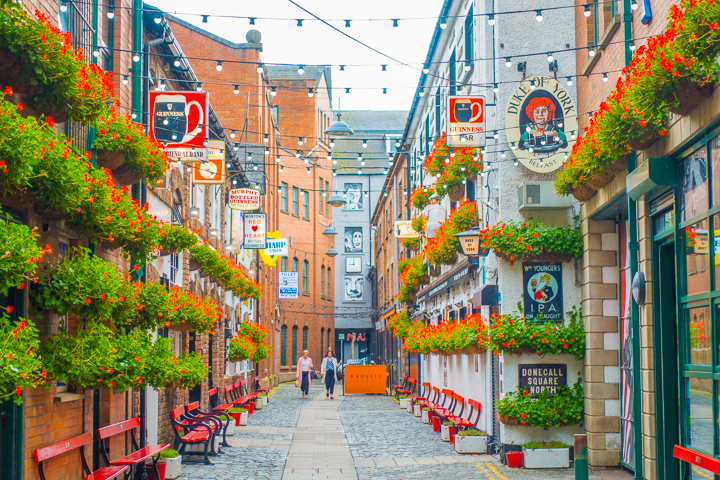
The pub is the center of social life, and the Crown Liquor Saloon on Great Victoria Street is the most famous example. Its gas-lit mahogany snugs, tiled facade, and mosaic floors date to the 1880s. It gets packed with tourists, but going at opening time on a weekday, noon, gives you a quiet hour to nurse a Guinness and examine the carved ceiling alone. The Duke of York, tucked down a cobbled alley in the Cathedral Quarter, offers better craic and live trad sessions. Its walls are plastered with decades of music memorabilia, and the crowd skews local even on weekends.
@foodwithclio 📍Top places to eat in Belfast in 2025! @Zen Restaurant @stixandstones @The Mill @Rhiannon’s Cakes and Bakes @BELFAST PIZZA LADS @orto @Stacked Gourmet Sandwich Bar #foodie #belfast #belfastfoodie #northernireland #placestoeat
For food, skip the generic chain restaurants around Victoria Square. St. George’s Market covers lunch beautifully. For dinner, Ox on Oxford Street holds a Michelin star and runs a tasting menu that, as of this year, priced around £85 per person. Book weeks ahead. Mourne Seafood Bar on Bank Street is more casual, serving oysters and chowder in a bright, noisy room for £25 to £35 per head. A less obvious pick is the John Hewitt, a pub owned by the Belfast Unemployed Resource Centre, pouring excellent local beers and serving simple, well-cooked dishes with profits funding community projects. A full meal there costs about £14.
Coffee culture is strong. Established Coffee on Hill Street serves the best flat white in the Cathedral Quarter, roasted in-house. Neighbourhood on Eglantine Avenue in the Queens Quarter runs a plant-filled dining room with a full brunch menu that draws students and professors equally. A full Ulster fry, essentially the local breakfast with soda bread and potato farls replacing toast, runs £9 to £14 at most cafes and will carry you past lunch.
What does a realistic trip to Belfast actually cost?
A solo traveller staying in a mid-range hotel, eating two meals out daily, and visiting two paid attractions per day should budget roughly £110 to £140 daily. That includes a hotel at £90, breakfast and lunch for £20 combined, dinner with a pint for £25, and attraction entry at £20. Couples sharing a room cut the per-person accommodation cost significantly and land closer to £85 per person per day. Budget travellers using hostels, cooking some meals, and choosing free attractions like the Ulster Museum and Botanic Gardens can manage on £45 to £55 per day.
The single biggest variable is accommodation. A room at the Merchant Hotel in August runs well over £250, while a private room at Vagabonds Hostel on University Road costs about £35. I have done both extremes on different trips and found the hostel’s social atmosphere genuinely valuable for a solo traveller. Check Kayak for flight and hotel comparisons across multiple platforms. For apartment rentals that suit families or longer stays, Vrbo lists several well-reviewed properties in the Queens Quarter and along the Ormeau Road.
Attraction costs add up. A ticket to Titanic Belfast costs roughly £22 to £25. Crumlin Road Gaol is about £14. The black cab tours run £45 to £60 per cab. If you plan to visit three or more major paid attractions, check whether the Belfast Visitor Pass, available through Visit Belfast, saves you money. It bundles entry and sometimes includes public transport. Always verify current pass pricing and inclusions on the official Visit Belfast site, as these change seasonally.
How do you navigate Belfast like a local, not a tourist?
Learn the basic courtesies
Belfast is friendly and direct. A simple “hi, how are you?” when entering a shop or ordering at a bar is expected, not optional. Avoid referring to Northern Ireland as “Southern Ireland,” “Eire,” or “part of the UK mainland” in casual conversation. The political identity is layered. If the topic of politics arises, listen more than you speak. People are generally open to discussing history with curious visitors, but launching into strong opinions yourself is unwise.
Use the right transport at the right time
Walking covers almost everything. For late-night returns, use the Value Cabs app or ask your pub to call a local firm. The Glider bus, a long purple articulated vehicle, runs east-west and connects the Titanic Quarter to the western neighbourhoods. A single ticket costs roughly £2.10 and you tap on at the stop. Taxis within the city centre rarely exceed £8.
Sunday hours are different
Many independent shops and cafes open later on Sunday, often not before 11 a.m. or noon. St. George’s Market runs Friday through Sunday only. Plan Sunday mornings for outdoor attractions like Botanic Gardens or a walk up Cave Hill, then hit the market for a late breakfast.
What mistakes do first-time visitors make in Belfast?
- Staying only in the city centre business district. After 6 p.m. it empties out, and you will walk past shuttered offices looking for a pub that actually has people in it. Base yourself in Cathedral Quarter or Queens Quarter instead.
- Flying into the wrong airport without checking the transfer. Belfast International Airport (BFS) is a long, costly transfer from the city. Always check whether BHD is only slightly more expensive on your route before booking.
- Skipping the black cab tour because it feels “too touristy.” It is not a gimmick. The drivers are the most honest, first-person historians you will encounter.
- Assuming the Giants Causeway entry fee is mandatory. The stones themselves are on public land. The visitor centre charges for parking and exhibition access. You can park at the nearby railway car park in season and walk the coastal path for free.
- Discussing sectarian politics unprompted. Belfast is not a theme park of conflict. Let locals set the tone and depth of any political conversation.
- Only visiting the Titanic museum and leaving. The surrounding Maritime Mile, including the SS Nomadic and the slipways, is free and adds enormous context to the museum visit.
- Not carrying cash. While cards are widely accepted, St. George’s Market stalls, some older taxi firms, and smaller pubs may still prefer or only accept cash. Carry £20 in notes.
Frequently asked questions
Is Belfast worth visiting for a weekend trip?
Yes, a weekend trip works well if you arrive early Friday and leave Sunday evening. Focus on Titanic Belfast, a black cab tour, and an evening in the Cathedral Quarter pubs. You will miss day trips to the Antrim Coast, but the core city experience fits neatly into two full days.
How many days do you need for a full Belfast trip?
Three full days lets you see the city’s main attractions, take a day trip to the Giants Causeway, and still have slow pub evenings without feeling rushed. Four days adds a second day trip, perhaps to the Mourne Mountains or Derry, and a deeper dive into neighbourhood cafes and the Ulster Museum.
Is Belfast safe for tourists right now?
Belfast is statistically safe for tourists, with lower violent crime rates than many large British cities. Standard urban precautions apply: avoid unlit towpaths at night, keep valuables out of sight, and be mindful of your alcohol intake. The areas tourists frequent are well-policed and welcoming.
Do I need a visa to visit Belfast from outside the UK?
Belfast is part of the United Kingdom, so standard UK visa and entry requirements apply. If you are already travelling in the Republic of Ireland, note that the land border is open, but immigration rules still technically apply. Check the official UK government website for your nationality’s specific visa requirements before booking.
Can I use euros in Belfast or only pounds sterling?
The currency is pound sterling (£). A small number of businesses near the border or in heavily touristed areas may accept euros at a poor exchange rate, but you should not rely on this. Use ATMs or pay by card. Northern Ireland prints its own banknotes, which are legal tender across the UK but sometimes refused in England; spend or exchange them before you leave the region.
What is the best way to get from Dublin to Belfast?
The Dublin Express coach runs direct from Dublin Airport and city center to Belfast Europa Bus Centre in about two hours. Fares start around £12 online if booked in advance. The Enterprise train from Dublin Connolly to Belfast Lanyon Place is more comfortable, takes roughly two hours, and costs around €20 to €30 when booked early.
Plan your trip: booking platforms we trust
Our WakaAbuja team books through these platforms consistently because they offer flexible cancellation policies, verified reviews, and competitive regional pricing for Northern Ireland trips. We have used each one personally and found their customer service responsive when plans changed.