advertisement
Wildlife Crossings Explained: How They Work and What’s Opening Around the World
Fact-Checked By Maya Whitfield, Senior Travel Editor at WakaAbuja
A wildlife exploration tour is a guided or self-guided trip focused on observing animals in their natural habitat. The right one depends on your budget, physical fitness, and what you want to see. Costs range from $150 per day for basic group safaris to over $1,500 per day for specialized polar or primate expeditions.
I have sat in a freezing zodiac off the coast of Antarctica watching penguins porpoise through the water, and I have spent ten hours in a dusty Land Cruiser in the Serengeti waiting for a leopard to descend from a tree. Both were wildlife exploration tours. They could not have been more different in cost, comfort, and physical demand. This guide is not a brochure. It is the breakdown I wish someone had given me before I spent thousands of dollars on my first big wildlife trip.
You will learn the real types of tours, what they actually cost, how to spot a bad operator, and how to avoid the mistakes that leave people disappointed and out of pocket.
Jump to: Tour Types Compared | Real Costs | How to Vet an Operator | Best Time to Go | FAQs
Key takeaways
- Not all wildlife tours are safaris. Cruises, walking trips, photography workshops, and self-drive options all count, and they suit very different travelers.
- Costs vary wildly by region. A day in the Amazon costs far less than a day in Antarctica or the Galapagos, even for similar comfort levels.
- Operator quality is not visible on Instagram. Accreditation, group size, and animal welfare policies matter more than follower counts.
- Physical demand is often understated. Some “gentle” walking tours involve 6 hours on rough terrain. Read the fine print.
- Book 6 to 12 months ahead for popular destinations. Gorilla permits and polar cabins sell out fast.
- Ethics matter. A responsible tour should contribute to conservation and not stress the animals. Ask how your money helps.
What counts as a wildlife exploration tour?

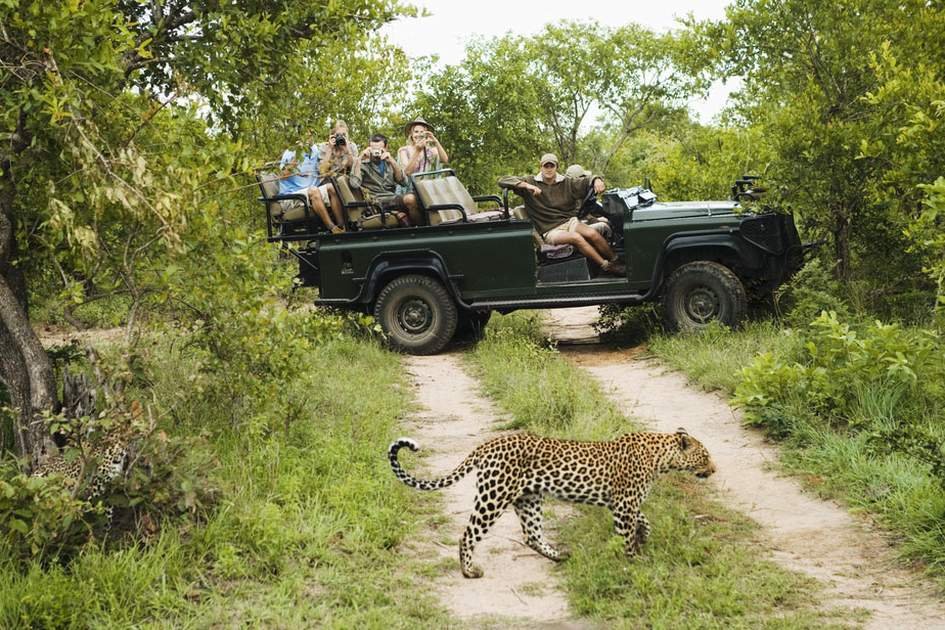
A wildlife exploration tour is any structured trip where the primary goal is observing animals in their natural environment. It is not a zoo visit or a sanctuary petting session. The format can be a traditional vehicle safari in Africa, a small-ship cruise in the polar regions, a walking expedition in the rainforest, or a dedicated photography workshop led by a professional naturalist. Self-drive trips to national parks also count if wildlife viewing is the main purpose.
The key distinction is intent. A beach holiday where you happen to see a monkey does not qualify. A week in Borneo specifically timed around orangutan sightings does. Understanding this matters because the tour industry uses the term loosely, and you can end up paying a premium for a trip that is mostly sightseeing with a few animals thrown in.
What are the main types of wildlife exploration tours compared?
You cannot choose the right tour until you know what the options actually feel like on the ground. Here are the five main categories, with honest trade-offs.
Classic vehicle safari
Cost range: $150 to $800 per person per day
Physical demand: Low to moderate
Group size: 4 to 12 typical
Best for: First-timers, photographers, multi-generational families
Small-ship wildlife cruise
Cost range: $500 to $1,800 per person per day
Physical demand: Low to moderate, but zodiac landings can be bumpy
Group size: 50 to 200, depending on ship class
Best for: Polar regions, Galapagos, coastal Alaska, travelers who want comfort
Walking or trekking expedition
Cost range: $200 to $700 per person per day
Physical demand: Moderate to high
Group size: 4 to 10 typical
Best for: Gorilla trekking, rainforest wildlife, active travelers
Photography workshop or specialist tour
Cost range: $400 to $1,200 per person per day
Physical demand: Low to moderate, but long hours waiting
Group size: 4 to 8 typical
Best for: Serious photographers, birders, patient travelers
Self-drive or independent wildlife trip
Cost range: $80 to $300 per person per day
Physical demand: Low, but requires planning and driving skills.
Group size: You and your vehicle
Best for: Budget travelers, experienced road-trippers, national park enthusiasts
I have done all five, and none is universally better. A vehicle safari gives you the best wildlife density for the effort. A cruise gives you access to places you cannot reach by road. A walking trek gets you closer to the forest but demands real stamina.
A photography tour will test your patience more than your legs. A self-drive trip is the cheapest but also the loneliest when you have a flat tire at dusk in a game reserve with no phone signal.
What do wildlife exploration tours actually cost?

The sticker price is only part of the story. Most tours quote a per-person daily rate that includes lodging, most meals, guide services, and park or permit fees. But flights to the destination, travel insurance, tips, drinks, and sometimes park conservation levies are extra. I budget an additional 20 to 30 percent on top of the quoted rate for costs the brochure does not include.
Africa safaris in Kenya and Tanzania typically run $250 to $600 per person per day for mid-range lodges. Botswana and Zambia are pricier, often $500 to $900 because the camps are smaller and more remote. The Galapagos and Antarctica are at the top end, $800 to $1,800 per day, because you are paying for a ship and strict environmental compliance. India tiger safaris and Southeast Asia rainforest trips sit in the middle, at $150 to $400 per day. Costa Rica and Panama offer some of the best value in the Americas, often $100 to $250 per day for guided wildlife walks and boat tours.
Permits change the math. A gorilla trekking permit in Rwanda costs $1,500 per person per day just for the permit. A single day in the Galapagos includes a $100 national park fee. These are non-negotiable and often sold separately from the tour price. Always ask for a line-item breakdown before you pay anything.
Maya Whitfield’s honest take: “The cheapest tour is not the best value if it skips a conservation fee or packs 16 people into one vehicle. I would rather pay $50 more per day for a smaller group and a certified guide. That is where the actual experience lives.”
How do you choose a responsible wildlife tour operator?
This is the section most people skip, and it is the one that matters most. A good operator will show you wildlife without stressing it. A bad one will chase animals, cause crowd sightings, and underpay local guides. Here is my checklist.
1. Check for real accreditation
Look for membership in a recognized travel association or conservation body. In East Africa, operators should be registered with the local tourism board and ideally a group like the East African Wildlife Society. In the polar regions, check for International Association of Antarctica Tour Operators membership. Accreditation is not a guarantee of quality, but its absence is a red flag.
2. Read the animal welfare policy
Responsible operators publish clear rules: no off-road driving in protected areas; no baiting; no getting too close; and no flash photography at night. If an operator does not have a written policy, ask why.
3. Ask about guide-to-guest ratio
One guide per 6 to 8 guests is standard for a quality vehicle safari. If the ratio is 1 to 16, you will not hear half of what the guide says, and the group will feel crowded. Walking tours should be 1 guide per 6 or fewer.
4. Understand how your money helps conservation
A legitimate operator pays park fees, employs local guides, and often funds community projects. Ask directly what percentage of your trip fee goes to conservation or local employment. If the answer is vague, look elsewhere.
For a good example of how operators should communicate this, look at how established groups like the International Union for Conservation of Nature frame responsible wildlife tourism. The best operators mirror that language without being asked.
What is the best time of year to book a wildlife exploration tour?
It depends entirely on the region and the species. East Africa’s Serengeti and Masai Mara have two distinct seasons: the dry months from June to October are best for general game viewing because animals concentrate at water sources, while the wet months from November to May bring green scenery and migratory birds. Polar cruises run only from November to March for Antarctica and May to September for the Arctic. The Galapagos have two seasons, with warmer water and calmer seas from December to May and cooler, richer wildlife activity from June to November. India’s tiger parks close during the monsoon from July to September. Costa Rica’s dry season from December to April is easier for wildlife spotting, but the green season from May to November is cheaper and lush.
Book the dry season if you want maximum visibility. Book the shoulder season if you want lower prices and can tolerate some rain. And book far ahead. Gorilla permits in Rwanda and Uganda sell out 6 to 12 months in advance. Antarctica cabins for the following season often fill by March.
What mistakes do people make when booking wildlife exploration tours?
I have made several of these myself. Learn from my errors instead of paying for them.
1. Booking too late
Prime dates for gorilla permits, polar cruises, and Masai Mara migration camps disappear a year in advance. Book early or accept leftover dates.
2. Underestimating physical demands
A “moderate” walking tour in Borneo might mean 6 hours of steep jungle terrain. A “gentle” cruise might involve climbing in and out of zodiacs in rough seas. Read the itinerary carefully and be honest about your fitness.
3. Prioritizing price over group size
A 16-person safari vehicle is cheaper but miserable for photography and hearing the guide. Pay more for a smaller group. You will remember the experience, not the hundred dollars you saved.
4. Skipping travel insurance
Wildlife tours go to remote places. Medical evacuation from Antarctica or the Serengeti costs tens of thousands of dollars. Insurance is not optional.
5. Ignoring the ethics section
If an operator chases animals or allows off-road driving, you are part of the problem. Choose a responsible operator even if it costs more.
Frequently asked questions
Are wildlife exploration tours safe for families with kids?
Yes, many vehicle safaris and small-ship cruises welcome children, usually from age 6 or 8 depending on the operator. Walking treks and gorilla permits have stricter age limits, often 15 or older. Check the minimum age before booking, and choose lodges and ships with family-friendly policies.
Do I need to be physically fit for a wildlife tour?
It depends on the type. Vehicle safaris and cruises require minimal fitness. Walking treks and gorilla expeditions demand real stamina and can involve hours of steep, muddy terrain. Be honest about your fitness level and ask the operator for a difficulty rating before you commit.
What is the difference between a safari and a wildlife cruise?
A safari is land-based and usually involves vehicle game drives in places like Kenya, Tanzania, or South Africa. A wildlife cruise is ship-based and gets you to coastal or polar regions like the Galapagos, Alaska, or Antarctica. Both focus on animal observation, but the pace, comfort, and cost structure are very different.
Are these tours ethical for the animals?
They can be, if the operator follows strict animal welfare rules: no baiting, no off-road driving in protected areas, no touching or feeding, and respectful viewing distances. Responsible operators also contribute to conservation and local employment. Ask about these policies before you book, and avoid operators that cannot answer clearly.
How far in advance should I book a wildlife tour?
For popular destinations and specific permits, book 6 to 12 months ahead. Gorilla trekking permits in Rwanda and Uganda, Antarctic cabins, and Masai Mara migration season camps sell out fast. For less competitive trips like Costa Rica or a standard Kenya safari, 3 to 6 months is usually sufficient.
Can I do a wildlife exploration tour as a solo traveler?
Yes, many operators offer small-group departures that are solo-friendly, and some specialize in solo travelers. You may pay a single supplement for lodging, though some camps offer shared rooms to avoid this. Read the solo traveler policy carefully before booking.
Plan your trip: booking platforms we trust
Once you know the type of wildlife tour you want, these platforms help with the logistics. For comparing flights to wildlife destinations, Kayak is my first stop. For booking lodges and camps near national parks, Booking.com has the widest selection. For package deals that include tours and accommodations, Expedia sometimes beats separate bookings. And for reading real traveler reviews of specific operators, TripAdvisor is unmatched.
WakaAbuja does its best to keep all information accurate at the time of publishing. Prices, policies, and availability change regularly. Always verify with official sources before you travel. We are not liable for errors caused by outdated information. Travel insurance is strongly recommended.