
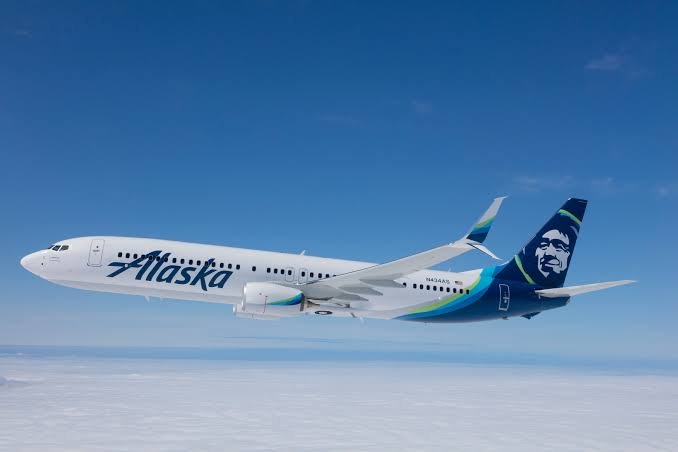
advertisement
Alaska Airlines is widely considered the best West Coast carrier for value, offering a reliable operation, a generous Mileage Plan loyalty program, and no change fees on main cabin tickets. For most travelers choosing between Alaska and Delta, Alaska wins on award redemption value and customer service scores, while Delta leads on in-flight entertainment consistency and East Coast route coverage.
I’m Chidi, and I run the travel desk at WakaAbuja. I’ve logged over 40 segments on Alaska Airlines in the past three years, shuttling between Anchorage, Seattle, and Portland for work and family. My colleague Fatima, who covers airline loyalty strategy from our Lagos office, calls Alaska’s Mileage Plan “the last truly valuable frequent flyer currency in North America.” I agree.
This review breaks down exactly what you get in every cabin class, how the fees stack up against Delta, and where to sit for the quietest ride. No airline puffery, just seat-time reality.
Jump to: Baggage Fees | Alaska vs Delta | Mileage Plan | Best Seats | Cancellation Policy | First Class | Is It Worth It? | FAQs
Key takeaways
- Alaska main cabin tickets include a carry-on and personal item; checked bag fees start at $35 for the first bag unless you have the Alaska Airlines Visa card.
- In head-to-head economy comparisons, Alaska edges out Delta on legroom, Mileage Plan earning rates, and West Coast frequency.
- Alaska’s Mileage Plan allows free stopovers on international award tickets, a benefit Delta SkyMiles eliminated years ago.
- The best seat on a standard Alaska 737 is row 17 for exit-row legroom without the bulkhead wall restrictions.
- Alaska eliminated change fees on main and first-class fares; saver fares remain the most restrictive budget option.
What are Alaska Airlines baggage fees this year?
![Alaska Airlines Baggage Fees and Policy [2026]](https://upgradedpoints.com/wp-content/uploads/2022/12/Alaska_Airlines_launches_Electronic_Bag_Tag_program.jpg "Alaska Airlines Flights and Reviews (with photos): What to Expect Before You Book 1")
As of early this year, the standard first checked bag fee on Alaska Airlines is $35 when paid during online check-in. A second checked bag costs $45. If you wait to pay at the airport counter, the fee increases by $5 per bag. These are standard US carrier rates, not the highest and not the cheapest. Carry-on bags and personal items remain free for all fare classes except Saver fares on certain routes.
I learned the hard way to always prepay bags. On a Seattle to Juneau flight last summer, I forgot to add a bag online and paid $40 at the kiosk for a single duffel. The gate agent told me, quietly, that the Alaska Airlines Visa Signature card waives the first checked bag fee for the cardholder and up to six companions on the same reservation. I applied for the card the next week. The annual companion fare alone offsets the card’s fee if you fly with family once a year.
Chidi’s baggage tip: “Alaska has a generous 50-pound weight limit, same as Delta. But their gate agents are famously strict about oversized carry-ons on full flights. If you’re in boarding group D or later, expect to gate-check your roller bag for free. Pack your essentials in a smaller personal item just in case.”
Bag Fees at a Glance
- First checked bag: $35 online, $40 at airport.
- Second checked bag: $45 online, $50 at airport.
- Overweight (51-100 lbs): $100 per bag.
- Sports equipment: Surfboards and skis count as one checked bag; the same $35 fee applies if within the weight limit.
How to Avoid Bag Fees
- Hold the Alaska Airlines Visa® Signature card.
- Book a first-class ticket, which includes two free checked bags.
- Hold MVP elite status or higher in the Mileage Plan program.
- Active US military personnel receive up to five free checked bags on official orders.
Alaska Airlines vs Delta: Which airline is better for the money?
This is the question I get asked most by West Coast travelers. Alaska and Delta dominate Seattle-Tacoma International Airport and compete heavily on transcontinental routes. In my experience flying both airlines multiple times per month, the answer splits along two lines: hard product and loyalty value.
Delta offers seatback screens on nearly every mainline aircraft. Alaska offers tablet holders and streaming entertainment to your own device. If you forget your tablet, Delta wins that round cleanly. But Alaska counters with slightly more legroom in standard economy. Alaska’s 737 main cabin seats have 31 to 32 inches of pitch. Delta’s standard 737 economy hovers at 30 to 31 inches. That single inch matters on a five-hour Seattle to Boston flight.
Fatima’s loyalty perspective: “Delta SkyMiles are easier to earn through everyday spending, but Alaska Mileage Plan miles are far more valuable when you redeem them. A one-way business class ticket to Asia on a partner airline can cost 60,000 Alaska miles versus 120,000 SkyMiles or more. That’s the real difference.”
Alaska Airlines Wins On
- Mileage Plan award redemption value and stopover rules.
- Economy seat pitch on Boeing 737 aircraft.
- Customer service rankings (consistently top 3 in J.D. Power).
- West Coast route frequency and regional reliability.
Delta Wins On
- Seatback in-flight entertainment on mainline fleet.
- East Coast and international route network breadth.
- Sky Club lounge network size versus Alaska Lounge footprint.
- Basic economy boarding order (Delta boards last, Alaska’s Saver boards last as well but with stricter carry-on rules).
Is the Alaska Airlines Mileage Plan worth it?
Mileage Plan remains, by a wide margin, the most partner-rich frequent flyer program of any US airline. Alaska is not part of a major global alliance like Star Alliance or SkyTeam. Instead, it maintains individual partnerships with over a dozen airlines including Cathay Pacific, Japan Airlines, Qatar Airways, and American Airlines. This patchwork lets you redeem Alaska miles on some of the best first class cabins in the world at rates that no other program comes close to matching.
I redeemed 70,000 Alaska miles for a one-way business class seat on Japan Airlines from Tokyo to Chicago last year. The same seat on Delta’s own SkyMiles program would have cost me over 200,000 miles. The key is booking partner awards directly on Alaska’s website. Most Star Alliance and SkyTeam programs have gutted their award charts in recent years. Alaska has not, though I always tell readers to book valuable awards soon because no loyalty program stays generous forever.
One overlooked feature: Alaska allows a free stopover on international one-way awards. You can fly Seattle to Tokyo, stop for three days, and continue to Bangkok on the same 50,000-mile economy ticket. Delta stripped this benefit years ago. If you know how to stack partners, Mileage Plan is unmatched.
What are the best seats on Alaska Airlines flights?
Alaska operates a largely uniform fleet of Boeing 737 aircraft. The standard layout has three cabin sections: First Class, Premium Class, and Main Cabin. Premium Class is Alaska’s extra-legroom economy product, not a separate first class. These seats get 35 to 36 inches of pitch and priority boarding, but the same economy snack and drink service as the main cabin.
My personal pick for the best economy seat is row 17 on the 737-900ER. It is an exit row with no seat in front of the window seat on the right side, offering unlimited legroom. The tradeoff is no floor storage during takeoff and landing, and the seat may be slightly narrower due to the tray table in the armrest. Avoid row 6 in First Class on the 737-800, the bulkhead row. It has reduced legroom compared to row 5, and I learned that on a Portland redeye with my knees pressed against the wall.
Chidi’s seat picks: “Premium Class row 7A is the sweet spot for me. Early boarding, no one reclining into you from First Class, and the overhead bins are usually empty because you board right after elites.”
What is Alaska Airlines’ cancellation policy right now?
Alaska Airlines eliminated change fees for all Main Cabin and First Class fares in 2020 and has kept that policy intact through early this year. If you book a main cabin fare and need to cancel, you receive the full value as a credit in your Alaska wallet, or you can request a refund to the original form of payment if you bought a fully refundable ticket. Saver fares, the basic economy option, remain restrictive. Saver fares cannot be changed or cancelled after the 24-hour risk-free cancellation window unless Alaska itself cancels or significantly changes the flight.
The 24-hour risk-free cancellation policy applies to all fare types. As long as you book at least 24 hours before departure and cancel within 24 hours of purchase, Alaska will issue a full refund to your card. I use this window frequently when I spot a price drop. I book the lower fare, then cancel the higher-priced ticket within the window.
Alaska Airlines first class review: Is it worth the upgrade?
Alaska’s domestic first class is a strong regional product, not a lie-flat long-haul experience. You get a wide leather recliner with 41 inches of pitch, priority boarding, two free checked bags, and complimentary meals with local beer and wine on flights over 670 miles. On shorter hops under 670 miles, the meal service downgrades to a snack basket, which is frankly disappointing for a first class ticket.
Last month, I flew first class from Seattle to Boston, a five-hour transcontinental route. The meal was a plated salmon salad with a warm bread roll and a local Washington State wine. It was genuinely better than any domestic first class meal I have had on Delta in the past two years. The seat did not lie flat, but the recline and footrest were comfortable enough for a solid nap. Compared to Delta First Class on the same route, Alaska wins on catering and crew warmth. Delta wins on having a screen in front of you.
Upgrade tip: “Paid first class upgrades at the gate often cost $150 to $300 depending on the route. If the flight is over 3 hours and a meal is served, that price usually justifies itself compared to buying food and drinks in the terminal plus the bigger seat.”
Is Alaska Airlines worth it for budget-conscious travelers?
Yes, with one clear caveat: you must fly routes where Alaska has a competitive presence. If you live in Seattle, Portland, Anchorage, or San Francisco and travel frequently along the West Coast or to Hawaii, Alaska is almost certainly your best option for value, reliability, and loyalty perks. If you live in Atlanta, Miami, or Dallas and rarely fly west of the Rockies, Alaska’s route map will frustrate you, and Delta or American will serve you better.
For the WakaAbuja reader looking to stretch a travel budget, Alaska’s Saver fares are a genuine bargain when you can pack light and travel solo. The absence of change fees on main cabin tickets removes the financial risk that makes budget travelers anxious. And the Mileage Plan program, if you learn to use partner awards, can unlock business class trips that would otherwise cost thousands of dollars. That alone makes Alaska worth a detour to one of its hub airports.
Fatima’s final word: “Alaska is the airline you commit to if you want your loyalty to actually pay you back. The credit card companion fare, the free stopovers, and the partner award chart are benefits that Delta and United simply do not match anymore.”
Frequently asked questions
How much does Alaska Airlines charge for baggage?
The first checked bag costs $35 when prepaid online and $40 at the airport. The second checked bag is $45 online and $50 at the airport. Carry-on bags and personal items are free on all fares except Saver class, which restricts carry-on bags to personal items only unless you hold elite status or the Alaska credit card.
Is Alaska Airlines better than Delta?
For West Coast travelers, Alaska generally offers better value, a stronger loyalty program, and comparable comfort. Delta holds an advantage in in-flight seatback entertainment and global route coverage. The better choice depends on where you fly most. Alaska wins on the West Coast and to Hawaii; Delta wins for transatlantic and deep South routes.
How does the Alaska Airlines Mileage Plan work?
Mileage Plan is a distance-based earning program where you earn miles based on the actual flight distance, not the ticket price. The program partners with over a dozen global airlines including Oneworld members like American Airlines and non-alliance carriers like Icelandair. Free stopovers on international one-way awards are a standout feature.
What is the best seat on an Alaska Airlines 737?
Row 17 on the 737-900ER is the best exit-row seat for legroom without a bulkhead wall restriction. For Premium Class, row 7 offers early boarding and solid legroom with no one reclining into your space from First Class.
Can I cancel an Alaska Airlines flight for free?
Yes, if you booked a Main Cabin or First Class fare. No change or cancellation fees apply. You receive travel credit for the full value. Saver fares cannot be changed or cancelled beyond the initial 24-hour risk-free window unless Alaska cancels the flight. Always cancel at least 10 minutes before departure to retain credit.
What does Alaska Airlines first class include?
First class includes a wider leather seat with 41 inches of pitch, priority boarding, two free checked bags, and complimentary meals with local beer and wine on flights over 670 miles. On shorter flights, a premium snack basket replaces the full meal service.
Book your Alaska Airlines flights: trusted platforms
The WakaAbuja team books Alaska flights through several platforms depending on the goal. The official Alaska Airlines website is best for managing Mileage Plan bookings and Saver fare purchases. We also cross-check pricing on aggregators to ensure we are not missing a lower fare.
Best for direct booking and Saver fares.
Best for bundling flight and hotel.
Best for fare comparison across dates.
Best for real traveler reviews and cabin photos.