
advertisement
All Inclusive Holidays: The UK Traveller’s Full Guide to What’s Really Included
By Maya Whitfield, Senior Travel Editor
All inclusive holidays bundle your room, meals, snacks, and a range of drinks into one upfront price, but what’s covered varies wildly by star rating and resort. A budget 3-star might offer local beer on tap and a single buffet, while a 5-star can include premium spirits, multiple à la carte restaurants, and 24-hour room service. The key is knowing which tier matches your expectations so you don’t end up spending hundreds in surprise local fees.
I’ve lost count of the number of times a friend has returned from an all-inclusive holiday muttering, “Well, the cocktails were included, but only if you liked warm pineapple juice and unbranded gin.” The promise of all-inclusive is a seductive one: check your wallet at the airport and pick it up on the way home. The reality, especially for us Brits who book millions of these trips annually, is a little more complicated.
I’ve spent the last decade dissecting board basis fine print from Costa Adeje to Cancun, and this guide is everything I wish I’d known before signing my first booking form.
Jump to: What’s really included | Real cost breakdown | Hidden costs to avoid | Best destinations | Best by traveller type | When to book | FAQs
Key takeaways
- “All-inclusive” is not a legal term. Each hotel defines it differently, and what a 3-star in Benidorm provides is a different universe from a 5-star in the Maldives.
- A week’s all-inclusive can genuinely save a family of four over £600 compared to self-catering with daily meals out, but only if you plan to stay at the resort most days.
- Hidden local tourist taxes, resort fees, and premium drink surcharges can add £50-£150 to your final bill if you don’t check the small print before booking.
- Entry rules change frequently. At the time of writing, you’ll need a visa for Egypt, an ETIAS authorization for Spain and Greece from late this year, and your passport must meet specific validity rules for Turkey.
- The cheapest booking window for summer holidays this year is typically January to March next year, not the late deals many travelers wait for.
- Solo travelers face punishing single supplements on all-inclusive packages, but a handful of adults-only chains now offer dedicated solo rooms without the surcharge.
What does “all-inclusive” actually mean, and what doesn’t it cover?

Broadly, all-inclusive means your accommodation, three meals a day, snacks throughout the day, and locally produced alcoholic and soft drinks are wrapped into a single prepaid price. Most resorts also throw in daytime activities like water polo, yoga sessions, or non-motorized water sports. But the line between “included” and “extra” shifts dramatically depending on the property’s star rating and the country you’re visiting.
In Spain’s 3-star all-inclusive resorts, for example, drinks are often limited to a single bar serving local-brand spirits, beer, and wine from a tap during set hours. A la carte restaurants are almost never included at this tier. By contrast, a 5-star in Turkey or the Dominican Republic typically runs multiple specialty restaurants, branded spirits at several bars, and sometimes even a stocked minibar that is refreshed daily. Assuming “all-inclusive” means the same experience across the board is the fastest route to a disappointing holiday.
Maya’s honest take: “I once booked a cheap all-inclusive in Crete, assuming cocktails were part of the deal. They were, technically. But they were pre-mixed from a machine and served in plastic cups between 6pm and 9pm only. Read the drinks policy before you pay the deposit. ‘Locally branded’ can be code for ‘barely drinkable’ if you’re unlucky.”
Budget 3-star vs mid-range 4-star vs luxury 5-star: what changes at each tier

3-star all-inclusive
- Single buffet restaurant with fixed meal times
- Local beer, wine, and spirits during limited bar hours
- Snacks often limited to afternoon tea or a single pool bar
- No room service or minibar
- Expect plastic cups around the pool area
4-star all-inclusive
- Main buffet plus at least one bookable à la carte restaurant
- Extended bar hours, often until midnight or later
- Some imported or premium drinks included, though top-shelf brands usually cost extra
- Snack bars open between main meal services
- In-room minibar with soft drinks and water, rarely restocked free
5-star all-inclusive
- Multiple à la carte restaurants, often with no surcharge limits
- Premium brand spirits and cocktails included
- 24-hour room service and daily restocked minibars
- Poolside waiter service in many resorts
- Premium activities, kids’ clubs, and sometimes spa credits included
Is all-inclusive worth it? A real cost breakdown for UK families
Whether all-inclusive saves you money depends entirely on your travel style. If you plan to eat every meal at the resort, drink several beverages a day, and mostly relax by the pool, the math strongly favors all-inclusive. If you’re the type who rents a car and eats out at local tavernas for every meal, you’re paying a premium for convenience you won’t use. Let’s look at a real worked example for a family of four traveling to Tenerife in August.
Worked example: self-catering plus spending money vs. all-inclusive, 7 nights in Tenerife
Self-catering scenario (4-star apartment, August this year): A one-bedroom apartment with a kitchenette averages £850. Eating two meals out plus a supermarket breakfast run costs roughly £90 per day for four. Add in daily drinks, ice creams, and a couple of activities, and you’re looking at about £140 per day in spending. That’s £1,830 total for seven nights. A comparable 4-star all-inclusive package for the same dates runs around £2,400. The difference is £570 in the all-inclusive’s favor, and that’s before you factor in the time saved not cooking or hunting for restaurants with hungry children in tow.
Mid-range comparison (4-star all-inclusive vs. half-board): Half-board packages cut the meal cost roughly in half, but the real variable is drinks. A family of four can easily spend £40 to £60 a day on soft drinks, poolside beers, and evening cocktails. Over a week, that’s £280 to £420 right back on the bill. At this point, the all-inclusive premium over half-board often vanishes completely, and you gain the freedom to grab a drink or a snack whenever you want it.
What hidden costs do all-inclusive resorts not advertise upfront?

I’ve seen too many travelers arrive at a resort expecting to pay nothing extra for seven days, only to check out with a bill north of £150. These extra charges are often buried in booking terms or flagged with an asterisk on the hotel’s own site. Here are the most common budget-busters.
Local tourist taxes and resort fees
Several popular destinations now levy a per-person, per-night tourist tax payable directly at the hotel. In the Balearic Islands, this is up to €4 per adult per night in high season, or €56 for a couple over a week. Mexico’s state of Quintana Roo charges a similar visitor tax. Some Greek islands also apply a stay-over tax. These are almost never included in the package price, and you’ll need cash or a card on checkout. Always check the official tourism board site for the destination before you book. The UK Foreign Office travel advice pages also flag these taxes under local laws and customs.
Drinks packages and à la carte restaurant caps
“Premium drinks” can mean anything from a known brand of gin to an entire cocktail list. Many 4-star resorts operate a two-tier system where local spirits are included but a mojito made with branded rum costs extra. Worse, some resorts cap the number of à la carte restaurant visits per week, usually one or two. Book another, and you’ll pay a €20 to €40 surcharge per person. If fine dining matters to you, look for resorts that explicitly state “unlimited à la carte dining” in their all-inclusive description.
Tipping: Do you still need to when it’s all-inclusive?
This is the question I hear most often, and the answer varies by region. In Mexico and the Caribbean, resort staff often rely on tips as a significant portion of their income, and leaving a dollar or two per round of drinks or per day for housekeeping is standard practice even at all inclusive properties. In Turkey and parts of Europe, tips are appreciated but less culturally expected, and many European resorts explicitly discourage tipping. I budget around £70 in small notes for a week in the Caribbean and about £30 for a week in Turkey. Not tipping at all where it’s the norm can affect the level of service you receive, fair or not.
Which are the best all-inclusive destinations for UK travelers this year?
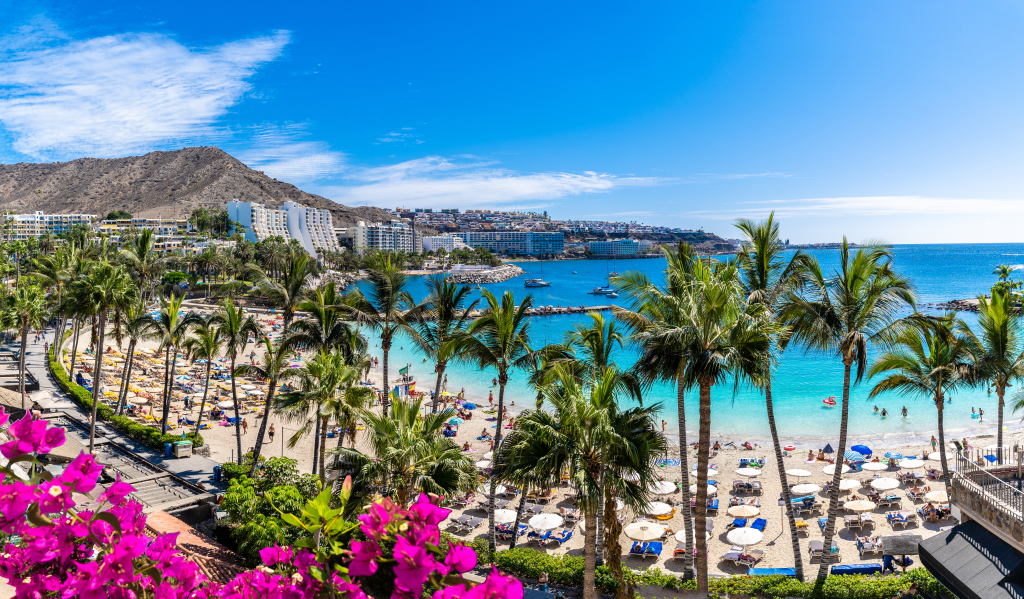
The right destination depends on what you value: short flight times, guaranteed heat, kids’ club quality, or pure value for money. Below are the eight countries that consistently deliver the best all-inclusive experiences for UK travelers, with the critical entry requirements you need to check before booking. Always confirm visa rules on the official UK Foreign Office travel advice site, as policies shift.
Spain and the Canaries
Best for: Short-haul reliability and family-friendly resorts. Flight time from the UK is 2.5 to 4.5 hours. All-inclusive is especially strong in Tenerife, Lanzarote, and the Costa del Sol.
Entry note: ETIAS authorization required from late 2026. Your passport must have at least three months’ validity beyond your planned departure date from the Schengen area.
Turkey
Best for: Value for money and large-scale resorts with extensive facilities. The Antalya region and Bodrum are all inclusive powerhouses where 5-star treatment often costs less than a 3-star in Spain.
Entry note: British passport holders can visit visa-free for up to 90 days. Your passport must be valid for at least 150 days from the date you arrive.
Greece
Best for: Scenery, beach quality, and smaller boutique-style all-inclusive hotels. Crete, Rhodes, and Corfu lead the pack.
Entry note: ETIAS needed from late 2026. Passport validity rules mirror Spain’s Schengen requirements.
Egypt
Best for: Guaranteed winter sun and extraordinary value 5-star resorts. Hurghada and Sharm el Sheikh dominate the Red Sea coast.
Entry note: A visa is required. UK travelers can obtain an e-visa online before travel or a visa on arrival for around $25 USD, but the e-visa is strongly recommended to avoid queues.
Cyprus
Best for: A calmer alternative to Greece with excellent 4-star and 5-star all-inclusive hotels around Paphos and Protaras.
Entry note: UK passport holders can enter visa-free. A passport must be valid for the duration of your stay, though carrying at least three months’ extra validity is sensible.
Dominican Republic
Best for: Long-haul Caribbean all-inclusive on a mid-range budget. Punta Cana is lined with massive resort complexes.
Entry note: A tourist card is required, but most UK package holidays include the fee in the booking. Confirm this with your operator. An e-ticket form must also be completed online before arrival.
Mexico
Best for: High-energy resorts and food-focused all-inclusive experiences. The Riviera Maya and Cancun Hotel Zone are the top spots.
Entry note: UK passport holders do not need a visa for tourism stays under 180 days. You must complete an immigration form online or on the plane before landing.
Tunisia
Best for: Budget-friendly Mediterranean beaches with a strong French and Arabic cultural flavor. Hammamet and Sousse are the main resort zones.
Entry note: UK passport holders do not need a visa for stays up to 90 days. Check the UK Foreign Office travel advice for the most current safety guidance before booking.
What are the best all-inclusive holidays for families, couples, and solo travelers?
All-inclusive family holidays
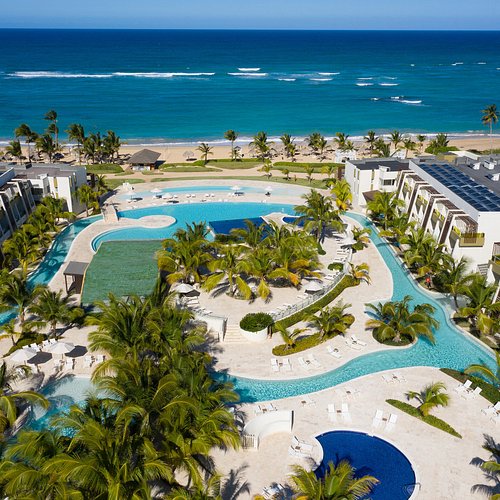
Families gain the most from all-inclusive resorts. The math works, and the convenience of not negotiating meal choices with tired children three times a day is priceless. Look for resorts with kids’ clubs that run from morning to evening, splash parks or dedicated children’s pools, and buffet restaurants with live cooking stations that let you see exactly what your child is eating. Tenerife, Majorca, and the Turkish Riviera consistently top the family charts. I’ve found that resorts offering a separate kids’ buffet section and lower counters with child-height food options reduce meltdowns by a measurable margin.
All-inclusive holidays for couples
Couples looking for all-inclusive should lean toward adults-only or adult-focused properties that trade endless buffet lines for à la carte dining and a quieter atmosphere. In Greece, boutique all-inclusive hotels in Santorini and Crete offer a far more intimate take on the concept. Mexico’s Riviera Maya has a strong adults-only scene with rooftop pools and premium dining included. Avoid sprawling family mega-resorts unless you genuinely enjoy the sound of Marco Polo games echoing across the pool.
Adults-only all-inclusive
Adults-only all-inclusive is one of the fastest-growing segments in the market, and the experience is meaningfully different. These resorts typically include higher-quality spirits, real espresso at breakfast rather than machine coffee, and a genuinely quiet pool area. TUI’s Sensatori and Iberostar’s Grand Collection are reliable starting points. Expect to pay a 20-30% premium over a family resort of the same star rating, but the upgrade in food quality and tranquility is usually worth it.
All-inclusive for solo travellers
Solo travelers get a raw deal on most all-inclusive packages. The industry standard single supplement adds 50% to 100% on top of the per-person price, meaning you pay nearly double for the privilege of traveling alone. A few operators are finally addressing this. Some adults-only chains now set aside dedicated solo rooms at genuine per-person rates, and specialist solo travel companies package all-inclusive trips with no supplement. If you’re searching on standard booking platforms, filter for “single room” specifically and compare the total price against a standard double occupancy rate.
The difference can be eye-watering, but solo-friendly inventory does exist if you hunt for it. For comparing solo package prices across multiple providers, Kayak lets you toggle to one traveler and scan across several booking sites at once, which saves you running the same search a dozen times.
When should you book an all-inclusive holiday to get the best price?
The “last-minute deal” myth has been largely dead for peak-season all-inclusive holidays since about 2018. Operators know demand for summer and school-holiday dates is ferocious, and prices generally rise as departure dates approach, not fall. For summer this year’s trips, the sweet spot is between January and March this year, when early-booking discounts and low-deposit offers are live but airlines haven’t yet hiked seat-only prices. For winter sun in the Canaries or Egypt, September and October of the year before offer the widest availability.
One exception: if you can travel the first two weeks of September or the last week of June, genuine late deals sometimes surface. These are shoulder weeks when capacity outstrips demand. But if you’re locked into August school holidays, book early or accept that “cheap” is relative. All inclusive package deals booked as a flight-plus-hotel combination are ATOL protected when booked through a UK-registered travel company, which gives you financial protection if the operator fails. This is far safer than DIY flight-and-hotel bundles booked separately, where only the flight element has statutory protection.
What are the biggest mistakes people make when booking all-inclusive holidays?
I’ve made several of these myself, and I watch other travellers repeat them every year. Here are the most costly and avoidable.
- Not checking the board-based fine print. “All inclusive” at one resort means buffet only. At another, it means five à la carte dinners and 24-hour room service. Download the resort’s fact sheet from the operator’s website and read the inclusions line by line before paying.
- Assuming flights are included. Some booking sites display hotel-only all-inclusive rates prominently, and the flight cost only appears pages later. Check the total package price before comparing options.
- Skipping travel insurance. I’ve watched a family face a £23,000 medical repatriation bill from Mexico because they assumed EHIC or GHIC covered them. It does not, outside Europe. Travel insurance is essential for any all-inclusive holiday, especially long-haul.
- Ignoring passport validity rules. Turkey requires 150 days of validity from your arrival date. Spain’s Schengen rules demand three months beyond your planned departure. The UK government’s passport checker tool takes two minutes to use and prevents a denied boarding disaster.
- Paying full price for premium drinks without asking. Some resorts offer a premium drinks upgrade for a flat weekly fee, often £15-£25 per person per day. If branded spirits matter to you, check if an upgrade package exists and compare that total against paying per drink.
- Booking the wrong week for the destination. The Dominican Republic’s hurricane season peaks in September. Egypt’s Red Sea is chilly and windy in January. Match the destination to the month, not just the price. A cheap deal in the wrong season is no deal at all.
- Not reading recent reviews for the specific resort. Resort quality shifts year to year. A property that was outstanding in 2023 might have changed management, cut costs, or started renovating its main pool by 2026. Read reviews from the last three months on TripAdvisor and filter by traveler type that matches your own.
How do you compare all inclusive packages properly?
Comparing packages across multiple sites is tedious but essential, because the same resort sold through different operators can vary by hundreds of pounds. I always run the same resort through at least three booking platforms before committing. Price comparison tools like Kayak help, but I also check the operator’s own site directly. Sometimes the direct price undercuts the aggregators.
Check the ATOL certificate number
Every UK-sold package holiday with a flight must carry an ATOL certificate. Without it, you have no statutory financial protection if the company collapses. The Civil Aviation Authority maintains a searchable register of ATOL holders. Search the company name before booking. This is not optional.
Look for “no local fees due” in the booking terms
Several major operators now prepay local resort fees and taxes so your final bill at checkout is genuinely zero. If the booking confirmation doesn’t explicitly say “no local fees due” or similar phrasing, assume you’ll pay tourist taxes and resort charges on departure. This is a concrete, practical filter you can apply when comparing identical-looking deals.
Compare the dining and drinks schedule side by side
Two 4-star all-inclusive hotels in the same resort town can have completely different inclusions. One might offer an open bar until 11pm with branded spirits, the other local beer on tap until 10pm and nothing else. Pull up both fact sheets and compare the drinks and dining sections directly. It’s the only way to know if a £200 price difference represents real value or just marketing.
For general hotel searches across multiple providers, I default to Booking.com because the review system is verified-stay only, meaning reviews come from people who actually checked in. For package deals bundling flights and hotels, Expedia makes it easy to compare the total package price against booking separately.
Frequently asked questions about all inclusive holidays
What’s the difference between full board and all-inclusive?
Full board covers breakfast, lunch, and dinner, but drinks are almost always charged separately, even water and soft drinks at some resorts. All-inclusive adds drinks, usually local alcohol and soft drinks, plus snacks between meals. A full board holiday can still generate a hefty bar tab at checkout.
Are flights included in all-inclusive package holidays?
Package holidays sold by UK tour operators and travel agents typically include flights, hotels, transfers, and the all-inclusive board basis in one ATOL-protected price. However, some online travel agents display hotel-only pricing by default. Always check whether the price shown includes flights before comparing deals.
Do you need travel insurance for all-inclusive holidays?
Yes, absolutely. All inclusive resorts are not responsible for medical emergencies, cancellations, or lost luggage. The UK government’s GHIC scheme provides some medical cover in Europe, but it does not replace comprehensive travel insurance. For destinations outside Europe, medical costs without insurance can be catastrophic.
Are all inclusive holidays good for families with young children?
Yes, and families tend to see the greatest financial benefit. Kids can eat and drink throughout the day without per-item costs adding up, and resorts with strong kids’ clubs and splash pools give parents actual downtime. Look for properties with a children’s buffet section and evening entertainment specifically aimed at under-10s.
Can you eat at à la carte restaurants on all inclusive?
It depends on the resort and its star rating. Budget and many mid-range all-inclusive resorts cap à la carte visits at one or two per week, while luxury 5-star properties often allow unlimited bookings. Always check the à la carte policy before booking if dining variety matters to you.
What drinks are included in all-inclusive?
Locally produced beer, wine, and spirits are the baseline. Branded international spirits, premium cocktails, and fresh juices are usually reserved for 5-star or premium all-inclusive tiers. Many resorts offer a paid upgrade to a premium drinks package, which is worth calculating if you prefer named brands.
Is all-inclusive cheaper than self-catering?
For travelers who plan to eat and drink mostly at the resort, all-inclusive is typically cheaper than self-catering combined with daily restaurant meals. A family of four can save £400-£600 over a week. If you prefer eating out at local restaurants for most meals, self-catering or bed and breakfast will cost less overall.
What should you check before booking an all-inclusive holiday?
Check the drinks policy, à la carte dining limits, resort fee and tourist tax obligations, passport validity rules for your destination, and recent guest reviews from the last three months. Also confirm your booking includes ATOL protection if it’s a flight-inclusive package.
Do you tip at all-inclusive resorts?
In the Caribbean and Mexico, tipping is standard and expected even at all-inclusive properties. Budget around £10 per day in small notes. In Turkey and much of Europe, tipping is appreciated but less ingrained, and some European resorts actively discourage it. Observe what other guests are doing on your first day.
Are all inclusive holidays ATOL protected?
Flight-inclusive packages sold by UK-registered travel companies must carry ATOL protection by law. Accommodation-only bookings do not. Always check for an ATOL certificate number on your booking confirmation. Without it, you have no statutory financial protection if the company fails.
Plan your trip: booking platforms we trust
I’ve used every platform listed below across dozens of bookings, and each serves a different purpose depending on what stage of planning you’re at. None of them pay for placement here. I recommend them because they solve specific problems I’ve actually encountered when researching and booking all-inclusive holidays.
Best for verified-stay reviews and flexible cancellation policies on hotel-only bookings.
Best for comparing flight and hotel package totals against booking separately.
Best for scanning multiple booking sites simultaneously to spot price differences fast.
Best for recent traveler photos and reviews filtered by family, couple, or solo tratravelerpe.
Best for booking excursions and day trips outside your resort, with free cancellation on most.
Best for collecting stay-based rewards if you book hotels regularly across different chains.