advertisement
Trip to Cornwall: Itineraries, Costs & Best Time to Go
A well-planned trip to Cornwall needs a minimum of 5 full days to cover two distinct coastlines, a clear decision on whether to base yourself on the surf-friendly North Coast or the sheltered South Coast, and a realistic budget of around £130–£200 per person per day for a comfortable mid-range experience including accommodation, meals, and transport.
Cornwall’s official tourism site will show you gorgeous beaches and tell you the food is “some of the best in Britain.” What it will not tell you is how many days you actually need, what a realistic budget looks like, which of the two starkly different coastlines to base yourself on, or how to get there without spending half your holiday on the A30. This is that guide. I have been making the long drive down the M5 since childhood, and I have also done it by sleeper train, by coach, and once memorably by a series of local buses that taught me more about Cornish geography than I strictly needed to know. Use these itineraries, cost tables, and honest logistics notes to build a trip that works.
Jump to: How Many Days | Getting There | Best Time to Go | Where to Base Yourself | Sample Itineraries | What It Costs | Best Beaches | Beyond the Beach | Practical Tips | FAQs
Key takeaways
- Five days is the minimum worthwhile trip length for a first visit; seven lets you explore properly without feeling rushed.
- The North Coast and South Coast are genuinely different experiences. North means surf, cliffs, and Atlantic energy. South means sheltered coves, creeks, and calmer waters.
- St Ives is the most popular base for good reason, but it is expensive, and parking is a nightmare. Falmouth offers a more grounded, lived-in alternative with excellent food.
- Budget £130–£200 per person per day (roughly $165–$255 USD) for a mid-range trip including accommodation, meals, and fuel.
- Train travel works surprisingly well if you base yourself in a town with a station like St Ives, Penzance, or Falmouth. The branch line to St Ives is one of Britain’s most scenic rail journeys.
- Book accommodation and popular restaurants months ahead for July and August. Cornwall in summer is not a spontaneous destination.
How Many Days Do You Need in Cornwall?
Cornwall is deceptively large. The distance from Bude in the north to Land’s End in the west is roughly 75 miles, and on Cornish roads that can take over two hours. A long weekend of 3 days lets you see one area well, like the St Ives/Penzance stretch, but you will not touch the Roseland Peninsula or the north coast surf breaks. Five days is the honest minimum for a first visit that feels like a proper holiday rather than a reconnaissance mission. Seven days lets you split your stay between two bases and see both coastlines without living in the car.
Maya’s honest take: “I once tried to ‘do’ Cornwall in a 3-day weekend from London. I saw St Ives and a bit of the Penwith peninsula and felt like I had only read the first chapter of a very good book. Five days is where the trip stops being a checklist and starts feeling like a holiday.”
3 Days (Long Weekend)
- Best for: UK residents with limited time.
- Pick one base and stay put. St. Ives or Falmouth.
- Day 1: Settle in and explore town.
- Day 2: one major coastal walk and beach.
- Day 3: one attraction, then travel home.
- Reality check: travel time eats into Day 1 and Day 3.
5 Days (The Sweet Spot)
- Best for: first-time visitors wanting a proper taste.
- Base in one location for 5 nights and do day trips.
- Two beach days, one major walk, one cultural day, one flex day.
- Enough time to reach both a north coast beach and a south coast village.
7 Days (Full Exploration)
- Best for: road-trippers and slow travelers.
- Split stay: 3 nights North Coast, 4 nights South/West.
- Day trip to the Isles of Scilly becomes possible.
- Room for a rainy-day backup without losing the trip.
Getting to Cornwall: Train, Car, and Flight Options
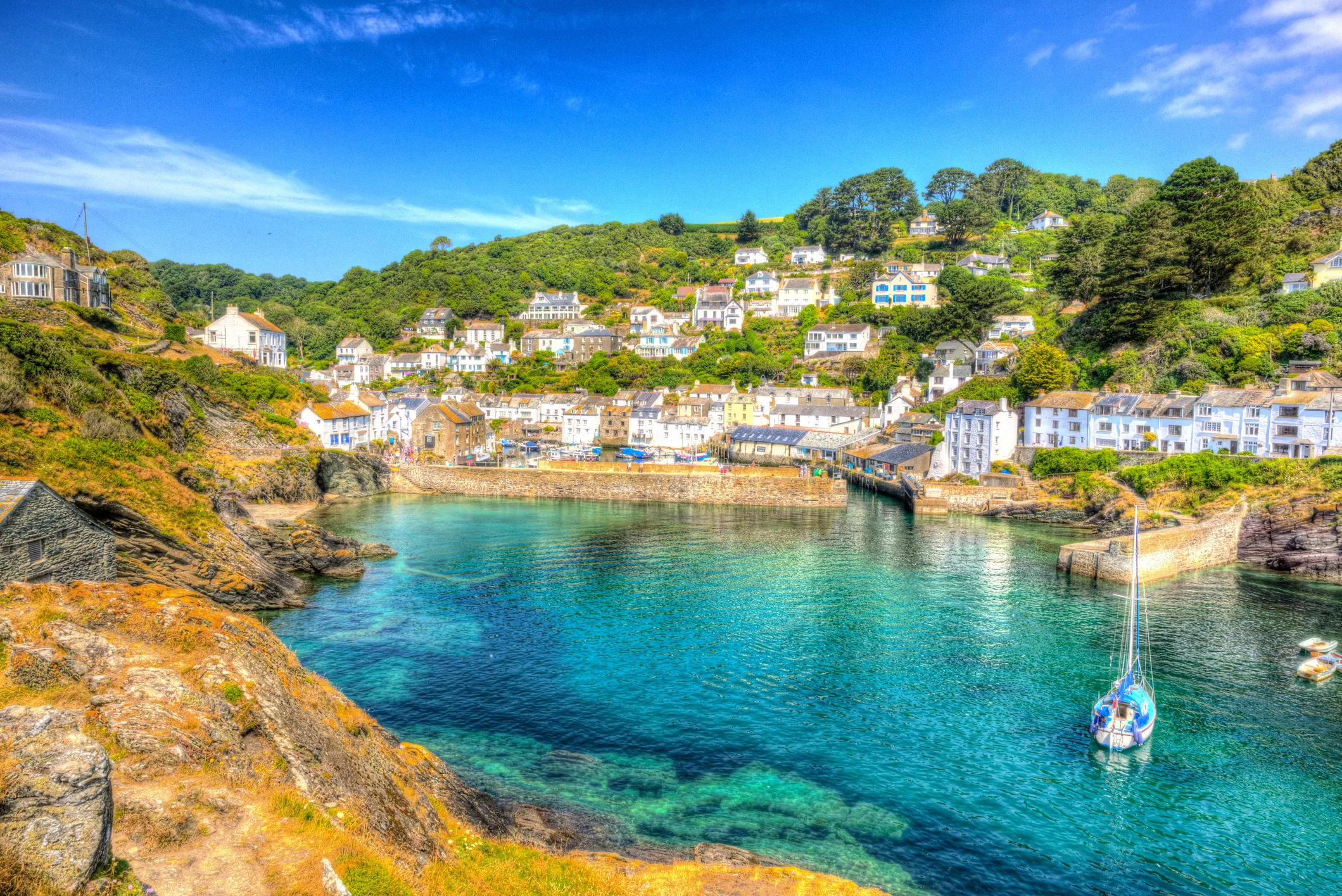
Cornwall is the far southwestern tip of Britain, and getting there takes genuine time. From London, it is a 5-hour drive or a 4.5-hour train journey. From Manchester or Birmingham, the drive is similar. The nearest airport with scheduled passenger flights is Newquay Airport, served by domestic routes from London, Manchester, and Edinburgh, plus some seasonal European connections. The official tourism site mentions none of these specifics.
By Train from London
Great Western Railway runs direct services from London Paddington to Penzance, stopping at major Cornish stations including St Austell, Truro, and St Erth (for the St. Ives branch line). The journey to St. Erth takes roughly 4 hours 40 minutes. Advance single fares start around £35–£50 when booked weeks ahead. Check current timetables on the National Rail website.
Driving Times
From London: roughly 5 hours to St Ives via the M4 and M5. From Bristol: 3 hours. From Birmingham: 4.5 hours. From Manchester: 5.5 hours. The A30 is the main artery into Cornwall, and it bottlenecks badly on summer Saturdays and bank holiday weekends. Leave early or travel midweek. Compare car hire prices on Kayak before booking.
Flying into Newquay Airport (NQY)
Newquay Airport sits on the north coast with direct flights from London Gatwick, Manchester, Edinburgh, and Dublin. A car rental from the terminal is the most practical onward option. Public transport from the airport is limited to a bus connection to Newquay town, where you can connect to the wider rail network.
Best Time to Visit Cornwall
Cornwall works in every season, but the experience changes dramatically. Summer (June to August) delivers the warmest weather and the busiest beaches, with sea temperatures reaching roughly 16–17°C (61–63°F) by August. It also brings traffic jams, fully booked restaurants, and premium accommodation prices. Spring (April to May) and early autumn (September to mid-October) are my strong recommendations. The sea is still swimmable in September, the crowds have thinned, and the light is softer and better for photography.
Maya’s honest take: “I now only visit Cornwall in June or September. The weather difference between late June and August is negligible, but the difference in crowd levels and accommodation prices is not. July and August are for people who are locked into school holidays and have no choice.”
Summer (June–August)
Warmest, busiest, most expensive. Book everything months ahead. Sea temperatures peak in August. St Ives, Padstow, and Newquay are heaving. The A30 is stop-start on Saturdays.
Spring (April–May)
Wildflowers on the clifftops, daffodils, and bluebells in the hedgerows. Quieter beaches. Weather is a gamble but often delivers clear, bright days. The sea is still cold (around 10–12°C).
Autumn (September–October)
The sweet spot. The sea is still warm from summer heating. Crowds vanish after the first week of September. Accommodation prices drop. Storm watching on the north coast becomes a genuine activity.
Winter (November–March)
Empty beaches, cozy pubs, wild storms. Many tourist businesses close, especially in smaller villages. The Christmas and New Year period books up with returning families. For storm watching, check the Met Office coastal forecasts before heading out.
Where to Base Yourself: North Coast vs. South Coast
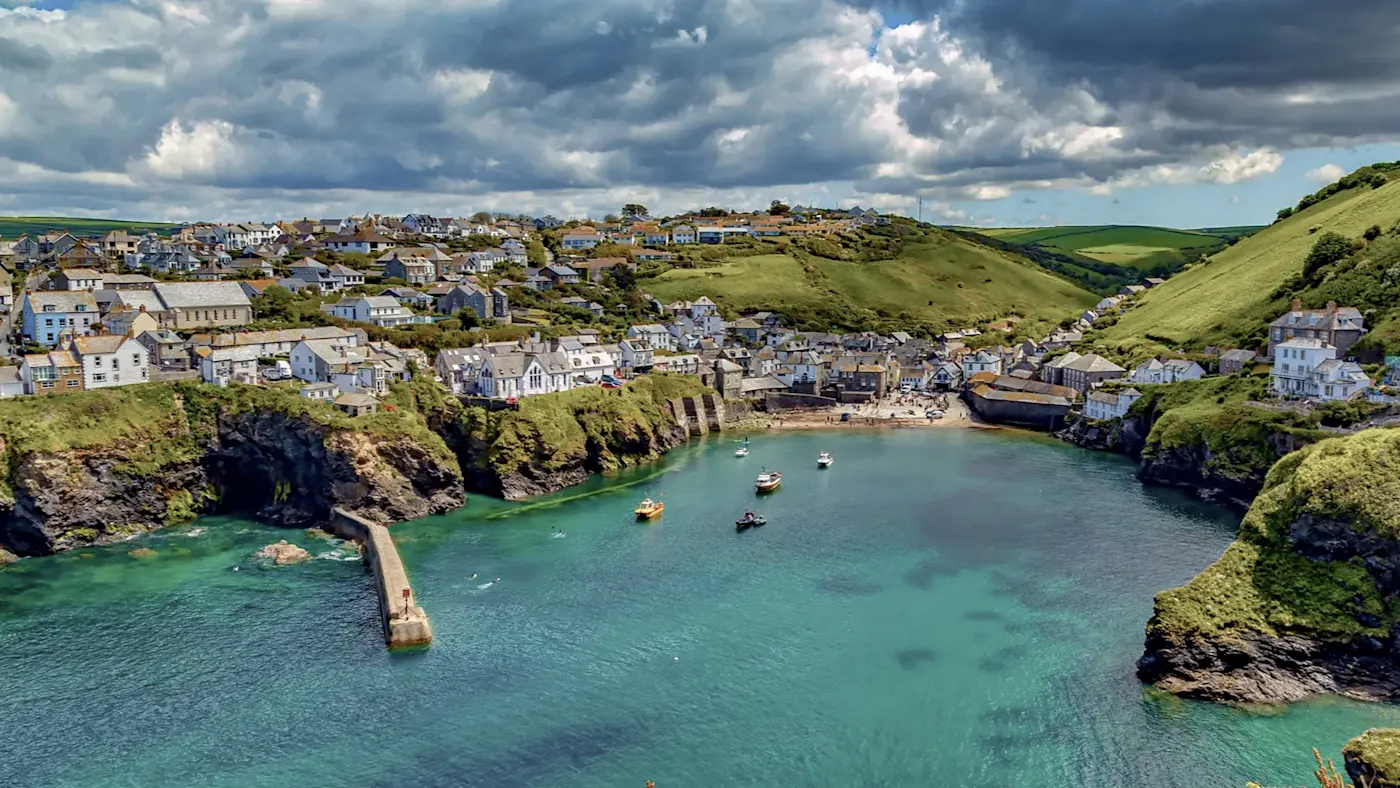
The single decision that most shapes a Cornwall trip is which coast to call home. The North Coast faces the full Atlantic, with big surf beaches, dramatic cliffs, and a wilder, more exposed feel. The South Coast is sheltered, with creeks, estuaries, calmer waters, and a softer landscape. They are only 30 miles apart as the crow flies, but the vibe differs substantially. I have stayed in all of the towns below. They serve different trips.
Maya’s honest take: “St. Ives is the postcard, and it earns it. But I sleep better and spend less in Falmouth, and I surf better at Perranporth. Pick the town that suits your actual holiday, not the one that looks best on Instagram.”
St Ives (North Coast)
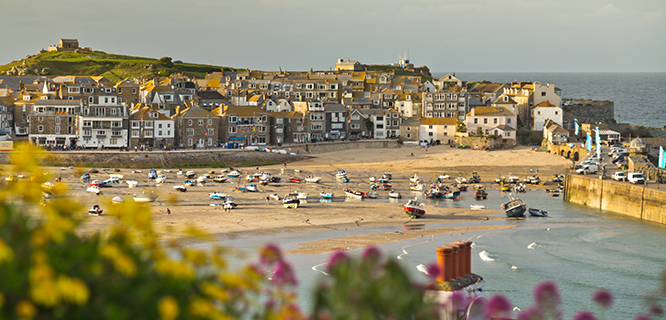
Best for: art lovers, couples, first-time visitors wanting the classic experience. Stunning light, the Tate gallery, and good restaurants. Accommodation is expensive. Parking is famously difficult. The train station puts the branch-line scenery right at your doorstep.
Check St Ives hotel availability on Booking.com.
Newquay (North Coast)
Best for: surfers, families on a budget, active travelers. Fistral Beach is the UK’s most famous surf break. The town itself is built-up and unpolished in parts, but the coastline is spectacular. More affordable accommodation than St Ives.
Falmouth (South Coast)
Best for: foodies, sailors, and travelers who want a real working town. Excellent restaurants, a strong independent shop scene, and access to the Helford River. Less obviously picturesque than St. Ives, more substance under the surface.
Padstow (North Coast)
Best for: food-focused short breaks and cycling families. The Camel Trail runs from here. Rick Stein’s restaurants dominate the food scene, but independent options exist. Very busy in summer; the car park fills by 10 a.m. on weekends.
Penzance (West Cornwall)
Best for: explorers wanting the far west and access to the Isles of Scilly. A working port with a grittier edge. Jubilee Pool, the art deco seawater lido, is a highlight. Train station with direct London connections.
Sample Cornwall Itineraries
These plans assume you have a car unless noted. Driving times between stops are realistic, accounting for summer traffic. Each day is a suggestion, not a forced march. Swap beach days and walking days to match the weather forecast.
3-Day Itinerary
Base: St. Ives (car-free possible).
Day 1: Arrive, explore St. Ives harbor and beaches, and have dinner at a harborfront restaurant.
Day 2: Coastal walk from St Ives to Zennor (challenging, 6 miles, allow 4 hours). Bus back.
Day 3: Morning at the Tate St. Ives, afternoon train to Carbis Bay for a beach session, and depart late afternoon.
5-Day Itinerary
Base: Falmouth.
Day 1: Settle in, walk to Pendennis Castle, and have a seafood dinner on the harbor.
Day 2: Day trip to St. Ives (40-minute drive or train via St. Erth). Tate, harbor, Porthminster Beach.
Day 3: Lizard Peninsula loop: Kynance Cove, Lizard Point, pasties in Cadgwith.
Day 4: Helford River day: rent a kayak or take the ferry to Helford village, lunch at the Shipwrights Arms.
Day 5: Morning at Gyllyngvase Beach; depart.
7-Day Itinerary
Bases: 3 nights Newquay area, 4 nights in Penzance.
Days 1–3 (North Coast): Take a surf lesson at Fistral Beach, walk the Bedruthan Steps, and take a day trip to Padstow for the Camel Trail bike hire.
Day 4: Move bases, stopping at St Ives for lunch.
Days 5–7 (West Cornwall): Minack Theatre coastal walk to Porthcurno, Land’s End (go early or late to avoid peak crowds), and day trip to the Isles of Scilly on the Scillonian ferry (book well ahead).
What a Cornwall Trip Actually Costs
Cornwall is one of the UK’s more expensive holiday destinations, particularly in July and August. A comfortable mid-range trip for two people sharing a room typically costs £260–£400 per day total, or roughly $330–$510 USD. Solo travelers should budget more per person, as accommodation costs do not split. These are real mid-range figures, not backpacker minimums or luxury splurges.
Maya’s honest take: “The single biggest cost variable is whether you book a self-catering cottage and cook some meals or stay in a hotel and eat out for every meal. A cottage from Vrbo plus supermarket shops cuts your daily food bill in half compared to three restaurant meals.”
Accommodation (per night)
- Budget B&B or hostel: £60–£100 / $75–$125
- Mid-range hotel or pub inn: £120–£180 / $150–$230
- Harbour-view hotel (St Ives): £200+ / $255+
- Self-catering cottage (per week): £700–£1,400 / $890–$1,780
Search hotels across Cornwall on Hotels.com for loyalty reward nights.
Daily Spending (per person)
- Pastry or breakfast sandwich and coffee: £7–£10 / $9–$13
- Pub lunch with a drink: £15–£22 / $19–$28
- Three-course evening meal: £35–£55 / $45–$70
- Cornish pasty from a bakery: £4–£6 / $5–$8
- Car parking (all day at a beach): £5–£10 / $6–$13
- Surf lesson (group, 2 hours): £30–£40 / $38–$50
Fuel costs add up. Cornwall’s narrow lanes and hilly terrain mean your car will work harder than on a motorway cruise. Budget roughly £50–£80 for a week’s local driving if you are based in one area, more if you do daily cross-county trips. Check Kayak for car hire rates if you are flying in.
Best Beaches in Cornwall (With Specifics)
Cornwall genuinely has more good beaches than anyone can cover in one holiday. The official tourism site says “over 300 beaches.” That is true but unhelpful. Here are the ones I return to, grouped by what you want from them, with the practical details that matter when you have sand in the car and a child who needs a toilet.
For Dramatic Scenery
- Kynance Cove (Lizard Peninsula): National Trust-owned, turquoise water, serpentine rock stacks. Arrive before 10 a.m. or after 4 p.m. in summer. The car park fills and the access road closes.
- Porthcurno (West Cornwall): Fine white sand, sheltered by granite cliffs, and the Minack Theatre sits above it. Combine a beach morning with a matinee performance.
For Surfing
- Fistral Beach, Newquay: The UK’s surfing capital. Consistent swell, surf schools, and beach facilities. The town above it is unpretentious and built-up.
- Polzeath (North Coast): A long, wide beach with gentle beginner waves and a good surf school. The beach cafe does solid post-surf food.
For Families
- Gyllyngvase Beach, Falmouth: Safe swimming, a cafe with toilets, and a park behind the beach. Walkable from Falmouth town.
- Perranporth (North Coast): Massive sandy beach at low tide with rock pools. The Watering Hole pub sits directly on the sand.
Dog restrictions apply to many Cornish beaches between Easter and October. Check the individual beach rules on the Cornwall Council website before you set off with a dog. The rules are enforced, and the fines are real.
Things to Do in Cornwall Beyond the Beach
Rain happens, even in Cornwall. And some days you simply do not want sand in your shoes. The county has a strong year-round cultural and food scene that the brochures mention but rarely detail. Book popular activities ahead through GetYourGuide or check recent reviews on TripAdvisor.
Walks Worth the Effort
- South West Coast Path: The entire Cornwall section is spectacular. The stretch from St. Ives to Zennor is my favorite day walk. Rugged, exposed, unforgettable.
- Lizard Peninsula loop: Park at Kynance, walk the coastal path to Lizard Point and back via the lighthouse. Allow 3 hours.
- Bodmin Moor: A completely different Cornwall. Wild, empty, dotted with Neolithic stone circles and tors. Brown Willy is the highest point in Cornwall.
Culture, Food, and Gardens
- Minack Theatre, Porthcurno: An open-air theater cut into a granite cliff above the sea. Book months ahead for summer evening performances.
- Tate St Ives: Modern and contemporary art in a building that overlooks Porthmeor Beach. The rooftop cafe is worth a visit on its own.
- Lost Gardens of Heligan: A restored Victorian estate garden. The jungle valley section feels genuinely subtropical.
- Rick Stein’s Seafood Restaurant, Padstow: Yes, it is famous. Yes, it is touristy. The seafood is genuinely excellent. Reserve well ahead.
Practical Tips Locals Wish Visitors Knew
These are the avoidable frustrations that make Cornish locals roll their eyes and that can genuinely affect your holiday. None of these appear on the glossy tourism homepage.
- Check the tide times before you walk to a beach. Several beautiful coves, including Porthcurno and Kynance, lose most of their sand at high tide. More importantly, some beaches get cut off. The RNLI rescues people from rising tides every summer.
- Parking in St Ives is a strategic exercise. The park and ride at St Erth station is often the least stressful option in summer. Driving into the town center and expecting to find a space is a gamble with poor odds.
- Book restaurants weeks ahead in peak season. Walking into a good pub in Padstow or St Ives at 7 p.m. on a Saturday in August without a reservation is likely to end in disappointment.
- The A30 is the main route into the county, and it clogs. Avoid traveling on a Saturday in summer if you can. Friday afternoons and Sunday evenings are also heavy.
- Do not underestimate Cornish narrow lanes. Satnavs send unwary drivers down farm tracks. If the lane looks too narrow for two cars, it probably is. Learn to reverse to a passing place.
- Sea fog can roll in fast on the coast path. Carry a map or offline GPS even on short walks. Visibility can drop to 50 meters in minutes on exposed headlands.
- Dog bans are seasonal and enforced. The blanket ban on many popular beaches runs from Easter Day to 1 October. Beaches that allow dogs year-round are signposted. The Cornwall Council website lists the full current rules.
Frequently asked questions
How many days do you need for a trip to Cornwall?
Five full days is the minimum for a first visit that covers two distinct coastlines without feeling rushed. A long weekend of 3 days works if you pick one small area and stay put. Seven days lets you split your stay between two bases and see the far west properly.
What is the best month to visit Cornwall?
September is the best all-around month. The sea is still warm from summer heating, the crowds have thinned significantly after the school holidays, and accommodation prices drop from their August peak. June is a close second for long daylight hours with fewer visitors than July.
Which is better: North Coast or South Coast Cornwall?
The North Coast is better for surfing, dramatic cliff scenery, and Atlantic-facing beaches. The South Coast is better for sheltered swimming, sailing, creekside villages, and a gentler landscape. They are different experiences, not a hierarchy. Many visitors split their stay to try both.
How do you get to Cornwall from London?
The fastest train is the GWR service from London Paddington to St Erth or Penzance, taking about 4 hours and 40 minutes. Driving takes roughly 5 hours via the M4 and M5. Avoid the A30 on summer Saturdays.
Is Cornwall expensive?
Yes, Cornwall is one of the more expensive UK holiday destinations. Budget roughly £130–£200 per person per day for a comfortable mid-range trip, including accommodation, meals, and transport. Prices peak in July and August. Self-catering and visiting in shoulder season significantly reduce costs.
Where is the best place to base yourself in Cornwall?
St Ives is the most popular base for a reason: it’s beautiful, walkable, and well-connected by train. Falmouth is a better choice for foodies and those who want a real working town with good restaurants. Newquay suits surfers and budget-conscious families. Padstow works well for short food-focused breaks.
Can you visit Cornwall without a car?
Yes, if you base yourself in a town with a railway station like St Ives, Penzance, Falmouth, or St Austell. The branch line to St Ives from St Erth is one of the UK’s most scenic rail journeys. Buses connect the major towns, but rural and coastal services are infrequent.
What is the weather really like in Cornwall?
Cornwall is milder than most of the UK, with fewer frost days and earlier springs. But it is still a maritime climate. Rain is possible in any month. Sea fog can roll in fast on the coast. Summer temperatures average 18–21°C (64–70°F). Always pack a waterproof layer, even in July.
Plan your trip: booking platforms we trust
I have booked Cornwall trips across all of these platforms. Each one does something specific well. Use the right tool for the right job rather than defaulting to one site for everything.
Best overall for B&Bs, guesthouses, and hotels across Cornwall.
Best for self-catering cottages, especially for families or groups staying a week.
Best for comparing car hire rates and finding the cheapest train or flight into Newquay.
Best for bookable surf lessons, guided coastal walks, and boat trips.
Best for honest recent reviews of restaurants before you reserve a table.
Best for earning loyalty reward nights on longer hotel stays.