

advertisement
Trip to New York City: The Complete Planning Guide This Year (Costs, Itinerary & Where to Stay)
A well-planned trip to New York City needs a minimum of 4 full days to cover Manhattan’s core, a daily budget of $200-$350 per person for a comfortable mid-range experience, and a firm decision on which borough suits your travel style. This guide provides the exact itinerary, real cost breakdowns, and neighborhood comparisons that official tourism portals do not.
You do not need another list of New York City attractions. You have probably already seen the skyline photos and heard about the pizza. What you need before you book anything is a concrete answer to three practical questions: how many days are enough, where should you actually sleep, and what is this honestly going to cost?
I have navigated JFK customs, squeezed onto the E train with a suitcase, and woken up in four of the five boroughs. This guide is the plan I wish I had before my first trip, written in real numbers, not brochure copy.
Jump to: Best Time to Visit | How Many Days | Where to Stay | Getting Around | Sample Itinerary | What It Costs | Borough Guide | First-Timer Tips | FAQs
Key takeaways
- Five full days is the sweet spot for first-timers, covering Midtown, Downtown, Central Park, and a Brooklyn day.
- Midtown Manhattan is the easiest first-time base, but Lower Manhattan and Long Island City offer better value.
- Budget $250–$400 per day for a couple for a comfortable, mid-range experience including a hotel, meals, and attractions.
- The subway is the only way to move. Forget taxis for most trips; a contactless MetroCard or OMNY tap is your key to the city.
- Book hotels 2–3 months ahead. Last-minute rooms in Manhattan are a fast route to spending double your budget.
- Fall (September–October) and spring (April–May) offer the best weather and manageable crowds. December is magical but expensive.
- Treat the boroughs as distinct cities. A day in Brooklyn or Queens is not a side note; it is a highlight.
What Is the Best Time of Year to Visit New York City?
The best time for a classic sightseeing trip is fall, specifically mid-September through October. The heat breaks, the tourist crush of August fades, and walking the High Line or Central Park in crisp air is genuinely ideal. Spring (April to early May) is a close second, with cherry blossoms and pleasant temperatures. Summer (June–August) is hot, humid, and crowded, but hotel prices can dip in July. Winter holiday season (late November through December) is visually magical but punishingly expensive and packed.
January and February are the budget sweet spot if you can handle cold winds and the occasional snow day. I would rather walk Manhattan in a coat and scarf than in August humidity.
Maya’s honest take: “I went one August and spent $12 on bottled water in a single afternoon just to stay functional. October is the same city, just without the physical discomfort and the queue for the Empire State Building snaking around the block.”
Best for Ideal Weather & Crowds
- April–May: Mild, blooming parks, moderate hotel prices.
- September–October: Crisp air, golden light, the city’s most photogenic window.
Best for Budget or Holiday Magic
- January–February: Lowest hotel rates of the year, but sub-zero wind chills are possible.
- Late November–December: Holiday markets, decorations, and peak hotel prices. Book far ahead.
How Many Days Do You Need for a Trip to NYC?
For a first trip to New York City, you need a minimum of 4 full days to see Manhattan’s core without sprinting. Five days lets you add a full day in Brooklyn or Queens and still breathe. A 3-day weekend is doable but forces hard choices: you will see Midtown and maybe one museum, and you will not cross the East River.
Seven days is the relaxed pace that lets you do Manhattan thoroughly, explore two outer boroughs, and still have a lazy morning in a West Village cafe without guilt. I built the itinerary section below for the 5-day sweet spot.
3 Days (Whirlwind)
- Best for: Long weekend warriors.
- Stick strictly to Midtown and Downtown Manhattan.
- One major observation deck, one museum max.
- You will miss Brooklyn, Central Park’s north end, and any relaxed sit-down meals.
5 Days (The Sweet Spot)
- Best for: The standard first-time trip.
- Full Manhattan coverage plus one Brooklyn day.
- Room for a Broadway show and two major museums.
- Pace is busy but not punishing.
7 Days (Full Exploration)
- Best for: Travelers who want neighborhoods, not just landmarks.
- Add Queens (Astoria, Flushing food crawl) and Harlem.
- Morning coffee in a different neighborhood each day without rushing.
Where to Stay in NYC: A Neighborhood Comparison for First-Timers
Choosing where to sleep is the single most expensive decision you will make after your flight. The right neighborhood cuts your daily transit time in half. The wrong one leaves you commuting an hour each way. I have broken down the four best options for first-time visitors below, each with a clear “who it is for.” Do not book a hotel until you have read this.
@claudia.giblin NYC P1: What area should you stay in when visiting #nyc #newyork #travel #travelrecs #manhattan #america #us #greenscreen
Maya’s honest take: “Midtown is the obvious choice, and I recommend it for first visits. But I sleep better in Long Island City, Queens, where I pay 30% less for a room with a Manhattan skyline view, and I am one subway stop from Grand Central.”
Midtown Manhattan
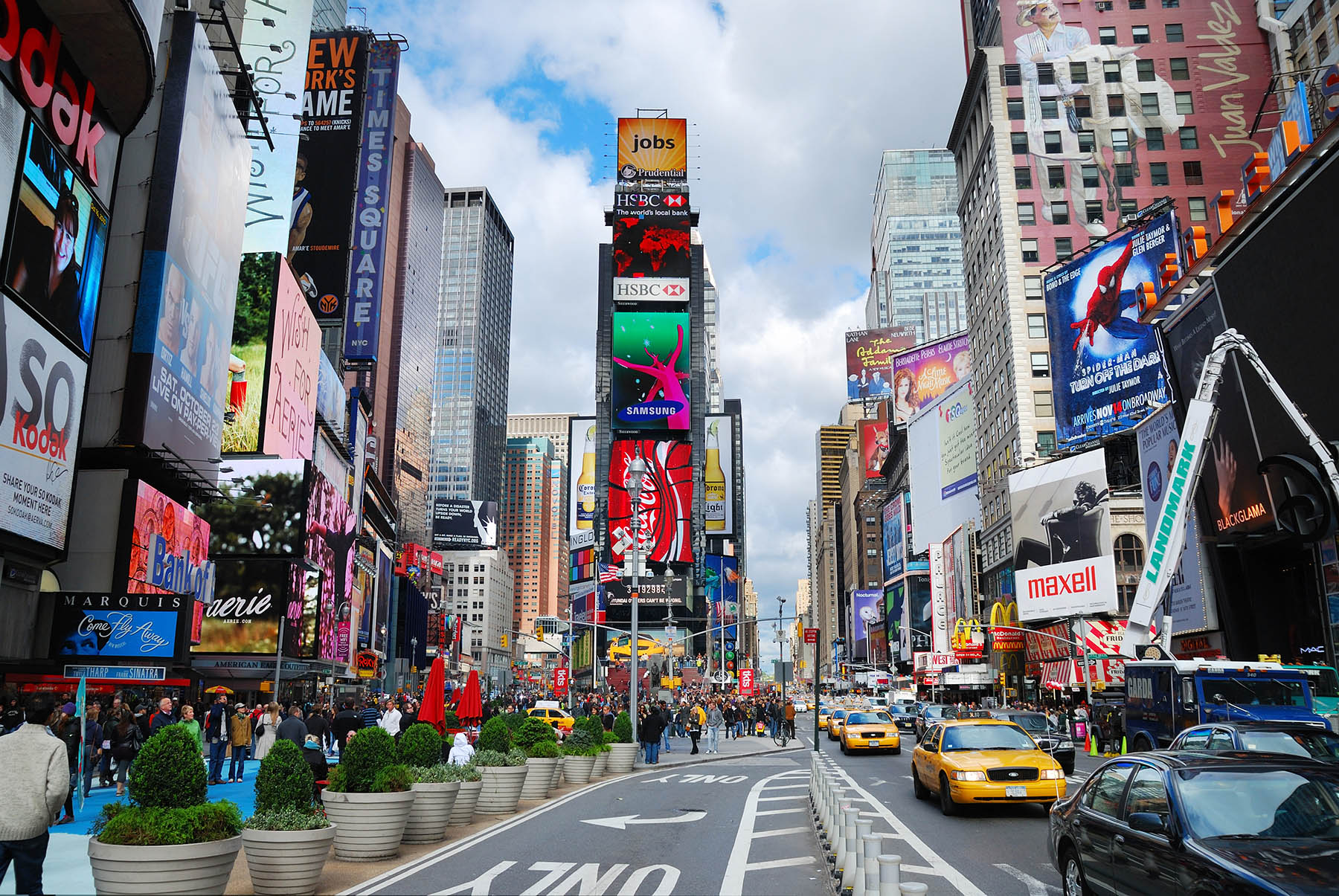
Best for first-timers who want to walk to everything. Times Square, Broadway, Central Park, and MoM A are on your doorstep. Hotels are expensive, and the area is loud and tourist-saturated. You are paying for location, not character. Check hotel options on Booking.com.
Lower Manhattan (Financial District)
Best for a quieter base with good subway access. Close to the Statue of Liberty ferry, Brooklyn Bridge, and the 9/11 Memorial. Hotels can be cheaper on weekends when the business crowd leaves. Feels empty at night compared to Midtown.
Long Island City, Queens
Best for value-seekers who want skyline views. One subway stop from Midtown on the 7 train. Modern high-rise hotels at 60–70% of Manhattan prices. The neighborhood itself is residential and quiet. Compare rates on Hotels.com for loyalty perks.
Williamsburg, Brooklyn
Best for return visitors and nightlife-focused travelers. Trendy, excellent food and bar scene, direct L train access to Manhattan. Fewer traditional “tourist” hotels; more boutique options. A good choice for a 5-day trip where you want a neighborhood to explore in the evenings.
Getting Around NYC: Airport Transfers, Subway, and the Truth About Taxis
The New York City subway is not charming. It is loud, occasionally confusing, and one of the most efficient urban transit systems on earth. You will use it constantly. The bus network fills gaps, and your own feet will cover more miles than you expect. The official MTA website has live maps and service status that will be your most-visited bookmark on all trips.
From the Airport
- JFK: AirTrain to Jamaica or Howard Beach, then subway ($11 total, about 60–75 mins to Midtown). The taxi flat fare to Manhattan is $70 plus tolls and tip.
- Newark (EWR): AirTrain to NJ Transit train to Penn Station ($15.25, about 45 mins). A taxi runs $70–$100.
- LaGuardia (LGA): No direct rail link. The Q70 bus to the subway is free and takes about 45 mins to Midtown. Taxi $40–$55.
Subway Basics
- Tap a contactless card or phone at the OMNY reader, no MetroCard required.
- A single ride costs $2.90. A 7-day unlimited pass is $34 if you use a MetroCard.
- Express trains skip stops; check the MTA map before boarding.
- Uptown and Downtown are the core directional concepts. Learn them fast.
A 5-Day New York City Itinerary for First-Timers
This is the exact plan I have sketched for friends visiting for the first time. It assumes you are staying in Midtown Manhattan and moving by subway and on foot. Start each day early; the city rewards pre-9 a.m. starts with empty streets and shorter queues.
Day 1: Midtown Icons
Times Square in the morning light (less crowded, still surreal). Walk to Rockefeller Center and go up to Top of the Rock for the best Midtown view. Afternoon at the Museum of Modern Art (MoMA). Evening Broadway show, booked weeks in advance.
Day 2: Central Park & Upper East Side
Morning walk from the south end of Central Park up to the Bethesda Terrace and the Loeb Boathouse. Exit at the Met Fifth Avenue and spend 3–4 hours there. Evening exploring the Upper West Side for dinner.
Day 3: Downtown Manhattan
Start at the Statue of Liberty ferry (book the first departure, tickets via the official Statue City Cruises site). Walk through the Financial District. Visit the 9/11 Memorial. Evening walk across the Brooklyn Bridge into DUMBO for pizza and skyline photos.
Day 4: Brooklyn Day
Train to Williamsburg. Walk the waterfront, browse the shops, eat lunch at Smorgasburg (Saturday) or a local deli. Afternoon at the Brooklyn Museum or a walk through Prospect Park, which I find more relaxing than Central Park on a sunny day.
Day 5: Greenwich Village, Chelsea & the High Line
Morning coffee in the West Village, wander Bleecker Street. Walk the High Line from the Meatpacking District up to Hudson Yards. Afternoon at the Whitney Museum or Chelsea Market. Final dinner in Little Italy or the East Village. Book local food and walking tours in advance on GetYourGuide.
What a Trip to NYC Actually Costs (Real Budget Breakdown)

New York City is expensive by American standards, but the range between budget and luxury is vast. A solo traveler can do it for $180 a day with a hostel bed, pizza slices, and smart subway use. A couple in a mid-range Midtown hotel with a Broadway show and sit-down meals should budget $250–$400 per couple per day. Luxury has no ceiling. These are real per-night and per-day ranges, not brochure estimates.
Accommodation (per night)
- Hostel dorm bed: $50–$80
- Budget hotel (Queens/Brooklyn): $120–$180
- Mid-range Midtown hotel: $200–$350
- Luxury Manhattan hotel: $500+
Daily Spending (per person)
- Breakfast (bagel and coffee): $6–$10
- Casual lunch: $15–$20
- Sit-down dinner with a drink: $40–$70
- Broadway ticket (rear mezzanine): $60–$120
- Museum entry: $25–$30 (MoMA, Met suggested donation for NY state residents, $30 otherwise)
- Subway unlimited 7-day pass: $34
For flights, use Kayak to compare prices into JFK, Newark, and LaGuardia. Sometimes a $50 cheaper fare into Newark is wiped out by a $100 taxi to your hotel. Look at the door-to-door cost, not just the flight price. If booking a flight and hotel together saves money, check Expedia for package deals.
NYC Borough Guide: What Each One Is Actually Like
The official tourism site gives each borough a paragraph. Here is the real orientation. Most first-timers spend 80% of their trip in Manhattan, but the moments that stick with me from my own trips happened in Brooklyn brownstone streets and a Flushing food court.
Manhattan
The icon. Dense, walkable, packed with 90% of the landmarks you have on your list. Expensive to sleep in, but you can eat cheaply if you avoid tourist-zone restaurants. The grid system above Houston Street makes navigation straightforward.
Brooklyn
A city in itself. Williamsburg for boutiques and nightlife. DUMBO for skyline photos and the bridge walk. Park Slope and Prospect Heights for brownstone streets and the excellent Brooklyn Museum. A full day here is essential on a 5-day trip.
Queens
The most linguistically diverse place on the planet. Astoria for Greek food and a relaxed neighborhood feel. Flushing for some of the best Chinese and Korean food in North America. Long Island City hotels are the best value base in the entire city.
The Bronx
Home to Yankee Stadium, the New York Botanical Garden, and the real birthplace of hip-hop. Arthur Avenue has Italian food that rivals Manhattan’s Little Italy with zero tourist markup. Easily reachable by subway.
Staten Island
Take the free Staten Island Ferry for a fantastic view of the Statue of Liberty and Lower Manhattan. Most visitors ride it over and straight back. The Snug Harbor Cultural Center is worth a visit if you have a 7-day trip and a curiosity for the less-trafficked path.
First-Timer Tips and Mistakes to Avoid in NYC
These are the avoidable errors I have made or watched others make, the ones that cost time, money, or a good meal. None of them will ruin a trip, but fixing them before you land makes your first day noticeably smoother.
- Standing still at the top of the subway stairs. Step aside. The flow of commuters behind you is not patient.
- Paying full price for observation decks without comparing. Top of the Rock gives you the Empire State Building in your photo. Summit One Vanderbilt is the current wow-factor choice, but it costs more. Pick one.
- Staying only in Times Square. It is a transit hub with bright lights. Eat elsewhere. The restaurants within a two-block radius are generally overpriced and underwhelming.
- Not making restaurant reservations. Popular spots in the West Village, Williamsburg, and Midtown book out days ahead. Use TripAdvisor to find highly rated places and book directly.
- Skipping the outer boroughs entirely. A trip to NYC that never leaves Manhattan is like a trip to a greatest-hits album. You heard the songs, but you missed the deep cuts.
- Wearing brand-new shoes. You will walk 15,000–25,000 steps per day. Break your walking shoes in before the trip.
- Assuming you can “do the Statue of Liberty” in an hour. The ferry and security process eats a full morning. Book the earliest departure and accept it is a half-day commitment.
Frequently asked questions about planning a trip to NYC
How many days do I need for a first trip to New York City?
A minimum of 4 full days covers Manhattan’s core landmarks. Five days is the sweet spot, letting you add a full day in Brooklyn. Three days forces hard choices and leaves no room for outer boroughs.
What is the average cost of a trip to NYC?
Budget roughly $250–$400 per day for a couple for a comfortable mid-range experience including a hotel, meals, subway, and one paid attraction. A solo budget traveler can manage on about $180 a day.
Where should a first-time visitor stay in NYC?
Midtown Manhattan is the most convenient base for walking to major landmarks. For better value with easy subway access, consider Long Island City in Queens, which is one stop from Grand Central.
Do I need cash in New York City?
Almost no. Cards and contactless payments are accepted everywhere from street food carts to subway turnstiles. Carry $40–$60 in small bills as a backup for occasional cash-only bodegas or tips.
Is the New York CityPASS worth it?
It can be, if you plan to visit at least 3–4 of the included major attractions like the Empire State Building, the Met, and a ferry cruise. Calculate the individual ticket prices for your planned stops before buying. Check the current pass details on the official CityPASS website.
Which NYC airport is best to fly into?
JFK has the most international connections and a reliable AirTrain-to-subway link. Newark is equally close to Manhattan and sometimes cheaper. LaGuardia is closest but lacks a rail link, making public transit more cumbersome.
Is New York City safe for tourists?
Yes. The tourist areas of Manhattan, Brooklyn, and Queens are heavily trafficked at all hours. Use the same urban common sense you would in any major city: be aware of your surroundings, keep valuables secure, and avoid deserted subway cars late at night.
Plan your NYC trip: booking platforms we actually use
These are the platforms I have booked New York trips through at different times. Each does one thing well. Matching the right tool to the job saves you money and hours of scrolling.
Best for the widest range of NYC hotels, from Midtown chains to Brooklyn boutiques.
Best for comparing flights across JFK, Newark, and LaGuardia simultaneously.
Best for bundling a flight and hotel into a single package for a lower combined rate.
Best for skip-the-line observation deck tickets, walking tours, and food crawls.
Best for real recent reviews of restaurants and hotels before you book elsewhere.
Best for earning a free night after 10 stays if you book multiple trips a year.