
advertisement
Digital Nomad Essentials: The Complete Checklist (Gear, Visas, Insurance & Budget)
The true essentials for a digital nomad are not just a good backpack and a laptop. They span five categories: the legal right to work remotely in your destination, health insurance that actually covers you abroad, a banking setup that does not eat your income in fees, a connectivity plan that does not fail during a client call, and a lean, deliberately chosen gear kit. Skip any of these, and you are not travelling light; you are travelling unprepared.
Most “digital nomad essentials” lists are just packing lists in disguise. A backpack full of Merino wool will not help you if you are denied entry without the right visa, stuck without insurance after a motorbike fall in Chiang Mai, or locked out of your bank account with no backup card. I have been working remotely across multiple continents for years, and the hard lessons were never about which packing cube to buy. They were about connectivity failures, visa uncertainty, and the hidden costs that gear guides never mention.
Here is the complete picture, the gear, yes, but also the legal, financial, and digital essentials nobody else puts in one place, plus what it all really costs.
Jump to: What “Essentials” Means | Legal & Financial | Digital & Connectivity | Physical Gear | Budget Breakdown | Mistakes to Avoid | FAQs
Key takeaways
- Visa research comes before gear shopping. The legal right to work remotely in your destination is the single most important item on any digital nomad checklist, and it is the one most lists skip entirely.
- Health and travel insurance is non-negotiable. A standard travel policy often excludes remote work. You need a policy that explicitly covers long-term stays and work-related incidents.
- Set up a fee-free, multi-currency banking system before you leave. Foreign transaction fees and ATM charges will quietly drain hundreds of dollars per month if you do not fix this early.
- A lean gear kit costs $1,500–$3,000 to assemble from scratch, not including the laptop. The premium gear lists suggest double that figure, but you can start for far less.
- Overpacking is the most expensive mistake new nomads make. Every extra kilogram costs you in baggage fees, mobility, and mental clutter. Buy the minimum, and add only what you genuinely miss.
What “Essentials” Really Means for a Digital Nomad

The gear-focused packing lists define “essentials” as physical objects that fit in a bag. A working digital nomad defines essentials differently: anything you need to legally enter a country, stay healthy and insured, reliably earn income, and maintain connectivity. Without those four layers in place, the most perfectly curated backpack in the world is just luggage. This guide is organized by those layers. Physical gear sits in its own section, but it comes after the legal, financial, and digital foundations that actually determine whether your nomadic life works.
Maya’s honest take: “I once spent weeks researching the perfect carry-on backpack and days agonizing over packing cubes. Then I arrived in a country where my bank card did not work at any ATM in town. The backpack quality did not matter. Fix the money stuff first.”
Before You Pack: Legal and Financial Essentials
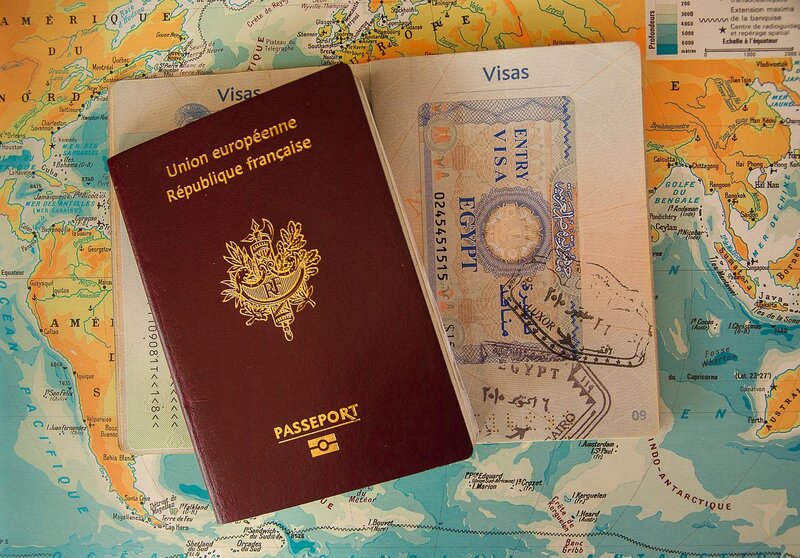
This is the section that does not fit in a carry-on, and it is the one that matters most. Get these four things sorted before you book a single flight.
Visas and Digital Nomad Visa Options
You cannot simply show up in a foreign country and start working remotely on a tourist visa. The legal reality varies sharply by destination. Some countries, Portugal, Spain, Estonia, Thailand, and Indonesia, now offer dedicated digital nomad visas with defined income thresholds, application processes, and tax implications. Others technically prohibit remote work on a tourist entry, though enforcement is inconsistent. Research your destination’s specific visa rules on its official government immigration website before you commit to a long stay.
A digital nomad visa typically requires proof of income, often $2,000–$4,000 USD per month depending on the country, health insurance, and a clean criminal record check. The application takes weeks to months, not days. Start early.
Travel and Health Insurance That Actually Covers Remote Work
Standard travel insurance policies are designed for short holidays and often exclude work-related incidents. If you are working remotely and get injured, even outside of a formal office, a standard policy may deny the claim. You need a policy designed for long-term travelers or digital nomads that explicitly covers remote work, medical evacuation, and repatriation. SafetyWing and World Nomads are the two names most commonly mentioned in nomad communities, but their coverage limits, exclusions, and pre-existing condition policies differ. Read the policy wording, not just the price tag. Confirm that your policy covers the specific countries on your itinerary.
Check the current terms on the provider’s official website before purchasing. For broader context on why coverage matters, see our guide on travel insurance for travelers.
Banking, Cards, and Getting Paid Internationally
The single most expensive mistake new nomads make is using their home-country bank card abroad. A 3% foreign transaction fee on every coffee, hostel, and coworking pass adds up to hundreds of dollars per month. Open a checking account with a bank that offers zero foreign transaction fees and reimburses ATM charges. In the US, the Charles Schwab High Yield Investor Checking account is the most frequently recommended. In the UK, Monzo and Starling offer strong no-fee international options. For receiving payments across currencies, Wise and Revolut let you hold and convert between multiple currencies at mid-market rates with transparent, low fees. Set this up at least a month before you leave. Order backup cards and stash them separately from your primary wallet. A lost or swallowed card without a backup is a trip-ending event.
Emergency Fund and Realistic Budget
Before you leave, have a minimum of three months of living expenses saved and accessible in your primary account, plus a separate emergency fund covering a last-minute flight home and a week of unplanned accommodation. Gear lists never mention this, but financial runway is the most essential of all digital nomad essentials. Without it, one medical incident, one stolen laptop, or one client dry spell can end your nomadic life overnight. A realistic monthly budget for a single digital nomad in Southeast Asia starts around $1,000–$1,500 USD. In Western Europe, $2,500–$3,500 is more realistic.
Your numbers will vary by destination, lifestyle, and income stability. Build your budget before you build your packing list.
Digital Essentials: Connectivity and Security
Your ability to work depends on internet access. Public cafe Wi-Fi is not a strategy; it is a gamble. Here is the minimum digital toolkit.
eSIM and Local SIM Strategy
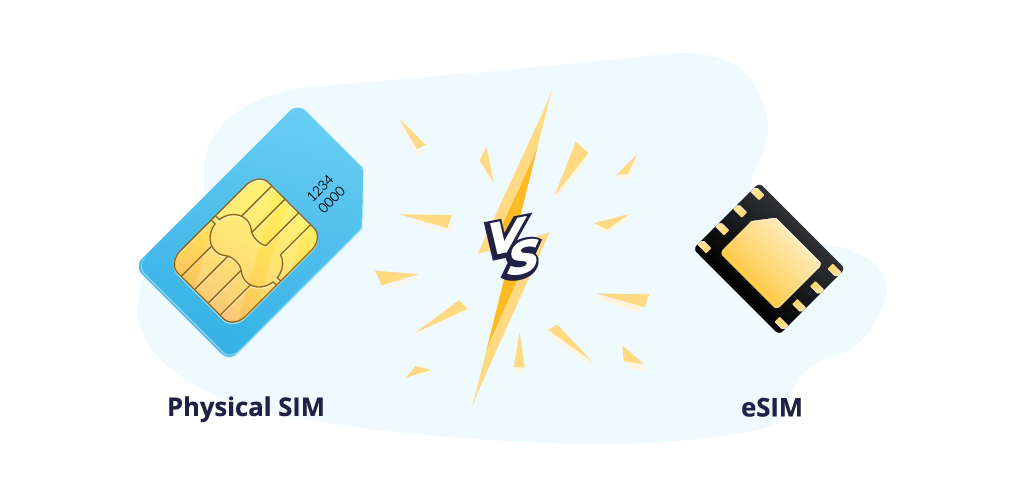
Do not rely on your home-country roaming plan. It is expensive and often throttled. Buy a local SIM card on arrival or, better, set up an eSIM before you land through a provider like Airalo or Holafly. A local data connection that works the moment your plane touches down solves an enormous number of first-day problems. For longer stays, a local physical SIM with a data-heavy plan is usually cheaper than any eSIM. Use the eSIM for the first week, then switch to a local plan once you are settled.
VPN and Cybersecurity
Public Wi-Fi networks, in coffee shops, hostels, airports, and coworking spaces, are not secure. A VPN encrypts your connection so that anyone on the same network cannot intercept your passwords, client data, or banking details. NordVPN, ExpressVPN, and Mullvad are the commonly cited options. Choose one, install it on your laptop and phone, and set it to connect automatically. This is not optional if you handle any sensitive information. A password manager, Bitwarden or 1Password, is the companion tool. Use it to generate and store unique passwords for every service. One compromised password should not cascade into a compromised life.
Backup Internet
A portable mobile hotspot or a phone with a reliable tethering plan is your insurance against a Wi-Fi outage during a scheduled client call. In some destinations, a local SIM with a generous data allowance is sufficient. In others, a dedicated hotspot device with its own SIM slot, like the GlocalMe or a Netgear Nighthawk, is worth the investment. Test your backup connection before you rely on it for a paid meeting.
Physical Gear Essentials: The Lean Kit
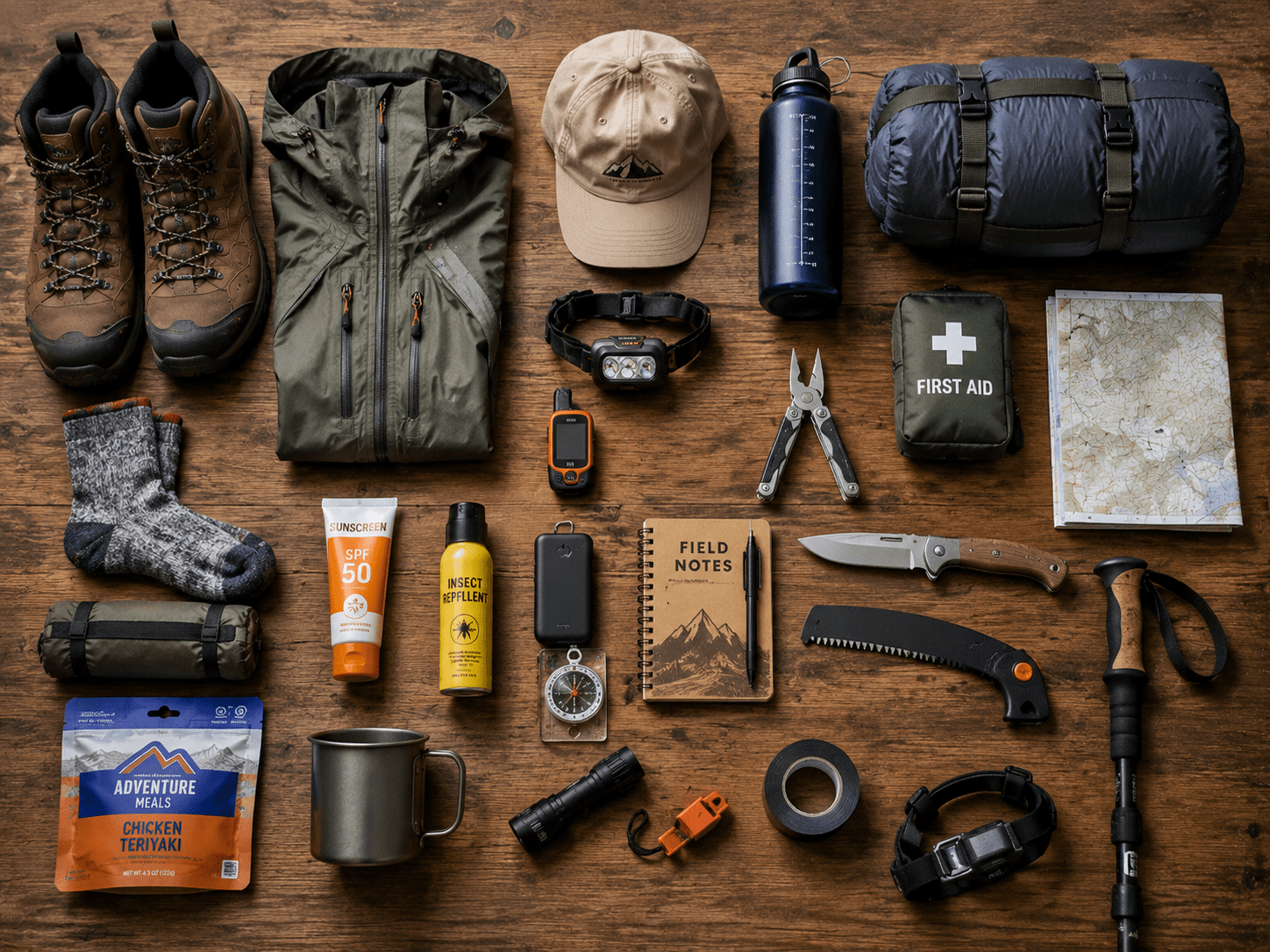
You do not need 90 items. The gear-focused lists are comprehensive, but they are also selling gear. Here is the lean version: the items I have actually used across multiple years of nomadic work, organized by category. Prices are approximate mid-2026 USD.
The One Bag
A 35–40 liter carry-on backpack that fits overhead bin dimensions. The Osprey Farpoint 40, the Cotopaxi Allpa 35, and the Peak Design Travel Backpack 30–45 are the three models mentioned most often in nomad forums for good reason. Expect to pay $180–$300. Avoid checked luggage. The freedom of walking out of an airport while everyone else waits at the carousel is worth more than the extra outfits.
Tech Kit
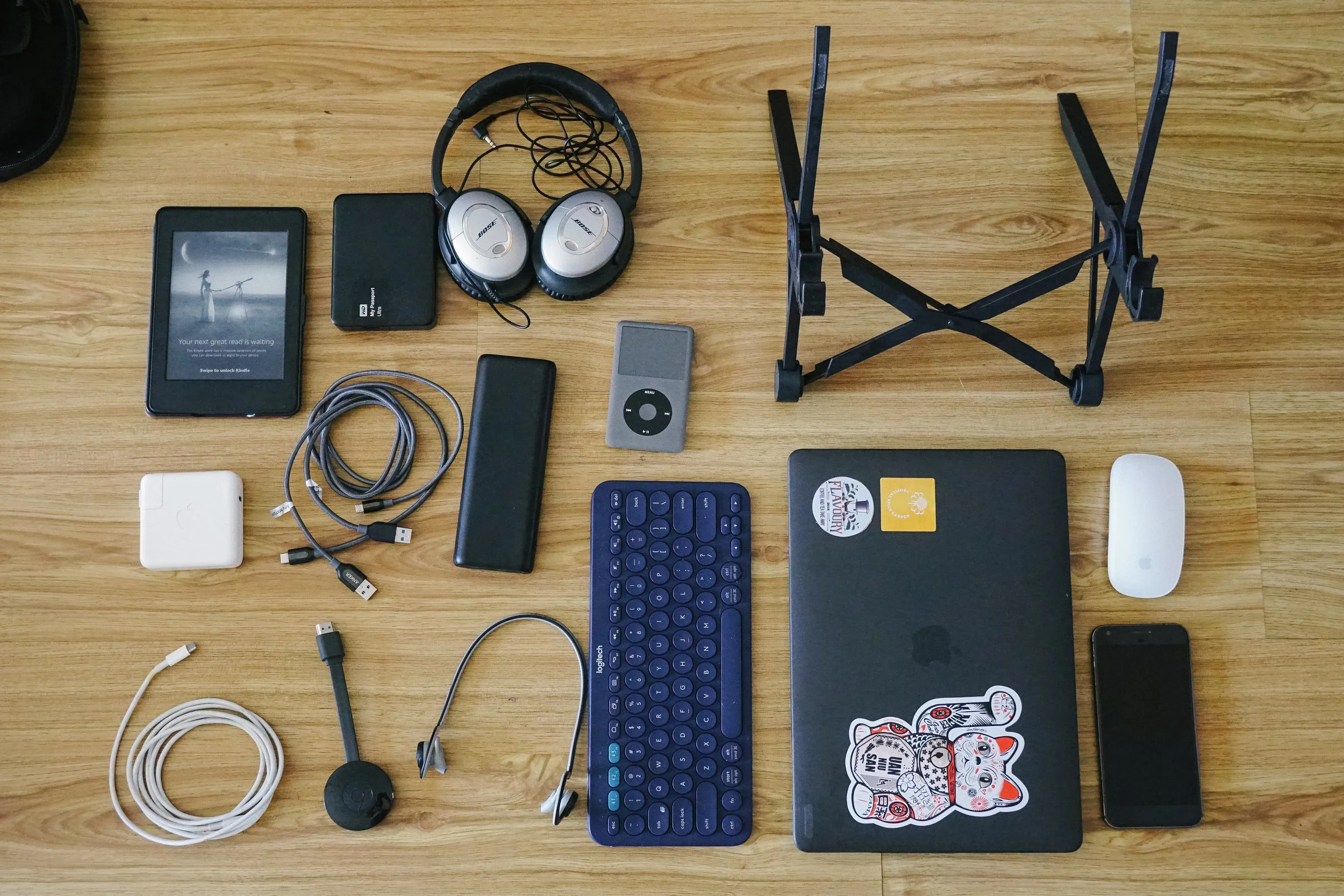
- Laptop: Whatever you already own that runs your software. A MacBook Air M-series or a Lenovo ThinkPad X1 Carbon are the lightweight standards. Budget $900–$1,400 if buying new.
- Universal power adapter: A single compact adapter that covers US, EU, UK, and AU outlets. $20–$35.
- USB-C charging hub: One charger and one cable to power everything. Anker and Ugreen make reliable compact GaN chargers. $30–$50.
- Portable SSD for backups: A Samsung T7 or SanDisk Extreme, 1TB. $90–$120. Back up your work weekly, not yearly.
- Noise-cancelling earbuds or headphones: Sony WF-1000XM5 or AirPods Pro. $200–$250. Essential for focus in noisy environments.
Clothing Capsule Basics
Pack for one week, and plan to do laundry. Merino wool t-shirts resist odor and dry fast, but they cost $60–$90 each. Two are enough. One pair of versatile trousers, one pair of shorts, one lightweight jacket, and one pair of comfortable walking shoes that look presentable enough for a casual meeting. The total clothing kit should fit in a single packing cube. You are not packing for a fashion shoot; you are packing for mobility.
Toiletries and Health Basics
A compact toiletry bag with travel-sized essentials, plus a basic first-aid kit: plasters, antiseptic, antihistamines, ibuprofen, and any prescription medications with copies of the prescriptions. Pack enough of any essential medication for your full trip, plus a two-week buffer, because the specific brand or formulation you need may not exist at your destination.
For comparing specific gear models and current prices, TripAdvisor and GetYourGuide are less relevant for gear, but platforms like Booking.com and Expedia are useful for booking the accommodation and flights that anchor your nomadic itinerary.
Budget Breakdown: What Digital Nomad Essentials Actually Cost
The gear lists full of premium products suggest a starting cost of $4,000–$6,000 before you even book a flight. That figure is inflated. You can assemble a fully functional, high-quality digital nomad kit for far less, and you probably already own the most expensive item, your laptop. Here is the realistic breakdown.
Budget Setup ($1,500–$2,000, excluding laptop)
Backpack: $180, tech accessories: $150, clothing capsule: $300, toiletries and first aid: $50, insurance for 6 months: $400–$600, visa application fees: $100–$300 depending on country. Uses your existing laptop and phone.
Mid-Range Setup ($2,500–$3,500 excluding laptop)
Premium backpack $250–$300, higher-spec tech accessories $250, Merino-heavy clothing capsule $500, comprehensive insurance $600–$800; dedicated hotspot device, $100–$150; plus visa costs.
Premium Setup ($4,000–$6,000+ excluding laptop)
Top-tier everything: $300+ backpack, $400+ tech accessories, $800+ clothing, premium insurance, latest-generation hotspot, premium VPN, and top-spec portable monitor and accessories.
These figures are estimates based on mid-2026 pricing. Actual costs vary by brand choices, destination, and visa type. The key point: you can start for far less than the premium gear guides imply. Do not let the cost of a perfect packing list delay the act of actually leaving.
Mistakes New Digital Nomads Make (and What to Skip)
These are the overpacking errors, financial blind spots, and planning failures I have either made myself or watched other new nomads make in real time. None of them are fatal, but all of them are avoidable.
- 1. Buying the entire gear list before the first trip. The packing guides are full of excellent products. You do not need all of them on day one. Buy the minimum viable kit, travel for a month, and add only what you genuinely miss. I have watched people spend $3,000 on gear for a trip they postponed and then cancelled.
- 2. Overpacking clothes. You will do laundry once a week. You do not need 14 t-shirts. Pack for 7 days, not 30. The extra clothes add weight, consume bag space, and do not get worn.
- 3. Not having a backup payment method. A lost, stolen, or swallowed bank card without a backup is a genuine crisis. Carry at least two cards from different banks, stored in separate locations. A card in your wallet and a card in your bag are not separate if your bag gets stolen.
- 4. Relying on a single internet source. The cafe Wi-Fi will fail during your most important call. Have a phone hotspot or dedicated hotspot device set up and tested before you need it.
- 5. Skipping the visa research until the last minute. Some digital nomad visas take 8 to 12 weeks to process. Tourist visas have length-of-stay limits and work restrictions. Know the rules before you book a non-refundable flight.
- 6. Underestimating loneliness and burnout. The gear lists do not prepare you for the social reality of moving every few weeks. Budget for coworking spaces, plan for community, and schedule regular video calls with people who know you beyond a screen name. The mental health essentials matter as much as the physical ones.
Frequently asked questions about digital nomad essentials
What is the bare minimum I need to become a digital nomad?
A passport valid for at least six months, the correct visa for remote work in your destination, health insurance that covers long-term travel, a reliable laptop, a backup payment method, and a stable internet connection. Everything else is optional and can be acquired after you start.
How much does it cost to get digital nomad essentials set up?
A functional budget setup costs roughly $1,500–$2,000 USD, excluding your laptop, which covers a backpack, basic tech accessories, a minimal clothing capsule, insurance for six months, and visa application fees. A premium setup with top-tier gear runs $4,000–$6,000 or more.
Do I need a special visa to work remotely abroad?
It depends on the country. Many nations now offer dedicated digital nomad visas with specific income requirements and application processes. Others technically restrict remote work on a tourist visa, though enforcement varies. Always check the official government immigration website of your destination before committing to a long stay.
What is the biggest thing new digital nomads forget?
A backup payment method. A lost, stolen, or swallowed bank card without a second card from a different bank is one of the most common and easily avoidable crises. Carry at least two cards stored in separate locations.
Do I need travel insurance as a digital nomad?
Yes. Standard travel insurance is designed for short holidays and may not cover remote work incidents. You need a policy specifically designed for long-term travelers or digital nomads that includes medical evacuation and repatriation. Read the policy wording, not just the price.
Can I be a digital nomad with just a backpack?
Yes, and a single carry-on backpack is the ideal setup for most nomads. A 35–40 liter bag forces you to pack only what you genuinely need. The freedom of walking out of an airport without waiting at a baggage carousel is worth the deliberate packing discipline.
How do I handle banking and getting paid internationally?
Open an account with a bank that charges no foreign transaction fees and reimburses ATM fees, such as Charles Schwab for US residents or Monzo and Starling for UK residents. Use Wise or Revolut for receiving and converting payments across currencies at transparent exchange rates.
Build your digital nomad toolkit: platforms we use
These are the booking and planning platforms I use regularly as a digital nomad. They are not for buying gear; they are for booking the flights, accommodation, and experiences that make up the actual nomadic lifestyle.
Best for finding accommodation with flexible cancellation policies when your plans shift.
Best for comparing flight prices across airlines and setting fare alerts for long-term planning.
Best for bundling flights and accommodation when you are locking in the first stop of a longer trip.
Best for finding coworking-friendly city tours and activities when you need a break from the screen.
Best for reading recent reviews of accommodation and neighborhoods before committing to a month-long stay.
Best for finding apartment rentals with dedicated workspaces for longer stays of a month or more.