

advertisement
Luxury Escapes Explained: What They Cost, How They Work & Whether They’re Worth It
A luxury escape is a packaged travel deal that bundles a high-end hotel or resort stay with extras like flights, meals, spa credits, or tours, usually at a discount of 30% to 70% off the rack rate. Most are sold through membership-based platforms like Luxury Escapes and Secret Escapes, and while the discounts on the room are often real, the final value depends entirely on whether the inclusions are things you would actually use.
“Luxury Escapes” shows up two ways in a search bar: as the name of a specific travel deals company and as a general term for high-end, all-inclusive-style getaways sold at a bundled discount. If you are trying to figure out what you are actually getting for the price, what is included, how the discounts really work, and whether booking one is worth it, this guide breaks it down with real numbers, not marketing copy.
I have booked through two of the major platforms and spent hours comparing inclusions across a dozen deal listings. Here is what I wish I had known before the first one.
Jump to: What Is a Luxury Escape | Types Compared | What They Cost | Platform Comparison | How to Vet a Deal | How to Choose | FAQs
Key takeaways
- A luxury escape is a bundled travel deal, not a specific type of accommodation. It typically includes a 4- or 5-star hotel stay plus extras like meals, transfers, or spa credits, sold at a claimed discount.
- Real prices range from $1,200 to $12,000+ USD for a 5-night package for two, depending on the destination, resort tier, and season. The headline discount percentage is not the number to focus on; the per-night rate with inclusions is.
- The major platforms are Luxury Escapes, Secret Escapes, and Travelzoo. Each has a different membership model, cancellation policy, and geographic strength. None is universally better.
- Verify the discount against the hotel’s own website before booking. A “70% off” claim sometimes compares against the highest published rack rate, not the rate you would actually pay booking direct.
- The inclusions determine the real value. A package with daily breakfast, airport transfers, and a spa credit is worth significantly more than a room-only rate at the same headline price.
What Is a “Luxury Escape,” Exactly?

A luxury escape is not a type of hotel or a specific resort brand. It is a bundled travel package sold through a membership-based deals platform. The core offer is a stay at a 4- or 5-star property, usually 3 to 7 nights, with extras layered on top: daily breakfast, airport transfers, a spa treatment, a sunset cruise, resort credit, or sometimes flights. The platform negotiates a discounted block rate with the property and markets it as a limited-time deal with a countdown clock and a bold discount percentage across the top. The model is closer to flash-sale retail for travel than to a traditional travel agent or an online booking site like Booking.com.
The appeal is straightforward: you get a high-end experience at a price that feels, and sometimes genuinely is, significantly cheaper than booking the same room and extras separately. The catch is that the discount claims require scrutiny. A headline that says “73% off” is comparing against the hotel’s highest published rack rate, which almost nobody pays. The real question is whether the per-night rate with inclusions beats the best available rate you can find on the hotel’s own website or on a mainstream booking platform. Sometimes it does, often by a meaningful margin. Sometimes the savings are modest, and you are buying the convenience of a pre-bundled package rather than a genuine steal.
Maya’s honest take: “My first luxury escape was a 5-night stay in Bali. The headline said 65% off. When I checked the resort’s own website, the room-only rate was about 40% less than the package price, but the package included daily breakfast, one dinner, a couples massage, and airport transfers. I priced those inclusions separately, and the package came out about $300 cheaper overall. It was a real saving. But I had to do the arithmetic myself to know that.
The Main Types of Luxury Escapes, With Real Examples
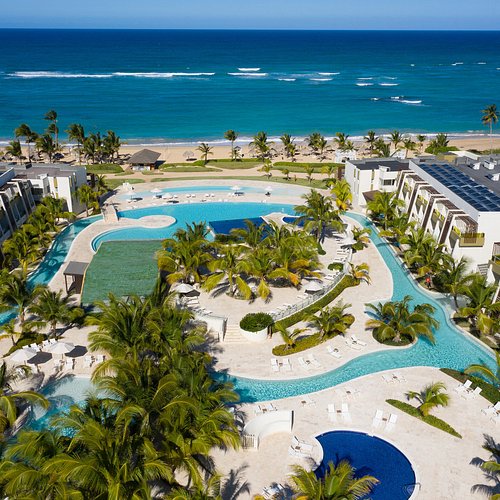
The platforms sell several distinct categories of trip. The right one for you depends on whether you want to park yourself at one resort for a week, move between destinations, or join a guided group.
All-Inclusive Resort Stay
The most common type. A fixed number of nights at a single resort, typically 4 or 5 stars, in destinations like Bali, the Maldives, Thailand, Fiji, or the Caribbean. Inclusions usually cover daily breakfast, sometimes all meals, plus one or two extras like a massage or a sunset cruise. It’s best for travelers who want to unpack once and stay put.
Private Villa or Home Rental
Space and privacy over hotel amenities. A standalone villa or luxury apartment, often with a private pool, in destinations like Bali, Phuket, or the Greek islands. These packages usually include fewer services, no daily housekeeping, or restaurants on-site, but offer far more square footage and seclusion for the price. Best for families, groups, or couples who value privacy over being waited on.
Small-Group Guided Tour
A structured itinerary with a guide. Multi-day tours with a fixed group, usually capped at 12 to 16 people, covering destinations like Morocco, Japan, Peru, or South Africa. Accommodation is high-end throughout, and the package includes a guide, transport between stops, most meals, and curated activities. Best for travelers who want the logistics handled and value expert commentary over independence.
Luxury Cruise or Rail Journey
An experience where the transport is the point. Small-ship cruises in the Galapagos or the Norwegian fjords, or premium rail journeys like the Ghan in Australia or the Venice Simplon-Orient-Express. These packages bundle the cabin, meals, and shore excursions. Best for travelers who value the journey itself as much as the destinations.
What Does a Luxury Escape Actually Cost?
The sticker prices span an enormous range, and the headline “per person” rate can be misleading because many deals quote a twin-share price. A package listed at “$999 per person” often requires two people booking together, making the real out-of-pocket cost $1,998. Here are real, itemized examples based on mid-2026 pricing across several platforms.
Example 1: Bali All-Inclusive Resort, 5 Nights
Total for two people: $1,800–$2,500 USD. Includes a 5-star resort stay, daily breakfast, one dinner, a couples spa treatment, and return airport transfers. Flights are not included. Comparing the resort’s own website for the same dates, the room alone typically runs $1,200–$1,600, making the inclusions the real value-add.
Example 2: Maldives Overwater Villa, 4 Nights
Total for two people: $5,000–$8,000 USD. Includes the overwater villa, breakfast and dinner daily, seaplane transfers (typically $500–$600 per person if booked separately), and a sunset cruise. The seaplane transfer alone makes the package economics work compared to booking a room-only rate and adding transport.
Example 3: Japan Small-Group Tour, 9 Days
Total per person: $5,500–$7,500 USD. Includes 4- and 5-star accommodation, a guide, transport between cities, most meals, and curated activities. Flights are not included. The per-day rate is higher than the resort examples, but the inclusion density is far greater. You are paying for logistics and expertise, not just a room.
Luxury Escapes vs. Secret Escapes vs. Booking Direct

Not all luxury travel deal platforms operate the same way. The membership model, cancellation terms, and geographic focus vary enough that the right choice depends on where you are going and how much flexibility you need.
Luxury Escapes
Best for: Asia-Pacific destinations, resort stays, flash sales with countdown timers. Membership is free. Strongest inventory in Bali, Thailand, the Maldives, Fiji, and Australia. Cancellation policies vary by deal; some are flexible, and others are strict. Check the specific deal terms before booking.
Secret Escapes
Best for: European destinations, city breaks, and shorter luxury stays. Free membership required to view deals. Strong inventory in Italy, Spain, the UK, and boutique European hotels. Tends to feature more 3- to 4-night city hotel packages alongside the resort inventory.
Travelzoo
Best for: A broader mix of deals including tours, cruises, and local experiences, not just hotel stays. Free membership. Curated “Top 20” weekly deals list. Less resort-focused than the other two, more likely to feature a guided tour or a boutique city hotel.
Booking Direct
Best for: Maximum flexibility and cancellation terms. Booking direct with the hotel often, though not always, gives the most generous cancellation window and loyalty-point earning. The room-only rate may be slightly higher, but you are not locked into inclusions you might not use. Worth checking as a baseline before committing to any platform’s package deal.
For checking current deals across multiple platforms, Expedia offers a broad comparison of bundled flight and hotel packages. For reading verified reviews of specific resorts before committing to a deal, TripAdvisor remains the standard reference.
How to Vet a Luxury Escape Deal Before You Book
The discount percentages are marketing. The real value is in the per-night rate, the inclusions you will actually use, and the cancellation terms you hope you will never need. Here is the checklist I run through before I enter payment details on any platform.
- 1. Check the hotel’s own website for the same dates. Search for the room category listed in the deal and note the best available rate. If the package saves you less than 15% versus booking direct, the deal is convenience, not a bargain.
- 2. Price the inclusions separately. Airport transfers, spa treatments, and meal plans have real, searchable costs. A package that includes a $600 seaplane transfer and daily breakfast is a fundamentally different value proposition from a room-only rate with the same headline price.
- 3. Read the fine print on the room category. “Garden view” and “ocean view” are not the same room, and some deals advertise the resort’s most aspirational photos while selling its most basic room. Confirm the exact room type in the deal terms.
- 4. Check the blackout dates and travel window. Many deals are valid for travel within a specific window, often 6 to 12 months. If your travel dates are fixed, confirm they fall within the validity period before you book.
- 5. Read the cancellation policy, not just the headline. Some platform deals offer flexible cancellation. Others are non-refundable. The cancellation policy should be clearly stated on the deal page. If it is not, contact the platform directly before booking.
- 6. Search recent reviews of the property on a neutral platform. TripAdvisor and Google Reviews are more candid than the curated testimonials on a deal page. Look for recent reviews that mention the room category you are booking, not just the resort overall.
- 7. Calculate the true per-night cost, including all mandatory extras. A $1,999 package for 5 nights is $400 per night. Add any mandatory resort fees, tourist taxes payable on site, and the cost of meals not included. The headline number is not what leaves your bank account.
How to Choose the Right Type of Luxury Escape for You
The package that works brilliantly for a honeymoon couple is often a poor fit for a family with teenagers or a solo traveler who wants to meet people. Match the trip type to your travel style, not just the price tag.
Couples & Honeymoons
An all-inclusive resort stay with a private plunge pool and a couples spa treatment is the classic choice for a reason. The Maldives, Bali, and adults-only Caribbean resorts dominate this category. Look for packages that include a romantic dinner and a room upgrade rather than resort credits you will not use.
Families
A private villa or a family-friendly resort with interconnecting rooms and a kids’ club is far more practical than a boutique hotel that markets itself as a romantic retreat. Check the deal’s child policy carefully. Some packages charge per adult and assume children stay free; others add a significant per-child surcharge.
Solo Travellers
This is where the twin-share pricing model works against you. Many deals quote a per-person rate based on two people traveling together. Solo travelers often pay a single supplement that can erase the discount. Look specifically for deals that advertise “no single supplement” or “solo traveler” packages. Small-group guided tours can be a better social and financial fit than a resort stay.
Groups & Celebrations
For a milestone birthday, an anniversary, or a multi-generational trip, a private villa rental through a luxury platform often beats booking multiple hotel rooms. You get shared common space, a private pool, and the ability to self-cater some meals. Contact the platform directly for group bookings; many can arrange custom extras like a private chef or a celebration dinner that are not listed on the standard deal page.
Frequently asked questions about luxury escapes
How do luxury escapes work?
A luxury escape is a bundled travel package sold through a membership-based deals platform. The platform negotiates a discounted block rate with a hotel or tour operator and sells it as a limited-time offer. You buy the package directly through the platform, and the inclusions, cancellation terms, and travel window are specified in the deal listing.
Is Luxury Escapes legit?
Yes. Luxury Escapes is a legitimate, established travel deals company with millions of members, a published phone number for support, and a best-price guarantee. As with any travel booking, the quality of the specific deal and the cancellation terms vary. Verify the resort, the room category, and the cancellation policy on the deal page before you pay.
How much do luxury escapes cost?
A typical 5-night resort package for two people ranges from $1,800 to $8,000+ USD depending on the destination, resort tier, and season. A multi-day guided tour package ranges from $3,500 to $7,500+ USD per person. Flights are usually not included and must be booked separately.
What is included in a luxury escape package?
Inclusions vary by deal but typically cover the accommodation, daily breakfast, and one or two extras like airport transfers, a spa treatment, or a meal. Some packages include all meals and drinks. Read the specific deal’s inclusions list carefully; nothing beyond what is explicitly listed is included.
What is the difference between Luxury Escapes and Secret Escapes?
Luxury Escapes focuses more on Asia-Pacific resort destinations like Bali, the Maldives, and Thailand, while Secret Escapes has stronger inventory in European city breaks and boutique hotels. Both are membership-based deal platforms with a similar flash-sale model. Neither is objectively better; the right choice depends on your destination.
Can I cancel a luxury escape booking?
Cancellation policies vary by deal. Some packages offer flexible cancellation up to a certain date. Others are non-refundable from the moment of purchase. The cancellation policy is stated on each individual deal page. Confirm it before you book, and do not assume flexibility unless it is written into the terms.
Are luxury escape deals actually cheaper than booking direct?
Sometimes the savings are modest. The headline discount is usually calculated against the hotel’s highest published rack rate. The real comparison is the per-night rate with inclusions versus the best available rate on the hotel’s own website. I have found genuine savings of 15% to 30% on well-researched deals, but I have also seen packages where the savings were negligible once I factored in inclusions I would not have used.
What is the best time to book a luxury escape?
The deals are released on a rolling basis throughout the year. The best approach is to sign up for the platforms’ email lists and monitor deals for your preferred destinations. Travel during shoulder seasons, late spring and early autumn for most destinations, usually offers the best balance of price, weather, and availability.
Where to find and compare luxury escape deals
We do not sell luxury escapes ourselves. These are the platforms we use to research, compare, and book. Each serves a different purpose.
Best for comparing bundled flight and hotel package prices against standalone platform deals.
Best for reading verified, recent reviews of a specific resort before committing to a package deal.
Best for checking the hotel’s own best available rate as a baseline before evaluating a platform’s deal.