advertisement
Manzanilla Beach, Trinidad: What to Know Before You Go
Manzanilla Beach is a long, wild stretch of coastline on Trinidad’s east coast, backed by one of the Caribbean’s most extensive coconut palm estates. It is free to visit, roughly a 90-minute drive from Port of Spain, and is famous for leatherback turtle nesting between March and August. The water is consistently rough with dangerous undercurrents, so swimming requires caution and is not recommended for children or inexperienced swimmers.
Manzanilla Beach stretches for miles along Trinidad’s windward coast, backed by an almost unbroken line of coconut palms that makes the drive in feel like entering a different century. It is not the island’s most swimmable beach. It is not the closest to the capital. But it is one of the most visually striking coastlines in the country, and between March and August it becomes one of the most important leatherback turtle nesting sites in the Caribbean. Here is what you need to know before you make the drive.
Jump to: Getting There | What It Looks Like | The Name | Swim Safety | Turtle Watching vs. Other Beaches | Facilities & Food | FAQs
Key takeaways
- Manzanilla is a free public beach roughly 90 minutes from Port of Spain via the Churchill-Roosevelt Highway and the Eastern Main Road.
- Swimming is not always safe. The water is consistently rough with strong undercurrents. It is best for wading and beach walks, not casual swimming.
- Leatherback turtles nest here between March and August. Dawn and dusk guided tours offer the best chance of seeing them without disturbing the nests.
- Facilities are limited. Bring everything you need: food, water, sun protection, and insect repellent. There are basic washroom facilities but few vendors.
- The beach is named after a poisonous tree. Spanish settlers mistook the local manchineel trees for apple trees. The name stuck. Do not touch the manchineel.
Where Is Manzanilla Beach and How Do You Get There?
Manzanilla Beach sits on Trinidad’s east coast, along Manzanilla Bay, within the Sangre Grande region. It is not the closest beach to Port of Spain, but the drive is straightforward and increasingly scenic the further east you go. From Port of Spain, take the Churchill-Roosevelt Highway east toward Arima, then continue onto the Eastern Main Road through Sangre Grande. From Sangre Grande, follow the Manzanilla Road south. The journey takes roughly 90 minutes without traffic. On a Sunday morning with good weather and an early start, it is closer to 75 minutes. On a rainy-season afternoon with roadworks, budget two hours.
From San Fernando, take the Naparima-Mayaro Road east toward Rio Claro, then connect to the Manzanilla Road heading north. This route takes roughly two hours. The final stretch of the drive, the Manzanilla Road itself, runs parallel to the coast through the coconut estate. The palms form a canopy over the road in sections. Pull over at one of the informal lay-bys to take in the view before you reach the main beach access points. Parking is roadside and informal. There is no designated car park. Lock your vehicle and do not leave valuables visible.
What Manzanilla Beach Actually Looks Like
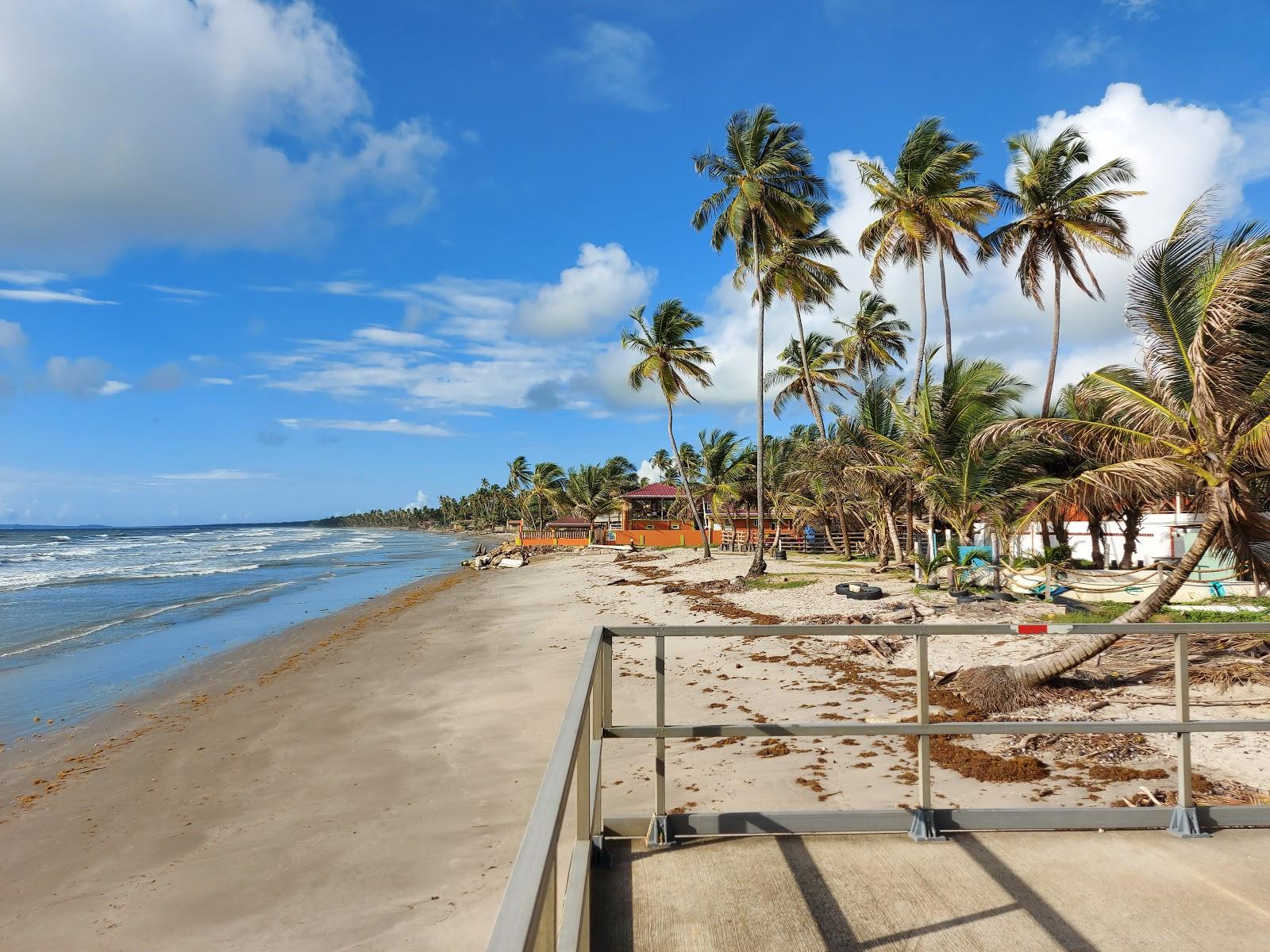
The first thing you notice is the coconut palms. They run for miles along the coastline, one of the longest continuous coconut estates in the Caribbean, and they give the beach a wild, untouched feel that is different from the more developed north-coast beaches like Maracas. The sand is a mix of golden and darker volcanic grains, not the powdery white coral sand of Tobago, but textured and firm underfoot. The beach itself is wide and long, with plenty of space to spread out even on a busy public holiday.
The water is a deep grey-blue, churned by the Atlantic swell that hits this coast directly. It is not the calm turquoise of a sheltered Caribbean bay. The waves roll in consistently, and the sound of them is the dominant backdrop to any visit. On a clear day, you can see the curvature of the bay stretching south toward Point Radix and the Nariva Swamp. The atmosphere is quieter and more rugged than the north-coast beaches. Fewer vendors, fewer speakers, fewer crowds. The wind is almost always present, which keeps the heat manageable but also kicks up sand.
@kevikevb1 Was such a peaceful, quiet and relaxing day indeed. Very nice to visit. #thebeach #soothing #relaxing #fyip #trinidad 🇹🇹
Maya’s honest take: “Manzanilla is not a lay-on-a-towel-and-sip-a-cocktail beach. It is a walk-for-an-hour-and-barely-see-another-person beach. If that sounds like your kind of morning, it is worth the drive. If you want a beach bar and calm swimming, go to Maracas.”
The Story Behind the Name: Manzanilla and the Manchineel Tree
The name Manzanilla comes from the Spanish word “manzana,” meaning apple. Early Spanish settlers saw the small green fruits of the manchineel tree growing along this coastline and mistook them for apple trees. The manchineel, Hippomane mancinella, is one of the most toxic trees in the Americas. Its fruit can be fatal if ingested. Its sap causes severe blistering on contact with skin. Standing under one during rain can produce chemical burns from the water dripping off the leaves. The tree is not unique to Manzanilla, it grows on coastlines throughout the Caribbean, but it gave this beach its name, and it is still present in the area. Do not touch any unfamiliar tree with small green fruits. Do not shelter under one. The name is a warning as much as a historical curiosity.
Is Manzanilla Beach Safe to Swim?
The short answer: wading is fine in the shallows. Swimming out beyond waist depth is not recommended for most visitors. Manzanilla faces the open Atlantic, and the water is consistently rough. The undercurrents are strong and unpredictable, and there are no lifeguards stationed on this beach. Drownings have occurred here. The Trinidad and Tobago Meteorological Service and local authorities regularly issue warnings about Manzanilla’s sea conditions, particularly during the rainy season from June to November when swells are heavier.
The calmer months, relatively speaking, are February through May, when the sea tends to be less churned. Even then, the undercurrent is present. The safest sections of the beach for wading are the shallower stretches near the central access points, where the gradient is gentler. Avoid the areas near the river mouths at either end of the bay, where currents are strongest. If you are visiting with children, keep them within arm’s reach in the shallows. Do not let them wade in unsupervised. This is not a beach for casual swimming. It is a beach for walking, photographing, turtle-watching, and paddling with caution.
Turtle-Watching at Manzanilla Beach: Leatherback Nesting Season
Between March and August, Manzanilla Beach becomes one of Trinidad’s most important nesting sites for the leatherback turtle, the largest sea turtle species on earth. Females haul themselves onto the sand at night, dig nests with their flippers, and lay clutches of 80 to 100 eggs before returning to the sea. The peak nesting months are May and June. Guided night tours operate during the season, led by community conservation groups who know the beach and the turtles’ patterns. Going with a guide is strongly recommended. They know where to look, how to approach without disturbing the turtles, and what behaviours to watch for.
If you go independently, follow these rules strictly. Do not use white-light torches or phone screens near a nesting turtle, the light disorients them and can cause them to abandon the nest. Use red-filtered lights only. Do not touch the turtles or the eggs. Do not stand in front of a turtle that is moving up the beach; stay behind her and to the side. Keep voices low. Do not leave rubbish on the beach; hatchlings can become trapped in plastic debris. The leatherback is a protected species under Trinidadian law, and disturbing nests or harassing turtles carries real penalties. Contact the Turtle Village Trust or the Manzanilla community conservation groups for current tour availability and booking. Check their official pages for up-to-date season information before planning your visit.
Maya’s honest take: “Seeing a leatherback turtle nesting is one of the most remarkable wildlife experiences in the Caribbean. It is also easy to get wrong. Go with a guide. The turtles have been doing this for millions of years and do not need your phone flash in their face.”
Manzanilla vs. Other Trinidad Beaches: A Quick Comparison
Manzanilla is not the only beach worth visiting on Trinidad, but it serves a different purpose from the more famous north-coast options. Here is how it stacks up against the two beaches most visitors weigh it against.
Facilities, Food, and Where to Stay Nearby
Manzanilla’s facilities are basic. There are public washrooms and changing areas near the main access points, but they are rudimentary and not always well-maintained. There is no restaurant on the beach. A handful of vendors may be present on weekends and public holidays selling coconut water, snacks, and local food, but do not rely on them. Bring your own food, drinking water, and everything you need for the day. A cooler packed in Port of Spain or Sangre Grande is the standard approach.
Accommodation near Manzanilla is limited. The nearest proper guesthouses and small hotels are in Sangre Grande, roughly 30 minutes back up the road toward the highway. For a more comfortable stay, most visitors day-trip from Port of Spain or combine Manzanilla with a longer east-coast loop that includes stops at Nariva Swamp and the Mayaro coastline. For nearby accommodation options, check Booking.com for guesthouses in the Sangre Grande area. For vacation rentals along the east coast, Vrbo lists a small number of beach cottages south of Manzanilla toward Mayaro.
A Brief History: From Colonial Settlement to World War II
The Manzanilla area was settled in the early 19th century under Governor Sir Ralph Woodford, who established a village for demobilised soldiers of the West India Regiment, men of African descent who had served in the British Army. The settlement was part of a broader colonial strategy to develop Trinidad’s eastern coast. During the Second World War, the United States military used sections of the Manzanilla coastline as a jungle-warfare training ground for troops preparing for deployment in the Pacific theatre. The area’s combination of dense vegetation, rough surf, and isolation made it a useful approximation of conditions in the islands they would later fight across. The coconut estate itself dates back to the colonial plantation economy and remains productive, though less intensively managed than in previous decades.
Frequently asked questions about Manzanilla Beach
Is Manzanilla Beach safe to swim?
Wading in the shallows is generally fine, but swimming beyond waist depth is not recommended due to consistently rough water and strong undercurrents. There are no lifeguards on duty. The sea is typically calmer from February to May, but the undercurrent is present year-round.
Is there an entry fee for Manzanilla Beach?
No. Manzanilla Beach is a public beach with no entry fee. Parking is free and informal along the roadside.
How far is Manzanilla Beach from Port of Spain?
The drive takes roughly 90 minutes via the Churchill-Roosevelt Highway and the Eastern Main Road through Sangre Grande. Allow up to two hours during the rainy season or if roadworks are underway.
When is turtle-watching season at Manzanilla Beach?
Leatherback turtles nest between March and August, with peak activity in May and June. Guided night tours operated by community conservation groups offer the best and safest viewing experience.
Are there restaurants or facilities at Manzanilla Beach?
Facilities are basic. There are public washrooms but no guaranteed food vendors. Bring your own food, water, and supplies. The nearest proper restaurants and shops are in Sangre Grande, roughly 30 minutes away.
Why is it called Manzanilla Beach?
The name comes from the Spanish word for apple, “manzana,” after early settlers mistook the fruit of the toxic manchineel tree for apples. The manchineel tree still grows along this coastline. Do not touch it or shelter under it.
Planning a trip to Trinidad’s east coast
Manzanilla is best visited as a day trip from Port of Spain or as part of a longer east-coast road trip. These platforms are useful for booking nearby stays and transport.
Best for finding guesthouses and hotels in Sangre Grande and across Trinidad.
Best for east-coast vacation rentals and beach cottages near Mayaro.
Best for bundling flights to Trinidad with car hire for an east-coast road trip.