
advertisement
Galgibaga Beach, Goa: Complete Visitor Guide (Turtles, Timings & How to Reach)
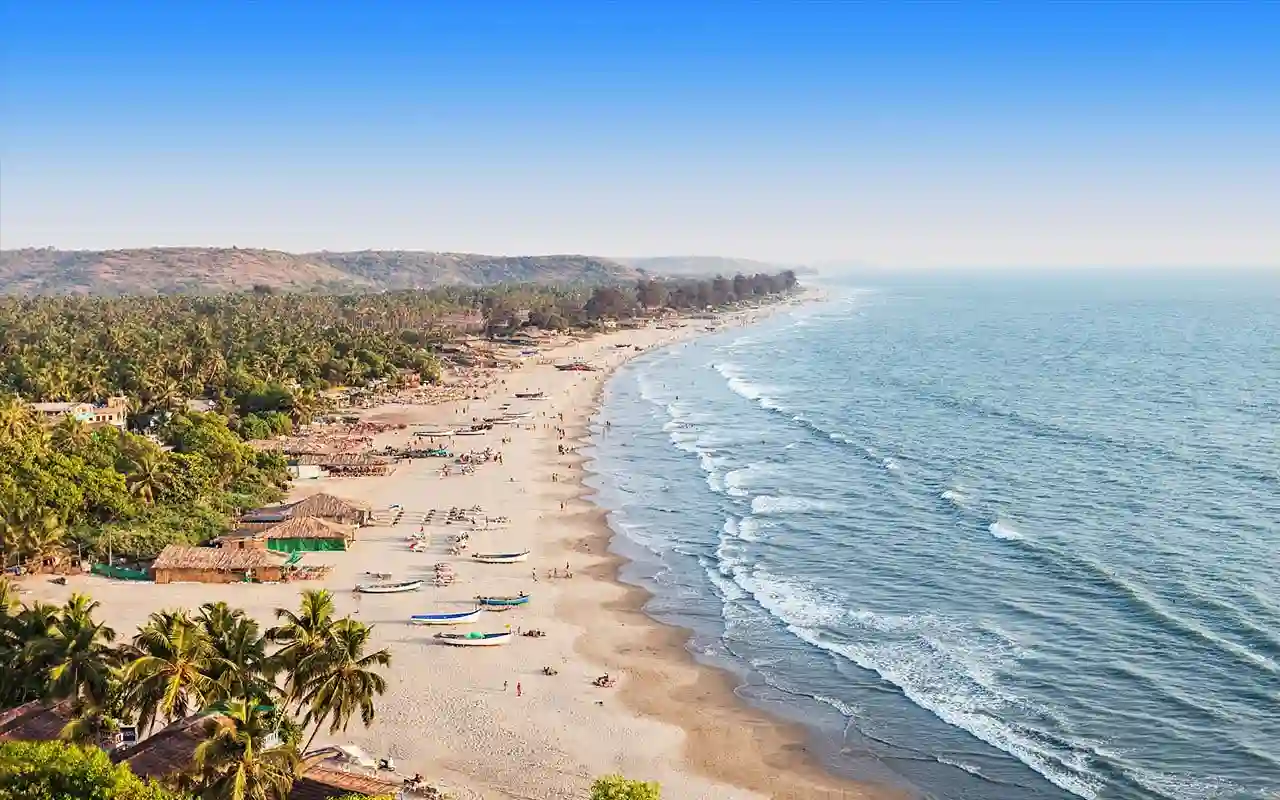
Galgibaga Beach is a quiet, undeveloped stretch of sand in South Goa’s Canacona region, roughly 7 km south of Palolem. It is one of only three officially protected Olive Ridley turtle nesting sites in the state. There are no shacks, no loud bars, and no jet skis. Visitors come for the silence, the clean sand, and the chance to see turtle hatchlings between December and March.
Galgibaga Beach sits just 7 km south of the crowds at Palolem, but almost nobody makes the detour, which is exactly why it is one of the last truly quiet stretches of sand in South Goa. The internet will tell you it exists. Wikipedia will confirm its coordinates and its turtle-conservation status. Neither will tell you how to actually get there, what to bring, where to stay nearby, or what time of year the sand is cordoned off for nesting turtles.
This guide fills those gaps with directions, timings, and the honest logistical detail a reference entry cannot give you.
Jump to: How to Reach | Turtle Nesting | Best Time to Visit | What to Expect | Vs. Nearby Beaches | Where to Stay | Visitor Tips | FAQs
Key takeaways
- Galgibaga is a 7 km detour south of Palolem Beach in South Goa’s Canacona taluka. The drive takes 15 to 20 minutes along a narrow but paved road.
- It is an officially protected Olive Ridley turtle nesting site. The Goa Forest Department cordons off nesting areas between December and March. Visitors are expected to respect the barriers and keep the beach clean.
- There are no permanent shacks, restaurants, or ATMs. Bring water, snacks, cash, and anything else you need for the day. The nearest facilities are in the village of Galgibaga, a short walk inland.
- The best time to visit is November to February for pleasant weather, or December to March specifically if you hope to see turtle nesting or hatchling releases.
- Entry is free. There is no ticket counter, no parking fee, and no official gate. The beach is open to the public year-round, though access to nesting zones is restricted during the breeding season.
Location & How to Reach Galgibaga Beach
Galgibaga sits in the Canacona region of South Goa, roughly 7 km south of Palolem Beach and about 3 km north of the Goa-Karnataka border. The village of Galgibaga sits slightly inland, and the beach itself is reached by a short walk from the road. It is not signposted with the fanfare of the northern Goa beaches, which is part of the appeal, but it also means you need to know where you are going before you set off.
From Dabolim Airport (Goa International Airport)
The airport is roughly 60 km north of Galgibaga. The drive takes 90 minutes to 2 hours depending on traffic through Margao and the coastal road. A pre-booked taxi from the airport costs roughly ₹2,500–₹3,500. There is no direct train or bus from the airport to Galgibaga. If you are on a budget, take a prepaid taxi from the airport to Margao, then a local bus or auto-rickshaw south to Canacona and Galgibaga.
From Madgaon Railway Station (Margao)
Madgaon is the nearest major railhead, about 40 km north of Galgibaga. Trains from Mumbai, Bangalore, and Delhi arrive here. From the station, you can hire a taxi directly to Galgibaga for roughly ₹1,500–₹2,000 or take a local bus to Canacona and switch to an auto-rickshaw for the final few kilometers. The bus option is cheaper but slower; budget 2 hours total from Madgaon by public transport.
From Palolem (the easiest approach)
If you are already staying in Palolem, Galgibaga is a 15 to 20-minute drive south along the coastal road. The road is narrow but paved. An auto-rickshaw from Palolem to Galgibaga costs roughly ₹300–₹500 one-way. Arrange for the driver to wait or to return at an agreed time, as finding a rickshaw back from Galgibaga can be unreliable, especially in the late afternoon. A rented scooter is the most flexible option. The ride is straightforward, and parking near the beach entrance is free and unguarded.
Olive Ridley Turtle Nesting at Galgibaga
Galgibaga is one of three officially designated Olive Ridley turtle nesting beaches in Goa, along with Agonda and Morjim. The Goa Forest Department runs a conservation program here, and during the nesting season, roughly December through March, sections of the beach are cordoned off to protect the eggs. Female turtles arrive at night to dig nests above the high-tide line. Each nest holds 100 to 150 eggs. The hatchlings emerge roughly 45 to 55 days later and make their way to the sea, guided by the reflection of moonlight on the water.
The Forest Department sometimes organizes supervised hatchling releases at dawn or dusk, which visitors can observe if they are present at the right time. These releases are not advertised on a fixed public schedule; ask at the Forest Department hut near the beach entrance or check with your accommodation in Palolem or Galgibaga village for current information. The key rules are straightforward: do not use flashlights or flash photography on the beach at night during nesting season, do not approach or touch a nesting turtle, and stay outside the cordoned nesting zones. The barriers are there for a reason. Violating them carries a fine under the Wildlife Protection Act.
Maya’s honest take: “I have walked Galgibaga at dawn during nesting season. The silence is the first thing you notice, no music, no engines, just the Arabian Sea and the faint tracks of a turtle that came ashore hours before you arrived. Seeing hatchlings scramble toward the water is genuinely moving, but it is also unpredictable. Do not plan your entire Goa trip around a single turtle sighting. Come for the beach, and treat a nesting encounter as a rare bonus.”
Best Time to Visit Galgibaga Beach
The beach is accessible year-round, but the experience changes sharply with the seasons. November through February is the most pleasant window for general beach-going, with daytime temperatures in the high 20s Celsius, low humidity, and clear skies. This overlaps with the peak tourist season in Goa, so Palolem and Agonda will be busy, but Galgibaga remains relatively empty even in January. December through March is the turtle nesting and hatching window, which adds a conservation dimension to the visit. March through May is hot and humid, with daytime temperatures pushing into the mid-30s.
The beach is empty, but the heat is punishing between 11 a.m. and 3 p.m. June through September is the monsoon season. The sea is rough, swimming is dangerous, and the turtle program is dormant. The beach is dramatic in the rain, but it is not a practical beach-going window.
What to Expect: Amenities & Infrastructure
Wikipedia describes Galgibaga as having “limited infrastructure,” which is accurate but not helpful. Here is what that actually means for your day. There are no permanent beach shacks. During the peak tourist season, a small temporary shack or two may operate selling packaged water, soft drinks, and basic snacks, but do not rely on this. There is no restaurant on the beach. The village of Galgibaga, a 5 to 10-minute walk inland, has a few small local eateries and provision stores. There is no ATM in the village. The nearest ATMs are in Canacona town or Palolem. Bring enough cash to cover your transport, food, and any incidental purchases for the day. Mobile signal is generally available but can be patchy near the beach itself.
There are no public toilets or changing rooms at the beach. There is no lifeguard on duty. Swimming is at your own risk, and the currents can be strong. The beach is cleaned regularly by the Forest Department and local volunteers, but there are no dustbins. Carry out whatever you carry in.
Galgibaga vs. Nearby Beaches: A Quick Comparison
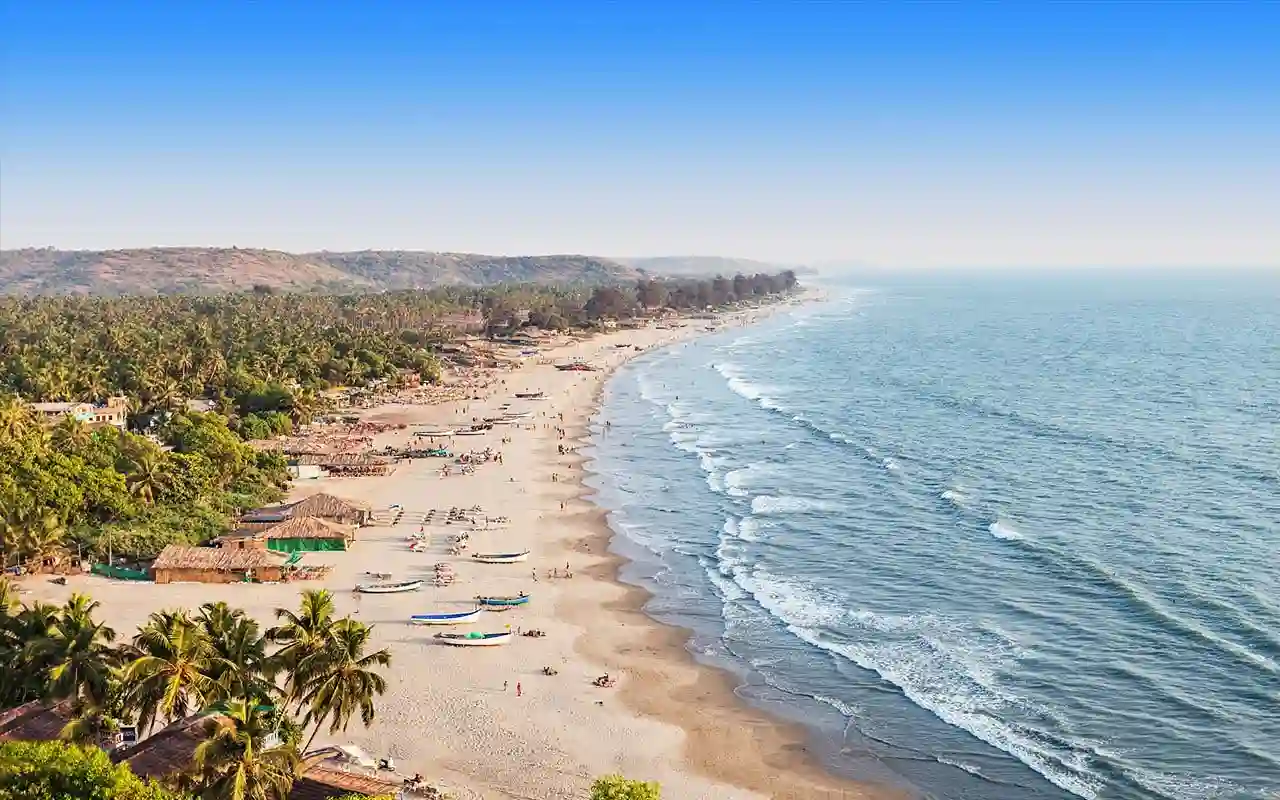
South Goa’s Canacona coastline gives you four distinct beaches within a 10 km stretch. They are close enough to visit on the same scooter ride, but they feel like different worlds. Here is how they compare.
Palolem (7 km north)
Vibe: Lively but not chaotic. The busiest of the four with the most shacks, restaurants, and boat trips. Backpacker and family-friendly. Best for: Social travellers, first-time Goa visitors, kayaking, dolphin-watching trips.
Agonda (between Palolem and Galgibaga)
Vibe: Quieter than Palolem, more developed than Galgibaga. A long, clean beach with a mix of yoga retreats, mid-range resorts, and turtle-nesting zones. Best for: Couples, yoga practitioners, travellers who want quiet but still want a beachfront restaurant.
Patnem (next to Palolem)
Vibe: A smaller, gentler version of Palolem. A handful of shacks, a relaxed long-stay crowd, and a shallow bay good for swimming. Best for: Slow travellers, long-stay digital nomads, families with young children.
Galgibaga (southernmost)
Vibe: Empty, silent, protected. No shacks, no music, no crowds. The turtle-conservation beach. Best for: Nature lovers, solitude-seekers, anyone willing to trade amenities for an undeveloped shoreline.
Where to Stay Near Galgibaga Beach
There is no accommodation directly on Galgibaga Beach. The nearest options are in Galgibaga village, a 5 to 10-minute walk inland, or in the neighbouring areas of Agonda and Palolem. Galgibaga village has a small number of guesthouses and homestays. They are basic, clean, and significantly cheaper than beachfront accommodation in Palolem. Expect to pay ₹1,000–₹2,500 per night for a simple room with a fan and attached bathroom. Book directly with the property or through a platform that lists smaller guesthouses. If you want a beachfront resort with a restaurant and a pool, stay in Palolem or Agonda and visit Galgibaga as a day trip. The 15-minute scooter ride from Palolem makes this an easy option. Check guesthouse availability on Booking.com or Agoda, both of which list properties in Canacona.
Tips for a Respectful, Enjoyable Visit
Galgibaga rewards visitors who arrive prepared and treat the beach as the fragile ecosystem it is. These pointers come from having spent full days here and from talking to the Forest Department staff who monitor the turtle programme.
- Bring everything you need for the day. Water, snacks, sunscreen, a hat, and a book. There is no shop on the beach. The village shop stocks basics but not beach supplies.
- Carry cash. No ATM, no card machine, no digital payment at the village eateries. Bring enough rupees to cover your transport back and any food or water you buy.
- Respect the turtle nesting zones. The cordoned areas are not suggestions. Do not cross the barriers, do not disturb the sand, and do not use flash photography on the beach at night during nesting season.
- Swim with caution. There is no lifeguard. The currents can be strong, and the beach drops off more steeply than Palolem. If you are not a confident swimmer, wade in the shallows and do not go out of your depth.
- Leave no trace. There are no dustbins on the beach. Carry a bag for your rubbish and dispose of it in the village. The beach stays clean because the people who visit it keep it clean.
- Visit early or late. The light is best for photography between sunrise and 9 a.m., and again after 4 p.m. The midday sun is harsh and the beach offers almost no shade. A morning visit also gives you the best chance of seeing turtle tracks from the previous night.
Frequently asked questions about Galgibaga Beach
Is there an entry fee for Galgibaga Beach?
No. Galgibaga Beach is free to enter and open to the public year-round. There is no ticket counter, no parking fee, and no official gate. The beach is public land managed by the Goa Forest Department during turtle nesting season.
How far is Galgibaga Beach from Palolem?
Galgibaga Beach is roughly 7 km south of Palolem Beach. The drive takes 15 to 20 minutes by scooter or auto-rickshaw along a narrow but paved coastal road.
When is turtle nesting season at Galgibaga Beach?
Olive Ridley turtles nest at Galgibaga between December and March. The hatchlings emerge roughly 45 to 55 days after the eggs are laid. The Forest Department sometimes organises supervised hatchling releases during this window.
Is Galgibaga Beach safe for swimming?
Swimming is at your own risk. There is no lifeguard on duty. The currents can be stronger than they appear, and the beach shelves more steeply than the shallower bays at Palolem and Patnem. Confident swimmers should still exercise caution. Wading in the shallows is generally safe.
Are there restaurants or shacks on Galgibaga Beach?
No permanent restaurants or shacks operate on Galgibaga Beach. During peak season, a small temporary stall may sell water and packaged snacks, but this is not guaranteed. The nearest food options are in Galgibaga village, a 5 to 10-minute walk inland, or in Agonda and Palolem.
Can I stay overnight at Galgibaga Beach?
There is no accommodation directly on the beach. The nearest guesthouses and homestays are in Galgibaga village, a short walk inland. For beachfront resorts with restaurants and pools, stay in Palolem or Agonda and visit Galgibaga as a day trip.
Plan your visit: booking platforms for South Goa
We do not process bookings ourselves. These are the platforms we use to find and book accommodation and transport in the Canacona region.
Best for comparing guesthouses and boutique stays in Palolem, Agonda, and Galgibaga village.
Best for finding deals on hotels and homestays in Goa, often with lower rates than other platforms.
Best for reading recent traveller reviews of Galgibaga and nearby beaches before choosing where to stay.