advertisement
Phillip Island, Australia: The First-Timer’s Guide (Penguins, Beaches & 1–3 Day Itineraries)
Fact-Checked By Maya Whitfield, Senior Travel Editor at WakaAbuja
Phillip Island is a wildlife-rich coastal escape 90 minutes southeast of Melbourne, famous for the nightly Penguin Parade at Summerland Beach. A single long day trip covers the highlights, but staying one or two nights unlocks a quieter side of the island most day-trippers completely miss. This guide covers driving times, ticket costs, the best towns to stay in, and ready-made itineraries so you can book the trip that actually fits your travel style.
The official tourism website will welcome you with warm brand copy about Victoria’s holiday sweet spot. What it skips is the stuff you actually need to decide. How much do penguin parade tickets cost, and which viewing tier is worth the money? Is Cowes too busy, or is San Remo too quiet? I have made the drive from Melbourne four times now, once as a rushed day trip and three times for slow weekends, and the difference between a good visit and a forgettable one comes down to three decisions: when you go, where you stay, and how long you give the island.
Jump to: Distance & Drive | Is It Worth It? | 1–3 Day Itineraries | Where to Stay | Penguin Parade Costs | Sample Budgets | FAQs
Key takeaways
- Phillip Island is a 90-minute drive from Melbourne CBD via the Monash Freeway and Bass Highway, with no ferry required.
- The Penguin Parade runs every night at sunset. General viewing tickets start around $30 AUD per adult, with premium underground and penguin-plus options reaching roughly $60–$85 AUD.
- One full day works for the parade and the Nobbies boardwalk, but a two-night weekend lets you add surf beaches, the koala conservation center, and a proper seafood lunch.
- Cowes is the practical base with the most restaurants and accommodation. San Remo is quieter and cheaper. Cape Woolamai suits surfers and hikers.
- Whale watching runs from May to September, overlapping with the quieter winter tourist season for lower accommodation prices.
- You absolutely need a car. Public transport exists but is too infrequent to string together a single-day itinerary smoothly.
- Photography of the penguins is strictly prohibited after sunset, including phone cameras, to protect the colony from artificial light.
Where is Phillip Island, and how far is it from Melbourne?
Phillip Island sits off the Bass Coast of Victoria, roughly 140 kilometers southeast of Melbourne’s city center. The drive takes about 90 minutes without traffic, following the Monash Freeway (M1) east, then the South Gippsland Highway, and finally the Bass Highway over the bridge at San Remo. There is no ferry. The bridge connects the island directly to the mainland, and you cross it without stopping.
That 90-minute figure assumes a clear run. Friday afternoons and long weekends can stretch the drive to two and a half hours as Melburnians head toward the coast. I left St Kilda at 3 p.m. on a Friday in January once and did not park in Cowes until nearly 6 p.m. Factor that into your departure timing, especially if you have a booked penguin viewing time.
Maya’s honest take: “The drive itself is part of the experience. Once you pass Cranbourne, the suburbs thin out and you start seeing rolling farmland and glimpses of Western Port Bay. It genuinely feels like a proper escape, not just a commuter highway.”
Is Phillip Island worth visiting?
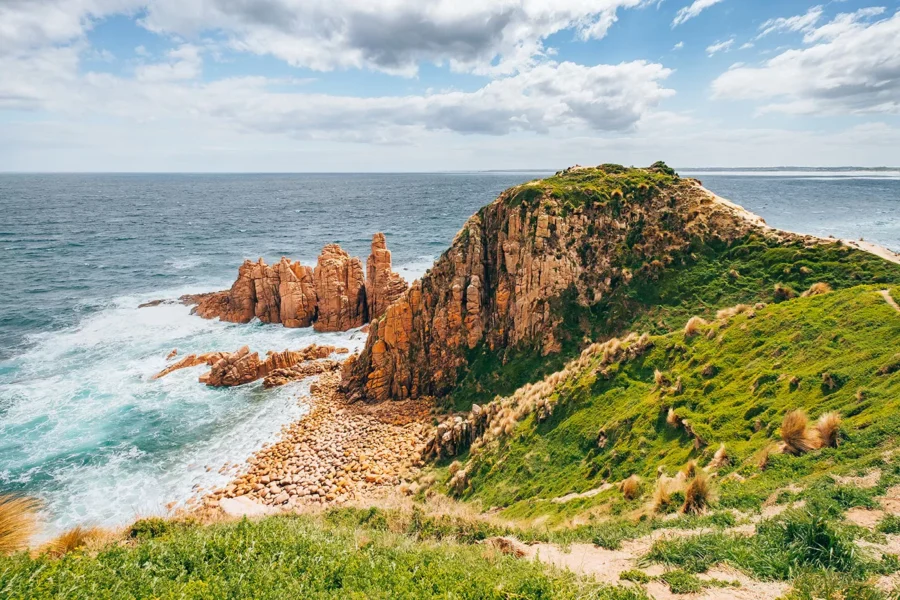
Yes, with a clear caveat. Phillip Island is worth visiting if you treat the penguin parade as the anchor experience and build a broader coastal day around it, rather than racing down, watching penguins for an hour, and racing back. The island rewards slowing down. The beaches at Cape Woolamai and Smiths Beach are genuinely striking; the Nobbies boardwalk gives you sweeping cliffside views of Seal Rocks without an extra ticket; and the koala conservation center lets you walk at eye level with animals in a way that feels respectful, not gimmicky.
If your only goal is to tick the penguin parade off a list, you might find the long drive back to Melbourne after dark tiring for what amounts to a 45-minute wildlife viewing. If you give the island a full weekend, it shifts from a checklist stop into a proper coastal holiday. That is the sweet spot.
@livia.onthego Don’t just stay in the city when you visit Melbourne! Explore Victoria and go for a day trip to Phillip Island~ My favorite part of the trip was hands down the Penguin Parade! :”) We don’t wanna drive, so we chose to go with @Go West Tours and it was honestly a 10/10 experience. The pickup was smooth, the filled up with all the iconic places, and the tour guide was fun! Check them out if you wanna go for a day trip! Gowest.com.au [Gifted Collab💌] #DaytripMelbourne #Melbourne #GowestMelbourne
Best time to visit Phillip Island: penguins, whales, and weather
The penguin parade runs year-round, so there is no closed season, but your overall experience changes noticeably by month. Summer (December to February) brings the warmest beach weather and the largest crowds. School holidays in January push accommodation prices to their peak, and the viewing platforms fill completely. Winter (June to August) is cold and windy on the coast, but you get dramatically fewer visitors, lower room rates, and the southern right whale migration passing close to the shoreline from May through September.
My personal pick is late October or early November. The weather is warming up, the holiday crowds have not yet arrived, and the evening penguin viewing is still reasonably comfortable with a jacket. March and April also work well, with warm water temperatures and a calmer pace after the summer rush.
Summer (Dec–Feb)
- Warmest beach days, sunset around 8:30 p.m.
- Peak crowds and highest accommodation prices
- Book penguin tickets at least two weeks ahead
Autumn (Mar–May)
- Warm ocean, thinner crowds, softer light
- Good value on hotels and holiday rentals
- Whale watching begins in late May
Winter (Jun–Aug)
- Whale watching peak, penguins still active
- Cold coastal winds, bring serious layers
- Lowest accommodation rates of the year
How many days do you need on Phillip Island?

One day covers the absolute highlights. A single overnight stay transforms the trip. Two nights gives you the island at a relaxed, exploratory pace. Below are the three itinerary structures I have actually used. Each assumes you have a car and arrive on the island by mid-morning.
The 1-day Melbourne day trip plan
Leave Melbourne by 8 a.m. to reach the island by 10 a.m. Head straight to the Nobbies boardwalk for a morning cliff walk overlooking Seal Rocks. From there, drive to Cape Woolamai surf beach for a beach walk before lunch at a cafe in Cowes. In mid-afternoon, visit the koala conservation center for an hour among the treetop boardwalks. Have an early dinner in Cowes, then arrive at the Penguin Parade visitor center by the time printed on your ticket, usually about an hour before sunset. You will drive back to Melbourne in the dark, arriving around 10:30 p.m.
This plan works, but it is a long day. The drive back after the penguins can feel draining if you are the only driver. Consider splitting the driving with someone else or booking a guided day tour from Melbourne that handles the transport for you.
The relaxed weekend plan (2 nights)
Arrive Saturday morning and check into accommodation in Cowes or Ventnor. Spend Saturday exploring the western end of the island, the Nobbies, having a long lunch at a winery like Phillip Island Winery, and taking an afternoon swim at Smiths Beach. Saturday evening is your penguin parade booking. On Sunday morning, drive out to Cape Woolamai for the beach trail walk, then visit the koala conservation center around midday. Stop for fish and chips in San Remo before the bridge crossing back to Melbourne. This pacing feels unhurried and gives you room to linger at stops that surprise you.
The 3-day full island immersion
Add a third day and you can finally reach the quieter corners that most visitors skip. Day one covers the penguins and the Nobbies. Day two explores the east end and Cape Woolamai. Day three gives you time for a morning at the Rhyll Inlet wetlands for birdwatching, a relaxed brunch back in Cowes, and an afternoon at the Phillip Island Grand Prix Circuit visitor center, even if no race is scheduled. This pace is ideal for families with young kids who need downtime between activities.
Where to stay: Cowes vs. San Remo vs. Cape Woolamai vs. Ventnor
The island is small enough that you can reach any attraction within 30 minutes, but your choice of base still shapes the vibe of your trip. Cowes is the obvious default, and for most first-time visitors it is the right call. The alternatives offer specific advantages depending on what kind of weekend you want.
Cowes
Best for first-timers and families. The main town on the island. It has the widest range of restaurants, pubs, supermarkets, and accommodation, from motels to waterfront apartments. You can walk to dinner and the beach. The main jetty and calm north-facing bay beach make it safe for kids. Downsides: it gets busy, and weekend traffic on the main street crawls.
San Remo
Best for budget and a quieter pace. Technically on the mainland side of the bridge, but only a two-minute drive from the island. Accommodation here is cheaper than Cowes. The town has a working fishing co-op, a good fish and chip spot right on the water, and the daily pelican feeding at noon near the jetty. It lacks the buzz of Cowes but offers a more local feel.
Cape Woolamai
Best for surfers and hikers. A small, laid-back beach community at the island’s wild eastern tip. The surf beach here is one of the best in Victoria, and the Cape Woolamai walking track gives you dramatic clifftop views. There are fewer restaurants and shops, so you will cook or drive to Cowes for meals. It suits people who want nature and solitude first.
Ventnor
Best for a quiet coastal hideaway. A sleepy residential strip between Cowes and the Nobbies with a handful of beachfront houses and one excellent general store. There is almost no commercial development, which is exactly the appeal. It puts you close to the penguin parade entrance while keeping you away from the crowds. Ideal for couples on a peaceful retreat.
Penguin Parade costs, tickets and tips
The Penguin Parade is operated by Phillip Island Nature Parks, a not-for-profit conservation organization. Revenue from tickets directly funds wildlife research and habitat protection on the island. Ticket prices below reflect the ranges published by the park in recent seasons. Check the official Phillip Island Nature Parks website for current pricing before you book, as seasonal adjustments and demand-based pricing are common.
General viewing gives you a seat on the concrete grandstand overlooking Summerland Beach. The penguins emerge from the surf at dusk in groups called rafts, then waddle up the sand toward the dunes. You watch the main arrival from the stands, then walk back along the boardwalk where penguins shuffle right underneath you. The upgraded options get you closer or add a ranger guide.
Typical ticket price snapshot: General viewing roughly $30 AUD per adult. Penguins Plus (a smaller, closer platform) around $60 AUD. Underground viewing (eye-level through glass) approximately $85 AUD. Ranger-guided small-group tours start near $95 AUD and sell out earliest. Children under 4 are free, and family passes reduce the per-person cost noticeably.
Dress for the temperature to drop once the sun goes down, even in summer. The grandstand is exposed to the wind off Bass Strait, and you sit still for over an hour. Bring a jacket, a beanie, and a blanket if you run cold. Arrive at the visitor centre at least 45 minutes before the listed penguin arrival time. The centre has a cafe and exhibits, and the walk to the viewing platform takes a good ten minutes.
Photography is completely banned once penguins begin arriving. This includes phone screens. A ranger announcement explains the policy clearly. The light from a single phone screen disorients the penguins and can cause them to abandon their path to the burrows. I watched a ranger politely but very firmly ask someone to put their phone away twice on my first visit. Just leave it in your pocket and watch.
What it actually costs: sample day-trip and weekend budgets
These numbers reflect prices I tracked in late 2024, converted to Australian dollars. Costs vary by season, with summer holiday periods adding roughly 30 percent to accommodation. Use these figures as a planning baseline and check current rates on the booking platforms before committing.
Sample 1-day trip budget (per person, based on two sharing a car)
- Return fuel from Melbourne: approximately $30 AUD
- Penguin Parade general viewing ticket: $30 AUD
- Koala Conservation Centre entry: $16 AUD
- Lunch and dinner in Cowes: $50 AUD
- Coffee and snacks: $15 AUD
- Total per person: roughly $140 AUD, excluding any accommodation
Sample weekend budget (two nights, per person, two sharing)
- Return fuel: $30 AUD
- Two nights in a Cowes motel or Airbnb (mid-range, split): $180 AUD
- Penguin Plus ticket: $60 AUD
- Koala Conservation Centre: $16 AUD
- Four meals plus snacks and drinks: $120 AUD
- Total per person: roughly $410 AUD for the weekend
The single biggest cost lever is accommodation. A waterfront apartment in Cowes in January can easily double that motel figure. Booking a San Remo motel instead and driving the extra five minutes saves you $60 to $80 per night with almost no impact on your itinerary quality.
Common mistakes to avoid on a Phillip Island trip
These are the errors I have either made myself or watched other travellers stumble into repeatedly. Most are easy to fix before you leave.
- Underestimating the drive time on a Friday afternoon. Leave before 2 p.m. or after 7 p.m. if you want to avoid the worst of the outbound traffic.
- Booking penguin tickets too late. Underground viewing and ranger-guided tours sell out weeks ahead during school holidays and summer weekends.
- Not bringing warm layers. Even on a 30-degree day in Melbourne, the wind on the southern coast at sunset cuts through a t-shirt fast.
- Skipping the Nobbies boardwalk because the penguins get all the attention. The boardwalk is free, takes 30 minutes, and gives you the best coastal scenery on the island.
- Staying on the island zero nights. The day-trip experience and the overnight experience are genuinely different products. The island after the day-trippers leave feels entirely your own.
- Expecting reliable public transport. The V/Line bus connects Melbourne to Cowes but runs infrequently and does not service the beaches or the Nobbies. You need a car or a guided tour.
- Forgetting to book a dinner table in Cowes on Saturday night. The popular spots fill. Call ahead or book online by mid-afternoon.
Frequently asked questions
Do I need a car to visit Phillip Island?
Yes, strongly recommended. A V/Line coach runs from Southern Cross Station in Melbourne to Cowes a few times daily, but once on the island there is no local bus network linking the beaches, the Nobbies, and the penguin parade. You either need a car or a booked guided tour that handles all transport from Melbourne.
How far in advance should I book penguin parade tickets?
For general viewing, a few days ahead is usually fine outside school holidays. For Penguins Plus, Underground Viewing, or ranger-guided tours, book at least two to three weeks ahead during peak summer and all school holiday periods. These upgraded tiers have fixed small capacities and sell out reliably.
Can you see penguins on Phillip Island for free?
You can sometimes spot individual penguins from the boardwalk near the Nobbies at dusk without a ticket, but the main penguin parade at Summerland Beach is only accessible through the ticketed Phillip Island Nature Parks facility. The free sightings are unpredictable and you miss the scale of the colony emerging from the surf.
What is the best month to see whales on Phillip Island?
Southern right and humpback whales pass the coast between May and September, with July and August generally offering the most consistent sightings. The Nobbies boardwalk and Cape Woolamai are the best shore-based viewing spots. Dedicated whale-watching cruises also depart from Rhyll and Cowes during the migration season.
Is Phillip Island the same as Phillip Island Nature Park?
No. Phillip Island is the entire island, home to several towns and all the beaches and roads. Phillip Island Nature Parks is the conservation organization that manages specific attractions, including the Penguin Parade, the Nobbies Centre, the Koala Conservation Centre, and Churchill Island. You pay the Nature Parks for entry to those specific sites, not to access the island itself.
Can you swim at Phillip Island beaches?
Yes. The north-facing bay beaches, particularly around Cowes and Ventnor, are calm, shallow, and safe for families. The south-facing surf beaches, including Cape Woolamai and Smiths Beach, have strong rips and are best for experienced surfers and strong swimmers. Always swim between the flags at patrolled surf beaches during summer months.
Does the Phillip Island Grand Prix Circuit operate year-round?
The circuit visitor experience, including the museum and guided track tours, operates most days year-round unless a major private event closes the facility. Check the official circuit website for opening hours before visiting. Major race events like the Australian Motorcycle Grand Prix happen on specific weekends and require separate event tickets booked months in advance.
Plan your trip: booking platforms we trust
I prioritize platforms that offer free cancellation on accommodation and verified guest reviews, because coastal motel quality on Phillip Island varies noticeably from one property to the next. For tours, recent reviews that mention guide quality and crowd size matter more than the star rating alone.
Best for finding Cowes and San Remo accommodation with flexible cancellation policies and recent guest photos.
Best for comparing Phillip Island day tours from Melbourne that bundle transport, penguin tickets, and other stops.
Best for reading detailed recent reviews of penguin parade viewing tiers and local restaurant recommendations.
Best for booking whole beach houses in Ventnor or Cape Woolamai for family groups and weekend stays.