advertisement
Champsaur Valley: The Quiet Side of the French Alps (Full Guide)
Fact-Checked By Maya Whitfield, Senior Travel Editor at WakaAbuja
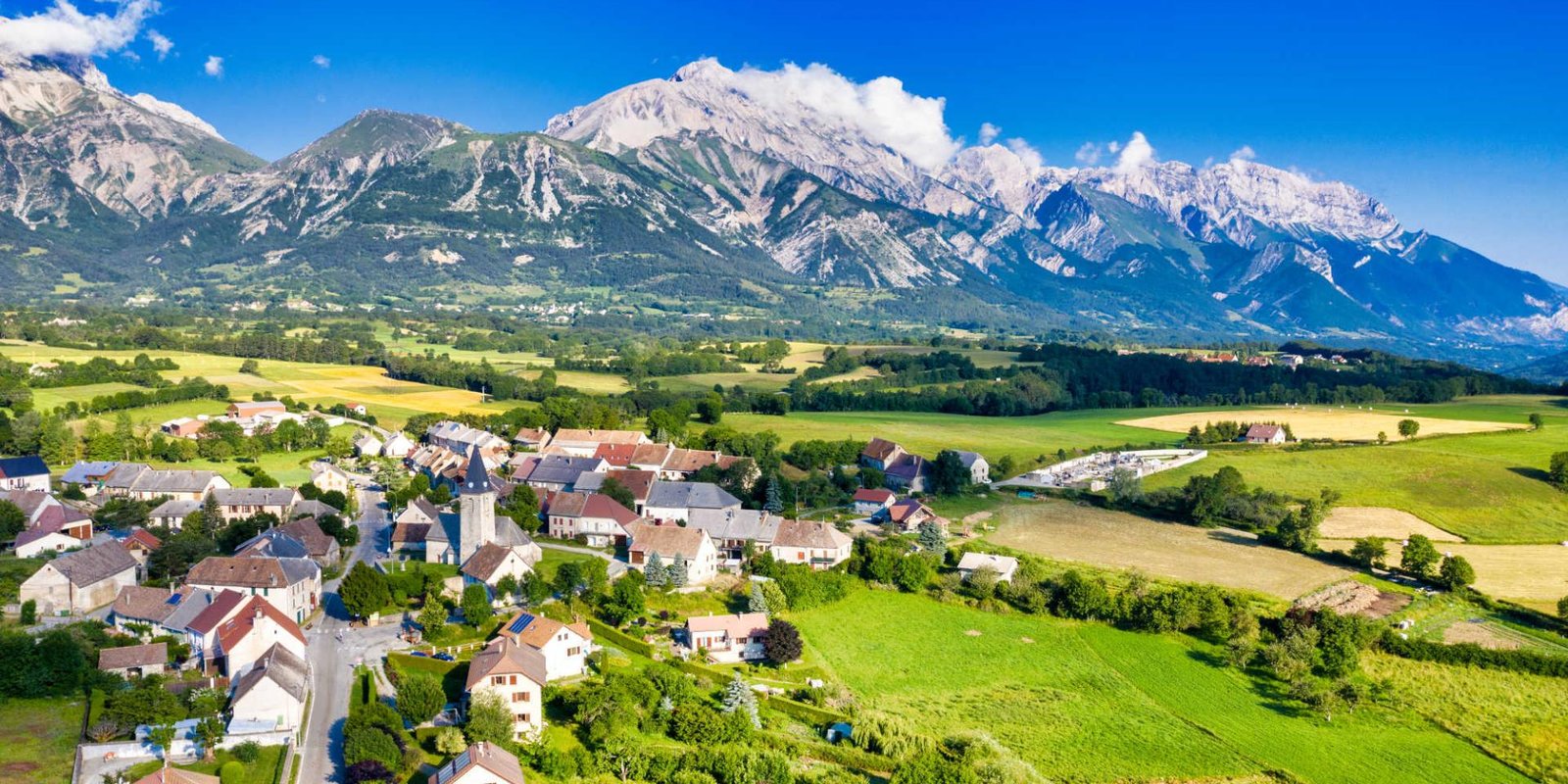
Champsaur Valley sits in the Hautes-Alpes department of southeastern France, tucked between the Écrins National Park and the Dévoluy massif. It is a working agricultural valley where stone hamlets, cow pastures, and small family ski stations outnumber the resort sprawl and traffic of the northern Alps. Most visitors stumble here by accident. This guide makes sure you arrive on purpose, with the practical details most write-ups skip entirely.
Most people find the French Alps through Chamonix or Grenoble. Champsaur Valley is not found. It is stumbled into: a scatter of stone hamlets in the Hautes-Alpes, where cowbells still outnumber cars, and the nearest ski lift is still a working farm’s neighbor. I first drove up from Gap on a winding road that followed the Drac River, expecting little more than a shortcut to the high passes. I stayed three days longer than planned.
The valley does that. It does not shout for attention the way the big-name resorts do, and that is the entire point. Here is everything you need to plan a trip that still feels like a discovery.
Jump to: Where Is It? | How to Get There | The Villages | Best Time to Visit | Things to Do | Champsaur vs. Chamonix | Where to Stay | FAQs
Key takeaways
- Champsaur Valley runs roughly 50 kilometers north to south through the Hautes-Alpes, bordered by the Écrins National Park to the east and the Dévoluy massif to the west.
- The nearest major city with train connections is Gap, about 20 minutes south of the valley. The closest international airports are Grenoble-Isère and Marseille-Provence.
- St-Bonnet-en-Champsaur is the valley’s main market town and the most practical base for first-time visitors.
- Summer brings transhumance festivals, high-alpine hiking, and quiet roads. Winter centers on Orcières-Merlette, a family-focused ski resort with 100 kilometers of pistes.
- Unlike Chamonix or Annecy, Champsaur Valley has no traffic jams, no lift queues that eat half your morning, and restaurant prices that still feel local rather than resort-inflated.
- The valley’s traditional bocage landscape, small hedged pastures bordered by stone walls, is increasingly rare in the Alps and worth seeing for that reason alone.
- You need a car. Public buses connect Gap to St-Bonnet and Orcières, but reaching the smaller hamlets and trailheads without your own wheels is impractical.
Where is Champsaur Valley, and what makes it different?
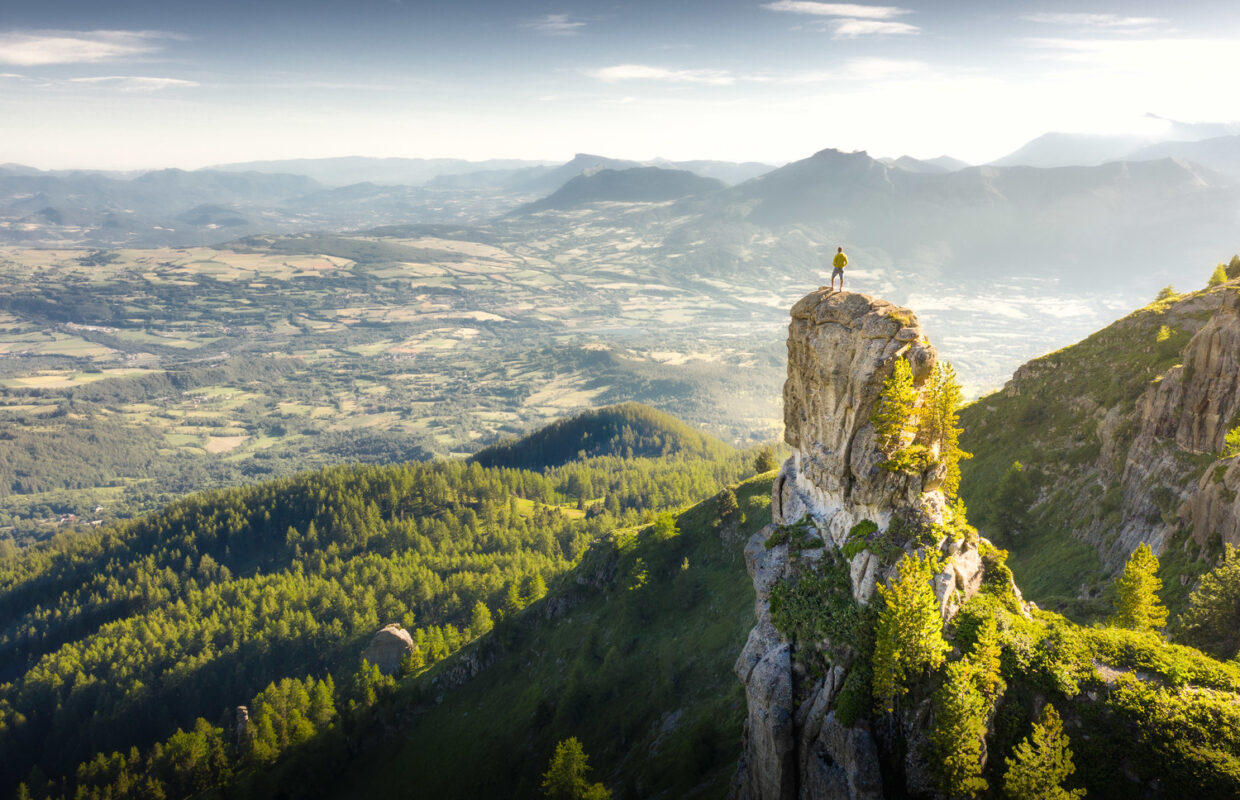
Champsaur Valley sits in the Hautes-Alpes department of southeastern France, roughly 20 kilometers north of Gap. The Drac River carved the valley and still runs its length, fed by meltwater from the peaks of the Écrins massif to the east. The valley floor is a patchwork of small hedged fields, the bocage landscape that defines traditional alpine farming here. Stone hamlets cluster on south-facing slopes. Above them, the terrain rises quickly into high pastures and then into the bare rock and residual glaciers of the national park.
What sets Champsaur apart from the more famous alpine valleys is what it lacks. There is no four-lane highway feeding a purpose-built resort base. There is no international hotel chain. The ski stations at Orcières and Ancelle are family-scale operations, not linked mega-domains. The valley still earns its living from agriculture first. You pass tractors on the road as often as you pass camper vans. That working-landscape texture gives the valley a grounded feel that heavily touristed areas like the Chamonix Valley lost decades ago.
@lesmoustachus Gros coup de gueule ! 🇫🇷 On a découvert une nouvelle pépite en France : la vallée du Champsaur et du Valgaudemar dans les Hautes-Alpes ⛰️ et on y trouve : 🏔️ Des montagnes 💦 Des lacs 🌲 Le parc National des écrins 🐮 Du bon fromage de vache 👨🏻 Des artisans et producteurs passionnés et accueillants 🐝 Du bon miel de montagne 🏠 Des refuges de montagne où on est bien servi Alors c’est pas juste c’est le paradis ils ont tout la bas , ils ont rien laissé aux autres en fait 😡 Ceci est une collaboration commerciale @champsaur_valgo #valgaudemar #champsaur #hautesalpes #alpes #champsaurvalgaudemar
Maya’s honest take: “The first thing I noticed was the sound. Not silence, exactly, but the absence of traffic hum. Cowbells, a distant tractor, and the Drac River running below the road. It took me an hour to realize I had not heard a car horn since leaving Gap.”
How to get to Champsaur Valley
The nearest city with a rail station is Gap, served by regional TER trains from Grenoble and Aix-en-Provence, with connections to the Paris TGV at Valence. From Gap, the valley is a 20-minute drive north on the N85. The nearest international airports are Grenoble-Isère, roughly two hours away, and Marseille-Provence, roughly two and a half hours. Both are served by budget airlines from the UK and mainland Europe. From North America, Lyon-Saint-Exupéry is the closest major hub, about three hours by road.
Once you are in the valley, a car is close to essential. A regional bus line connects Gap to St-Bonnet and Orcières, but services are infrequent and do not reach the smaller trailheads or hamlets like Prapic or Chaillol. If you are arriving by train, rent a car in Gap. The roads are well maintained and quiet, though they narrow to single-track lanes with occasional passing places once you leave the valley floor. In winter, carry chains and check the road status for the Col du Noyer and the higher hamlet access roads.
Nearest train station
Gap, served by TER regional trains. Direct connections from Grenoble (2 hours) and Aix-en-Provence (2.5 hours). TGV connections via Valence.
Nearest airports
Grenoble-Isère, roughly 2 hours by car. Marseille-Provence, roughly 2.5 hours. Lyon-Saint-Exupéry for long-haul international flights, about 3 hours.
Driving from Gap
Take the N85 north. St-Bonnet-en-Champsaur is 20 minutes away. Orcières is roughly 40 minutes. Prapic, at the valley’s end, is about an hour from Gap.
The villages of Champsaur Valley
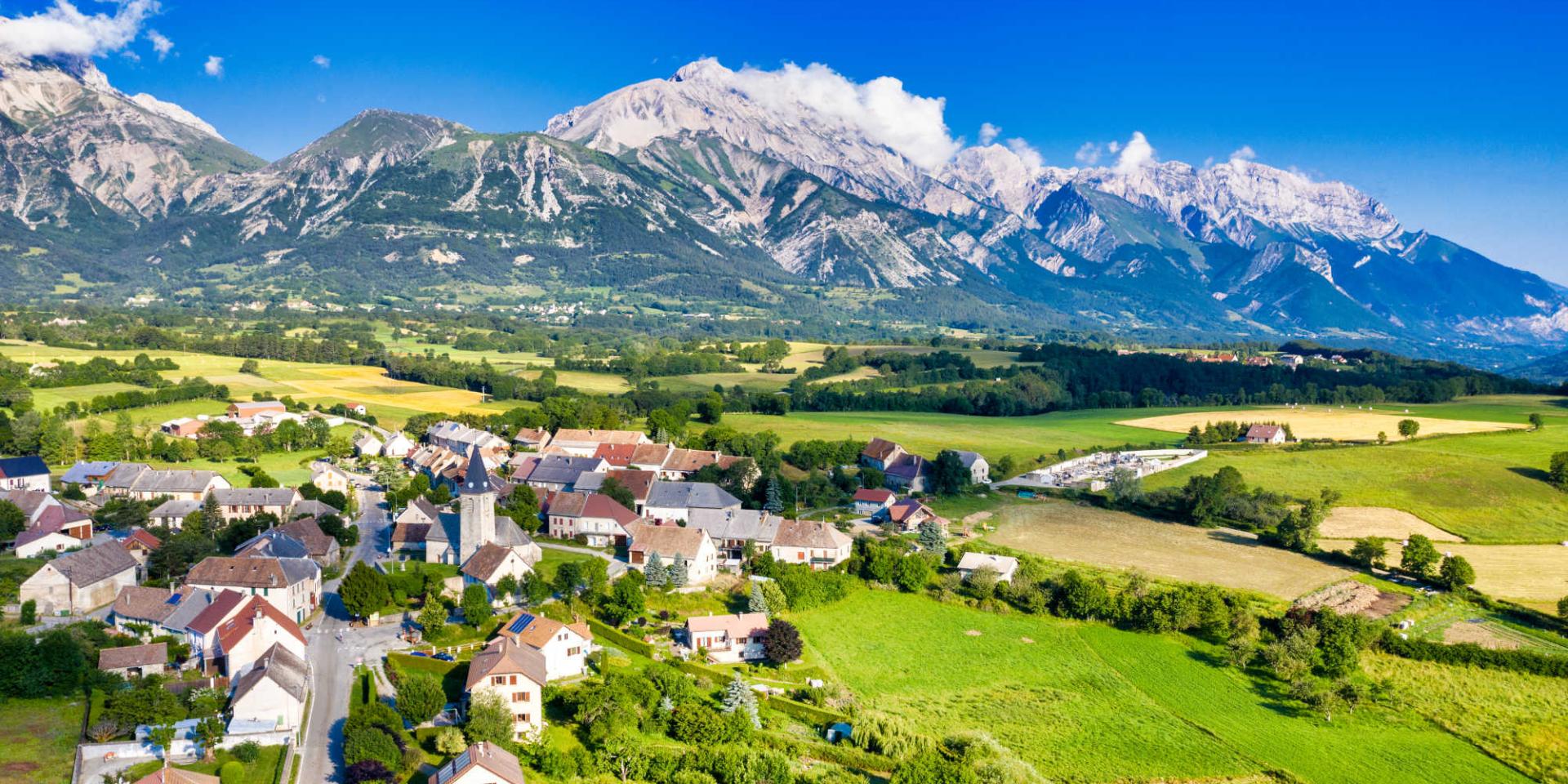
The valley is not one destination but a string of distinct communities, each with a slightly different character. Below are the six places worth knowing by name before you arrive.
St-Bonnet-en-Champsaur
The valley’s main market town and the most practical base. It has a supermarket, a bakery worth lining up for, a weekly market that fills the central square, and a handful of restaurants. The architecture is traditional Hautes-Alpes: stone facades, wooden balconies, and slate roofs. It feels like a functioning town, not a tourist set piece. If you stay anywhere, start here.
Orcières and Orcières-Merlette
Orcières is the old village. Orcières-Merlette, a short drive higher, is the valley’s main winter sports station. The ski area covers 100 kilometers of pistes between 1,850 and 2,725 meters, with reliable snow and a family-friendly reputation. In summer, the lifts stay open for hikers and mountain bikers. The contrast between the quiet old village and the purpose-built resort above it is a microcosm of the valley’s dual identity.
Ancelle
A smaller, quieter alternative to Orcières for winter sports, with a modest local ski area that suits beginners and young families. In summer, Ancelle is a peaceful farming hamlet with direct trail access into the southern edges of the Écrins massif. It has fewer services than St-Bonnet but compensates with a slower, sleepier rhythm.
St-Léger-les-Mélèzes
A tiny village perched on a sunny slope known for its larch forest and direct trail connections into the Écrins. The ski area here is very small, really a handful of lifts serving local families, but the cross-country skiing and snowshoeing routes are excellent. In summer, it is a quiet trailhead for day hikes into the high country.
Chaillol
Another small family ski station, this one set in a south-facing bowl with good snow retention and very little development beyond a few apartment blocks and a couple of restaurants. Chaillol feels local in a way the larger stations do not. Summer hiking from here climbs quickly into the high pastures of the Écrins.
Prapic
The end-of-the-valley hamlet, where the paved road stops and the national park begins. Prapic is a cluster of old stone farm buildings at the foot of a narrowing gorge. You come here to walk, not to shop. There is a small visitor center in summer, a few farm-gîte accommodations, and a handful of trailheads that climb directly into the Écrins backcountry. This is the valley at its wildest edge.
Best time to visit: summer versus winter in Champsaur
Champsaur works in two distinct seasonal modes. Summer runs roughly June through September. The high passes are open, the transhumance festivals kick off, and the hiking trails into the Écrins are clear of snow. July and August are the warmest and busiest, though busy here means sharing a trail with a handful of other walkers, not a conga line. Late June and early September offer thinner crowds and still-reliable weather. The transhumance, the seasonal movement of livestock to high summer pastures, happens in June and is marked by village festivals with parades of decorated cows and sheep. These are genuinely local events, not tourist performances.
Winter runs December through March. Orcières-Merlette is the main ski area, with reliable natural snow supplemented by snowmaking. The resort caters heavily to families, and the slopes are well-groomed and uncrowded compared to the northern Alps. Ancelle, Chaillol, and St-Léger offer smaller, even quieter skiing. Off-piste opportunities exist but are modest. The valley’s winter appeal is not extreme terrain. It is the absence of queues, the lower prices, and the feeling that you are skiing in a real place rather than a manufactured resort circuit.
Summer (Jun–Sep)
- Transhumance festivals in June
- High hiking trails open July through September
- Warm days, cool nights, occasional afternoon thunderstorms
Winter (Dec–Mar)
- Ski season at Orcières-Merlette, Ancelle, Chaillol, St-Léger
- Quiet slopes, family-friendly, no lift queues
- Snowshoeing and cross-country skiing widely available
Shoulder (Apr–May, Oct–Nov)
- Many services closed, lifts not running
- Quietest months, good for solitude
- Unpredictable weather, snow possible at elevation
Things to do in Champsaur Valley
The valley’s activities are low-key and self-propelled. You will not find a paragliding tandem stand on every corner or a curated adventure park. What you get instead is direct access to genuine alpine terrain without the intermediation of a ticket desk.
Hiking into the Écrins National Park
Champsaur is the western gateway to the Écrins, one of France’s most dramatic alpine national parks. From Prapic, the trail climbs into the high valley of the Drac Noir toward the Glacier Blanc and the imposing north face of the Pelvoux massif. This is serious mountain terrain. The trail is well-marked but gains elevation steadily. Start early, carry layers, and check the weather forecast for the high country, which can change independently of the valley conditions. Shorter walks from Ancelle and St-Léger climb into the mid-altitude pastures and larch forests of the park’s edge.
Skiing at Orcières-Merlette
The Orcières-Merlette ski area covers 100 kilometers of pistes between 1,850 and 2,725 meters. The terrain skews intermediate, with wide, well-groomed red and blue runs that suit progressing skiers and families. There is a snowpark, a boardercross course, and a dedicated beginner area near the base. Night skiing runs on select evenings during peak season. Lift passes cost noticeably less than equivalent-sized resorts in the northern Alps.
Transhumance festivals
In June, the valley’s livestock move to high summer pastures. Each village celebrates the transhumance with a festival centered on the decorated herds passing through the streets. St. Bonnet and Ancelle both hold well-attended events. The dates shift slightly each year depending on snowmelt and pasture readiness, so check with the local tourist office for the current schedule. These are not ticketed performances. You stand on the side of the road with a coffee and watch hundreds of sheep, goats, and cows parade past with bells clanging. It is a working tradition that happens to be beautiful.
Road cycling and gravel riding
The quiet roads that make the valley feel remote also make it excellent cycling terrain. The Col du Noyer, a classic Tour de France climb, sits at the valley’s northern end and delivers switchbacks and high-mountain views without the traffic of the more famous alpine passes. The valley floor roads connect the villages with gentle gradients. Gravel riding on the unpaved forest tracks above the valley is growing in popularity, and several local accommodation providers now cater specifically to cyclists with secure bike storage and route advice.
Champsaur Valley versus Chamonix: an honest comparison
Chamonix is the name everyone knows. It delivers world-class extreme terrain, a cosmopolitan town center, and lift queues that can eat an hour of your morning in peak season. Champsaur delivers none of those things, and that is the trade-off. The comparison below is not about which is objectively better. It is about which trip you actually want.
Champsaur Valley
- Quiet, agricultural, authentic working landscape
- Family-scale ski stations, no lift queues
- Lower prices on food, accommodation, and lift passes
- Fewer international visitors, more French families
- No traffic jams, no resort sprawl
- Gateway to the quieter western side of the Écrins
Chamonix
- World-famous, cosmopolitan, busy year-round
- Iconic extreme terrain and off-piste access
- Higher prices across the board
- Truly international visitor base
- Traffic congestion in the valley is a known problem
- Gateway to Mont Blanc massif and the Vallée Blanche
Choose Champsaur if you want quiet, tradition, and a trip that feels like a genuine discovery. Choose Chamonix if you want the big-mountain terrain and the international scene and are willing to trade solitude and lower costs for them.
Where to stay in Champsaur Valley
Accommodation in the valley skews toward family-run gîtes, small hotels, and self-catered apartments. There are no international chain hotels. That is a feature, not a bug, but it means you should book ahead during French school holidays, particularly the February winter break and the first two weeks of August.
Saint-Bonnet-en-Champsaur is the most convenient base for year-round visits. It has the widest range of accommodation and the most restaurants and services within walking distance. In winter, staying in Orcières-Merlette puts you slopeside, though the village can feel quiet after the lifts close. Ancelle and Chaillol offer quieter, smaller-scale ski-in, ski-out options with a more local feel. For summer hikers, the hamlets near Prapic and the upper valley provide the quickest trail access into the Écrins, though services are minimal and you will drive down to St-Bonnet for groceries.
For current availability and pricing, check the booking platforms linked at the bottom of this guide. Prices are highest during the February school holidays and the August peak. Late June, September, and mid-January offer the best combination of good conditions and lower rates.
Mistakes to avoid when visiting Champsaur Valley
The valley rewards a little preparation. These are the errors I have either made or watched other visitors stumble into.
- Arriving without a car. The bus connects Gap to the main towns, but trailheads, the upper valley, and the smaller hamlets are unreachable without your own wheels.
- Expecting Chamonix-style nightlife. Champsaur’s evenings revolve around quiet dinners, a glass of local wine, and an early start. If you need après-ski clubs, you are in the wrong valley.
- Underestimating mountain weather. The Écrins create their own weather systems. A clear valley morning can turn into a stormy afternoon at elevation. Check the forecast, start early, and carry a rain shell even in August.
- Skipping the transhumance festivals because you did not check the dates. These are the cultural highlights of the summer. Confirm the schedule with the local tourist office before booking flights.
- Not carrying cash. Smaller farm-gîte restaurants and market stalls may not accept cards. ATMs exist in St-Bonnet and Gap but are sparse elsewhere.
- Visiting in the shoulder season without checking what is open. Many accommodations, lifts, and restaurants close between seasons, particularly in April, May, and November. Confirm opening dates before you go.
Frequently asked questions
How do I get to Champsaur Valley from the UK or North America?
Fly to Grenoble-Isère, Marseille-Provence, or Lyon-Saint-Exupéry. Rent a car at the airport and drive roughly 2 to 3 hours. Alternatively, take the TGV from Paris to Valence, connect to a regional TER train to Gap, and rent a car there for the 20-minute drive into the valley.
Is Champsaur Valley worth visiting?
Yes, if you want a quieter, more traditional alpine experience than the big-name resorts offer. The valley is ideal for families, hikers, and anyone who prefers stone hamlets and cow pastures over traffic jams and lift queues. It is not the right choice if you want extreme off-piste terrain, international nightlife, or a large linked ski domain.
How many days do you need in Champsaur Valley?
Three to four days is a comfortable minimum. That gives you time to explore several villages, do two solid day hikes or ski days, and attend a market or festival. A full week lets you settle into the valley’s slower rhythm, explore the high passes, and spend real time in the Écrins backcountry.
What is the best month to hike in Champsaur Valley?
Late June through mid-September is the core hiking season. July and August offer the warmest weather and the fullest trail access. Late June brings transhumance festivals and thinner crowds. September delivers cooler temperatures and the first hints of autumn color, with most trails still open and far fewer walkers.
Is Champsaur Valley suitable for families with young children?
Yes, especially in winter. Orcières-Merlette markets itself specifically as a family ski resort, with gentle beginner slopes, a dedicated learning zone, and a snowpark designed for younger riders. In summer, the valley floor trails and the shorter walks from Ancelle and St-Léger are manageable for children with some hiking experience.
Do people speak English in Champsaur Valley?
English is spoken in tourist-facing roles at the larger ski stations and in some hotels, but it is far less widespread than in the northern Alps. In the smaller villages, at farm gîtes, and in local shops, French is the default. A few basic French phrases go a long way and are genuinely appreciated.
What is the nearest national park to Champsaur Valley?
The Écrins National Park borders the valley directly to the east. Trailheads from Prapic, Ancelle, and St-Léger-les-Mélèzes climb into the park’s western reaches within minutes. The park is one of France’s largest and wildest protected areas, with high-alpine terrain, glaciers, and a dense network of marked hiking trails.
Plan your trip: booking platforms we trust
Accommodation in Champsaur Valley skews toward small, family-run places that do not always appear on the major global platforms. The sites below give you the broadest coverage, from St-Bonnet hotels to Prapic farm gîtes. Book early for February and August.
Best for hotels and guesthouses in St-Bonnet and Gap with flexible cancellation policies.
Best for self-catered apartments and chalets, particularly around Orcières-Merlette for ski season.
Best for bundling flights into Grenoble or Marseille with a rental car and St-Bonnet accommodation.
Best for reading recent reviews of village restaurants, ski school experiences, and summer trail conditions.