Mara River: Complete Guide to Kenya & Tanzania’s Migration River
Fact-Checked By Maya Whitfield, Senior Travel Editor at WakaAbuja
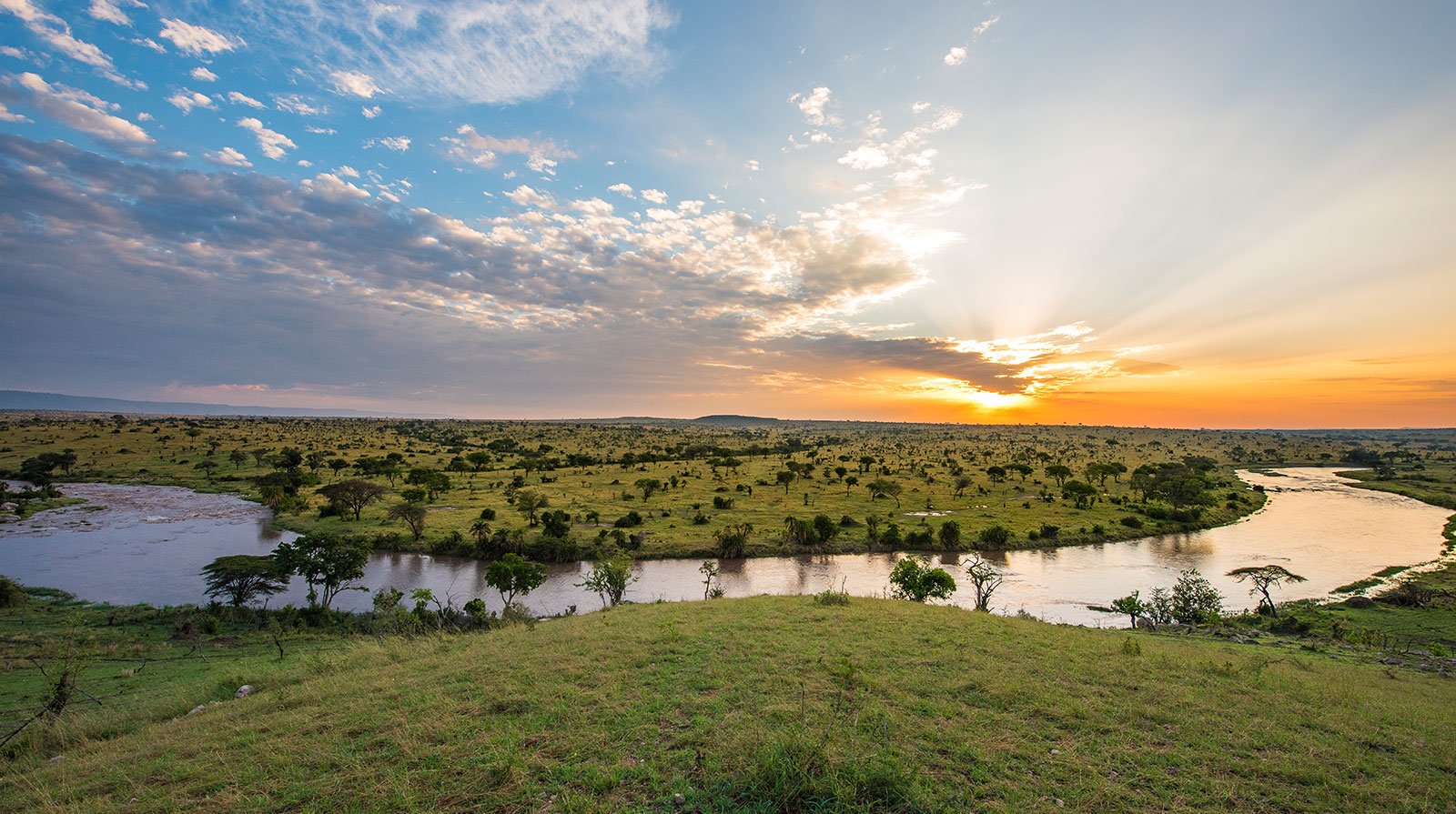
The Mara River is a 395-kilometer river flowing from Kenya’s Mau Escarpment into Lake Victoria, draining a basin of 13,504 square kilometers split roughly 65 percent in Kenya and 35 percent in Tanzania. For most of the year it is a quiet, meandering waterway. For a few chaotic weeks annually, it becomes the deadliest barrier in the Serengeti ecosystem, the crossing point for over a million migrating wildebeest and the hunting ground of the Nile crocodiles that wait for them.
Wikipedia will tell you the Mara River’s length, its tributaries, and its rainfall figures with the emotional warmth of a hydrological survey. What it will not tell you is that the river is not a single uniform channel and that the crossing you have seen in documentaries only happens at specific pinch points, under specific conditions, during specific months. It also will not correct the most common misconception first-time safari planners bring to this river.
I have sat on the bank at the Mara Triangle watching thousands of wildebeest circle nervously for hours, and I have watched a crocodile take one less than thirty seconds after it entered the water. This guide covers both the geography and the real-world drama that make the Mara River matter.
Jump to: River Facts | The River’s Course | Rainfall & Flow | Wildebeest Crossings | Best Crossing Points | Predator-Prey Dynamic | FAQs
Key takeaways
- The Mara River flows 395 kilometers from the Napuiyapi swamp in Kenya’s Mau Forest to Lake Victoria, crossing through both Kenya and Tanzania.
- The river basin covers 13,504 square kilometers, with roughly 65 percent in Kenya and 35 percent in Tanzania.
- It is not the border between Kenya and Tanzania. The river crosses the border, but the two countries are separated by land in most places, not by the Mara’s channel.
- The dramatic wildebeest crossings happen at a handful of specific points, mostly in the Maasai Mara and northern Serengeti, between July and October.
- Nile crocodiles in the Mara River can exceed four meters in length and are the primary predator at crossing points, alongside opportunistic big cats on the banks.
- Predators like lions and hyenas generally do not follow migrating herds across the river because the water, current, and crocodile risk act as a behavioral and physical barrier.
- The river’s water level fluctuates dramatically with the bimodal rainy seasons, swelling during the long rains from March to May and the short rains from October to December.
Mara River quick facts
The Mara River rises from the Napuiyapi swamp on the Mau Escarpment in Kenya at an elevation of 2,932 meters. It flows for 395 kilometers before emptying into Lake Victoria near Musoma in Tanzania. The river drains a basin of 13,504 square kilometers, divided roughly 65 percent in Kenya and 35 percent in Tanzania. Its major tributaries include the Amala and Nyangores rivers in the upper basin and the Talek, Engare, Sand, and Engito rivers in the middle and lower sections.
The river’s elevation drops from 2,932 meters at its source to 1,134 meters at Lake Victoria. That steady descent through different ecological zones is what gives the river its varied character. The upper reaches are steep and fast. The middle sections flatten into the wide savanna channels that safari-goers photograph. The lower stretches near Lake Victoria slow into a silty, meandering delta.
Maya’s honest take: “The first time I saw the Mara River in person, I was surprised by how small it looked in some stretches. The documentaries make it feel massive. In reality, many crossing points are less than twenty meters wide. That narrowness is exactly what makes them so deadly.”
The river’s course: from the Mau Escarpment to Lake Victoria
The Mara River basin divides naturally into four zones. Understanding these zones helps make sense of why the river behaves so differently in different places and why the crossings only happen in one specific zone.
The Mau Escarpment sub-basin
The upper basin sits in the highlands of the Mau Forest, one of Kenya’s most important water towers. Here the Amala and Nyangores rivers feed the young Mara through steep, forested valleys. The water is fast, cold, and clear. This section is not accessible to most safari visitors and serves mainly as the river’s hydrological engine room.
The Kenyan rangelands sub-basin
As the river drops onto the open savanna, it slows and begins to meander. This is the stretch that enters the Maasai Mara ecosystem and the section most people picture when they think of the Mara River. The banks here alternate between gentle grassy slopes and abrupt cutbanks. This is also where the Talek River joins, adding volume and creating the wide channels that make crossing points possible.
The protected areas sub-basin
This section runs through the Maasai Mara National Reserve in Kenya and the northern Serengeti in Tanzania. It is the ecological heart of the river. The seasonal wildebeest migration concentrates here between July and October, and the river acts as the barrier the herds must cross repeatedly as they move north and south. The crossing points in this zone are the ones that appear in every wildlife documentary.
The Tanzania downstream sub-basin
Below the protected areas, the Mara flows westward through increasingly agricultural land toward Lake Victoria. The channel widens, the current slows, and the water turns silty. The river here is used for irrigation, livestock watering, and fishing. The dramatic wildlife crossings do not happen in this section, but the human dependence on the river is most visible.
Rainfall and seasonal flow: when the river swells and shrinks
The Mara basin experiences two rainy seasons. The long rains run roughly from March through May, and the short rains arrive from October through December. Between these wet periods, the river level drops steadily. By the end of the dry season in September and October, some upper-basin tributaries are reduced to trickles, while the main channel still flows strongly enough to support the resident hippo and crocodile populations.
During the long rains, the river can swell dramatically in a matter of hours. Heavy runoff from the Mau Escarpment pushes the lower channels into flood, turning normally calm crossing points into churning brown torrents. This is the season when wildebeest crossings become genuinely dangerous, as the current strengthens and crocodiles use the murky water for concealment. The seasonal pattern matters for visiting because the crossing months overlap with the dry season in the protected areas zone, when the river is lower and the herds are concentrated.
@tanzaniasafariexperience Mara River Crossing Experience in the Serengeti, Tanzania Mara River Crossing is one of the most intense wildlife moments on earth. Thousands of wildebeest gather at the edge of the Serengeti, waiting for the courage to enter crocodile filled waters while predators watch every move. This is not a staged experience. It is raw nature, and timing, patience, and expert guiding make all the difference between seeing nothing and witnessing one of the greatest shows in the wild. At Tanzania Safari Experience we design safari journeys that prioritize responsible travel and respect for wildlife behavior. We do not rush animals or disturb natural movement. Our approach focuses on giving you the best possible chance to witness the crossing while protecting the ecosystem that makes it possible. If you are planning the Mara River Crossing experience, do not leave it to chance. Work with a team that understands migration patterns, river points, and real time movements in the Serengeti. Book your safari with Tanzania Safari Experience WhatsApp +255740842892 #wildebeestmigration #tanzaniantiktok🇹🇿 #tanzaniasafari #africasafari #TanzaniaSafariExperience
Seasonal flow snapshot: March to May, high flow from long rains, crossings rare. June to October, falling water levels, peak crossing months. October to December, short rains raise levels again. January to February, low flow, resident wildlife concentrated near permanent water.
The Mara River wildebeest crossings: what actually happens
Every year, roughly 1.5 million wildebeest, alongside hundreds of thousands of zebra and gazelle, move in a clockwise loop through the Serengeti-Mara ecosystem. The Mara River cuts directly across this route. The herds must cross it multiple times during the migration, moving north into the Maasai Mara’s fresh grazing in the dry season, then south back into the Serengeti when the rains return.
A crossing rarely begins with a confident charge. The herd gathers on the bank, often numbering in the thousands. They mill, bellow, and push toward the water’s edge, then spook and retreat. This build-up can last hours. The actual crossing, when it finally happens, is sudden and violent. The first animals to enter are not the leaders but the ones pushed from behind. Once the pressure breaks, the entire herd pours into the river in a chaotic, splashing column. The noise is deafening. The water churns. Dust rises from the far bank as animals scramble up, often slipping and crushing each other at the steep exit points.
The crossing lasts anywhere from ten minutes to over an hour depending on herd size and how many exit routes are available. The aftermath includes carcasses in the water, injured animals on the banks, and crocodiles feeding on the dead and the slow. It is not a sanitized spectacle. Safari-goers who expect a nature-documentary clean edit often find the reality more raw than they anticipated.
Maya’s honest take: “I have watched three crossings in person. The first one made me cry. The second one made me understand why the guides say you never truly photograph a crossing, you survive the experience of watching it. The third one, I put the camera down and just watched.”
Best crossing points along the Mara River
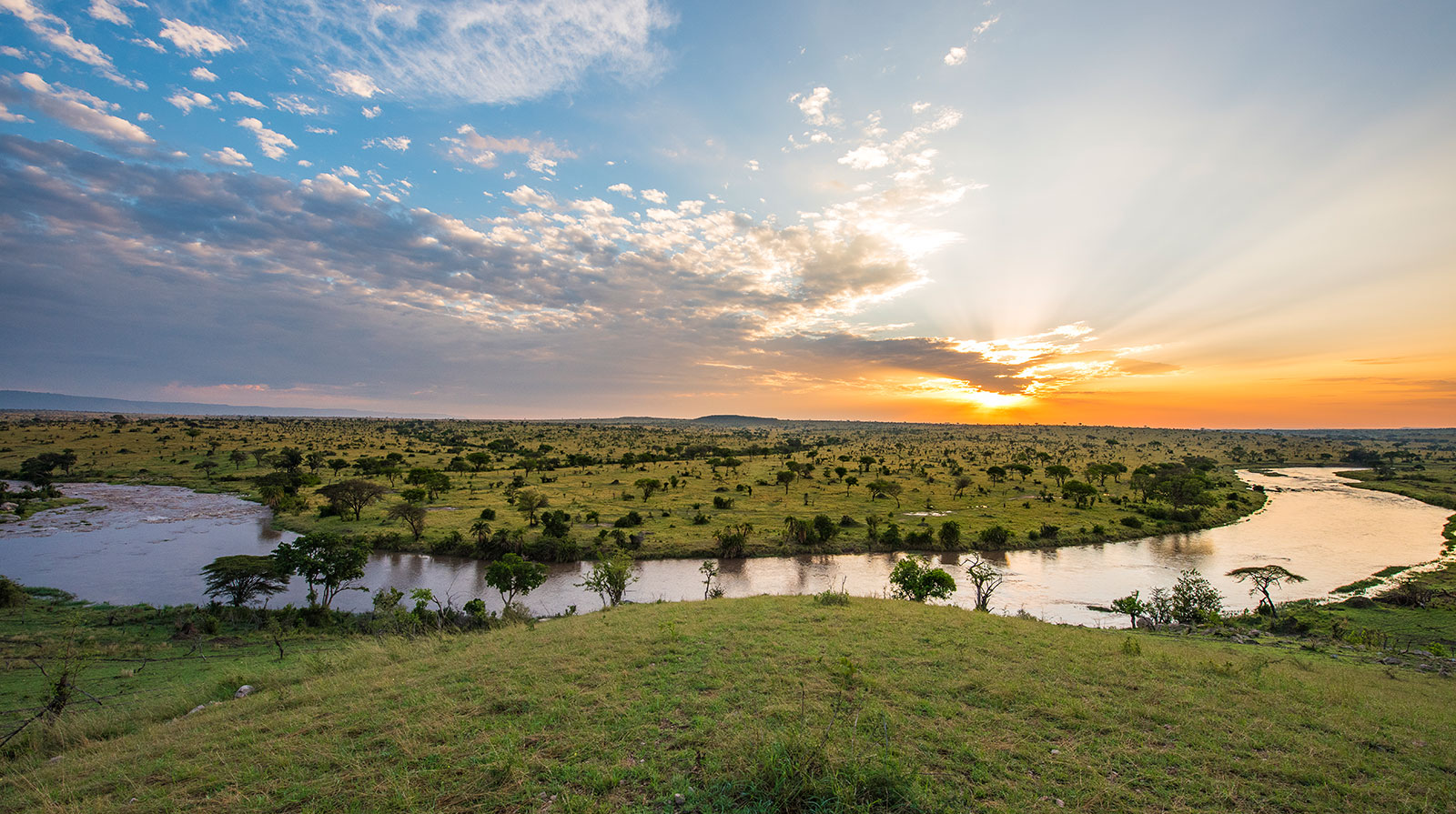
Not every stretch of the Mara River produces crossings. The herds use specific pinch points where the banks are accessible on both sides, the water is shallow enough to cross but deep enough to make it a real barrier, and the terrain funnels the herd naturally. The most reliable crossing points sit inside or near the Maasai Mara National Reserve and the northern Serengeti.
Main Crossing (Mara Triangle)
Terrain: Steep banks on both sides, narrow channel, deep water at the centre. Crowd level: High, most popular safari-vehicle concentration. Best months: August to October. What to expect: Dramatic entry points, high probability of crocodile predation, heavy vehicle traffic.
Lookout Hill Crossing
Terrain: Open grassy slopes, wider channel, multiple exit points. Crowd level: Moderate. Best months: July to September. What to expect: Longer crossings with less congestion at the waterline, good elevated viewing positions.
Kogatende Area (northern Serengeti)
Terrain: Multiple braided channels, hippo pools nearby. Crowd level: Lower than the Mara side. Best months: July to October. What to expect: Quieter, more spread-out viewing, good chances of seeing crossings away from the main tourist density.
Talek River confluence
Terrain: Junction of two rivers, mixed bank heights. Crowd level: Variable. Best months: August to September. What to expect: Crossings often split here, with smaller groups testing multiple routes at once. Good for photographing the pressure dynamics.
Best time to see a crossing: The months from July through October offer the highest probability, with August and September the peak. Morning crossings tend to happen more frequently, though afternoon crossings occur regularly. Guides recommend positioning yourself at a known point by early morning and waiting rather than racing between locations when word of a crossing spreads.
The predator-prey dynamic at the river
Wikipedia mentions in one sentence that the river creates a “shortage of food for predators that cannot cross.” That sentence hides one of the most interesting ecological stories in the entire basin. The river does more than separate predators from prey. It actively filters them.
Nile crocodiles are the apex predators of the river itself. They do not chase the herds across the savanna. They wait. Crocodiles position themselves at the crossing points where the channel narrows and the water is deep enough for them to submerge completely. When the herd enters the water, the crocodiles do not need to hunt in the traditional sense. They rely on the chaos. Drowning wildebeest, crushed animals, and the slowest swimmers all become food. A single large crocodile can take a wildebeest, but more often the feeding is opportunistic rather than spectacular. The real killer at crossings is not always the crocodiles. It is the crush at the exit points and drowning in the current.
Lions, hyenas, and leopards do follow the migration. They shadow the herds for hundreds of kilometres. But they rarely cross the Mara River. The water is deep enough to put a lion at a disadvantage, the current can sweep a hyena downstream, and the crocodiles present a threat even a full-grown lion will not risk lightly. The result is that predators on one bank lose access to prey on the other bank for weeks at a time. This creates local food shortages and forces resident prides to hunt smaller, riskier prey or defend their territories more aggressively. The river, in effect, manages the predator population as effectively as any human intervention could.
Maya’s honest take: “The most surprising thing I learned from a veteran Maasai Mara guide is that the crocodiles do not actually kill most of the wildebeest that die at crossings. Drowning and trampling kill more. The crocodiles are just the most visible part of a much messier system.”
Mistakes to avoid when planning around the Mara River
Most disappointments around Mara River visits come from unrealistic expectations or bad logistics. These are the patterns I have observed repeatedly.
- Expecting a crossing every day. Crossings are not guaranteed. The herds can wait for days on one bank. If you only have one safari day in the Mara, a crossing is a bonus, not a plan.
- Chasing word-of-mouth crossing reports. By the time word spreads and vehicles race to a point, the crossing is often over. Position yourself at a known crossing point early and commit.
- Underestimating the emotional intensity. A crossing involves real death. If you are traveling with children or sensitive viewers, prepare them for what they might see.
- Assuming the river marks the Kenya-Tanzania border. It does not. The river crosses the border but most of the border is dry land. This misconception leads to confusion about which country you are in while viewing.
- Visiting only in the peak August window with no flexibility. The river levels and herd movements shift each year. If you can, build flexibility into your dates rather than pinning everything on a single week.
Frequently asked questions
Does the Mara River mark the border between Kenya and Tanzania?
No. The Mara River crosses the international border but does not define it for most of its length. The border between Kenya and Tanzania runs across land, with the river crossing from one country into the other in the northern Serengeti. You can be standing on the Tanzanian side of the river or the Kenyan side without crossing a border post.
Where does the Mara River start and end?
The Mara River starts at the Napuiyapi swamp on the Mau Escarpment in Kenya, at an elevation of 2,932 metres. It flows for 395 kilometres through southwestern Kenya and northern Tanzania before emptying into Lake Victoria near the town of Musoma in Tanzania.
When is the best time to see wildebeest crossing the Mara River?
The most reliable months for river crossings are July through October, with August and September the peak. The crossings happen as the wildebeest migration moves north into the Maasai Mara during the dry season and then south again when the rains return. Specific timing shifts year to year based on rainfall patterns.
How deep is the Mara River?
The depth varies dramatically by season and location. In the upper basin, the river runs fast and relatively shallow over rocky beds. In the middle crossing zones, dry-season depths at crossing points can be as little as one metre, but flood-season depths can exceed three metres with a strong current. The lower reaches near Lake Victoria are deepest, with slow, silty water.
Are there crocodiles in the Mara River?
Yes. The Mara River is home to a significant population of Nile crocodiles, some exceeding four metres in length. They concentrate at the crossing points used by the migrating wildebeest. Crocodiles are the most visible predators at crossings, though drowning and trampling cause more wildebeest deaths than crocodile attacks.
Can you swim in the Mara River?
No, absolutely not. The Mara River is home to hippos and Nile crocodiles, both of which are responsible for human fatalities across Africa. The current during flood season is also dangerously strong. There is no stretch of the river where swimming is safe or permitted for tourists.
Why do predators not follow the herds across the river?
Lions, hyenas, and leopards are reluctant to cross the Mara River for several reasons. The water is deep enough to put them at a disadvantage, the current can sweep them downstream, and the crocodiles present a real threat. Additionally, big cats and hyenas are territorial, and leaving their territory to follow prey across the river means abandoning their established hunting grounds.
What tributaries feed the Mara River?
The main tributaries are the Amala and Nyangores rivers in the upper basin, which join to form the Mara proper. Downstream, the Talek River is the largest tributary in the protected areas zone. Other tributaries include the Engare, Sand, and Engito rivers, which contribute additional flow in the middle and lower sections.
Plan your trip: booking platforms we trust
For a Mara River crossing trip, safari operator quality matters more than hotel brand. I prioritize platforms that list verified local operators with recent reviews specifically mentioning crossing sightings and guide knowledge.
Best for booking multi-day Maasai Mara safari packages that include river crossing viewing with local operators.
Best for reading recent reviews of specific safari guides and camps near the Mara River crossing points.
Best for comparing camps and lodges inside the Maasai Mara National Reserve with free cancellation options.
Best for bundling flights into Nairobi with safari lodge stays and car transfers in one package.