
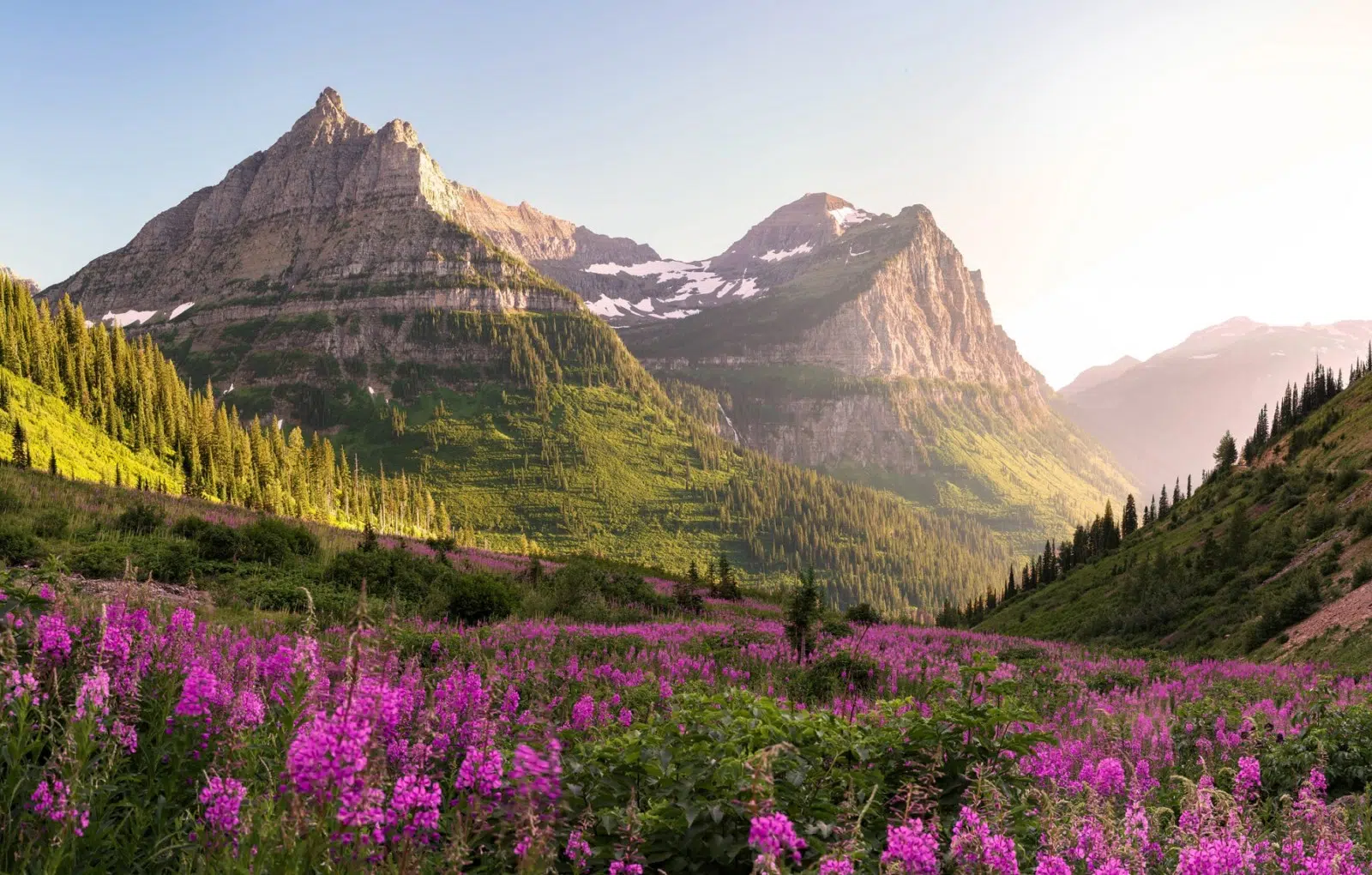
Glacier National Park: The Trip-Planning Guide That Tells You What the Official Sites Leave Out
Fact-Checked By: Maya Whitfield, Senior Travel Editor at WakaAbuja — Senior Travel Editor at WakaAbuja
Glacier National Park is a 1-million-acre wilderness in northwest Montana, home to Going-to-the-Sun Road and roughly 2 million annual visitors. The critical 2026 change: vehicle reservations are gone, but Logan Pass now has a three-hour parking limit and a new ticketed shuttle system. Non-U.S. residents pay a $100 surcharge on top of the standard entrance fee (confirm current rates with the park directly).
I have stood at Logan Pass at 6:45 a.m. with a cold cup of gas station coffee, watching the parking lot fill in under twelve minutes. I have also rolled up at 10 a.m. and spent forty minutes circling like a vulture before giving up and driving to St. Mary.
The difference between a great Glacier trip and a frustrating one almost always comes down to two things: timing and knowing which region fits your actual travel style. This guide gives you both.
Jump to: Regions compared | Itineraries | Costs | Logan Pass rules | What to avoid | FAQ
Key takeaways
- Vehicle reservations are not required anywhere in Glacier National Park in 2026, a major shift from the past five seasons.
- Logan Pass parking is limited to three hours starting July 1, and longer hikes require a $1 shuttle ticket from Recreation.gov (confirm the current processing fee on the booking site).
- Non-U.S. residents age 16 and older pay a $100 non-resident fee in addition to the standard entrance pass unless they hold the $250 America the Beautiful Non-Resident Annual Pass (verify these rates on the official NPS site).
- Going-to-the-Sun Road fully opened on June 22 this year, six days later than last season.
- Many Glacier offers the best wildlife sightings and classic glacier hikes, but it also floods in late June and gets cut off first when weather turns.
- Book lodges inside the park as far as 13 months in advance. The historic properties sell out faster than anything else in Montana.
- Shuttles do not stop at Avalanche Lake or Trail of the Cedars in 2026. Those trails require your own vehicle or a very long walk.
What are the different regions of Glacier National Park, and which one should you pick?
Glacier is not one destination. It is a collection of valleys separated by the Continental Divide, and each has a completely different personality. Pick the wrong region for your priorities and you will spend hours in the car wondering why everyone else seems to be having a better day.
The park has five developed areas: Apgar and Lake McDonald on the west side, Logan Pass in the middle, and St. Mary, Many Glacier, and Two Medicine on the east side. The west side gets the rainforest. The east side gets the wind, the wide-open views, and the best wildlife. The middle, Logan Pass, gets everything and everyone.
Many Glacier: best for wildlife and classic hikes
- Grinnell Glacier and Iceberg Lake trailheads
- Highest concentration of grizzly and moose sightings
- Historic Many Glacier Hotel on Swiftcurrent Lake
- Floods and closes first in heavy rain
Lake McDonald and Apgar: best for easy access and amenities
- Closest to West Glacier entrance and services
- Lake McDonald Lodge and Apgar Village
- Trail of the Cedars and Avalanche Lake nearby
- Rainforest scenery, cooler and greener
St. Mary and Two Medicine: best for crowd-free scenery
- St. Mary Lake and Wild Goose Island viewpoint
- Two Medicine is the quietest developed area
- Two Medicine campground closed all of 2026 for construction
- Best sunrise photography in the park
Logan Pass: best for the drive and alpine access
- Hidden Lake Overlook and Highline Trail
- Highest point on Going-to-the-Sun Road
- Three-hour parking limit starting July 1
- Shuttle ticket required for longer hikes
Maya’s honest take: “If you only have two days, do not try to see both Many Glacier and the North Fork. I made that mistake once and spent seven hours driving. Pick one side of the park and go deep.”
How many days do you actually need in Glacier National Park?
Two days is the absolute minimum if you want to drive Going-to-the-Sun Road and do one real hike. Three days lets you add Many Glacier. Five days is where the park starts to feel less like a checklist and more like a place you are actually experiencing.
Here is what I would do with three days, assuming you fly into Kalispell and rent a car. This is the itinerary I give friends who ask, and every single one has come back saying it worked.
Day 1: West Side and Going-to-the-Sun Road
Start at Apgar Visitor Center before 7 a.m. Drive the full Going-to-the-Sun Road east to St. Mary, stopping at Avalanche Creek, the Loop, and Logan Pass. Do not linger at Logan Pass today. Save it for the shuttle day. End in St. Mary or Babb for the night. The drive takes three hours without stops, but plan for five with pullouts.
Day 2: Many Glacier
If you can get a boat tour across Swiftcurrent and Josephine Lakes, do it. The Grinnell Glacier trail is 11.2 miles round trip from the trailhead, or about 7.6 miles if you use the boats (confirm current boat schedules and prices with Glacier Park Boat Company). The views of Upper Grinnell Lake and the glacier itself are worth every step.
Day 3: Logan Pass by shuttle
Book your $1 shuttle ticket on Recreation.gov the night before or 60 days ahead. Take the express shuttle from Apgar Transit Center or St. Mary Visitor Center. Hike Hidden Lake Overlook, which is a manageable 2.7-mile round trip on a boardwalk. If you are fit and have the time, the Highline Trail to Granite Park Chalet is one of the best day hikes in America, but it requires the shuttle ticket because parking is limited to three hours.
If you want to find cheap flights into Kalispell or Missoula, Kayak lets you compare fares across all the regional carriers that serve Montana. For lodging inside the park, you need to book through the official concessioner as early as possible. For gateway towns like Whitefish, Columbia Falls, or East Glacier, Booking.com has the widest inventory.
How much does a Glacier National Park trip actually cost?
The park entrance fee is the smallest part of your budget. The real money goes to lodging, rental cars, and food, especially if you are visiting from outside the United States. Here is a realistic breakdown for a three-day trip for two people.
Entrance and permits
Standard entrance is $35 per vehicle for seven days (verify the current fee on the NPS fees page). If you are not a U.S. resident and you are 16 or older, add the $100 non-resident surcharge unless you buy the $250 America the Beautiful Non-Resident Annual Pass. If your trip includes Yellowstone or any other national park, the non-resident annual pass pays for itself immediately.
Lodging
Historic lodges inside the park, like Many Glacier Hotel and Lake McDonald Lodge, run $200 to $400 per night in peak season (check current rates directly with the concessioner). Gateway town motels are $120 to $250 (confirm availability on the booking platform of your choice). Campgrounds are $20 to $30 per night, but Many Glacier Campground caps vehicles at 21 feet, and Two Medicine is closed all of 2026.
Transportation and food
Rental cars in Kalispell during July and August are expensive, sometimes $100 or more per day (compare rates on Kayak or Expedia). Gas is not available inside the park, so fill up in West Glacier, St. Mary, or Babb every chance you get. Food inside the park is limited to a few dining rooms and camp stores. Budget $15 to $25 per person per meal if you eat at the lodges (check current menus with the operator).
What is the new Logan Pass shuttle system, and how does it work?
Logan Pass is the single most congested spot in Glacier. In 2026, the park replaced the old vehicle reservation system with a combination of parking time limits and a ticketed shuttle. The goal is to move more people through the pass without letting cars sit there all day.
Starting July 1, private vehicle parking at Logan Pass is limited to three hours. Three hours is enough for Hidden Lake Overlook, the visitor center, or a ranger program. It is not enough for the Highline Trail or any of the longer alpine routes. If you want to do those, you need a shuttle ticket.
Shuttle tickets cost $1 plus a processing fee, booked on Recreation.gov. A portion of tickets releases 60 days in advance. The rest release at 7 p.m. MDT the day before. You cannot buy them inside the park, and cell service is unreliable, so print your ticket or save a screenshot before you arrive.
The shuttle runs express from Apgar Transit Center and Lake McDonald Lodge on the west side and from St. Mary Visitor Center and Rising Sun on the east side. It does not stop at Avalanche or Trail of the Cedars in 2026. If you want those trails, you have to drive yourself.
What are the best hikes in Glacier National Park for different fitness levels?
Glacier has 734 miles of trails, ranging from wheelchair-accessible boardwalks to multi-day backcountry routes. I have grouped the most popular day hikes by difficulty so you can match them to your actual ability, not your vacation optimism.
Easy: under 4 miles, minimal elevation
Trail of the Cedars is a 0.9-mile accessible boardwalk through old-growth cedar and hemlock. Hidden Lake Overlook from Logan Pass is 2.7 miles round trip on a raised boardwalk, though it can be snowy into July. Running Eagle Falls in Two Medicine is a flat 0.6-mile walk to a waterfall that flows through a hole in the rock.
Moderate: 4 to 8 miles, some climbing
Avalanche Lake is 4.5 miles round trip with about 730 feet of gain. It is one of the most popular trails in the park, so start before 8 a.m. or after 4 p.m. St. Mary Falls and Virginia Falls is a 2.9-mile round trip with two waterfalls and very manageable grades.
Strenuous: 8 miles and up, serious elevation
Grinnell Glacier is 11.2 miles round trip from the trailhead or about 7.6 miles with the boat shortcut, with roughly 1,600 feet of gain. Iceberg Lake is 9.6 miles round trip with a steady climb to a stunning turquoise tarn. The Highline Trail from Logan Pass to the Loop is nearly 12 miles and requires a shuttle ticket because of the parking limit.
For guided hikes and ranger-led programs, GetYourGuide lists several operators in the Glacier area. If you want to compare reviews before committing, TripAdvisor is useful for filtering the good guides from the mediocre ones.
What should you avoid when planning a Glacier National Park trip?
I have made almost every mistake on this list. Learn from my sunburned, frustrated past self.
1. Assuming you can “wing it” in July and August
Glacier gets roughly 2 million visitors per year, and the vast majority come in a ten-week window. Lodging inside the park sells out 13 months ahead. The campgrounds that are not on Recreation.gov fill by 8 a.m. If you show up in Kalispell on a Friday in July with no reservations, you will be sleeping in your car in a Walmart parking lot, and not the fun kind.
2. Underestimating the distances
Going-to-the-Sun Road is 50 miles, but you cannot drive it at highway speed. The speed limit is 25 to 45 mph, and you will stop constantly. Many Glacier is a 45-minute detour from St. Mary. Two Medicine is another 30 minutes beyond that. The park looks small on a map and feels enormous when you are driving it.
3. Planning a high-alpine hike for your first day
Logan Pass sits above 6,600 feet. If you are coming from sea level, a 12-mile hike on day one is a recipe for altitude sickness and misery. Acclimate on a low-elevation trail like Avalanche Lake first.
4. Forgetting bear spray and making noise
This is grizzly country. Every trailhead sign says it. Carry bear spray on your hip, not buried in your pack, and know how to use it. Talk loudly on blind corners. I have rounded a bend and surprised a black bear at twenty feet, and the only thing that kept it from being worse was that I was already yelling.
5. Trying to see the whole park in two days
The park is over 1 million acres. You cannot see it all in a weekend. You cannot see most of it in a week. Pick two or three regions, do them properly, and leave something for next time. The people who try to do everything come home exhausted and remember nothing.
6. Ignoring the weather forecast
Glacier’s weather changes fast. In June, a sunny 70-degree day at Apgar can turn into a 40-degree rainstorm at Logan Pass by afternoon. Snow is possible in July. The flood closures in late June this year shut down Many Glacier and parts of Going-to-the-Sun Road for days. Always have a backup plan and check the park’s road status page before you drive anywhere.
7. Not filling your gas tank
There are zero gas stations inside the park. Zero. Fill up in West Glacier, Columbia Falls, St. Mary, or Babb before you enter. Running out of gas on Going-to-the-Sun Road is not a fun story.
When is the best time to visit Glacier National Park?
Late June through mid-September is the only time the full Going-to-the-Sun Road is reliably open. July and August have the best weather and the worst crowds. September is my personal favorite: the crowds thin out after Labor Day, the larches start turning gold in late September, and the shuttle still runs through September 27.
June is a gamble. The road might open in mid-June, or it might open in early July, depending on snowpack. This year it opened June 22, which was six days later than last season. The high trails, including Grinnell and Iceberg Lake, often still have snow into early July.
If you want to visit in winter, expect most of the park to be inaccessible by car. The west entrance and a short section of road near Apgar stay plowed, but everything else requires skis, snowshoes, or a snowmobile. It is beautiful and empty and requires a completely different packing list.
Frequently asked questions
Can you see glaciers from Going-to-the-Sun Road?
Yes, but not the way you might expect. From the road you can see Jackson Glacier from a pullout on the east side, and several other glaciers are visible in the distance from Logan Pass. Grinnell Glacier, one of the most famous, requires a hike. The glaciers are shrinking rapidly, and many scientists predict they will be gone within decades, so seeing them now is a genuinely time-sensitive experience.
Do I need a vehicle reservation for Glacier National Park this year?
No. The vehicle reservation system has been discontinued for 2026. You can drive into any entrance without a timed-entry reservation. However, vehicles may be temporarily diverted from Many Glacier, Two Medicine, or the North Fork when those areas reach capacity. And Logan Pass still has the three-hour parking limit and shuttle ticket requirement for longer hikes.
How much does it cost for international visitors to enter Glacier National Park?
The standard entrance fee is $35 per vehicle for seven days. On top of that, non-U.S. residents age 16 and older pay a $100 non-resident surcharge unless they buy the $250 America the Beautiful Non-Resident Annual Pass. If you are visiting multiple national parks on your trip, the annual pass is almost always the better deal. Verify current rates on the official NPS fees page before you go.
Is Glacier National Park worth visiting if I only have one day?
One day is tight but doable if you focus on the Going-to-the-Sun Road. Drive the full 50 miles from West Glacier to St. Mary, stopping at Avalanche Creek, Logan Pass, and the St. Mary Lake viewpoint. Do not try to add Many Glacier or Two Medicine. You will spend more time driving than experiencing. One full day on the road is a legitimate Glacier trip.
What is the closest airport to Glacier National Park?
Glacier Park International Airport in Kalispell is the closest, about 30 minutes from the west entrance. Missoula is about two and a half hours south and often has cheaper flights. Great Falls is roughly three hours southeast. If you are flying in during peak season, book your rental car as early as you book your flight, because the Kalispell rental inventory is small and sells out.
Are there restaurants and gas stations inside Glacier National Park?
There are a few dining options at the historic lodges, including Ptarmigan Dining Room at Many Glacier Hotel and Russell’s Fireside Dining Room at Lake McDonald Lodge. Camp stores sell basic snacks and supplies. There are no gas stations inside the park. Fill your tank before you enter.
Can I bring my RV or trailer to Glacier National Park?
You can drive an RV on Going-to-the-Sun Road, but vehicles over 21 feet are not recommended on the narrowest sections, and Many Glacier Campground caps at 21 feet. The road has tight turns and rock overhangs that can damage tall rigs. If your RV is longer than 21 feet, park it and take the shuttle or drive a smaller vehicle.
Plan your trip: booking platforms we trust
I use a short list of booking platforms for Glacier trips. I pick them because they consistently have the best inventory for this specific region and because their cancellation policies are clear. If you are booking a gateway town motel, use Booking.com for the widest selection. For flights into Kalispell or Missoula, Kayak gives you the best fare comparison. For family villas or longer stays near Whitefish, Vrbo has more space than a hotel room.
Agoda
Best for hotel deals across the western U.S.
Booking.com
General hotel search with strong gateway town coverage.
Expedia
Flight and hotel packages for Glacier trips.
Kayak
Flight price comparison into Kalispell and Missoula.
Vrbo
Family villas and vacation rentals near the park.
GetYourGuide
Tours and activities in the Glacier region.
Hotels.com
Loyalty rewards bookings for repeat travelers.
TripAdvisor
Reviews and restaurant finds in gateway towns.
WakaAbuja does its best to keep all information accurate at the time of publishing. Prices, policies, and availability change regularly. Always verify with official sources before you travel. We are not liable for errors caused by outdated information. Travel insurance is strongly recommended.