advertisement
White Sands National Park: Complete Visitor Guide (Costs, Trails & Best Time to Go)
Fact-Checked By: Maya Whitfield, Senior Travel Editor at WakaAbuja — Senior Travel Editor at WakaAbuja
White Sands National Park costs $25 per vehicle (valid 7 days), with sledding saucers at $21 and wax at $3 (confirm the latest price directly with the operator). The best time to visit is October through April for mild temperatures, and you need at least half a day to drive Dunes Drive, hike one trail, and sled. Check for missile-range road closures before you go, as testing can shut Highway 70 and Dunes Drive for up to three hours (verify closure schedules on the official site).
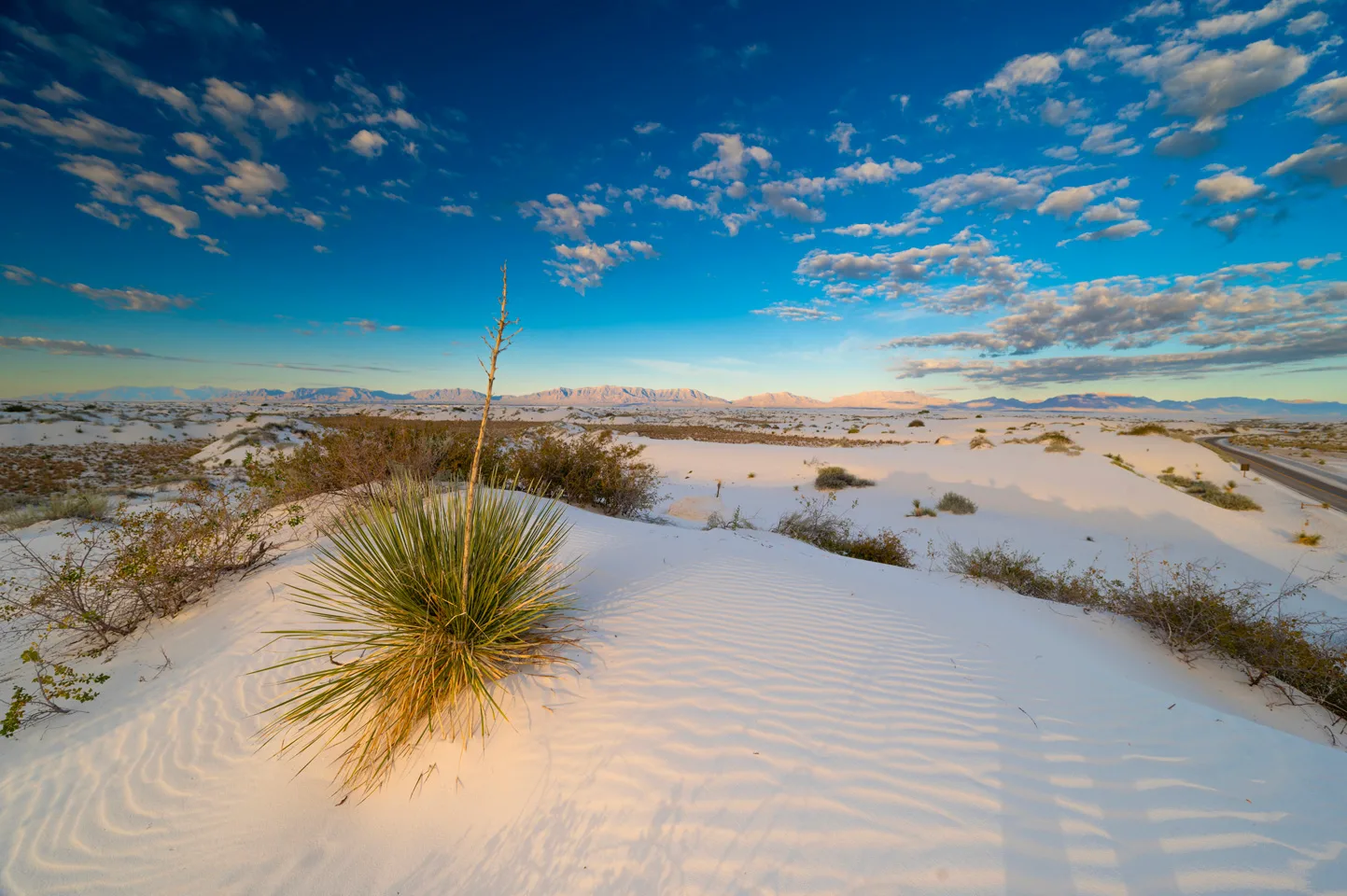
This is one of the only national parks inside an active missile range, so closures are real and worth planning around. The 275 square miles of white gypsum dunes in the Tularosa Basin look like snow but reflect nearly 100 percent of UV radiation back at you, making sun protection non-negotiable. Most visitors arrive unprepared for the heat, the navigation challenges, and the logistics of sledding on gypsum instead of snow.
Jump to: Missile range closures | Cost breakdown | Trails | Sledding | Best time | Photography | Accessibility | FAQ
Key takeaways
- Entrance fee is $25 per private vehicle, valid for 7 consecutive days, or $15 per person for walkers and cyclists (confirm the latest price directly with the operator).
- Sand sleds cost $20.99 to buy at the visitor center gift shop, with wax at $2.99 for faster runs (check current rates on the official site).
- Alkali Flat Trail is the park’s most strenuous hike at 5 miles round-trip with a a 3 to 4 hourcompletion time (verify trail conditions with park rangers).
- Best visiting months are October through April for daytime temperatures of 65 to 85°F (confirm seasonal weather patterns with the National Weather Service).
- Missile testing can close Dunes Drive and Highway 70 for up to 3 hours, so check the closure schedule 24 hours before arrival (verify testing times on the White Sands Missile Range website).
- Bring at least 1 gallon of water per person per day, as there is no water available beyond the visitor center (confirm water availability with park staff).
- Sunrise and sunset are the only times for quality photography, as midday sun flattens the dunes and creates harsh glare (check golden hour times with photography apps).
- The Interdune Boardwalk is the only fully accessible trail, with a 0.4-mile paved boardwalk suitable for wheelchairs (verify accessibility features on the official NPS site).
Why does White Sands close for missile testing?
White Sands National Park is completely surrounded by the White Sands Missile Range and Holloman Air Force Base, making it the only national park inside an active military testing zone. When missile tests occur, Dunes Drive (the only road into the dunefield) and U.S. Highway 70 between Alamogordo and Las Cruces can close for up to three hours for visitor safety (verify closure procedures on the official NPS site).

Park staff usually receives notification of scheduled tests well in advance, but notifications from the missile range may come as little as 24 hours before a test (confirm notification timelines with the White Sands Missile Range). During closures, the visitor center and gift shop remain open, and visitors can view museum exhibits and watch the 17-minute orientation film while waiting for Dunes Drive to reopen (verify visitor center hours during closures on the official site).
Maya’s honest take: “I’ve sat at the Highway 70 checkpoint for two hours waiting for a test to finish. Call the missile range at (575) 678-1178 the day before your trip, and check the NPS closure page. If you’re on a tight schedule, this one call can save your entire day.”
How to check for closures
- Visit the NPS park closures page for upcoming missile test schedules (verify current closure information on the official site).
- Call White Sands Missile Range at (575) 678-1178 for Highway 70 closure updates (confirm phone number with the missile range).
- Check the park’s current conditions page on the day of your visit for real-time updates (verify road status with park rangers).
What to do during a closure
- Explore the visitor center museum exhibits on the park’s geology and wildlife (verify exhibit hours with visitor center staff).
- Watch the 17-minute orientation film for context on the gypsum dunefield formation (check film screening times at the visitor center).
- Browse the gift shop for sleds, wax, and souvenirs while waiting for Dunes Drive to reopen (confirm gift shop hours during closures).
What does it cost to visit White Sands National Park?
Most guides mention the $25 entrance fee and stop there, but a realistic budget includes sledding gear, wax, annual passes if you’re visiting multiple parks, and potential lodging in Alamogordo or Las Cruces. Here is a transparent, itemized breakdown based on current pricing from the National Park Service and local operators (verify all figures with official sources before your trip).
@katieandjoeonthego How much did we spend to visit White Sands National Park in New Mexico? Are you interested in epic road trips to all 63 US National Parks? You might want to hit that follow button to stick around because this is about to get exciting. ⛽ Gas: $63.51 🍲 Food: $37.60 ✉️ Everything Else: $101.46 🏕️ Accommodations: $0.00 💰 Total: $267.15 A big chunk of the “Everything Else” bucket came from the sled rental and not one but two stops at the gift shop. #WhiteSands #WhiteSandsNationalMonument #WhiteSandsNationalPark #NewMexicoTrue #DailyVlog #VanLife
Entrance fees (valid 7 days)
- Private vehicle: $25 (confirm the latest price directly with the operator).
- Motorcycle: $20 (verify current fee on the official NPS site).
- Per person (walkers, cyclists): $15 (check current rates on the official site).
- Commercial van (7 to 15 seats): $50 (confirm commercial tour pricing with park staff).
- White Sands Annual Pass: $45 (verify annual pass benefits on the official site).
Sledding gear costs
- Plastic saucer sled (purchase): $20.99 at visitor center gift shop (confirm the latest price directly with the operator).
- Sled wax: $2.99 per block (check current rates on the official site).
- Used sled buyback credit: $5.00 gift shop credit when returning your sled (verify buyback policy with gift shop staff).
- Alternative: Buy sleds at Walmart or Pistachio Land for $18 (check local store prices before your trip).
Annual pass options
- White Sands Annual Pass: $45, unlimited entry for one year (verify pass validity on the official NPS site).
- America the Beautiful Annual Pass: $80, entry to all national parks and federal recreation lands (confirm pass coverage on Recreation.gov).
- Senior Annual Pass: $20 for U.S. citizens 62+ (verify eligibility requirements with park staff).
- Military Annual Pass: Free for current U.S. military and dependents (check military pass requirements with the NPS).
Maya’s honest take: “Buy your sled at the visitor center even if it costs a few dollars more than Walmart. The park’s saucers are thicker plastic and handle the abrasive gypsum better. And definitely get the wax. Without it, you will stick to the sand and wonder why everyone else is flying past you.”
A realistic day-trip budget for a family of four in a private vehicle: $25 entrance + $84 for four sleds + $12 for wax + $40 for water and snacks = $161 total, not including gas or lodging (confirm all current prices with operators before your trip). Overnight visitors should budget $100 to $200 per night for hotels in Alamogordo, which is 15 miles from the park entrance (check current hotel rates on Booking.com).
Which White Sands trails should you hike?
There are five marked trails at White Sands, all leaving from the 8-mile Dunes Drive loop, and each one serves a completely different purpose. The trail markers are colored posts driven into the sand, and because wind constantly reshapes the dunes, there are no permanent dirt paths. You must follow the posts, and from each post you should be able to see the next one (verify trail marker systems with park rangers).
Hiking one mile on soft gypsum takes the same energy as hiking two miles on hard-packed forest trails, so pace yourself accordingly. All trails have zero shade and no water sources beyond the visitor center, so bring at least 1 gallon of water per person per day (confirm water recommendations with the NPS). The Alkali Flat Trail is the marquee hike for serious visitors, but it is strenuous and requires careful navigation using red diamond markers (verify trail difficulty with park staff).
Maya’s honest take: “Start with the Interdune Boardwalk to understand the ecosystem, then do the Dune Life Nature Trail for wildlife context. Save Alkali Flat for when you’re acclimated to the sand. I’ve seen fit hikers underestimate how exhausting five miles in deep sand can be.”
Easy trails for families
- Interdune Boardwalk: 0.4 miles, 20 minutes, fully accessible boardwalk with interpretive signs (verify accessibility features on the official NPS site).
- Playa Trail: 0.5 miles, 30 minutes, short walk to seasonal playa that fills with water after rain (check playa conditions with visitor center).
Moderate trails for wildlife
- Dune Life Nature Trail: 1-mile loop, 1 hour, marked with blue posts, explains animals surviving in the dune fieldd (verify trail markers with park rangers).
- Backcountry Camping Trail: 2-mileloop, 1.5 hours, marked with orange posts, currently no camping but great for solitude (check camping status with the NPS).
Strenuous trail for experts
- Alkali Flat Trail: 5 miles round-trip, 3 to 4 hours, marked with red diamond posts, most strenuous hike in the park (confirm trail difficulty with park staff).
- No shade, no water, no toilets along the trail, so bring extra supplies (verify water recommendations with the NPS).
- Follow red posts carefully, as wind can erase footprints and obscure navigation (check navigation tips with ranger-led programs).
The Alkali Flat Trail skirts the edge of what is now the final remnant of ancient Lake Otero, where the white gypsum sands originated (verify geological history with ranger programs). Despite the name, this trail is not flat. You will hike up and down dunes the entire way, consistently climbing 60-foot dunes for 2.5 miles before returning the same route (confirm elevation changes with trail guides). Average completion time is 3 hours, but allow 4 hours if you plan to photograph the alkali flat itself (check photography recommendations with park staff).
How do you sled at White Sands National Park?
Sand sledding is the most popular activity at White Sands, but gypsum sand has far more friction than snow, so technique and gear matter enormously. You can purchase sleds at the White Sands Trading Post gift shop in the visitor center orbring your own hard plastic saucer from home (verify sled availability with the gift shop). Inflatable tubes and flimsy rectangular sleds dig into the sand and go nowhere, so invest in a proper saucer (check sled recommendations with park staff).
Wax is non-negotiable for speed. Apply a generous layer to the bottom of your sled before every run, and expect to reapply after three or four slides as the wax wears off (confirm wax application tips with gift shop staff). The gift shop sells wax for $2.99 per block, but you can also buy sandboard wax on Amazon before your trip for better results and lower cost (check wax options on outdoor gear sites).
Maya’s honest take: “The dunes near the parking lots are trampled and less steep. Drive deeper into Dunes Drive past mile 5 to find steeper faces with clean runs. Look for dunes that end in flat interdune areas, not ones that terminate at bushes or the road.”
Best sledding technique
- Lean back instead of sitting flat to reduce drag and increase speed (verify technique with experienced sledders).
- Wax the bottom of your sled before every run for maximum glide (confirm wax application with gift shop staff).
- Choose steep dune faces with flat runout areas at the bottom for safe stops (check sledding safety with park rangers).
- Avoid sledding during midday heat when sand is hottest and wax melts fastest (verify best sledding times with the visitoritor center).
Where to buy sleds
- White Sands visitor center gift shop: $20.99 for new saucers, $5 buyback credit (confirm current prices with the gift shop).
- Walmart in Alamogordo: approximately $18 for similar saucers (check local store inventory before your trip).
- Pistachio Land (30 minutes from park): sells sleds for around $18 (verify Pistachio Land hours and prices).
- Amazon: search for sand sledding saucers and wax before your trip (check product reviews for durability).
The Roadrunner Picnic Area, located around mile 6 on Dunes Drive, is the most popular sledding spot with ample parking and large dune faces (verify picnic area locations with park maps). Late afternoon is the best time for sledding, as the sand is cooler and the wax adheres better in lower temperatures (confirm optimal sledding times with visitor center staff). Bring extra water and sunscreen, as the combination of physical activity and reflected UV radiation leads to rapid dehydration (check sun safety recommendations with the NPS).
When is the best time to visit White Sands?
White Sands is open 364 days per year (closed Christmas Day), but seasonal temperature swings are extreme, ranging from summer highs above 110°F to winter nights below freezing. October through April provides the most comfortable daytime temperatures of 65 to 85°F, making this the ideal window for hiking and extended outdoor activities (verify seasonal weather patterns with the National Weather Service).
@satori_off_leash Don’t Visit White Sands Without This. Planning a trip? Here’s the best time to visit, plus the one activity you absolutely can’t skip—sledding the dunes! 🏜️✨ @White Sands National Park @TikTok GO 🇺🇸 #whitesands #newmexico #traveltips #traveltiktok #traveltok
Summer (June through August) brings average daytime temperatures of 95°F, with some days reaching 110°F, making strenuous hiking dangerous without early morning starts (confirm summer temperature averages with the NPS). The rainy season begins in early July and lasts through late September, bringing afternoon thunderstorms and the majority of the park’s annual 10 inches of precipitation (verify rainfall patterns with weather services). Spring (March through May) offers mild temperatures but brings high winds up to 50 mph, creating whiteout conditions during dust storms (check wind advisories with local weather forecasts).
Maya’s honest take: “Fall is the sweet spot. Late September through November gives you spring-like temperatures without the brutal winds. Winter is surprisingly beautiful with occasional snow on the dunes, but nights drop to 23°F, so pack accordingly if you’re camping or shooting sunrise.”
Best seasons by activity
- Hiking: October to April for comfortable temperatures and minimal wind (verify trail conditions with park rangers).
- Photography: September to November and March to May for dramatic skies and manageable heat (check golden hour times with photography apps).
- Sledding: Late afternoon year-round, but October to April for cooler sand and better wax performance (confirm sledding conditions with visitor center).
- Full moon hikes: Check the NPS schedule for ranger-led full moon events, typically offered monthly (verify full moon hike dates with the park).
Seasonal temperature ranges
- Summer (June to August): 95 to 110°F daytime, 50 to 65°F evenings (confirm temperature averages with the NPS).
- Fall (September to November): 80°F daytime, 40°F evenings (verify seasonal forecasts with weather services).
- Winter (December to February): 60°F daytime, 23°F evenings, occasional snow (check winter weather advisories).
- Spring (March to May): 75°F daytime, 40°F evenings, high winds up to 50 mph (verify wind advisories with local forecasts).
Park hours vary seasonally, with earlier openings in summer (often 7 a.m.) and later openings in winter (confirm current hours on the NPS website). The park is closed on Thanksgiving and Christmas Day andmay unexpectedly close during winter due to unsafe road conditions or extreme weather (verify closure policies with the visitor center). Always check the current conditions page on the day of your visit for real-time updates on weather, road status, and missile testing closures (check the NPS current conditions page before departure).
How do you photograph White Sands National Park?
Midday sun flattens the dunes into a white sheet with no texture, making the hour after sunrise and the hour before sunset the only viable windows for quality photography. During golden hour, the low sun angle casts long shadows across dune ripples, creating the three-dimensional texture that makes White Sands photographs compelling (verify golden hour timing with photography apps).
Position yourself with the sun behind you in the morning to illuminate dune textures, or photograph toward the east at sunrise for dramatic backlighting (confirm photography techniques with professional guides). A tripod is essential for stability in low light, especially if you’re experimenting with long exposures or star photography during full moon nights (check tripod recommendations with photography forums). Temperatures can drop very quickly once the sun sets, so bring warm layers even in summer when nighttime temperatures fall 30 to 60 degrees (verify temperature drops with weather forecasts).
Maya’s honest take: “If you only have one window, choose sunset over sunrise. The park stays open later in most seasons, giving you flexibility to wait out a bad sky. And bring a polarizing filter to cut the glare off the gypsum. Without it, your photos will look washed out no matter what time you shoot.”
Camera settings for dunes
- Aperture: f/8 to f/11 for sharpness across the dune field (verify settings with photography guides).
- ISO: 100 to 400 in golden hour, higher for star photography (check ISO recommendations for night shooting).
- Shutter speed: 1/125 or faster for handheld, tripod for slower speeds (confirm shutter speed with photography tutorials).
- White balance: Daylight or cloudy preset to preserve warm tones (verify white balance settings with camera manuals).
Best photography locations
- Mile 5 to 6 on Dunes Drive for large dune faces with clean lines (verify locations with park maps).
- Alkali Flat at the end of the 5-mile trail for expansive views (check trail accessibility with rangers).
- Roadside pullouts between miles 2 and 4 for accessible compositions (confirm pullout safety with park staff).
- Full moon nights for surreal, high-contrast moonlit dunes (verify full moon hike schedules with the NPS).
Backcountry camping is currently suspended, but when available, it allows photographers to shoot star trails and Milky Way images without leaving the dunefield (confirm camping status with the NPS). Commercial photography requires a permit, so contact the park office in advance if you’re shooting for clients or publications (verify permit requirements with the park administration). Protect your gear from fine gypsum dust with sealed bags and lens caps, as the abrasive crystals can damage camera sensors and moving parts (check gear protection tips with photography forums).
Is White Sands National Park accessible?
The Interdune Boardwalk is the only fully accessible trail at White Sands, featuring a 0.4-mile paved boardwalk with interpretive signs suitable for wheelchairs and visitors with mobility limitations (verify accessibility features on the official NPS site). The boardwalk begins at the first major pullout on Dunes Drive, approximately 1 mile from the visitor center, and provides a representative experience of the dune fieldd without requiring navigation of soft sand (confirm boardwalk location with park maps).
The visitor center is fully accessible with ramps, accessible restrooms, and assistive listening devices for the orientation film (verify visitor center accessibility with park staff). Service animals are permitted throughout the park, including on trails and in the visitor center, but must remain on leash at all times (confirm service animal policies with the NPS). All other trails beyond the Interdune Boardwalk traverse soft gypsum sand and are not suitable for wheelchairs or visitors with significant mobility restrictions (check trail surfaces with park rangers).
Maya’s honest take: “The boardwalk is genuinely worthwhile even for able-bodied visitors. It explains the ecosystem clearly and gives you a feel for the dunes before committing to deeper hikes. For visitors with mobility challenges, it’s the only way to experience the dunefield safely.”
Accessible facilities
- Visitor center with ramps, accessible restrooms, and assistive listening (verify accessibility features with park staff).
- Interdune Boardwalk: 0.4-mile paved surface suitable for wheelchairs (confirm boardwalk condition with visitor center).
- Accessible parking spaces at the visitoritor center and major pullouts (check parking availability with park maps).
- Service animals are are permitted on all trails and facilities with a leashsh requirement (verify service animal policies with the NPS).
Limitations to know
- All trails beyond the boardwalk traverse soft sand unsuitable for wheelchairs (verify trail surfaces with park rangers).
- No beach wheelchairs or sand-accessible mobility equipment available for loan (confirm equipment availability with visitor center).
- Picnic areas have some accessible tables but limited shade structures (check picnic area accessibility with park maps).
- Dunes Drive pullouts vary in surface conditions, with some having soft sand approaches (verify pullout conditions with park staff).
For visitors with visual impairments, the orientation film includes audio description, and ranger-led programs can be arranged with advance notice (confirm program availability with the visitor center). The park’s website offers large-print and screen-reader-compatible versions of key planning documents (verify website accessibility features on the NPS site). Contact the park accessibility coordinator at least 48 hours before your visit to discuss specific needs and arrange any available accommodations (check accessibility contact information with the NPS).
Frequently asked questions
How much does it cost to enter White Sands National Park?
Entrance fees are $25 per private vehicle, $20 per motorcycle, or $15 per person for walkers and cyclists, all valid for 7 consecutive days (confirm the latest price directly with the operator). The White Sands Annual Pass costs $45 for unlimited entry for one year (verify annual pass details on the official NPS site).
What is the best time of year to visit White Sands?
October through April offers the most comfortable daytime temperatures of 65 to 85°F for hiking and outdoor activities (verify seasonal weather patterns with the National Weather Service). Summer temperatures frequently exceed 95°F and can reach 110°F, making strenuous activity dangerous without early morning starts (confirm summer temperature averages with the NPS).
Can you sled at White Sands National Park?
Yes, sand sledding is the most popular activity at White Sands, with plastic saucer sleds available for $20.99 at the visitor center gift shop (confirm the latest price directly with the operator). Wax costs $2.99 and is essential for speed, as gypsum sand has more friction than snow (check current rates on the official site).
Why does White Sands close for missile testing?
White Sands National Park is surrounded by the White Sands Missile Range, and Dunes Drive plus Highway 70 can close for up to 3 hours during missile tests for visitor safety (verify closure procedures on the official NPS site). Check the park closures page or call (575) 678-1178 for Highway 70 updates before your trip (confirm contact information with the missile range).
How long do you need to visit White Sands National Park?
A minimum of half a day allows you to drive the 8-mile Dunes Drive, hike one trail, and spend time sledding (verify recommended visit duration with park rangers). Full-day visits permit multiple hikes, extended sledding sessions, and sunset photography for a complete experience (check suggested itineraries with visitor center staff).
Is White Sands National Park dog-friendly?
Yes, pets are allowed on all trails and in the dunefield as long as they are on a leash no longer than 6 feet and you pack out all waste (verify pet policies on the official NPS site). Bring extra water for your dog, as there is no water available beyond the visitor center and the gypsum sand can irritate paws (confirm pet safety recommendations with park staff).
What trail should first-time visitors hike at White Sands?
Start with the Interdune Boardwalk (0.4 miles, easy) to understand the ecosystem, then progress to the Dune Life Nature Trail (1 mile, moderate) for wildlife context (verify trail recommendations with park rangers). Save the Alkali Flat Trail (5 miles, strenuous) for when you’re acclimated to hiking in deep sand (confirm trail difficulty with visitor center staff).
Can you camp at White Sands National Park?
Backcountry camping is currently suspended, so no overnight camping is allowed in the dunefield at this time (verify camping status on the official NPS site). The nearest campgrounds are in Alamogordo (15 miles away) and Las Cruces (50 miles away), with both cities offering hotels and RV parks (check lodging options on Booking.com).
Plan your trip: booking platforms we trust
I’ve tested these platforms across dozens of trips for reliability, customer support, and real inventory. They’re not all right for every situation, but each one solves a specific problem better than the alternatives.
Booking.com
Widest selection of hotels in Alamogordo and Las Cruces with free cancellation on most properties.
Expedia
Flight and hotel packages for trips to El Paso or Albuquerque, the nearest major airports.
Kayak
Best for comparing flight fares to El Paso (ELP) and Albuquerque (ABQ) across multiple airlines.
TripAdvisor
Real traveler reviews for restaurants in Alamogordo, Las Cruces, and park-area attractions.
GetYourGuide
Guided tours and activities in southern New Mexico, including White Sands area experiences.
Hotels.com
Loyalty rewards program for repeat travelers booking accommodations in southern New Mexico.
More U.S. national park travel guides
If you’re planning a broader Southwest road trip or need more destination-specific advice, these guides cover the next steps in your itinerary.
- Best things to do in U.S. national parks—comprehensive across the Southwest and beyond.
- Hotels near national parks—budgety accommodation guides with verified prices.
- Travel planning guides—tineraries, packing lists, and logistics for Southwest road trips.
- How to find cheap flights to the Southwest—fareison strategies and booking timing tips.
WakaAbuja does its best to keep all information accurate at the time of publishing. Prices, policies, and availability change regularly. Always verify with official sources before you travel. We are not liable for errors caused by outdated information. Travel insurance is strongly recommended.