advertisement
Vancouver Trip Planner: 3–7 Day Itineraries, Costs & Best Time to Go
Fact-Checked By Maya Whitfield, Senior Travel Editor at WakaAbuja
A trip to Vancouver works best with 3 to 7 days. Three days covers the downtown core, Stanley Park, and Granville Island. Seven days adds day trips to Whistler or Victoria. Budget travelers should plan on $150–$200 CAD per day, while mid-range comfort runs $250–$400 CAD daily. The best months to visit are May, June, and September, when the weather is mild and the summer crowds have not peaked.
I have landed at Vancouver International Airport more times than I can count, usually on a gray morning with the mountains hiding behind clouds. And every single time, by the time I am on the SkyTrain heading downtown, I remember why this city keeps pulling me back. This guide is not a tourism board pitch. It is the plan I would give a friend who has one week, a real budget, and no patience for clicking through six pages to find the answer.
Here is how many days you need, what it will cost, when to go, and the exact itinerary I would follow.
Jump to: Best Time to Visit | Cost Breakdown | Sample Itineraries | Getting There and Around | Where to Stay | Mistakes to Avoid | FAQ
Key takeaways
- Plan for at least 3 full days in Vancouver. Five to 7 days is better if you want day trips to Whistler, Victoria, or the North Shore mountains.
- Expect to spend $150–$200 CAD per day as a budget traveler, $250–$400 CAD for mid-range comfort, and $500+ CAD for luxury. These figures include lodging, food, and activities.
- The best months to visit are May, June, and September. July and August have the warmest weather but the biggest crowds and highest hotel prices.
- You do not need a rental car in Vancouver. The SkyTrain, buses, and SeaBus cover the city well, and parking downtown is expensive and frustrating.
- Stay downtown near a SkyTrain station for your first visit. Yaletown, the West End, and Gastown are all walkable and well connected.
- Skip Capilano Suspension Bridge if you are on a budget. Lynn Canyon Suspension Bridge is free and gives you the same rainforest experience.
- Vancouver is safe, but the Downtown Eastside has visible homelessness and open drug use. It is not dangerous to walk through, but some visitors find it confronting. Have a plan for how you will respond.
When Is the Best Time to Visit Vancouver?
The best time to visit Vancouver is May, June, or September. These months give you the mildest weather, fewer crowds than peak summer, and hotel prices that do not make you wince. July and August are the warmest and driest, but they are also the busiest, and rooms in downtown can double compared to shoulder season.
Vancouver gets a lot of rain from November through March. That does not mean you should not come in winter. It means you should bring a waterproof jacket and plan indoor backups. I have spent rainy February days in Vancouver eating ramen on Robson Street and walking through the covered stalls at Granville Island, and it was still a good trip. But if this is your first visit and you want the postcard version, book between May and September.
Spring, March to May
Cool mornings, blooming cherry blossoms in April, and fewer tourists. May is the sweet spot. Bring layers. Rain is still possible, but the city turns green and the mountains are still snow-capped.
Summer, June to August
Warm, dry, and crowded. June is your best bet for summer weather without August-level hotel prices. July and August bring cruise ship passengers and festival crowds. Book lodging at least 6 weeks ahead.
Fall and Winter, September to February
September is gorgeous and quieter. October starts the rainy season. November through February is dark and wet, but hotel prices drop sharply. Come for food, museums, and mountain snow sports, not beach weather.
How Much Does a Trip to Vancouver Actually Cost?
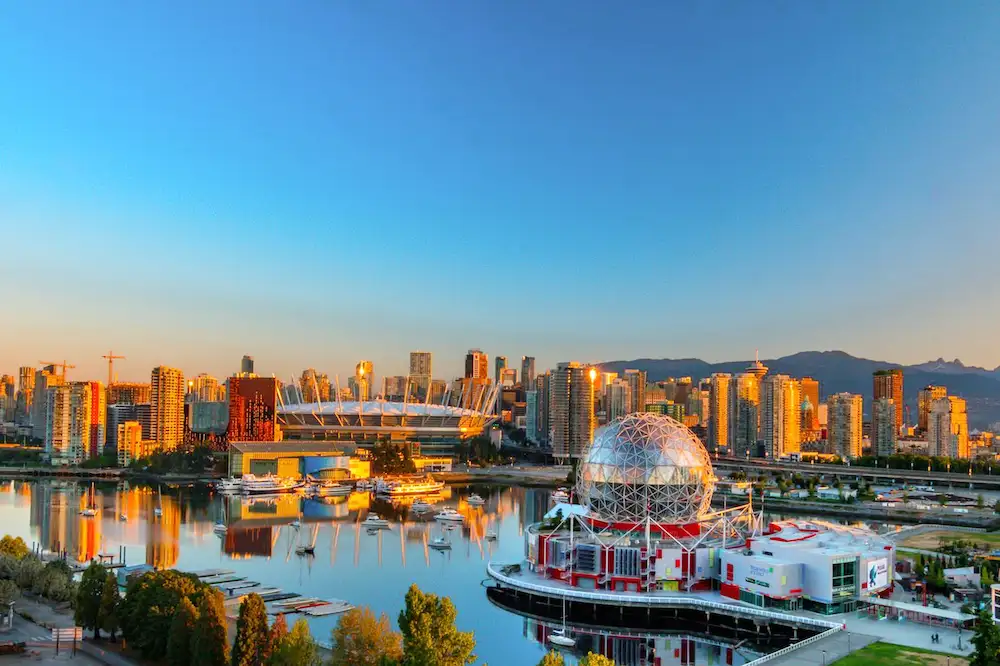
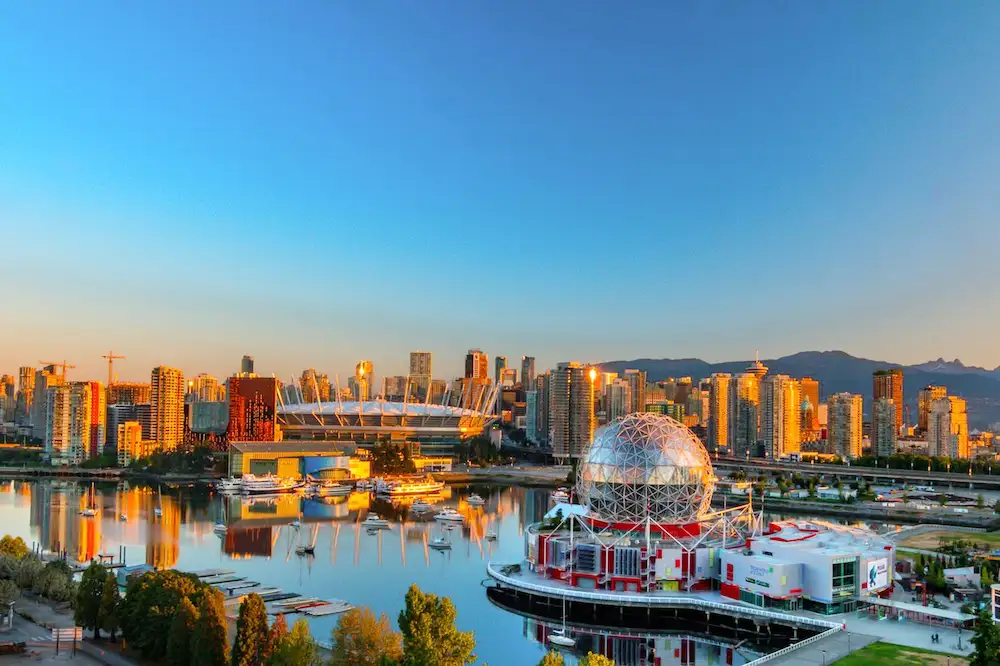
Vancouver is one of the most expensive cities in Canada, but you can still visit without draining your savings. The biggest costs are lodging and food. Activities, especially outdoor ones, are often free or cheap. Here is a realistic daily budget based on my last three trips, updated for this year.
Budget: $150–$200 CAD per day
- Hostel or budget hotel: $60–$100
- Grocery meals and street food: $30–$50
- Public transit day pass: $11
- Free activities: Stanley Park, Lynn Canyon, Granville Island
Mid-range: $250–$400 CAD per day
- 3-star hotel or private rental: $150–$250
- Restaurant meals: $60–$100
- One paid activity per day: $20–$60
- Occasional taxi or ride-share: $20–$40
Luxury: $500+ CAD per day
- 4-star or 5-star hotel: $300–$600
- Fine dining: $150+
- Private tours and car service: $100+
- Spa or premium experiences: $100+
Flights are extra. A round-trip flight from the US West Coast to Vancouver typically runs $200–$400 USD, while East Coast flights run $400–$700 USD. International flights vary widely by origin. I use Kayak to compare flight prices before I book anything else.
Sample Vancouver Itineraries: 3 Days and 7 Days
These itineraries assume you are staying downtown and using public transit. I have walked these routes myself, and I have timed them so you are not sprinting between neighborhoods. Adjust based on weather and energy.
3-Day Vancouver Itinerary
Day 1: Downtown and Stanley Park. Start with coffee and a pastry in Gastown, walk along Water Street to the steam clock, then head to Canada Place for the harbor view. Spend the afternoon on the Stanley Park seawall. Walk or rent a bike and do the full 9-kilometer loop, stopping at the totem poles and Third Beach. Dinner in the West End on Denman Street.
Day 2: Granville Island and Yaletown. Take the False Creek ferry to Granville Island. Wander the public market, watch the street performers, and eat lunch from the food stalls. Walk along the seawall to Yaletown in the afternoon, then take the SkyTrain to Commercial Drive for dinner and drinks in a neighborhood that feels more local than touristy.
Day 3: North Shore or Richmond. If you want nature, take the SeaBus to Lonsdale Quay and the bus to Lynn Canyon Suspension Bridge. It is free and just as atmospheric as Capilano. If you want food, take the Canada Line to Richmond and spend the day eating dumplings and noodles at the Richmond Night Market in summer or along Alexandra Road year-round.
7-Day Vancouver Itinerary
Follow the 3-day plan above, then add these four days.
Day 4: Whistler day trip. Take the Skylynx or Epic Rides shuttle from downtown to Whistler Village, about 2 hours each way. Walk the village, ride the Peak 2 Peak Gondola if you want the big view, and have lunch at a pub. You do not need a car for this.
Day 5: Victoria day trip. Take the SkyTrain to Bridgeport Station, then the bus to Tsawwassen Ferry Terminal. The ferry to Swartz Bay takes 90 minutes, and the bus to downtown Victoria takes another 50. It is a long day, but the ferry ride through the Gulf Islands is worth it. If the weather is bad, swap this for the Museum of Anthropology at UBC.
Day 6: Kitsilano and Point Grey. Walk the Kitsilano seawall, browse the shops on West 4th Avenue, and spend the afternoon at Wreck Beach if you are up for a steep stair descent to a clothing-optional shore. Catch the sunset from Spanish Banks.
Day 7: Deep Cove or Steveston. Deep Cove, in North Vancouver, has kayak rentals and the short but steep Quarry Rock hike. Steveston, in Richmond, is a fishing village with a strong Japanese Canadian history and excellent fish and chips. Pick one based on your energy level.
Getting There and Getting Around Vancouver
Vancouver International Airport sits about 25 minutes from downtown by SkyTrain. The Canada Line runs from the airport to Waterfront Station every few minutes, and a one-way fare costs around $9 to $10 CAD from the airport zone. Taxis and ride-shares run $35 to $45 CAD and take about the same time in traffic. I always take the SkyTrain. It is faster than a car at rush hour and cheaper by a wide margin.
You do not need a rental car in Vancouver. The public transit system, run by TransLink, covers the city with buses, the SkyTrain, and the SeaBus ferry to North Vancouver. A day pass costs about $11 CAD and gives you unlimited travel across all zones. Parking downtown runs $20 to $40 CAD per day, and driving in the city is slow and stressful. Save the car rental for a separate road trip, not for city days.
For booking flights and hotel packages together, I have used Expedia, and it works fine for Vancouver. For hotel-only bookings with flexible cancellation, Booking.com is my default.
Where to Stay in Vancouver by Neighborhood
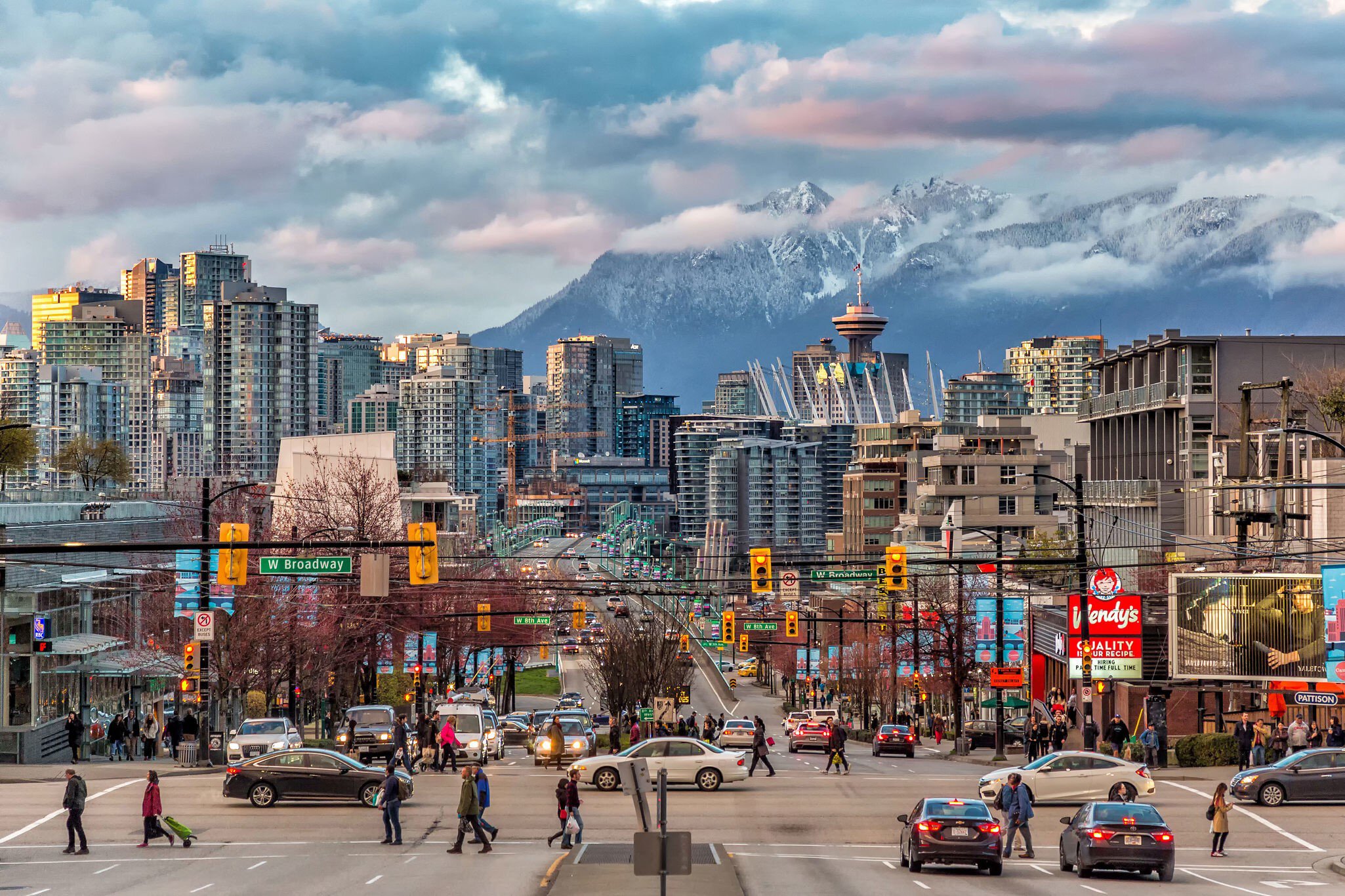
For a first visit, stay downtown near a SkyTrain station. The neighborhoods below are all walkable and safe, but they have different personalities. Choose based on what you want outside your door.
Yaletown
Converted warehouses, good restaurants, and a seawall steps away. Quieter than Gastown but still central. Good for couples and first-timers who want a polished base.
West End
Residential, leafy, and close to Stanley Park and English Bay. More affordable than Yaletown. Great for families and anyone who wants to walk to the beach.
Gastown
Historic, hip, and full of bars and restaurants. Noisy at night in parts. Best for nightlife and quick access to the waterfront. Avoid staying directly on Hastings Street east of Cambie.
For a family villa or apartment with a kitchen, Vrbo has solid options in the West End and Kitsilano. For hotel loyalty rewards, Hotels.com is a reliable choice for Vancouver stays.
Mistakes First-Time Visitors Make in Vancouver
I have made some of these mistakes myself. Here is how to avoid them.
1. Paying for Capilano when Lynn Canyon is free
The Capilano Suspension Bridge costs around $60–$70 CAD per adult. Lynn Canyon Suspension Bridge is free, less crowded, and in a similar coastal rainforest setting. If you are on a budget or short on time, Lynn Canyon is the obvious choice.
2. Renting a car for downtown days
Parking is expensive, traffic is slow, and the transit system is genuinely good. The only reason to rent a car is if you are driving to Whistler or doing a longer road trip beyond the city.
3. Underestimating the rain
Vancouver rain is light but persistent. A waterproof jacket with a hood beats an umbrella, especially on the seawall where the wind makes umbrellas useless. I brought a cheap umbrella on my first trip and threw it away by day two.
4. Booking a hotel without checking the address
Some hotels listed as “downtown Vancouver” are actually on the edge of the Downtown Eastside. That area has a high concentration of homelessness and open drug use. It is not inherently unsafe, but it can be distressing if you are not prepared. Check the exact address and street view before booking.
5. Trying to do too much in one day
Vancouver is spread out, and the mountains and water make direct routes impossible. Pick two or three things per day, and leave room for a long lunch or an unplanned walk. The city rewards slow travel.
6. Ignoring the food
Vancouver has some of the best Asian food in North America. If you eat burgers and chain restaurants for a week, you missed the point. Richmond dumplings, Commercial Drive pho, and Victoria Drive sushi are all worth the transit ride.
Frequently Asked Questions
How many days do I need for a trip to Vancouver?
Plan for at least 3 full days to cover the city core. Five to 7 days is better if you want to add day trips to Whistler, Victoria, or the North Shore mountains without rushing.
Is Vancouver expensive to visit?
Vancouver is one of the more expensive Canadian cities, but a budget traveler can manage on $150–$200 CAD per day by staying in hostels or budget hotels, eating at grocery stores and food stalls, and using public transit. Mid-range comfort runs $250–$400 CAD daily.
Do I need a car in Vancouver?
No. The SkyTrain, buses, and SeaBus cover the city well, and a day pass costs about $11 CAD. Parking downtown is expensive and stressful. Rent a car only if you are driving to Whistler or beyond.
What is the best neighborhood to stay in Vancouver?
For first-time visitors, Yaletown, the West End, or Gastown are the best choices. Yaletown is polished and central, the West End is leafy and close to Stanley Park, and Gastown is historic with great nightlife. Avoid staying directly on Hastings Street east of Cambie.
Is Vancouver safe for tourists?
Vancouver is generally safe for tourists. The main area of concern is the Downtown Eastside, which has visible homelessness and open drug use. It is not typically dangerous to walk through, but some visitors find it distressing. Stay aware of your surroundings and avoid confrontations.
Do I need a passport to visit Vancouver from the US?
Yes, US citizens need a valid passport or an enhanced driver’s license to enter Canada by air or land. International visitors should check Canada’s entry requirements for their country before booking. Always confirm current rules on the official Government of Canada website.
What is the best month to visit Vancouver?
May, June, and September are the best months. You get mild weather, fewer crowds than July and August, and hotel prices are lower than peak summer. July and August are warmer and drier but much busier.
Is Vancouver worth visiting in winter?
Yes, if you like rain, food, and mountain sports. Winter is wet and dark, but hotel prices drop, restaurants are easier to book, and the nearby ski mountains have good snow. Bring a waterproof jacket and plan indoor alternatives.
Plan your trip: booking platforms we trust
For a Vancouver trip, I book in this order: flight first, then hotel, then activities. Here are the platforms I actually use, not just the ones that pay for placement.
Best for comparing flight prices into Vancouver.
Good for hotels with flexible cancellation in downtown Vancouver.
Useful for bundling flight, hotel, and rental car.
Good for booking the Whistler shuttle and other day trips.
Useful for restaurant reviews and recent visitor feedback.