
advertisement
Trip to Tokyo: The Complete First-Timer’s Planning Guide
Fact-Checked By Maya Whitfield, Senior Travel Editor at WakaAbuja
A first trip to Tokyo needs at least 4 to 5 full days to cover the major districts without rushing. Budget between $120 and $300 per person per day depending on your travel style, not including international flights. Most visitors do not need a visa for short tourist stays, and getting from either airport into the city is straightforward by train or bus. This guide gives you the real numbers, a sample itinerary, and the answers first-timers usually have to piece together from a dozen different websites.
I planned my first trip to Tokyo with a spreadsheet, three browser tabs, and a growing sense of panic. The official tourism site was a maze of links to hundreds of neighborhood pages, none of which answered the basic question: what do I actually do first? This guide is the page I wish I had found.
It covers how many days you need, what it really costs, whether you need a visa, how to get from the airport, and the one train-pass decision that confuses almost everyone. No fluff, just the planning details that matter.
Jump to: How Many Days You Need | Best Time to Visit | Real Cost Breakdown | Visa Requirements | Airport to City | JR Pass vs. IC Card | Where to Stay | 5-Day Itinerary | FAQ
Key takeaways
- Plan for at least 4 to 5 full days in Tokyo on a first trip. Less than that feels rushed, and more gives you room for a day trip.
- A realistic daily budget is $120 to $300 per person, excluding flights. Budget travelers can do less; luxury travelers, much more.
- Citizens of the US, Canada, the UK, Australia, and most EU countries do not need a visa for tourist stays up to 90 days.
- Haneda Airport is closer to central Tokyo than Narita. Both have reliable train and bus connections, but Haneda saves you about 30 to 45 minutes.
- For most first-time visitors, an IC card like Suica or Pasmo is more useful than a JR Pass. The JR Pass only pays off if you are also taking long-distance bullet trains.
- The best time to visit is March to May or October to November, when the weather is mild and the crowds are manageable.
- Cash is still used in Tokyo, but credit cards and IC cards work almost everywhere in the city now. Carry about 10,000 yen as backup.
How Many Days Do You Need in Tokyo?
Four to five full days is the right amount for a first trip to Tokyo. That gives you time to see the major districts, Shibuya, Shinjuku, Asakusa, and one or two others, without spending every minute in transit. With three days you can hit the highlights, but you will feel rushed. With five days you can add a slower neighborhood like Ueno or a half-day trip to a garden or shrine outside the core.
I spent six days on my first trip and still did not see everything. But I also did not feel like I had wasted time. The key is to cluster activities by area. Tokyo is not a city where you want to cross town six times in one day. The train system is excellent, but the sheer size of the city means a ride from one side to the other can take 40 minutes or more.
If you are combining Tokyo with Kyoto or Osaka, five days in Tokyo is enough. If Tokyo is your entire trip, seven days lets you add a day trip to Kamakura, Nikko, or Hakone without pressure.
Best Time to Visit Tokyo
The best months to visit Tokyo are March through May and October through November. Spring brings cherry blossoms and mild temperatures, while autumn brings clear skies and fall foliage. Both seasons are popular for good reason, and both will cost more for flights and hotels. Summer is hot, humid, and rainy, while winter is cold but often sunny and less crowded.
Spring, March to May
Cherry blossom season peaks in late March or early April. Temperatures are comfortable, but hotels and flights are at their most expensive. Book months ahead if you want the blossoms.
Autumn, October to November
Fall is my favorite season in Tokyo. The weather is dry and pleasant, the foliage peaks in November, and the crowds are manageable compared to spring.
Summer and Winter
Summer, June through August, is hot, humid, and sometimes rainy. Winter, December through February, is cold but often clear. Both seasons have lower hotel prices and smaller crowds.
For comparing flight prices across seasons, I use Kayak. It is the fastest way to see how much more expensive spring and fall actually are compared to winter or summer.
How Much Does a Trip to Tokyo Cost?
A realistic daily budget for Tokyo falls between $120 and $300 per person, not including international flights. Budget travelers can manage under $100 per day with hostel beds, convenience store meals, and careful transit use. Mid-range travelers should plan $150 to $250 per day for a decent hotel, normal restaurant meals, and a few paid attractions. Luxury travelers can easily spend $400 or more per day. Here is a rough breakdown by category.
Lodging
Hostel bed: $20 to $40 per night. Business hotel: $70 to $120. Mid-range hotel: $120 to $200. Luxury hotel: $250 and up. Hotel prices in Tokyo swing hard depending on season and location.
Food and Drink
Convenience store breakfast: $5 to $8. Ramen or set lunch: $8 to $15. Mid-range dinner: $20 to $40. High-end sushi or kaiseki: $100 and up. Tokyo has excellent food at every price point.
Transit and Activities
Daily metro and train use: $5 to $10. Museum or temple entry: $5 to $15. TeamLab or observation deck: $20 to $30. Most of Tokyo’s best neighborhoods cost nothing to walk around.
For hotel booking in Tokyo, I use Booking.com because the map view helps me pick a place near a major station. For flight and hotel packages, Expedia is my usual starting point.
Do You Need a Visa for a Trip to Tokyo?
Citizens of the United States, Canada, the United Kingdom, Australia, New Zealand, and most European Union countries do not need a visa for tourist stays in Japan of up to 90 days. You will be issued a temporary visitor stamp on arrival. The rules can change, so check the official Japanese Ministry of Foreign Affairs website before you book flights. I always do a final check about two weeks before departure, because visa waiver programs shift without much notice.
If you are a citizen of a country not covered by a visa waiver, you will need to apply for a tourist visa through a Japanese embassy or consulate before you travel. This process can take several weeks, so start early. Entry requirements are enforced at the airport, and being turned away at the gate is not a lesson you want to learn the expensive way.
Getting From the Airport to the City: Narita vs. Haneda
Tokyo has two major airports. Haneda Airport is much closer to central Tokyo, about 30 minutes by train to Shinagawa or Shibuya. Narita Airport is farther out, and the fastest train into the city takes 45 to 60 minutes. If you have a choice, fly into Haneda. I made the mistake of flying into Narita on my first trip because the flight was cheaper, and the extra hour each way plus the more expensive train ticket ate into that savings.
From Narita
The Narita Express, or N’EX, runs direct to Shinjuku, Tokyo Station, and other major hubs in about 55 to 90 minutes. The Keisei Skyliner is another fast option to Ueno and Nippori. Buses are cheaper but slower and can be affected by traffic.
From Haneda
The Tokyo Monorail connects to Hamamatsucho Station, and the Keikyu Line runs to Shinagawa. Both take about 30 to 40 minutes to reach central Tokyo. Taxis are available but expensive, often $60 to $100 depending on your destination.
JR Pass vs. IC Card: Which Do You Actually Need?
Most first-time visitors to Tokyo do not need a JR Pass. The JR Pass is a nationwide rail pass that only pays off if you are taking multiple long-distance bullet train trips between cities like Tokyo, Kyoto, and Osaka. If your trip is only in Tokyo, a simple IC card is the right choice.
An IC card, either Suica or Pasmo, is a rechargeable transit card that works on almost every train, subway, and bus in Tokyo. You tap it at the gates, and it deducts the fare automatically. You can also use it at convenience stores, vending machines, and many restaurants. I loaded 5,000 yen onto a Suica card on my first day and used it for everything from the metro to a bottle of tea at 7-Eleven.
Maya’s honest take: “Unless you are taking the bullet train to Kyoto and back, skip the JR Pass. The IC card is cheaper, simpler, and works everywhere in Tokyo. I wasted money on a pass my first trip and regretted it.”
Where to Stay in Tokyo for First-Timers
For a first trip, stay near a major station on the Yamanote Line, the loop line that circles central Tokyo. Shinjuku is the most convenient base because it has direct airport connections, endless food options, and easy access to every other district. Shibuya is trendier and more nightlife-focused. Tokyo Station or Ginza is better if you want a quieter, more polished feel and easy bullet-train access.
I stayed in Shinjuku on my first trip, and it worked perfectly. The station is overwhelming at first, but once you learn the exits, you can go anywhere. If I were going back with a family, I would stay near Tokyo Station or Ginza. If I were going back solo and wanted nightlife, Shibuya would be my pick.
For hotel options in these areas, Hotels.com is useful if you collect loyalty rewards, and Booking.com has the best map-based search for station-adjacent stays.
A Sample 5-Day Tokyo Itinerary for First-Timers
This is the itinerary I would give a friend on their first trip. It clusters activities by area so you are not crisscrossing the city. Adjust the pace to your own energy level. Tokyo rewards slow wandering as much as checklist sightseeing.
Day 1: Shinjuku and Shibuya
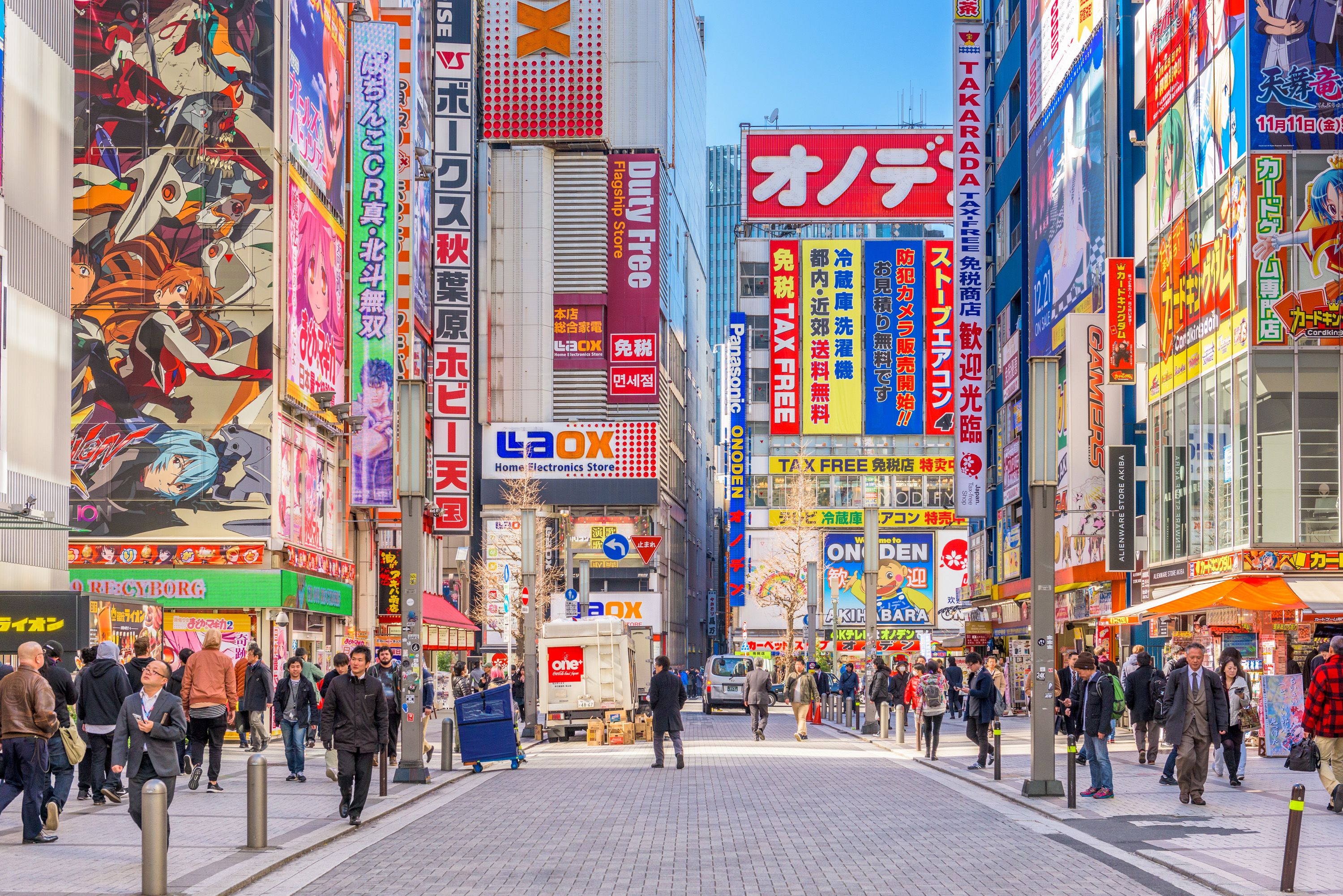
Start in Shinjuku Gyoen, a massive park that feels far from the chaos outside. Then walk through Shinjuku’s east side, grab ramen for lunch, and head to Shibuya in the afternoon. See the scramble crossing, explore the backstreets, and finish with dinner and drinks in Nonbei Yokocho.
Day 2: Asakusa and Ueno
Go early to Sensoji Temple in Asakusa before the crowds arrive. Walk through Nakamise-dori, then head to Ueno Park for museums and street food. If you have energy, walk from Ueno to Yanaka, an old neighborhood that feels like a different Tokyo.
Day 3: Harajuku, Omotesando, and Roppongi
Start at Meiji Shrine before it gets busy. Walk down Takeshita Street in Harajuku, then the upscale shops of Omotesando. In the evening, go up Tokyo Tower or Roppongi Hills for a night view of the city.
Day 4: Tsukiji, Ginza, and Odaiba
Visit the Tsukiji Outer Market for breakfast sushi. Walk through Ginza for the architecture and department stores. Take the train or ferry to Odaiba in the afternoon for the waterfront and teamLab Borderless if you book tickets ahead.
Day 5: Day Trip or Slow Neighborhood Day
Use this day for a day trip to Kamakura or Nikko, or stay in the city and explore a neighborhood you have not seen, like Koenji, Shimokitazawa, or Nakameguro. The point is to leave room for the unexpected. Tokyo always has something you did not plan for.
Frequently Asked Questions
Is Tokyo expensive to visit?
Tokyo can be expensive, but it does not have to be. Budget travelers can get by on $80 to $100 per day with hostel lodging and convenience store or cheap restaurant meals. Mid-range travelers should plan $150 to $250 per day. The biggest variable is your hotel choice and how much you spend on food and drinks.
Do I need to speak Japanese in Tokyo?
No, you can get by in Tokyo with English, especially in tourist areas, hotels, and major stations. Restaurant menus often have photos, and many places have English menus. Learning a few phrases like “arigatou” and “sumimasen” helps, but you will not be stranded without Japanese.
Is Tokyo safe for tourists?
Yes, Tokyo is one of the safest large cities in the world. Violent crime against tourists is rare. The main risks are petty theft in crowded areas and getting lost in the larger stations. Keep your wallet in a front pocket and allow extra time for navigating Shinjuku or Tokyo Station.
Do I need cash in Tokyo or can I use a credit card?
Credit cards are widely accepted in Tokyo now, especially at hotels, department stores, and chain restaurants. But smaller shops, temples, and some ramen places are cash-only. Carry about 10,000 yen as backup and withdraw more from convenience store ATMs as needed.
Is tipping expected in Tokyo?
No, tipping is not part of Japanese culture and can even be seen as rude in some situations. Service is included in the price. If you leave money on a table, someone may chase you down to return it. Just pay the bill as presented.
What is the best way to get around Tokyo?
The train and subway system is the best way to get around. An IC card like Suica or Pasmo works on almost all lines. Google Maps and Japan Transit Planner both give accurate route directions. Taxis are convenient but expensive for longer trips.
When should I book my trip to Tokyo?
Book flights 2 to 4 months in advance for the best balance of price and availability. If you are traveling during cherry blossom season in late March or early April, book 4 to 6 months ahead. Hotels in popular neighborhoods like Shinjuku and Shibuya also fill up fast during peak seasons.
Final Tips Before You Go
Book these three things first: your flight, your first two nights of hotel, and any timed-entry tickets like teamLab or the Ghibli Museum. Everything else can wait. Get an IC card on arrival, not before, and load it with enough for your first full day of transit. Download an offline map or keep a portable Wi-Fi device, because you will use your phone constantly for directions and translation.
Do not over-schedule. Tokyo is best when you leave gaps in your day for wandering. Some of my best meals and most memorable moments came from turning down a random side street with no plan. The city is dense enough that every block has something worth seeing.
Plan your trip: booking platforms we trust
For a Tokyo trip, the booking order I recommend is flight first, then hotel, then activities. Here are the platforms I use for each step, based on what actually works for Tokyo specifically.
Best for comparing flights to Narita and Haneda.
Good for hotels with map view near major stations.
Useful for flight and hotel packages to Tokyo.
Good for booking tours and activities like food walks.
Useful for restaurant reviews and recent visitor photos.