
advertisement
Trip to Sydney, Australia: A Complete Planning Guide (Days, Costs & Itinerary)
Fact-Checked By Maya Whitfield, Senior Travel Editor at WakaAbuja
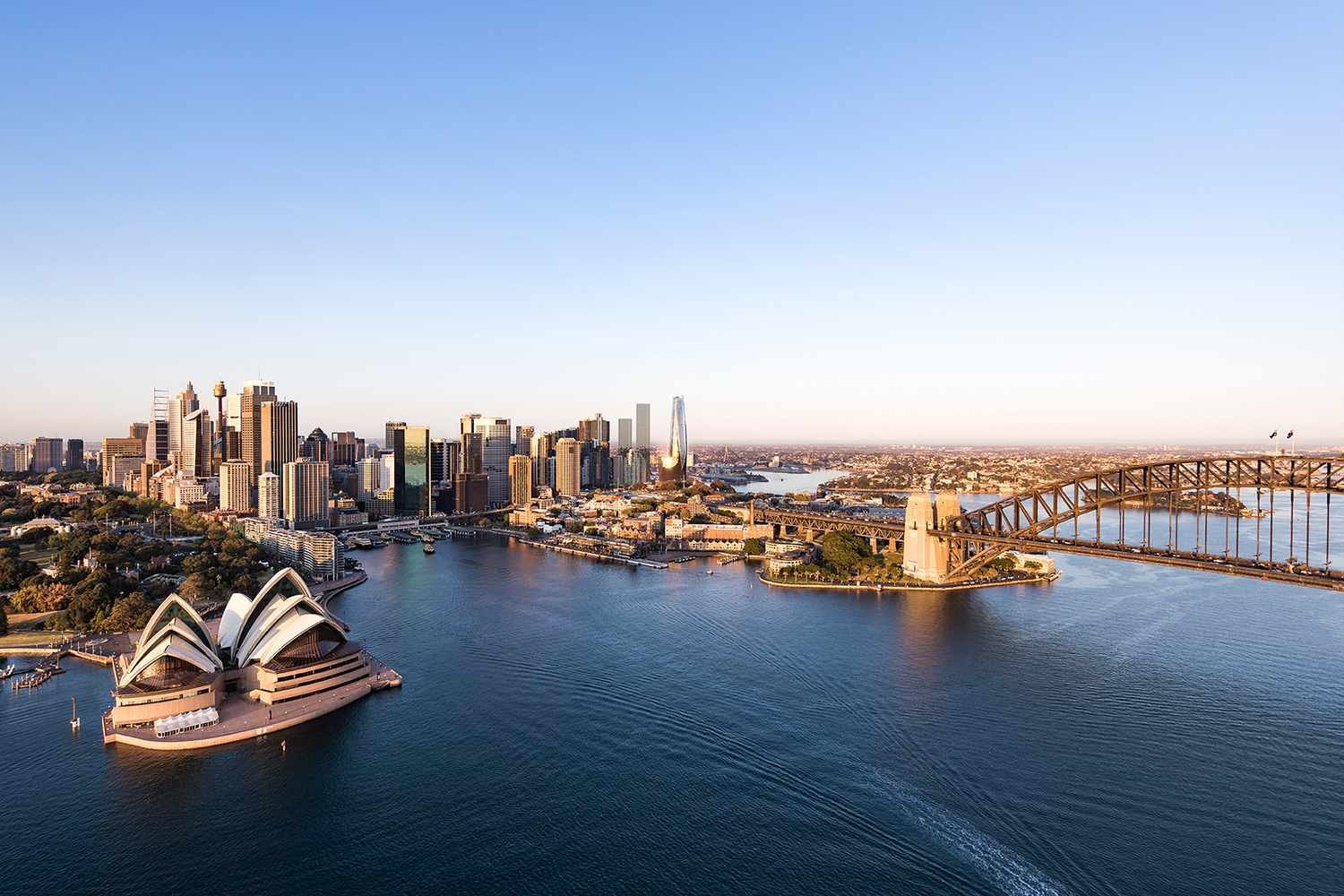
Most first-time visitors need 5 full days in Sydney to see the harbor, beaches, and main neighborhoods without rushing. A mid-range trip costs about 250 to 400 Australian dollars per person per day, not including flights. The best months to visit are March, April, October, and November, when the weather is warm but not hot and the crowds are smaller than summer. Stay near Circular Quay or in Surry Hills for the easiest access to everything.
I have planned Sydney trips for solo travelers, couples, and families, and the questions are always the same. How many days? What does it actually cost? Where should I stay? What do I book first? The official tourism site gives you a hundred links but no plan. This guide gives you the plan: a realistic day count, a real budget, a sample itinerary, and the mistakes that cost first-timers time and money.
Jump to: How Many Days You Need | Best Time to Visit | What It Costs | Where to Stay | 5-Day Itinerary | Getting Around | Mistakes to Avoid | FAQ
Key takeaways
- Five full days is the ideal length for a first trip to Sydney. Three days works for a quick visit, and seven lets you add a day trip.
- A realistic daily budget is 150 to 200 AUD for budget travelers, 250 to 350 AUD for mid-range, and 500+ AUD for luxury.
- The best months to visit are March, April, October, and November. December and January are hot, crowded, and expensive.
- The best areas to stay for first-timers are Circular Quay, The Rocks, or Surry Hills. Bondi is great for beach lovers but adds commute time.
- You need an Opal card or contactless payment for public transport. The ferry from Circular Quay to Manly is one of the best cheap experiences in the city.
- Book the Sydney Opera House and any fine-dining restaurant at least 4 to 6 weeks ahead, especially in summer.
- Do not rent a car for central Sydney. Parking is expensive, and the train and ferry network covers everything you need.
How Many Days Do You Need in Sydney?
Five full days is the sweet spot for a first trip. That gives you two days for the harbor and city sights, one day for the beaches, one day for neighborhoods and food, and one flexible day for weather or rest. Anything less than three days feels rushed. Sydney is a city that rewards slow mornings and long lunches, not a checklist sprint.
3 Days: A Quick Visit
Three days is enough for the Opera House, the Harbor Bridge, one beach, and a ferry ride. You will miss the neighborhoods and the day trips, but you will get the postcard from Sydney. This works for a long weekend or a stopover on a bigger Australia trip.
5 Days: The Ideal First-Timer Length
Five days lets you do the icons, spend a full day at Bondi or Manly, explore Surry Hills and Newtown, and still have time for a long lunch and a harbor walk. This is the length I recommend to almost everyone. The sample itinerary below is built for five days.
7 or More Days: With Day Trips
Seven days gives you room for one or two day trips. The Blue Mountains are the obvious choice, about two hours west by train. The Hunter Valley wine region and the Royal National Park are also easy day trips. If you have a week, add one of these and keep the rest of the time for the city itself.
Best Time to Visit Sydney
:max_bytes(150000):strip_icc()/sydney-australia-SYDNEYTG0621-2dcacc38417541f689e293d397da9eaf.jpg "Trip to Sydney, Australia: A Complete Planning Guide (Days, Costs & Itinerary) 1")
The best months for a Sydney trip are March, April, October, and November. The weather is warm but not scorching, the crowds are smaller than peak summer, and hotel prices drop from their December and January highs. Sydney’s seasons are the reverse of the northern hemisphere, so remember that when you are planning from the US, Canada, or Europe.
Summer: December to February
Hot, humid, and busy. Temperatures often hit 30 degrees Celsius or higher. This is peak tourist season, so hotels and flights are at their most expensive. The beaches are great, but the city feels crowded.
Autumn: March to May
The best time to visit. Temperatures cool to the low 20s, the humidity drops, and the crowds thin out. Hotel prices fall from summer peaks. This is my favorite season in Sydney.
Winter and Spring: June to November
Winter is mild by global standards, with daytime temperatures around 15 to 18 degrees Celsius. Spring warms up through September and October, with jacaranda trees blooming in October and November. This is shoulder season, so prices are lower and the city feels local.
For current weather data and historical averages, the Australian Bureau of Meteorology is the source I use. It is the official national weather service and has detailed climate data for Sydney.
What a Trip to Sydney Actually Costs
Sydney is one of the most expensive cities in Australia, but you can manage the cost if you know where the money goes. A mid-range traveler should budget 250 to 350 Australian dollars per day, not including flights. Here is the breakdown by travel style.
Budget: 150 to 200 AUD per day
- Hostel or budget hotel: 50 to 80 AUD
- Food: 40 to 50 AUD for casual meals and groceries
- Transport: 15 to 20 AUD on an Opal card
- Activities: 30 to 50 AUD for one paid attraction or a ferry trip
Mid-range: 250 to 350 AUD per day
- Hotel: 150 to 200 AUD for a well-located 3 or 4-star
- Food: 80 to 100 AUD for one nice dinner plus casual meals
- Transport: 20 to 30 AUD including occasional taxi
- Activities: 50 to 80 AUD for tours and attractions
Luxury: 500-plus AUD per day
- Hotel: 300-plus AUD for a 5-star or harbor-view room
- Food: 150-plus AUD for fine dining and wine
- Transport: 50-plus AUD for private transfers and taxis
- Activities: 100-plus AUD for private tours and premium experiences
A realistic 5-day, mid-range trip for two people, not including international flights, is around 2,500 to 3,500 AUD. For booking hotels in Sydney, I use Booking.com because the selection is broad and the reviews are current. For bundling flights and hotels, Expedia often has package deals that beat booking separately.
Where to Stay in Sydney: Neighborhood Comparison
Where you stay shapes your whole trip. Sydney is spread out, and the commute between neighborhoods eats time. Here is the comparison I give first-timers.
Circular Quay and The Rocks
Best for: First-timers who want to be in the middle of everything. Walking distance to the Opera House and Harbour Bridge. Expensive, but you save time and transport costs. The Rocks has the oldest streets in Sydney and great weekend markets.
Surry Hills
Best for: Food-focused travelers. This is my personal favorite area to stay. Great restaurants, cafes, and bars within walking distance. Easy train access to Circular Quay and the beaches. More local feel than the tourist center.
Bondi and the Eastern Beaches
Best for: Beach lovers and surfers. Beautiful setting, but a 30 to 40 minute bus or train ride to the city center. Great if you want to swim every morning, less convenient if you are doing the tourist sights.
Newtown and the Inner West
Best for: Budget travelers and those who want a more alternative, local scene. Cheaper accommodation, great street food, and a lively nightlife. Further from the harbor but well connected by train.
For family stays or longer trips where you want more space, Vrbo has apartments and houses in areas like Surry Hills and Paddington that can be cheaper than two hotel rooms.
A Realistic 5-Day Sydney Itinerary
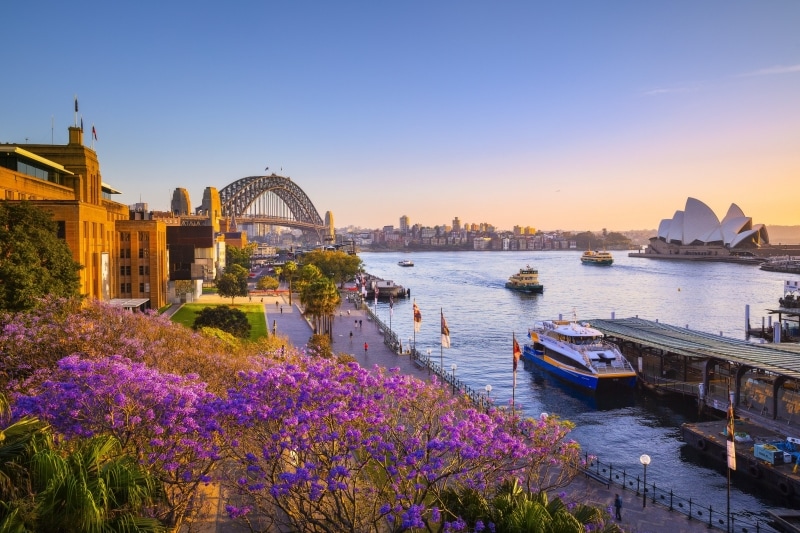
This is the itinerary I give to friends who have never been to Sydney and have five full days. It is not a minute-by-minute schedule. It is a sequence that makes geographic sense and leaves room for long lunches and unplanned walks.
Day 1: The Harbor Icons
Start at Circular Quay. Walk to the Sydney Opera House and around the harbor to the Royal Botanic Garden. In the afternoon, walk across the Harbour Bridge or do the BridgeClimb if that is your thing. End the day with a ferry to Manly and dinner by the water. This day is all about the postcard Sydney.
Day 2: The Beaches
Take the coastal walk from Bondi to Coogee. It is about 6 kilometers and takes 2 to 3 hours with stops. Swim at Bondi or Bronte, then have lunch in Bondi. In the afternoon, head back to the city and explore The Rocks, especially if it is a weekend when the markets are open.
Day 3: Neighborhoods and Food
Spend the morning in Surry Hills for coffee and breakfast, then walk to Paddington and its terrace houses. In the afternoon, explore Newtown and its street art and vintage shops. This is the day to eat well and avoid the tourist crowds.
Day 4: Culture and Views
Visit the Art Gallery of New South Wales or the Australian Museum in the morning. In the afternoon, take the ferry to Taronga Zoo or head to the top of the Sydney Tower Eye for views. Book any timed entries in advance.
Day 5: Flexible Day
Use this day for whatever you missed. A day trip to the Blue Mountains, a harbor cruise, a long lunch, or just revisiting your favorite beach. This flexibility is why five days beats three.
For guided tours and experiences in Sydney, I use GetYourGuide because the reviews are current and the cancellation policies are clear. For restaurant recommendations, TripAdvisor is still the most reliable cross-check.
Getting Around Sydney
Sydney has an excellent public transport system, and you do not need a car. The train network covers the city and suburbs, the light rail connects the center, and the ferries are both transport and sightseeing. You need an Opal card or a contactless credit card to tap on and off. The daily fare cap is around 17 AUD, which means you will never pay more than that in a single day no matter how much you ride.
The ferry from Circular Quay to Manly is one of the best value experiences in Sydney. It costs a standard Opal fare and gives you a harbor view that rivals any paid cruise. I have taken it at sunset and it is genuinely one of the best things you can do for under 10 AUD.
From Sydney Airport, the train is the fastest option. It takes about 15 minutes to the city center and costs around 17 to 20 AUD. A taxi or ride-share costs 45 to 60 AUD. The train is cheaper and usually faster during peak hours. For comparing flight prices to Sydney, I start with Kayak because it searches all the major airlines and lets me set fare alerts.
Mistakes First-Time Visitors Make in Sydney
I have made some of these mistakes myself, and I have watched friends make the rest. Here is what to avoid.
- Trying to see everything in three days. You will spend all your time on trains and none of it actually experiencing the city. Cut the list and enjoy what you do.
- Underestimating distances. Sydney is spread out. Bondi to the city center is 30 to 40 minutes by public transport. Plan your days by area, not by hopping back and forth.
- Not checking the weather before the beach. Sydney’s weather can change fast, and the beaches are not always sunny. Check the Bureau of Meteorology forecast before you commit to a beach day.
- Booking the Opera House late. Tickets for popular performances and tours sell out weeks ahead, especially in summer. Book early.
- Renting a car for central Sydney. Parking is expensive and hard to find. The train and ferry system covers everything a first-timer needs.
- Forgetting sunscreen. The Australian sun is intense, even on cloudy days. The UV index is high year-round. Wear sunscreen every day, not just at the beach.
- Eating only in tourist areas. The best food in Sydney is in Surry Hills, Newtown, and Paddington, not around Circular Quay. Walk a few blocks from the harbor for better meals at better prices.
Frequently Asked Questions
How much does a trip to Sydney cost for one week?
A one-week trip to Sydney for one person costs roughly 1,750 to 2,450 AUD for a mid-range traveler, not including flights. Budget travelers can do it for about 1,050 to 1,400 AUD, and luxury travelers should budget 3,500 AUD or more. This includes hotels, food, transport, and activities.
What is the best month to visit Sydney?
March and October are the best months overall. The weather is warm but not hot, the crowds are smaller than summer, and hotel prices are lower than December and January. April and November are also good choices. Avoid the peak summer months of December and January if you dislike heat and crowds.
Is Sydney expensive for tourists?
Yes, Sydney is one of the most expensive cities in Australia, but the cost is manageable with planning. A budget traveler can get by on 150 to 200 AUD per day, while mid-range travelers should plan for 250 to 350 AUD. The biggest costs are accommodation and dining, so choosing your hotel area and eating outside the tourist center helps.
Do I need a visa to visit Sydney, Australia?
Most international visitors need a visa or electronic travel authority to enter Australia. US, Canadian, and UK citizens need an ETA, an electronic visa that can be applied for online through the official Australian government website. It costs 20 AUD and is usually approved quickly. Check the official Department of Home Affairs site for current rules.
What is the best area to stay in Sydney for first-timers?
Circular Quay or The Rocks is the best area for first-timers who want to be within walking distance of the Opera House and the Harbor Bridge. Surry Hills is better for food-focused travelers and has a more local feel. Bondi is great for beach lovers but adds commute time to the city center.
Is Sydney safe for tourists?
Yes, Sydney is a safe city for tourists. Violent crime is rare, and the main issues are petty theft and scams, which are uncommon compared to other major cities. The city center and tourist areas are safe at night, though it is wise to stay aware on late-night trains. The emergency number in Australia is 000.
Can you do a day trip to the Blue Mountains from Sydney?
Yes, the Blue Mountains are an easy day trip from Sydney. The train from Central Station to Katoomba takes about 2 hours, and the main viewpoints are a short walk or bus ride from the station. Many visitors also book a guided tour, which includes transport from Sydney and visits to the main lookouts.
Do you need a car in Sydney?
No, you do not need a car for central Sydney. The train, light rail, bus, and ferry network covers everything a first-time visitor needs. Parking is expensive and traffic is heavy. A car is only useful if you plan to do extensive day trips outside the city, and even then, the train or a guided tour is often easier.
Plan your trip: booking platforms we trust
For a Sydney trip, the booking order I recommend is flight first, then hotel, then activities and dining. Here are the platforms I use for each step, based on what actually works for Sydney specifically.
Best for comparing flights to Sydney from anywhere.
The widest selection of Sydney hotels and apartments.
Good for Opera House tours, harbor cruises, and day trips.
Best for family apartments and longer stays.
Good for recent restaurant reviews and visitor photos.