

advertisement
Planning a Trip to Cape Town: Costs, Itinerary & What to Know Before You Go
Fact-Checked By Maya Whitfield, Senior Travel Editor at WakaAbuja
A trip to Cape Town needs at least 5 to 7 days to cover Table Mountain, the Cape Peninsula, the Winelands, and the city itself without rushing. Budget 1,200 to 2,500 South African Rand per person per day for a comfortable mid-range trip, including accommodation, food, and activities. The best time to visit is March to May or September to November. Most international visitors do not need a visa for stays under 90 days.
A trip to Cape Town is not one decision. It is a dozen smaller ones: when to go, how many days you actually need, which neighborhood to base yourself in, and what it is realistically going to cost. This guide answers all of them with real numbers, not just inspiration.
I have planned Cape Town trips for first-timers, honeymooners, and solo travelers, and the questions are always the same. Here is everything I wish I had known before my first visit.
Jump to: Quick Trip Snapshot | What It Costs | 7-Day Itinerary | Where to Stay | Entry Requirements | Safety | Practical Tips | FAQ
Key takeaways
- Plan for 5 to 7 full days in Cape Town. Anything less means cutting either the Winelands or the Cape Peninsula day trip.
- A realistic mid-range budget is 1,200 to 2,500 ZAR per person per day, covering accommodation, food, transit, and one or two activities.
- Stay in the City Bowl or V&A Waterfront for a first trip. Camps Bay is better for beach lovers but further from the main sights.
- Most visitors from the US, UK, EU, and Australia do not need a visa for stays under 90 days. Your passport must be valid for at least 30 days beyond your departure.
- Load shedding, or scheduled power cuts, is a real part of life in South Africa. Download the EskomSePush app and carry a power bank.
- Uber and Bolt are widely available and cheaper than renting a car for city-only trips. Rent a car for the Cape Peninsula and Winelands.
- Cape Town is generally safe in tourist areas, but do not walk alone at night in the city center, and keep your phone out of sight on the street.
Quick Trip Snapshot

Before you dive into the full planning details, here are the headline numbers. Cape Town sits at the southwestern tip of South Africa, where the Atlantic and Indian Oceans meet. The local currency is the South African Rand, and at the time of writing, one US dollar buys roughly 18 to 19 Rand. That conversion rate is why Cape Town feels affordable to many international visitors, especially when eating out and booking tours.
Days Needed
5 to 7 days for a first trip. Three days is too short. Ten days lets you add a Garden Route or safari extension.
Best Time
March to May and September to November. Mild weather, fewer crowds, and lower prices than summer.
Daily Budget
1,200 to 2,500 ZAR per person for mid-range. Budget travelers can do it for 700 to 1,000 ZAR per day.
How Much Does a Trip to Cape Town Cost?
The cost of a Cape Town trip depends almost entirely on where you stay and how you eat. A backpacker in a hostel dorm and a couple in a Camps Bay hotel are having two completely different vacations. Here is a realistic breakdown by travel style, using this year’s prices in South African Rand.
Budget: 700 to 1,000 ZAR per day
- Hostel dorm or budget guesthouse: 250 to 400 ZAR
- Food: 200 to 300 ZAR for markets and casual cafes
- Transit: 100 to 150 ZAR using Uber and minibus taxis
- Activities: 150 to 250 ZAR for free sights and one paid entry
Mid-range: 1,200 to 2,500 ZAR per day
- 3 or 4-star hotel or nice Airbnb: 800 to 1,500 ZAR
- Food: 400 to 600 ZAR for good restaurants and coffee
- Transit: 200 to 300 ZAR including a rental car share
- Activities: 400 to 800 ZAR for Table Mountain cableway and a wine tram
Luxury: 3,000-plus ZAR per day
- Boutique hotel or villa in Camps Bay: 2,000-plus ZAR
- Food: 1,000-plus ZAR for fine dining and wine pairings
- Transit: 400-plus ZAR for private drivers
- Activities: 1,000-plus ZAR for private tours and helicopter flights
For a 7-day, mid-range trip for one person, expect to spend around 8,400 to 17,500 ZAR total, not including international flights. Flights into Cape Town International Airport vary wildly by season, but a round-trip from London or New York typically runs 12,000 to 25,000 ZAR depending on how early you book.
For comparing flight prices into Cape Town, Kayak is my usual starting point because it searches all the major carriers and shows flexible date options. For bundling flight and hotel, Expedia often has package deals that beat booking separately.
When to Go: Best Time to Visit Cape Town
Cape Town has a Mediterranean climate, which means hot, dry summers and cool, wet winters. Summer runs from December to February, and that is when the city is busiest and most expensive. The shoulder seasons, March to May and September to November, are the sweet spot. The weather is still good, the crowds are thinner, and prices drop noticeably after the December holiday rush.
Winter, from June to August, is quiet and green. It rains often, and Table Mountain can be socked in for days, but the restaurants are empty and the prices are at their lowest. I have been in July and had three days of rain followed by a stunning clear morning that made the whole trip worth it. The key with winter is flexibility. Do not book non-refundable outdoor activities.
The Cape Winelands are beautiful year-round, but the vineyards are most photogenic in late summer, February and March, when the leaves are still green and the harvest is happening.
A Sample 7-Day Cape Town Itinerary
This is the itinerary I give to first-timers who have a full week. It assumes you are staying in or near the City Bowl and renting a car for days 3 through 6. It is not overstuffed. It leaves room for long lunches, beach walks, and the occasional unplanned stop, which is how Cape Town should be experienced.
Day 1: Arrive and Settle In
Land at Cape Town International, get an Uber or pick up your rental car, and check into your accommodation. Spend the afternoon walking the V&A Waterfront, which is touristy but a gentle introduction. Early dinner at the food market there, then an early night. You will need sleep for the week ahead.
Day 2: Table Mountain and the City Bowl

Book the first Table Mountain cableway ticket of the morning. The cable car rotates as it climbs, and the views from the top stretch from Robben Island to Cape Point. In the afternoon, explore the company’s garden, Greenmarket Square, and the Bo-Kaap neighborhood with its bright houses. Dinner on Bree Street.
Day 3: Cape Peninsula Day Trip
Drive south along the Atlantic seaboard through Hout Bay and Chapman’s Peak Drive, one of the most scenic roads in the world. Continue to Cape Point and the Cape of Good Hope, then back up the False Bay side through Simon’s Town, where you can stop to see the penguins at Boulders Beach. This is a full day. Leave early.
Day 4: Winelands Day Trip

Head to Stellenbosch, Franschhoek, or both. If you only have one day, Franschhoek is the more concentrated experience, with the wine tram connecting multiple estates. Do not drive after tasting. Book a driver or a guided tour if you plan to drink.
Day 5: Robben Island and the Waterfront
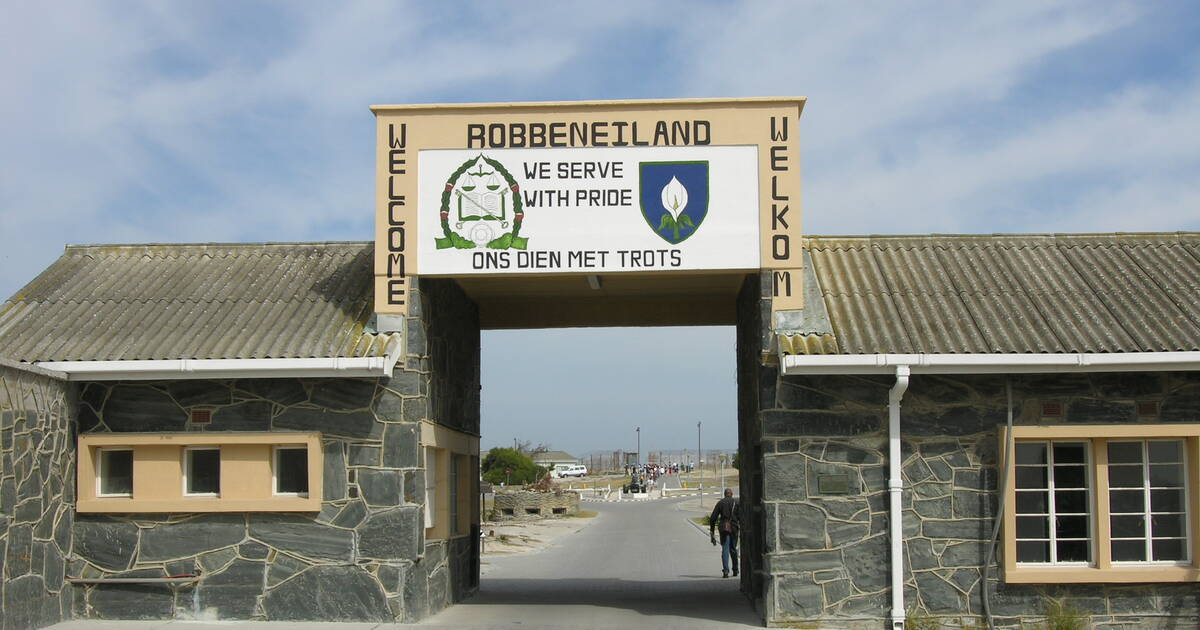
Take the ferry to Robben Island in the morning. Book this ahead, as tickets sell out. The tour is led by former political prisoners, and it is a sobering, essential part of understanding South Africa. Afternoon back at the waterfront or relaxing at your hotel.
Day 6: Beach Day and Sunset
Choose your beach based on weather. Camps Bay and Clifton are the classic choices, but Muizenberg is warmer on the False Bay side and has the colorful beach huts. Sunset from Signal Hill or Lion’s Head if you are feeling energetic. A sundowner drink at a rooftop bar is a fitting end to the week.
Day 7: Markets, Souvenirs, and Departure
Spend your last morning at the Neighbourgoods Market at the Old Biscuit Mill in Woodstock, if it is a Saturday, or at the Oranjezicht City Farm Market near the Waterfront. Buy your souvenirs, have one last good meal, and head to the airport.
For guided tours, wine tram tickets, and day trips, GetYourGuide has a solid selection of Cape Town experiences with clear cancellation policies. For restaurant and cafe recommendations, TripAdvisor is still the fastest way to see recent reviews from other travelers.
Where to Stay: Matching Neighborhood to Traveler Type
Cape Town is a city of distinct neighborhoods, and the right choice depends entirely on what you want from your trip. The City Bowl is the most central and convenient. Camps Bay is the beach option. The southern suburbs are quieter and greener. Here is how I match them to travelers.
First-Timers
City Bowl or V&A Waterfront. You are close to everything, walkable, and surrounded by restaurants and transport options. The Waterfront is more polished and family-friendly. The City Bowl is more local and walkable.
Beach Lovers
Camps Bay or Clifton. The most expensive real estate in the city, but you are steps from the beach and have the Twelve Apostles as your backdrop. Great for sunsets, less convenient for city sights.
Families and Longer Stays
Sea Point or Green Point. It’s safe and walkable, with a great promenade and park. More residential than the waterfront but still central. Good apartment options and easier parking.
Honeymooners and Couples
Franschhoek or Constantia. Stay in the Winelands for romance and wine estates, then day-trip into the city. More driving, but the setting is unforgettable.
Digital Nomads and Solo Travelers
Kloof Street or Gardens. The cafe and coworking hub of the city, with good internet, walkable streets, and a lively food scene. Still close enough to the action without the tourist markup.
For hotel bookings in Cape Town, Booking.com has the widest selection across all these neighborhoods. For longer stays or family apartments, Vrbo has good options in Sea Point and Green Point that beat hotel prices for groups.
Getting There and Entry Requirements
Cape Town International Airport is the main gateway, with direct flights from London, Amsterdam, Istanbul, Dubai, and several African hubs. If you are flying from the US, Canada, or Australia, expect at least one connection, usually through Johannesburg, Dubai, or Doha. The flight from Johannesburg to Cape Town is about 2 hours.
Most visitors from the US, UK, EU countries, Canada, Australia, and New Zealand do not need a visa for tourism stays up to 90 days. Your passport must be valid for at least 30 days beyond your planned departure from South Africa, and you should have at least two blank pages for entry and exit stamps. Rules can change, so check the official South African Department of Home Affairs website before you book.
If you are arriving from a country where yellow fever is present, you will need proof of vaccination. This catches some travelers off guard, especially those transiting through certain African or South American countries. The official World Health Organization list is the reference point, and the airline will check before boarding.
Getting Around Cape Town
For city-only trips, you do not need a rental car. Uber and Bolt are widely available, safe, and cheap by international standards. A ride from the City Bowl to Camps Bay costs around 80 to 120 ZAR. The MyCiTi bus system is also reliable and connects the Waterfront, City Bowl, and Atlantic Seaboard, but it does not reach everywhere.
Rent a car for the Cape Peninsula and Winelands days. The roads are good, signage is clear, and driving on the left side takes about an hour to get used to if you come from a right-hand-drive country. Book your rental car through a major agency at the airport, and make sure it has automatic transmission if you cannot drive manual, because many South African rentals are manual by default.
For comparing rental car prices, I use Expedia or the rental car search built into Kayak. Both pull from multiple agencies and show total prices including insurance, which matters because the base rate is never the full story.
Is Cape Town Safe? What to Actually Know
Cape Town is generally safe for tourists, but it is not a city where you can walk everywhere at any hour. The tourist areas, including the Waterfront, Camps Bay, Sea Point, and the Winelands, are well patrolled and busy. The risk rises when you are alone, at night, or in areas that empty out after dark.
Do not walk from the City Bowl to the Waterfront at night, even though it is close. Take an Uber or Bolt. Keep your phone out of sight on the street, and do not leave bags on the passenger seat of a rental car. Smash-and-grab theft from cars is the most common crime affecting tourists. Keep valuables in the trunk, not the back seat.
The Cape Flats, a large area southeast of the city, has significantly higher crime rates and is not a tourist destination. You are unlikely to end up there by accident, but if you are using a GPS, make sure it does not route you through the area at night. Stick to the main roads and the well-known neighborhoods, and you will be fine.
Maya’s honest take: “Cape Town is not dangerous if you stay aware. But it is not Copenhagen. The rules are simple: no flashy jewelry, no phone on the street, no walking alone after dark. Follow those and you will have a brilliant trip.”
Practical Things First-Timers Miss
Load shedding is scheduled power cuts that happen across South Africa when the grid is under strain. They are announced ahead of time and typically last 2 to 4 hours. Download the EskomSePush app, carry a power bank, and check whether your hotel has a generator. Most upscale places do, but budget guesthouses may not.
Tipping is expected in restaurants, usually 10 to 15 percent. Cash is still common, though cards are accepted almost everywhere. For mobile data, buying a local SIM card at the airport is easy and cheap. Vodacom and MTN both have tourist packages with generous data. Power outlets are Type M, the large three-pin plugs used across southern Africa, so bring an adapter.
The tap water in Cape Town is safe to drink, which saves you a fortune on bottled water. The city had a severe drought from 2017 to 2018, and locals still conserve water carefully. Take short showers and reuse towels. It is a small courtesy that means something here.
Top Things to Do in Cape Town
Cape Town is packed with experiences, but these are the ones I would prioritize for a first trip.
- Table Mountain cableway: Book ahead, go early, and check the weather first. The mountain closes when it is windy or clouded over.
- Cape Point and Chapman’s Peak Drive: The drive alone is worth the day. The views are unreal.
- Boulders Beach penguins: You pay a small conservation fee, but seeing African penguins on the beach is unforgettable.
- Franschhoek Wine Tram: Hop-on, hop-off between wine estates. Book the full-day ticket and pace yourself.
- Robben Island: Book at least a week ahead. The tour is led by former prisoners and is deeply moving.
- Bo-Kaap: The brightly painted houses and cobbled streets are free to wander, but remember that people live there. Be respectful.
@williamjwade I’m practically a local now *the steaks here 10/10 #ditl #capetown #southafrica #style
Frequently Asked Questions
How many days do I need for a trip to Cape Town?
Five to seven days is ideal for a first trip to Cape Town. Three days is too short to do the city, Table Mountain, and the Cape Peninsula. Seven days lets you add the Winelands and a beach day without rushing.
Is Cape Town expensive to visit?
Cape Town is moderately priced for international visitors. A mid-range budget of 1,200 to 2,500 ZAR per person per day covers a comfortable hotel, good meals, and activities. The favorable exchange rate makes it feel affordable compared to Europe or North America.
Do I need a visa for Cape Town?
Most visitors from the US, UK, EU, Canada, Australia, and New Zealand do not need a visa for tourism stays up to 90 days. Your passport must be valid for at least 30 days beyond your departure date. Always check the official South African Department of Home Affairs site before booking.
What is the best month to visit Cape Town?
March and April are the best months. The summer crowds have left, the weather is still warm and dry, and the Winelands are beautiful. September and October are also excellent, with spring flowers and fewer tourists.
Is it safe to rent a car in Cape Town?
Yes, renting a car is safe and practical for day trips to the Cape Peninsula and Winelands. Keep your valuables in the trunk, park in attended lots, and avoid leaving anything visible on the seats. Automatic transmission cars should be booked in advance.
What is load shedding, and will it affect my trip?
Load shedding is scheduled power cuts that occur across South Africa when electricity demand exceeds supply. They usually last 2 to 4 hours and are announced in advance. Download the EskomSePush app, carry a power bank, and check if your hotel has a generator.
Can you drink the tap water in Cape Town?
Yes, the tap water in Cape Town is safe to drink. The city has excellent water quality, and drinking from the tap saves money and reduces plastic waste. The drought years taught locals to value water, so use it thoughtfully.
Is Cape Town good for solo travelers?
Yes, Cape Town is a popular solo travel destination. The hostel scene is strong, the city is easy to navigate with Uber, and there are plenty of group tours and day trips where you can meet other travelers. Stick to well-known areas and use common sense at night.
Plan your trip: booking platforms we trust
For a Cape Town trip, the booking order I recommend is flight first, then hotel, then car rental and day trips. Here are the platforms I use for each step, based on what actually works for Cape Town specifically.
Best for comparing flight prices and finding rental car deals.
The widest selection of hotels across all Cape Town neighborhoods.
Good for wine tram tickets, Robben Island tours, and day trips.
Best for family apartments in Sea Point and Green Point.
Good for recent restaurant and cafe reviews.