advertisement
Lake Mead Travel Guide: Get the latest information on Lake Mead conditions, size, attractions, and things to do before planning your visit.
Fact-Checked By: Maya Whitfield, Senior Travel Editor at WakaAbuja
Lake Mead is the largest reservoir in the United States by capacity, located on the Colorado River about 24 miles southeast of Las Vegas. It sits at roughly 1,040 feet in elevation and around 28 percent of full capacity as of this year, though levels fluctuate monthly with snowmelt and releases from Hoover Dam (check the Bureau of Reclamation’s latest data for current figures). The Lake Mead National Recreation Area charges around $25 per vehicle for a 7-day pass (confirm the latest price directly with the National Park Service).
I have visited Lake Mead three times in the past five years, and each trip looked different. The bathtub ring, that pale white band on the canyon walls, has grown wider every time. But the lake is still enormous, still swimmable, still full of boats, and still one of the most striking landscapes within an hour of the Las Vegas Strip.
Jump to: Current conditions | How big is it | Where is it | Things to do | Cost to visit | One-day itinerary | Safety | FAQ
Key takeaways
- Lake Mead is the largest reservoir in the U.S. by capacity, holding up to 9.3 trillion gallons when full.
- The current water level sits around 1,040 feet in elevation and roughly 28 percent of capacity (check the Bureau of Reclamation for live figures).
- The lake is about 24 miles from the Las Vegas Strip, roughly a 35- to 45-minute drive.
- Entrance to Lake Mead National Recreation Area costs around $25 per vehicle for 7 days (confirm the latest price directly with the NPS).
- Boating on Lake Mead is the most popular activity, with multiple marinas, launch ramps, and rental options.
- Summer heat is dangerous. Plan hikes and water activities for early morning or late afternoon.
- The lake is shrinking but still vast. Low water levels have actually revealed new hiking areas and shipwrecks.
What are the current conditions at Lake Mead?
Lake Mead’s water level is the single most searched fact about the lake, and for good reason. The reservoir has been declining for decades due to drought and increased water demand across the Colorado River basin. As of this year, the lake sits at roughly 1,040 feet in elevation, which is about 28 percent of its total capacity (check the Bureau of Reclamation’s latest data for current figures).
For context, the lake was at 1,225 feet when it was last considered full in 1983. That is a drop of nearly 185 feet. The famous bathtub ring, the white mineral deposit on the canyon walls, marks where the water used to be. It is visible from almost every viewpoint and has become an unintentional tourist attraction in itself.
What does this mean for visitors? The lake is still enormous and fully usable for recreation. Marinas have adjusted their operations. Some launch ramps have closed or moved. But boating, swimming, fishing, and hiking are all still very much on the table. The low water level has even exposed new areas, including a B-29 bomber crash site and several ghost towns that were submerged when the lake was first filled.

Maya’s honest take: “The bathtub ring is not a small detail. It is a 185-foot visual reminder that this lake is in trouble. See it while it is still this accessible.”
How big is Lake Mead?
Lake Mead is the largest reservoir in the United States by capacity, holding up to 9.3 trillion gallons when full. It stretches approximately 112 miles from Hoover Dam to the Grand Wash Cliffs, with 759 miles of shoreline. At full pool, it covers about 247 square miles, making it larger than the city of Chicago.
The lake is formed by Hoover Dam, which was completed in 1936 to control flooding, provide hydroelectric power, and supply water to Arizona, California, and Nevada. The reservoir was named after Elwood Mead, the U.S. Bureau of Reclamation commissioner at the time of construction.
Even at its current reduced level, Lake Mead remains massive. You cannot see the whole lake from any single viewpoint. The best overview is from the Mike O’Callaghan-Pat Tillman Memorial Bridge, which spans the Colorado River just below Hoover Dam. From there, you can see the dam, the lake, and the surrounding desert in one sweep.
Lake Mead by the Numbers
- Maximum capacity: 9.3 trillion gallons
- Full pool elevation: 1,225 feet
- Current elevation: roughly 1,040 feet (check current data)
- Current capacity: about 28 percent
- Shoreline: 759 miles
- Surface area at full pool: 247 square miles
- Maximum depth: 532 feet
Worth considering
- The lake is named after Elwood Mead, not a person named Lake
- Hoover Dam was completed in 1936, two years ahead of schedule
- The Mike O’Callaghan-Pat Tillman Memorial Bridge offers the best free viewpoint
Where is Lake Mead, and how do you get there from Las Vegas?
Lake Mead is located on the Colorado River, approximately 24 miles southeast of the Las Vegas Strip. The drive takes about 35 to 45 minutes depending on traffic and which entrance you use. The most common route is via Interstate 11 or U.S. Highway 93 toward Boulder City, then following signs to the Lake Mead National Recreation Area.
There are three main entrances to the recreation area: the Boulder Beach entrance off U.S. 93, the Lake Mead Parkway entrance in Henderson, and the Hoover Dam entrance via the Mike O’Callaghan-Pat Tillman Memorial Bridge. The Boulder Beach entrance is the most direct from the Strip and the one I usually recommend for first-time visitors.
If you do not have a car, you can book a guided tour from Las Vegas that includes round-trip transportation. These tours typically combine Hoover Dam and Lake Mead in a half-day or full-day format. I used GetYourGuide to compare options on my last trip, and the convenience was worth it if you are short on time.
What are the best things to do at Lake Mead?
Lake Mead is not a one-activity destination. You can spend a day on the water, a day on the trails, or a day just driving between viewpoints. Here are the activities that consistently deliver, based on my own visits and conversations with locals in Boulder City.
Boating on Lake Mead
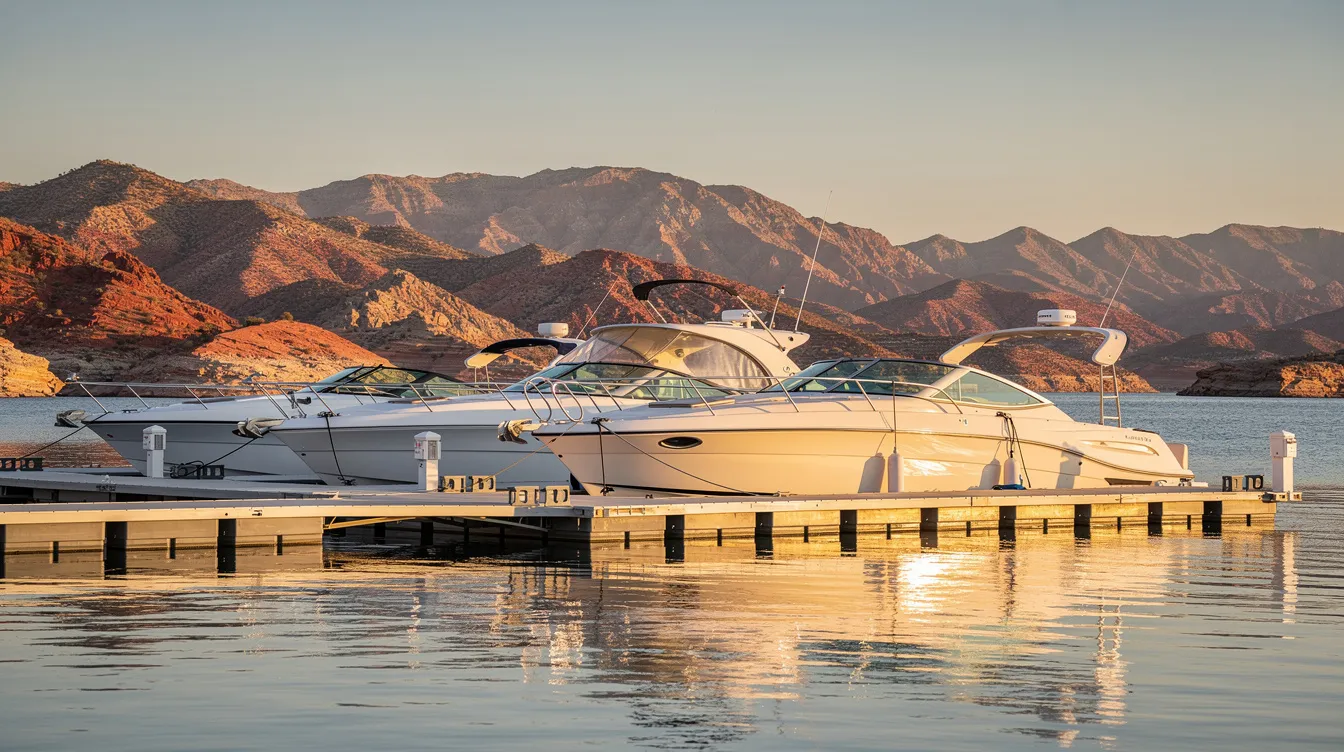
Boating is the most popular activity at Lake Mead, and it is easy to see why. The lake has multiple marinas, including Las Vegas Boat Harbor, Callville Bay, and Temple Bar. You can rent pontoons, speedboats, kayaks, and paddleboards. If you are bringing your own boat, check the current status of launch ramps before you go, as low water levels have forced some closures.
For a detailed breakdown of marinas, rental prices, launch ramp status, and boating routes, the guide at boating on Lake Mead is the most thorough resource I have found. It covers everything from pontoon rental costs to safety regulations, and it is updated regularly with current water-level information.
Hiking
Lake Mead has trails for every skill level. The Historic Railroad Trail is the most popular and easiest, a 3.7-mile path through five old railroad tunnels with lake views. The Liberty Bell Arch Trail is more challenging but rewards you with a natural arch and Colorado River views. For a short, accessible walk, the Boulder Beach Trail is flat and family-friendly.
One warning: there is almost no shade on any of these trails. I made the mistake of hiking the Railroad Trail at noon in July once. Never again. Go at sunrise or sunset.
Swimming and water recreation
Swimming is allowed at Lake Mead, and Boulder Beach is the most accessible spot for a quick dip. The water is cool and clear, even in summer. Other popular swimming areas include Callville Bay and Echo Bay. Always check for bacteria advisories before swimming, as the National Park Service issues warnings when water quality drops.
Fishing
Lake Mead is a productive fishery for striped bass, largemouth bass, catfish, and bluegill. You need a Nevada or Arizona fishing license, depending on where you launch. The best fishing is in the early morning and late evening, especially in summer. Several marinas sell bait and tackle, and guided fishing trips are available if you want local expertise.
Hoover Dam and the Mike O’Callaghan-Pat Tillman Memorial Bridge
Hoover Dam is technically separate from Lake Mead National Recreation Area, but the two are inseparable in practice. The dam tour takes about an hour and includes a walk through the power plant and a view from the observation deck. The bridge, which bypasses the dam on U.S. 93, offers the best free panoramic view of the lake and dam.
If you are visiting from Las Vegas, I recommend doing the dam first, then driving into the recreation area for the rest of the day. That is the most efficient use of time.

Best for adventure seekers
- Boating on Lake Mead, especially pontoon or speedboat rentals
- Kayaking to the Hoover Dam bypass area
- Scuba diving to the B-29 crash site
- Hiking Liberty Bell Arch Trail for river views
- Jet skiing in the wide-open basins
Worth considering for relaxed visitors
- Driving the scenic loop through the recreation area
- Picnicking at Boulder Beach
- Hoover Dam tour and bridge walk
How much does it cost to visit Lake Mead?
Entrance to Lake Mead National Recreation Area costs around $25 per vehicle for a 7-day pass (confirm the latest price directly with the National Park Service). Motorcycles pay around $20, and pedestrians or cyclists pay around $15 per person. If you plan to visit multiple national parks this year, the America the Beautiful annual pass at around $80 is worth considering (check current rates on the official site).
Boating on Lake Mead adds costs on top of the entrance fee. Pontoon rentals typically run $300 to $600 per day depending on size and season (confirm the latest price directly with the rental operator). Kayak and paddleboard rentals are much cheaper, usually $30 to $60 per day. Fuel is extra. If you are bringing your own boat, there are no additional launch fees at most ramps, but some marinas charge for parking.
Cost summary at a glance
Vehicle entrance
$25 for 7 days (check current rates)
Annual pass
$80 (check current rates)
Pontoon rental
$300 to $600 per day (confirm with operator)
Kayak rental
$30 to $60 per day (confirm with operator)
Where to stay near Lake Mead
Most visitors stay in Las Vegas or Boulder City and drive in for the day. Boulder City is closer and much quieter, with a handful of motels and bed-and-breakfasts. If you want to stay near the water, the Lake Mead RV Village and several campgrounds offer overnight options. For hotel bookings, I usually check Booking.com for Boulder City options and Hotels.com when I want to use loyalty rewards. If you are traveling with a group, Vrbo has vacation rentals in Henderson and Boulder City that work well for families.
What does a perfect one-day Lake Mead itinerary look like?
If you only have one day, you can see the highlights without rushing. Here is the itinerary I recommend to friends visiting from out of town.
Morning: Hoover Dam and the bridge
Start early. Leave Las Vegas by 7 a.m. to beat the heat and the tour buses. Park at the Hoover Dam garage, take the dam tour if you want the full experience, and then walk across the Mike O’Callaghan-Pat Tillman Memorial Bridge for the best photos. This takes about two hours total.
Late morning: Boulder Beach and the visitor center
Drive into the recreation area via the Boulder Beach entrance. Stop at the Lake Mead Visitor Center to pick up a map and check current conditions. Then head to Boulder Beach for a swim or a short walk along the shoreline. The water is cool, and the views are wide open.
Afternoon: Historic Railroad Trail
Drive to the Historic Railroad Trail trailhead and hike the 3.7-mile route through the old railroad tunnels. This is the most popular hike in the park for good reason. The tunnels frame the lake perfectly, and the trail is wide and well-maintained. Bring more water than you think you need.
Evening: Sunset at Callville Bay or Las Vegas Boat Harbor
Finish the day at one of the marinas for sunset. Callville Bay and Las Vegas Boat Harbor both have restaurants and bars where you can eat dinner with a view of the water and the desert hills. If you are boating on Lake Mead, this is the perfect time to be on the water. The light is golden, and the temperature drops fast.
Maya’s honest take: “Do not try to do everything. Pick three things and do them well. Lake Mead is not going anywhere, and you will enjoy it more if you are not sprinting between viewpoints.”
What should you know about safety and the best time to visit Lake Mead?
Lake Mead is a desert lake, which means the weather can be extreme. Summer temperatures regularly exceed 110 degrees Fahrenheit. There is almost no shade on the trails or at the beaches. Heat exhaustion and dehydration are real risks, and every year visitors underestimate them.
Best time to visit
The best time to visit Lake Mead is spring (March to May) or fall (September to November). Temperatures are mild, the water is comfortable for swimming, and the trails are enjoyable. Winter is also pleasant, though the water is too cold for most swimmers. Summer is doable if you stick to early morning and late evening and spend the middle of the day on the water or in air conditioning.
Safety tips
Bring at least one gallon of water per person per day. Wear a hat, sunscreen, a travel backpack, and sunglasses. Never hike alone in the heat. If you are boating on Lake Mead, check the weather forecast before you launch, as afternoon winds can create dangerous chop on the water. Life jackets are required for children and strongly recommended for everyone.
Cell service is spotty in the recreation area. Download offline maps before you go. If you are swimming, check for bacteria advisories at the visitor center or on the National Park Service website.
Authoritative sources
For current water levels and dam release data, the U.S. Bureau of Reclamation publishes daily updates. For park alerts, closures, and safety advisories, check the National Park Service Lake Mead page. These are the two sources I trust most for planning any trip to the lake.
Frequently asked questions about Lake Mead
How big is Lake Mead right now?
Lake Mead is currently around 1,040 feet in elevation and roughly 28 percent of full capacity, though levels change monthly (check the Bureau of Reclamation for current figures). At full pool, the lake covers 247 square miles with 759 miles of shoreline. Even at reduced levels, it remains the largest reservoir in the United States by capacity.
Can you swim in Lake Mead?
Yes, swimming is allowed at Lake Mead. Boulder Beach is the most accessible spot, with calm water and a sandy shoreline. Other popular swimming areas include Callville Bay and Echo Bay. Always check for bacteria advisories before swimming, especially in late summer.
How far is Lake Mead from the Las Vegas Strip?
Lake Mead is about 24 miles from the Las Vegas Strip, roughly a 35- to 45-minute drive depending on traffic. The most direct entrance is via Boulder Beach off U.S. 93. You can also reach the lake via the Lake Mead Parkway entrance in Henderson.
How much does it cost to get into Lake Mead?
Entrance to Lake Mead National Recreation Area costs around $25 per vehicle for a 7-day pass (confirm the latest price directly with the National Park Service). Motorcycles pay around $20, and pedestrians or cyclists pay around $15 per person. An annual America the Beautiful pass is around $80 and covers all national parks.
Is boating on Lake Mead still possible with low water levels?
Yes, boating on Lake Mead is still very much possible. Some launch ramps have closed or moved due to low water, but the major marinas remain open. Pontoon, kayak, and speedboat rentals are available at Las Vegas Boat Harbor, Callville Bay, and Temple Bar. Check the current ramp status before you go.
What is the best time of year to visit Lake Mead?
Spring (March to May) and fall (September to November) are the best times to visit. Temperatures are mild, the water is comfortable for swimming, and hiking is enjoyable. Summer is extremely hot, with temperatures over 110 degrees Fahrenheit, so plan water activities for early morning or evening if you visit then.
Is Lake Mead the same as Hoover Dam?
No, but they are directly connected. Hoover Dam is the structure that created Lake Mead by blocking the Colorado River. The dam is a separate visitor attraction with its own tours and fees, while Lake Mead is the reservoir behind it. Most visitors see both in the same trip since they are minutes apart.
What is there to do at Lake Mead besides boating?
Beyond boating, you can hike the Historic Railroad Trail, visit the Hoover Dam, swim at Boulder Beach, fish for striped bass, drive the scenic loop, or explore the Mike O’Callaghan-Pat Tillman Memorial Bridge. The visitor center also has exhibits on the lake’s history and ecology.
Plan your trip: booking platforms we trust
I use these platforms when planning my own trips to Lake Mead and the Las Vegas area. They are reliable for comparing prices, reading recent reviews, and booking with confidence. I have noted what each one is best for so you can go straight to the one that fits your needs.
Agoda
Best for Asian hotel deals and sometimes surprising Las Vegas rates.
General hotel search with strong filter options and free cancellation deals.
Best for flight and hotel packages if you want to bundle and save.
Flight price comparison across multiple airlines and booking sites.
Family villas and vacation rentals for groups or longer stays.
Tours and activities, including Hoover Dam and Lake Mead day trips.
Loyalty rewards bookings, good if you collect stamps toward free nights.
Reviews and restaurant finds, useful for Boulder City and Henderson dining.
WakaAbuja does its best to keep all information accurate at the time of publishing. Prices, policies, and availability change regularly. Always verify with official sources before you travel. We are not liable for errors caused by outdated information. Travel insurance is strongly recommended.