advertisement
Best Places to Snorkel in Hawaii, Ranked by Island and Season (Ground-Level Guide)
Fact-Checked By: Maya Whitfield, Senior Travel Editor at WakaAbuja
The best places to snorkel in Hawaii depend on your island and the month you visit. On Oahu, Hanauma Bay offers the most beginner-friendly reef, but it requires a reservation that opens two days in advance and costs $25 per person (confirm the latest price directly with the official reservation system). On Maui, Molokini Crater delivers the clearest water, accessible only by boat tour (typically $80 to $150 per person). The Big Island’s Kona coast has the calmest conditions year-round, and Kauai’s north shore is best in summer when swells subside.
Every “best of” list says Hanauma Bay. Fewer tell you it requires a reservation, sells out days ahead, and gets rough by early afternoon. That is the kind of detail that decides whether your snorkel trip actually happens.
I have snorkeled on all four major islands and made every mistake in the book: wrong tide, wrong season, wrong entry point, and once, a memorable encounter with a box jellyfish that taught me to check the lunar calendar before I get in the water.
Jump to: How to choose a spot | Oahu | Maui | Big Island | Kauai | Best season | Costs | FAQ
Key takeaways
- Hanauma Bay requires advance reservations that open two days before your visit at 7 a.m. Hawaii time. Admission is $25 per person, plus $3 for parking (confirm the latest price directly with the official reservation system).
- Box jellyfish arrive on south-facing Oahu beaches 8 to 12 days after each full moon. Check the University of Hawaii jellyfish calendar before planning a snorkel day on Waikiki, Ala Moana, or Hanauma Bay.
- Molokini Crater is boat-access only. Tours depart from Maalaea Harbor or Kihei and cost $80 to $150 per person (confirm the latest price directly with the tour operator).
- Morning is always better than afternoon. Trade winds pick up after 11 a.m., reducing visibility and increasing surface chop at every major snorkel site.
- The Big Island’s Kona and Kohala coasts are naturally protected from prevailing winds, making them the calmest snorkeling spots in Hawaii year-round.
- Winter (November through March) brings big north swells that make north-facing beaches dangerous. Stick to leeward shores during those months.
- Reef-safe sunscreen is required by Hawaii law. Oxybenzone and octinoxate formulas are banned under Act 104, which took effect in 2021.
How do you choose the right snorkel spot in Hawaii?
Choosing a snorkel spot is not about finding the most famous name. It is about matching your skill level, the season, and the day’s conditions to the right entry point. A spot that is perfect for a confident swimmer in July can be genuinely dangerous for a beginner in December.
The single most important variable is wind direction. Hawaii’s trade winds blow from the northeast most of the year. That means north and east-facing shores get choppy, while south and west-facing shores stay calm. When the trade winds reverse, which happens occasionally in winter, the pattern flips. Check the marine forecast on the National Weather Service before you commit to a spot.
My rule for planning: if you are unsure about conditions, book a guided tour. The operators know the water, they monitor the forecast, and they will cancel if it is unsafe. For independent snorkelers, the “first 60 seconds” test applies: if you cannot see your feet in waist-deep water, visibility is poor and you should reconsider.
Maya’s honest take: “If you only remember one thing from this guide, make it this: snorkel in the morning. Every bad snorkel experience I have had happened after 1 p.m. when the wind picked up and the water turned to soup.”
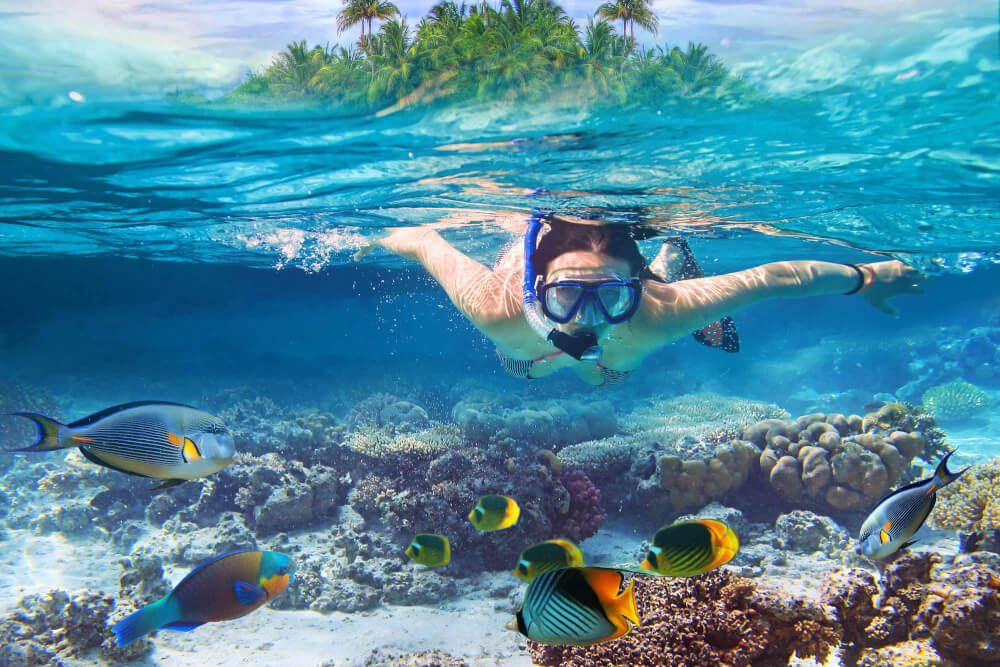
Best places to snorkel on Oahu
Oahu is the most accessible island for snorkeling, with spots ranging from the beginner-perfect Hanauma Bay to the advanced North Shore sites that demand respect. The south shore is your safest bet year-round. The North Shore is a summer-only option.
Hanauma Bay
Entry type: sandy beach entry. Best season: year-round, but mornings only. Cost: $25 per person for admission, $3 for parking (confirm the latest price directly with the official reservation system). Hanauma Bay is a protected marine life conservation district inside a volcanic cone. The water is calm, shallow, and full of fish just steps from shore. First-time visitors must watch a 9-minute educational video before entering the beach.
The catch: reservations open online at 7 a.m. Hawaii time exactly two days before your visit. Popular morning slots book within minutes. If you miss the window, walk-ins are not guaranteed. Skip Hanauma Bay if you cannot commit to a reservation time or if you are visiting on a Monday or Tuesday, when the park is closed.
Shark’s Cove
Entry type: lava rock entry. Best season: summer only. Cost: free. Shark’s Cove is a tide pool and snorkel site on Oahu’s North Shore with underwater lava tubes and abundant fish. In summer, it is a favorite for confident snorkelers. In winter, North Shore swells turn it into a washing machine. Do not attempt Shark’s Cove in winter unless you are an expert water person with local knowledge. Water shoes are essential for the rocky entry.
Kuilima Cove
Entry type: sandy beach entry. Best season: year-round on calm days. Cost: free. Kuilima Cove, next to Turtle Bay Resort, is a small protected cove with calm water and fish close to shore. It is one of the best beginner snorkel spots on Oahu, with a sandy entry and no rocky obstacles. The trade-off is that it is small and can feel crowded when the resort is busy.
Best Oahu spots for beginners
- Hanauma Bay (reservation required, calm, shallow)
- Kuilima Cove (sandy entry, protected, no rocks)
- Pokai Bay (west side, calm, lifeguarded)
Worth considering for confident snorkelers
- Shark’s Cove (summer only, rocky entry, lava tubes)
- Electric Beach (strong currents, but excellent fish life)
Best places to snorkel on Maui
Maui has the most varied snorkeling in Hawaii: a world-famous offshore crater, protected bays, and turtle-rich reefs along the south shore. The key distinction is between boat-access sites and shore-entry sites. Molokini requires a tour. Honolua Bay and Kapalua Bay are shore-accessible.
Molokini Crater
Entry type: boat access only. Best season: year-round, but summer is calmest. Cost: $80 to $150 per person for a half-day tour (confirm the latest price directly with the tour operator). Molokini is a partially submerged volcanic crater 2.5 miles off Maui’s south coast. The inside of the crescent is a marine life conservation district with visibility that often exceeds 100 feet. You will see tropical fish, coral, eels, and occasionally reef sharks and eagle rays. Green sea turtles are rare at Molokini; many tours include a second stop at “Turtle Town” for turtle sightings.
Book the earliest departure available. Trade winds pick up by late morning, making the crossing back to harbor rough and the water inside the crater choppier. If you get seasick, take medication the night before and again in the morning, not 20 minutes before boarding.
Honolua Bay
Entry type: rocky shore entry. Best season: summer only. Cost: free. Honolua Bay is a marine life conservation district on Maui’s northwest coast. The reef is healthy, the fish are abundant, and the water is clear on calm summer mornings. The entry is over rocks, so water shoes are essential. Winter swells make this spot dangerous from November through March. Do not snorkel here in winter unless you are on a boat with an expert crew.
Kapalua Bay
Entry type: sandy beach entry. Best season: year-round on calm days. Cost: free. Kapalua Bay is a crescent-shaped, naturally sheltered bay that is perfect for beginners and families. The sandy entry makes it easy to walk in, and the reef is close to shore with reef fish and occasional turtles. It is close to resorts and restaurants, making it a convenient half-day outing.
Turtle Town (Maluaka Beach)
Entry type: sandy beach entry. Best season: year-round. Cost: free. Turtle Town, near Maluaka Beach on Maui’s south shore, is named for the green sea turtles that frequent the reef. The entry is sandy and gradual, making it accessible for intermediate snorkelers. Morning visibility is best. This spot is also a common second stop on Molokini boat tours.
Best Maui spots for clarity
- Molokini Crater (boat access, 100+ foot visibility)
- Honolua Bay (summer only, protected reef)
- Kapalua Bay (sheltered, sandy entry)
Worth considering for turtle sightings
- Turtle Town / Maluaka Beach (reliable turtle sightings)
- Kapalua Bay (occasional turtles, good for families)
Best places to snorkel on the Big Island
The Big Island’s Kona and Kohala coasts are the calmest and clearest snorkeling waters in Hawaii. The reason is geography: the island’s massive volcanoes block the trade winds, creating a leeward calm zone that persists year-round. This is where you go when you want guaranteed conditions.
Two Step (Honaunau Bay)
Entry type: lava rock steps. Best season: year-round. Cost: free. Two Step gets its name from the natural lava ledges that form two easy steps into the water. It is one of the best shore snorkel spots in the state, with visibility often reaching 60 to 80 feet. Turtles and schools of fish are common close to the surface. The entry is rocky, so water shoes help. Parking is limited and fills early.
Kahalu’u Beach Park
Entry type: sandy beach entry. Best season: year-round. Cost: free. Kahalu’u is the most beginner-friendly snorkel spot on the Big Island. The water is shallow and calm, and the beach is one of the few local snorkel areas with a lifeguard. Green sea turtles regularly feed around the reef, making it a reliable spot for turtle sightings. The sandy entry is easy on the feet. It can get crowded, so arrive early.
Kealakekua Bay
Entry type: boat or kayak access (shore access is discouraged). Best season: year-round. Cost: free if you kayak, or tour cost if you book a boat. Kealakekua Bay is a state marine sanctuary with excellent coral and a real chance of spotting spinner dolphins. The bay is also the site of the Captain Cook Monument. Reaching the best reef by land requires a long hike; most visitors arrive by kayak or boat tour. The calm water and protected status make it one of the best snorkel experiences on the island.
Best Big Island spots for calm water
- Kahalu’u Beach Park (lifeguard, sandy entry, turtles)
- Two Step (lava steps, excellent visibility)
- Kealakekua Bay (protected, dolphins, boat access)
Worth considering for night snorkeling
- Manta Ray Village (night snorkel with manta rays, tour required)
Best places to snorkel on Kauai
Kauai has the most dramatic seasonal split of any Hawaiian island. The North Shore is calm in summer and dangerous in winter. The South Shore is the opposite. The key to snorkeling on Kauai is knowing which shore is in season when you visit.
Tunnels Beach (Makua Beach)
Entry type: sandy and rocky entry. Best season: May through September. Cost: free. Tunnels Beach is named for the underwater lava tunnels and arches that create a varied habitat for marine life, including green sea turtles. In summer, the inner lagoon is calm enough for most skill levels. From October through April, high surf makes the area dangerous. There is no lifeguard, so check conditions carefully before entering.
Poipu Beach Park
Entry type: sandy beach entry. Best season: year-round, best in winter. Cost: free. Poipu Beach is on Kauai’s South Shore and is the island’s most family-friendly snorkel spot. It has lifeguards, a sandy swimming area, and a small rocky section with coral and reef fish. Monk seals occasionally rest on the beach. Because it is on the South Shore, Poipu is the better choice during winter when North Shore conditions become rough.
Anini Beach
Entry type: sandy beach entry. Best season: summer, but calmer than Tunnels in shoulder seasons. Cost: free. Anini Beach has a long fringing reef that protects the shoreline and keeps the water calmer than nearby North Shore beaches. It is a good alternative for less experienced snorkelers who want to explore the North Shore without the exposure of tunnels. The reef is shallow, and the fish life is decent, though not as dramatic as Tunnels on a good day.
Best Kauai spots by season
- Summer: Tunnels Beach (lava tunnels, turtles)
- Winter: Poipu Beach (lifeguards, sandy, monk seals)
- Shoulder season: Anini Beach (protected reef, calmer)
Worth considering for a quieter experience
- Salt Pond Beach Park (south shore, protected, less crowded than Poipu)
What is the best time of year to snorkel in Hawaii?
Hawaii is a year-round snorkel destination, but the “best” month depends on which island and which shore you plan to visit. The general rule: summer (May through September) brings calmer water and better visibility on north-facing shores. Winter (November through March) brings big swells to those same shores but calmer conditions on south and west-facing coasts.
Summer (May through September)
Summer is the best season for North Shore snorkeling on Oahu and Kauai. The trade winds are steady, the water is warm (around 80 degrees Fahrenheit), and the swells that make winter dangerous are absent. This is the window for Shark’s Cove and Tunnels Beach. Molokini and other south-facing sites are also excellent, though afternoon winds can still create chop.
Winter (November through March)
Winter is the best season for leeward and south-facing shores. The Big Island’s Kona coast stays calm year-round. Maui’s south shore, including Molokini and Turtle Town, remains snorkelable. Kauai’s Poipu Beach is the winter alternative to the dangerous North Shore. The bonus of winter snorkeling is humpback whale season: you may hear their songs underwater or see them breaching from the boat.
Box jellyfish season
Box jellyfish are a year-round concern on Oahu’s south shore, but they follow a predictable lunar pattern. They arrive 8 to 12 days after each full moon and typically stay for 2 to 3 days. The most affected beaches are Waikiki, Ala Moana, Hanauma Bay, and Kahanamoku Beach. If your trip coincides with the jellyfish window, consider snorkeling on the windward side (Kailua Beach) or a different island. Check the University of Hawaii jellyfish calendar before you plan a South Shore snorkel day.
How much does snorkeling in Hawaii actually cost?
Snorkeling can be one of the cheapest activities in Hawaii or one of the most expensive, depending on whether you bring your own gear, rent, or book a tour. Here is a realistic breakdown.
Gear rental and entry fees
Snorkel gear rental (mask, snorkel, fins) typically costs around $15 to $30 per day (confirm the latest price directly with the rental operator). Hanauma Bay charges $25 per person admission, plus $3 for parking (confirm the latest price directly with the official reservation system). Most other shore snorkel spots in Hawaii are free to access. Reef-safe sunscreen is required by law, so budget for a mineral-based formula if you do not bring your own.
Guided tours
Molokini Crater tours cost $80 to $150 per person for a half-day trip, including gear and sometimes food. Other guided snorkel tours around the islands range from around $75 to $150 per person for a few hours on the water. Manta ray night snorkel tours on the Big Island are typically $100 to $125 per person (confirm the latest price directly with the tour operator).
Where to book
For guided snorkel tours, I usually compare options on GetYourGuide and TripAdvisor to read recent reviews and check cancellation policies. For flights to Hawaii, Kayak is my go-to for price comparison. For hotels near the best snorkel spots, Booking.com has the best filters, and Vrbo works well for families or groups who want a vacation rental near the beach.
What mistakes should you avoid when snorkeling in Hawaii?
I have made most of these mistakes. Each one cost me a better experience or, in one case, a painful sting. Learn from my errors so you do not repeat them.
Do not snorkel in the afternoon
Trade winds pick up after 11 a.m. and get stronger through the afternoon. Visibility drops, surface chop increases, and the water gets less comfortable. Every local guide I have talked to says the same thing: get in the water before 10 a.m. .
Do not skip the jellyfish check.
Box jellyfish are not a myth. They arrive on a predictable lunar schedule, and they hurt. Before any South Shore snorkel day on Oahu, check the University of Hawaii jellyfish calendar and look for purple warning flags at the beach. If the window is active, snorkel elsewhere or stay on land.
Do not use non-reef-safe sunscreen
Hawaii law bans sunscreens containing oxybenzone and octinoxate. These chemicals damage coral reefs. Bring mineral-based sunscreen or wear a rash guard and use less sunscreen overall.
Do not underestimate winter swells.
North-facing beaches that are calm in July can have 10-foot waves in January. Tunnels Beach, Shark’s Cove, and Honolua Bay are all summer-only spots for snorkeling. In winter, stick to south- and west-facing shores.
Do not touch the reef or chase wildlife.
Coral is alive and fragile. Touching it kills it. Chasing turtles or dolphins stresses them and is illegal under the Marine Mammal Protection Act. Keep a respectful distance and let the animals come to you.
Do not forget water shoes for rocky entries.
Two Step, Shark’s Cove, and Honolua Bay all have rocky or lava entries. Water shoes or fins with good grip make the difference between a comfortable entry and a cut foot.
Do not assume all spots are beginner-friendly.
Molokini requires a boat and the ability to swim in open water. Electric Beach has currents. Shark’s Cove in winter is dangerous. Be honest about your skill level and choose accordingly.
Frequently asked questions about snorkeling in Hawaii
Do I need a reservation for Hanauma Bay?
Yes. Hanauma Bay requires online reservations, which open at 7 a.m. Hawaii time exactly two days before your visit. Admission is $25 per person, and parking is $3 (confirm the latest price directly with the official reservation system). Morning slots sell out within minutes, so log on early with your payment information ready.
Can you snorkel at Molokini without a tour?
No. Molokini Crater is 2.5 miles offshore, and vessels that moor there need special permits. The only way to snorkel at Molokini is on a boat tour. Tours depart from Maalaea Harbor and Kihei and cost $80 to $150 per person (confirm the latest price directly with the tour operator).
When is box jellyfish season in Hawaii?
Box jellyfish arrive on Oahu’s south-facing beaches 8 to 12 days after each full moon, year-round. The influx lasts 2 to 3 days. The most affected beaches are Waikiki, Ala Moana, Hanauma Bay, and Kahanamoku Beach. Check the University of Hawaii jellyfish calendar before planning a South Shore snorkel day.
Which Hawaiian island has the best snorkeling?
It depends on what you want. Maui has the most famous offshore site (Molokini) and good shore snorkeling. The Big Island has the calmest, clearest water year-round on the Kona coast. Oahu has the most accessible beginner spot (Hanauma Bay). Kauai has the most dramatic scenery but the most seasonal restrictions. For first-timers, Oahu and the Big Island are the safest bets.
Is snorkeling in Hawaii safe for beginners?
Yes, if you choose the right spot. Hanauma Bay on Oahu, Kahalu’u Beach Park on the Big Island, and Kapalua Bay on Maui all have calm water, easy entries, and good visibility for beginners. Avoid rocky entries, strong currents, and winter north shore swells until you have more experience.
What marine life will I see snorkeling in Hawaii?
Common sightings include green sea turtles (honu), parrotfish, butterflyfish, yellow tang, and eels. Molokini Crater has the most diverse fish life, including eagle rays and occasional reef sharks. Kealakekua Bay on the Big Island is known for spinner dolphins. Manta rays are best seen on night snorkel tours on the Big Island.
What should I bring snorkeling in Hawaii?
Bring reef-safe mineral sunscreen (required by law), a rash guard for sun protection, water shoes for rocky entries, a towel, and a dry bag for valuables. If you have your own mask, bring it; rental masks often do not fit well. Motion sickness medication is essential for boat tours if you are prone to seasickness.
Can I snorkel in Hawaii in winter?
Yes, but stick to leeward and south-facing shores. The Big Island’s Kona coast stays calm year-round. Maui’s south shore, including Molokini and Turtle Town, remains snorkelable. Kauai’s Poipu Beach is the winter alternative to the dangerous North Shore. Winter also brings humpback whales, which you may see from the boat or hear underwater.
Plan your trip: booking platforms we trust
I use these platforms when planning my own Hawaii snorkeling trips. They are reliable for comparing prices, reading recent reviews, and booking with confidence. I have noted what each one is best for so you can go straight to the one that fits your needs.
Agoda
Best for Asian hotel deals and sometimes surprising Hawaii rates.
General hotel search with strong filters for beachfront and resort areas.
Best for flight and hotel packages if you want to bundle and save.
Flight price comparison across multiple airlines and booking sites.
Family villas and vacation rentals for groups or longer stays.
Tours and activities, including snorkel tours and Hanauma Bay packages.
Loyalty rewards bookings, good if you collect stamps toward free nights.
Reviews and restaurant finds are useful for beach town dining.
WakaAbuja does its best to keep all information accurate at the time of publishing. Prices, policies, and availability change regularly. Always verify with official sources before you travel. We are not liable for errors caused by outdated information. Travel insurance is strongly recommended.