Travel to Buenos Aires, Argentina: Costs, Safety, Currency Exchange, and Where to Stay
The single biggest money decision for a Buenos Aires trip is how you handle currency. Argentina runs a formal bank rate and a parallel rate, and the gap between them can swing your trip costs by 20 to 40 percent (confirm the current spread with a licensed exchange service before you travel). Budget travelers spend about US$50 to US$70 per person per day, mid-range travelers US$90 to US$140, and comfort travelers US$200 or more, covering hotels, meals, transport, and attractions (confirm current rates on Booking.com). Palermo is the safest first-time base. Recoleta suits older couples and museum-goers. San Telmo is best for atmosphere and nightlife. Citizens of the US, UK, EU, Australia, and Canada do not need a visa for tourist stays of up to 90 days, per Argentina’s official immigration authority.
I landed in Buenos Aires for the first time with a wallet full of US dollars and no idea what I was doing. A taxi driver at Ezeiza offered to take them at a rate that sounded generous. It was not. I learned more about Argentine money in that first hour than I did in three months of reading travel guides beforehand.
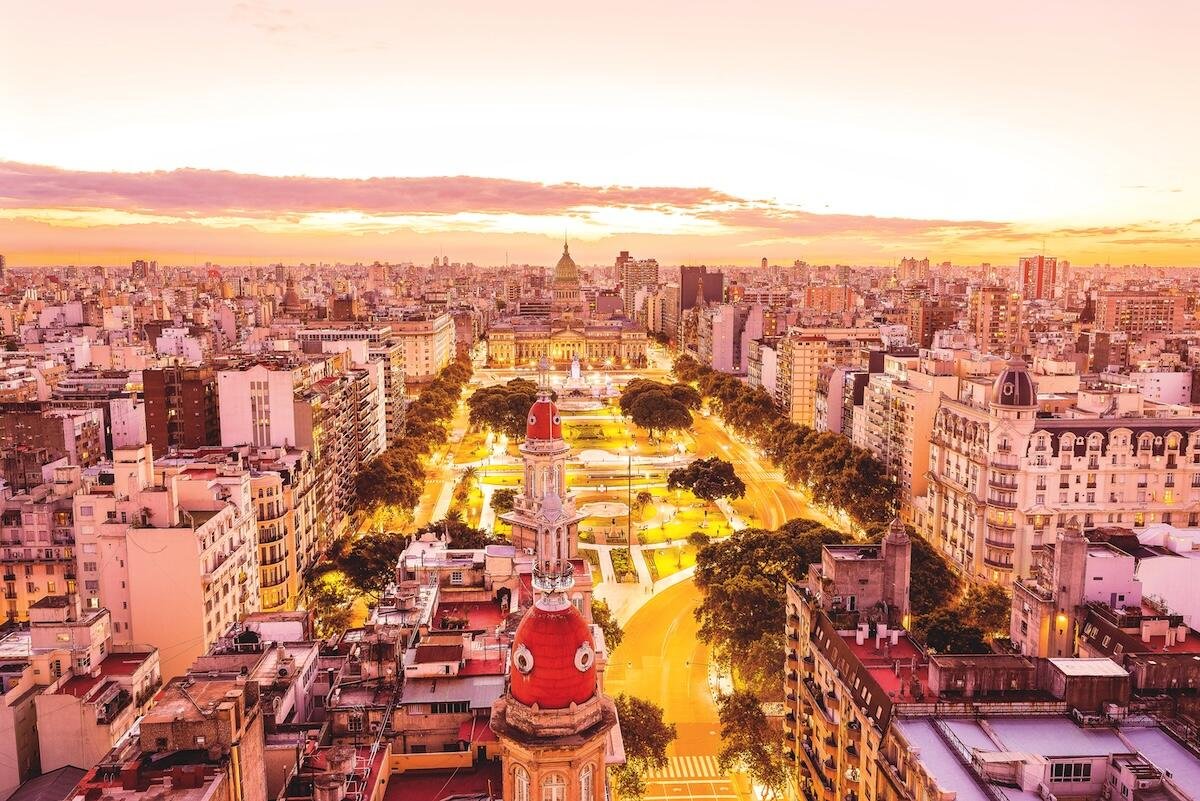
Buenos Aires is one of the most rewarding cities in the Americas, but it also punishes travelers who arrive unprepared on currency, safety, and neighborhood choice. The good news is that once you understand how money works here, the city becomes remarkably affordable. The bad news is that most guides bury the currency explanation in a footnote or skip it entirely. This one leads with it.
Jump to: Key Takeaways | Currency Exchange | What It Costs | Safety | Where to Stay | 3-Day Itinerary | Entry & Arrival | FAQ
Key takeaways
- Argentina has a formal bank exchange rate and a parallel market rate. The gap between them can change your trip cost by 20 to 40 percent (confirm the current spread with a licensed exchange service before you travel).
- Use official exchange channels and licensed currency exchange offices. Informal street changers, sometimes called arbolitos, are common but carry legal, counterfeit, and personal safety risks.
- Budget travelers spend US$50 to US$70 per person per day, mid-range US$90 to US$140, and comfort US$200 or more (confirm current rates with your hotel and tour operators).
- Palermo is the best base for first-time visitors: safe, walkable, and with the highest concentration of restaurants, cafes, and boutique hotels.
- A taxi from Ezeiza International Airport to Palermo should cost about US$35 to US$45 using an official taxi or a pre-booked transfer (confirm current fares with the official airport taxi line).
- Citizens of the US, UK, EU, Australia, and Canada can enter Argentina visa-free for tourist stays of up to 90 days.
- The Subte (metro) is cheap, fast, and runs until about 10:30 PM on weekdays, so plan late nights around taxis or ride-hailing apps.
How does currency exchange work in Buenos Aires?
Argentina’s economy has run with multiple exchange rates for most of the past decade, and this is the single most important thing to understand before you arrive. The official rate is what banks and credit cards use. The parallel rate, often called the blue dollar rate, is what the informal market uses. The gap between them has narrowed significantly in the past year as the government has moved toward a more unified system, but it has not disappeared, and it can still be meaningful (confirm the current spread with a licensed exchange service before you travel).
Here is my practical advice. Do not use the street changers who approach you in tourist areas. The rates look good, but you are exposed to counterfeit notes, legal risk, and in rare cases, robbery. Instead, use licensed exchange offices (casas de cambio) in the Microcentro or Palermo. Or use Western Union, which for many travelers has historically offered rates close to the parallel rate and allows transfers in US dollars or pesos. Western Union pickup locations are widely available in the city, though lines can be long.
Credit cards are accepted at hotels, mid-range restaurants, and larger shops. They are not accepted at smaller cafes, taxi stands, or market stalls. Carry cash in pesos for small purchases and cash in US dollars as a backup if you are changing money. ATMs in Argentina have historically had low withdrawal limits and high fees, so plan accordingly (confirm current limits and fees with your bank before you travel).
Maya Whitfield’s honest take: “The first time I visited, I exchanged money on the street because a taxi driver told me it was normal. I got lucky, and the notes were real. On my second trip, I watched a couple argue with a cashier over counterfeit bills. Use Western Union or a licensed exchange office. The rate difference is not worth the risk.”
Safe ways to get pesos
- Western Union: widely used, rates close to the parallel market, but expect lines.
- Casas de cambio: licensed offices in Microcentro and Palermo, safe but rates slightly lower than Western Union.
- Credit and debit cards: convenient and safe, but use the official rate.
- ATMs: reliable but low withdrawal limits and high fees (confirm current limits with your bank).
Avoid
- Street changers (arbolitos), despite the attractive rates.
- Unofficial exchange offers from taxi drivers or touts.
- Carrying large amounts of cash at night.
What does it cost to travel to Buenos Aires?
Buenos Aires is one of the best-value capitals in the Americas, but the cost depends heavily on how you handle currency and what tier of hotel and restaurant you choose. The figures below are in US dollars for clarity, but keep in mind that your actual costs will vary based on the exchange rate you use. In pesos, expect prices to look different depending on whether you are paying with a card or with cash changed through a licensed channel (confirm current rates with your hotel and tour operators).
Budget tier (hostels, local food, subtleties)
- Daily: US$50 to US$70 per person (confirm current rates on Booking.com).
- Lodging: Hostels and simple guesthouses, US$15 to US$35 per night.
- Food: Local restaurants and bakeries, US$15 to US$25 per day.
- Transport: Subte and walking, US$1 to US$3 per day.
Mid-range tier (boutique hotels, mix of dining)
- Daily: US$90 to US$140 per person (confirm current rates on Booking.com).
- Lodging: Boutique hotels in Palermo and Recoleta, US$60 to US$120 per night.
- Food: Mix of mid-tier and traditional restaurants, US$30 to US$50 per day.
- Attractions: One paid sight per day, US$10 to US$25.
Comfort tier (4 to 5-star hotels, fine dining)
- Daily: US$200 to US$350 per person (confirm current rates with the hotel directly).
- Lodging: International and boutique 4- to 5-star hotels, US$150 to US$300 per night.
- Food: Better restaurants and wine bars, US$50 to US$100 per day.
- Transport: Taxis and ride-hailing, US$15 to US$30 per day.
Two cost traps catch first-timers. First, the airport transfer. Taxis from Ezeiza to Palermo should run US$35 to US$45 using an official taxi or pre-booked transfer (confirm current fares with the official airport taxi line). Informal drivers at the arrivals hall often quote much higher prices. Second, tourist restaurants in San Telmo and Puerto Madero charge significantly more than the equivalent food in Palermo or Villa Crespo. Walk a few blocks off the main tourist streets and you will eat better for less.
Is Buenos Aires safe for tourists?
Buenos Aires is generally safe for tourists, but it is a large Latin American capital, and you should treat it with the same awareness you would any major city. Violent crime against tourists is rare. The main risks are petty theft, distraction scams, and overcharging, particularly in tourist areas like La Boca, San Telmo, and the Microcentro at night.
The classic Buenos Aires scam you should know about is the “mustard scam.” Someone spills a substance on your clothes, then a helpful stranger offers to clean it while an accomplice lifts your wallet or bag. The fix is simple: if someone spills something on you, walk directly into a shop or a busy public space and clean yourself up without accepting help from strangers.
Other precautions: do not carry your phone out in the street unless you need it. Do not wear expensive jewelry or watches. Use official taxis or ride-hailing apps at night rather than hailing on the street. If you visit La Boca, stick to the Caminito tourist area during daylight and do not wander into the residential streets behind it. Check the US State Department travel page and the UK Foreign Office advisory before you go for the latest guidance.
Safest neighborhoods for tourists
- Palermo: safest for first-timers, well-lit and busy at night.
- Recoleta: quiet, upscale, low street crime, but watch for pickpockets near the cemetery.
- Belgrano: residential, calm, less touristy.
Extra care at night
- La Boca: avoid after dark, stick to Caminito during the day.
- Microcentro: quiet and empty at night; use taxis.
- San Telmo: atmospheric, but be aware during the Sunday market.
Where should you stay in Buenos Aires?
Buenos Aires neighborhoods have distinct personalities, and where you base yourself shapes your trip. The right choice for a first-timer is not the same as the right choice for a repeat visitor or a nightlife-focused traveler.
Best for first-timers
- Palermo Soho and Hollywood: safest, most walkable, and best restaurants and cafes.
- Recoleta: elegant, quieter, best for museum-goers and older couples.
- Barrio Norte: central, safe, good transport links.
Best for atmosphere and nightlife
- San Telmo: historic, bohemian, tango bars, and Sunday market.
- Puerto Madero: modern, expensive, good for couples and business travelers.
Hotel prices run from US$15 per night for a hostel dorm to US$300 or more for a 5-star hotel in Recoleta (confirm current rates on Booking.com). Palermo has the highest concentration of mid-range boutique hotels, running US$60 to US$120 per night. For families or longer stays, Vrbo has apartment rentals in Palermo and Belgrano that often cost less than two hotel rooms.
What does a 3-day Buenos Aires itinerary look like?
Three days is the minimum for a first visit. You can see the headline sights, get a feel for two or three neighborhoods, and eat well without rushing. Here is the plan I give friends.
Day 1: Palermo and Recoleta
Start with breakfast at a cafe in Palermo Soho, then walk through the neighborhood’s boutiques and street art. In the afternoon, visit the MALBA museum in Palermo, then head to Recoleta to see the famous cemetery, where Eva Peron is buried. Entry to the cemetery costs about 12,000 to 15,000 pesos, roughly US$10 to US$13 (confirm current prices at the entrance). Dinner in Palermo at a parrilla (steakhouse). Expect to pay US$25 to US$40 per person for a good steak dinner with wine (confirm current prices on-site).
Day 2: San Telmo, Plaza de Mayo, and Puerto Madero
Spend the morning in San Telmo, browsing the antiques shops and the Plaza Dorrego. Walk to Plaza de Mayo to see the Casa Rosada and the Metropolitan Cathedral. In the afternoon, walk to Puerto Madero for the waterfront and the Puente de la Mujer. Dinner at a traditional Argentine restaurant, or catch a tango show at one of the venues in San Telmo or the center.
Day 3: La Boca or a day trip to Tigre
Visit La Boca in the morning for the Caminito and the colorful houses. Stay within the tourist area and do not wander into the residential streets. Alternatively, take the Mitre train line to Tigre for a day on the river delta, about an hour from the city. Return to Buenos Aires for a final dinner in Palermo or Recoleta.
Maya Whitfield’s honest take: “Do not try to see Buenos Aires in two days. I have watched people attempt it and they spend most of their time in taxis. Three days gives you room to sit in a cafe, have a long lunch, and remember why you came. The city rewards slowness.”
What do you need to know about entry, airports, and arrival?
Citizens of the US, UK, EU, Australia, and Canada can enter Argentina visa-free for tourist stays of up to 90 days . You need a passport valid for at least six months beyond your arrival date and proof of onward travel may be requested. Check the official Argentine migration authority site for the current rules for your nationality.
Buenos Aires has two airports. Ezeiza International (EZE) handles most long-haul flights and sits 30 to 45 minutes from the city center depending on traffic. Aeroparque Jorge Newbery (AEP) handles domestic and regional flights and is only 10 to 15 minutes from Palermo. A taxi from Ezeiza to Palermo should cost US$35 to US$45 using an official taxi or pre-booked transfer (confirm current fares with the official airport taxi line). From Aeroparque, taxis run US$10 to US$15. Ride-hailing apps like Cabify work in Buenos Aires, but Uber’s availability has fluctuated, so check before you rely on it.
For SIM cards, buy a local Claro or Movistar SIM at the airport or a shop in the city. A tourist SIM with data runs about US$10 to US$15 (confirm current prices with the operator). Wi-Fi is reliable at hotels and most cafes. For destination-specific visa rules and entry requirements, see the WakaAbuja visa guide.
What mistakes do first-time visitors make in Buenos Aires?
I have made most of these mistakes so you do not have to. Here are the ones that actually cost money or waste time.
Exchanging money on the street
The rates look good, but the risks are real: counterfeit notes, robbery, and legal trouble. Use Western Union, licensed casas de cambio, or credit cards. The small rate advantage is not worth the exposure.
Booking a hotel in San Telmo or La Boca for a first trip
San Telmo is atmospheric but noisy and can feel less safe at night. La Boca is best visited during the day and not booked as a base. Stay in Palermo, Recoleta, or Barrio Norte for a first trip, and visit the others.
Eating dinner before 9 PM
Buenos Aires runs late. Most restaurants do not get busy until 9 PM or later, and many do not open for dinner until 8 PM. If you eat at 7 PM, you will be alone in the restaurant and missing the atmosphere. Adjust your schedule and enjoy a late dinner.
Relying on credit cards everywhere
Credit cards work at hotels and mid-range restaurants but not at smaller cafes, market stalls, or taxi stands. Carry cash in pesos and a backup in US dollars.
Not learning any Spanish
Porteños (Buenos Aires locals) are warm and patient with visitors, but English is less widely spoken than in European capitals. A few phrases (hola, gracias, por favor, la cuenta) go a long way, especially in smaller shops and taxis.
Walking around with your phone out
Phone theft is the most common crime against tourists. Keep your phone in your pocket when you are walking, especially in busy areas and at night. Use it inside cafes or your hotel.
Frequently asked questions
How does the blue dollar work in Argentina?
Argentina has a formal bank exchange rate and a parallel market rate, often called the blue dollar. The gap between them has narrowed but can still affect your trip cost by 20 to 40 percent (confirm the current spread with a licensed exchange service before you travel). Use Western Union or licensed casas de cambio rather than street changers.
Is Buenos Aires safe for tourists?
Buenos Aires is generally safe for tourists, but petty theft and distraction scams are real. Palermo and Recoleta are the safest neighborhoods for visitors. Watch for the mustard scam, do not carry your phone out in the street, and use official taxis at night.
How much does a trip to Buenos Aires cost?
Budget travelers spend US$50 to US$70 per person per day, mid-range US$90 to US$140, and comfort travelers US$200 or more, excluding international airfare (confirm current rates with your hotel and tour operators). Your actual cost depends heavily on how you handle the currency exchange.
What is the best neighborhood to stay in Buenos Aires?
Palermo is the best base for first-time visitors, with the highest concentration of restaurants, cafes, boutique hotels, and safe nightlife. Recoleta suits museum-goers and older couples. San Telmo is best for atmosphere and tango, but noisier and less safe at night.
Do I need a visa to travel to Buenos Aires?
Citizens of the US, UK, EU, Australia, and Canada do not need a visa for tourist stays of up to 90 days. You need a passport valid for at least six months beyond your arrival date. Check the official Argentine migration authority site for the current rules for your nationality .
What is the best time to visit Buenos Aires?
Spring (September to November) and autumn (March to May) offer the best weather, with mild temperatures and lower humidity than summer. Summer (December to February) is hot and the city empties out as locals head for the coast. Winter (June to August) is cool and gray but cheap.
How many days do you need in Buenos Aires?
Three full days is the minimum for a first visit, covering Palermo, Recoleta, San Telmo, and a day trip to Tigre or La Boca. Five days lets you add a tango show, the MALBA museum, and a slower pace without cutting anything short.
Plan your trip: booking platforms we trust
I use these platforms myself. They are the ones that consistently surface the best rates for Buenos Aires hotels and apartments, the most useful flight comparisons, and the tours I would book for friends visiting the city for the first time.
Booking.com
Best for Palermo and Recoleta hotels and boutique stays.
Kayak
Compare international flights to Ezeiza and Aeroparque.
GetYourGuide
Book tango shows, walking tours, and Tigre day trips.
Expedia
Bundle flights and hotels for package pricing.
Vrbo
Apartment rentals for families and longer stays in Palermo and Belgrano.
TripAdvisor
Reviews and restaurant recommendations across the city.
WakaAbuja does its best to keep all information accurate at the time of publishing. Prices, policies, and availability change regularly. Always verify with official sources before you travel. We are not liable for errors caused by outdated information. Travel insurance is strongly recommended.