advertisement
Katmai National Park: The Trip-Planning Reality Check Nobody Gives You (Costs, Bears & Lottery Tips)
Fact-Checked By: Maya Whitfield, Senior Travel Editor at WakaAbuja — Senior Travel Editor at WakaAbuja
Katmai National Park has no roads. You reach Brooks Falls, the famous bear-viewing site, by flying to King Salmon and then taking a floatplane or water taxi across Naknek Lake. Overnight stays at Brooks Lodge require winning a random lottery, with applications opening December 1 for the following year. A day trip from Anchorage runs roughly $1,489 per person round trip (confirm current rates with the operator), while independent travelers piecing together flights and a water taxi can expect to pay around $900 to $1,000 total for the same journey (check current fares directly).
I have been to Katmai twice, once in July and once in September, and both trips cost me more than I budgeted. The first time, I lost a day to weather and had to scramble for a backup water taxi. The second time, I packed for a bear-viewing platform that closed for two hours because a sow with cubs decided to nap on the trail.
This guide is the thing I wish I had before that first trip: a straight answer about what it costs, how the lottery actually works, and what nobody tells you about the logistics until you are already committed.
Jump to: Real Costs | Lottery & Lodging | Bear Viewing | Getting There | Best Time | Packing | FAQ
Key takeaways
- Brooks Lodge overnight stays require a lottery; applications for the 2028 season open December 1 through December 30 this year.
- July and September are peak bear-viewing months, but they also have the toughest lottery odds and the most crowded platforms.
- A guided day trip from Anchorage to Brooks Falls typically costs around $1,489 to $1,540 per person (confirm current pricing on the Alaska Railroad site).
- Independent travel via King Salmon and the water taxi costs roughly $900 total per person (check Katmai Water Taxi for current fares), but requires more planning and weather buffers.
- Katmai weather cancels flights and boat crossings regularly; always build a buffer day into your itinerary.
- August is the smartest month for lottery odds because demand drops, even though bear activity continues.
- Layers and rain gear are non-negotiable. Katmai can shift from sunny to sideways rain in twenty minutes.
How much does a Katmai National Park trip actually cost?
I get this question more than any other, and the honest answer is that Katmai has three cost tiers, and they are wildly different. The decision you make in the next ten minutes about which tier fits your budget will shape everything else about your trip. I am going to lay out the real numbers I have paid and seen quoted, with the caveat that everything in remote Alaska shifts by season and operator.
Day trip from Anchorage
Total: ~$1,489 to $1,540 per person (confirm current pricing directly with the tour operator)
This covers round-trip flights from Anchorage to King Salmon, the floatplane or water taxi connection to Brooks Camp, and roughly four to six hours at the falls. No overnight, no meals included. It is the lowest-commitment option and the one I recommend for first-timers who are not sure they can handle the remote logistics.
Independent via King Salmon
Total: ~$900 to $1,000 per person (check current airline and water taxi fares directly)
Alaska Airlines round trip Anchorage to King Salmon runs around $500 (verify current fares on Kayak). The water taxi across Naknek Lake is about $205 each way, or roughly $410 round trip (confirm with Katmai Water Taxi). You sleep in King Salmon, which adds lodging cost but gives you weather buffers.
Overnight at Brooks Lodge
Lodging + flights: $2,000+ per person (confirm current rates on the Brooks Lodge site)
The round-trip flight from Anchorage to Brooks Camp alone is $1,489 (check current rates directly). Add room rates, meals at roughly $30 to $50 per meal (confirm menu pricing on arrival), and optional activities like the Valley of Ten Thousand Smokes tour at $115 with lunch (verify current rates).
Maya’s honest take: “If you are on a tight budget, the day trip is not the cheap option. It is the high-certainty option. The independent route saves money but costs you time and stress. I have done both, and I would choose the independent route again only because I had a buffer day and a flexible schedule.”
How does the Brooks Lodge lottery work, and what are my odds?
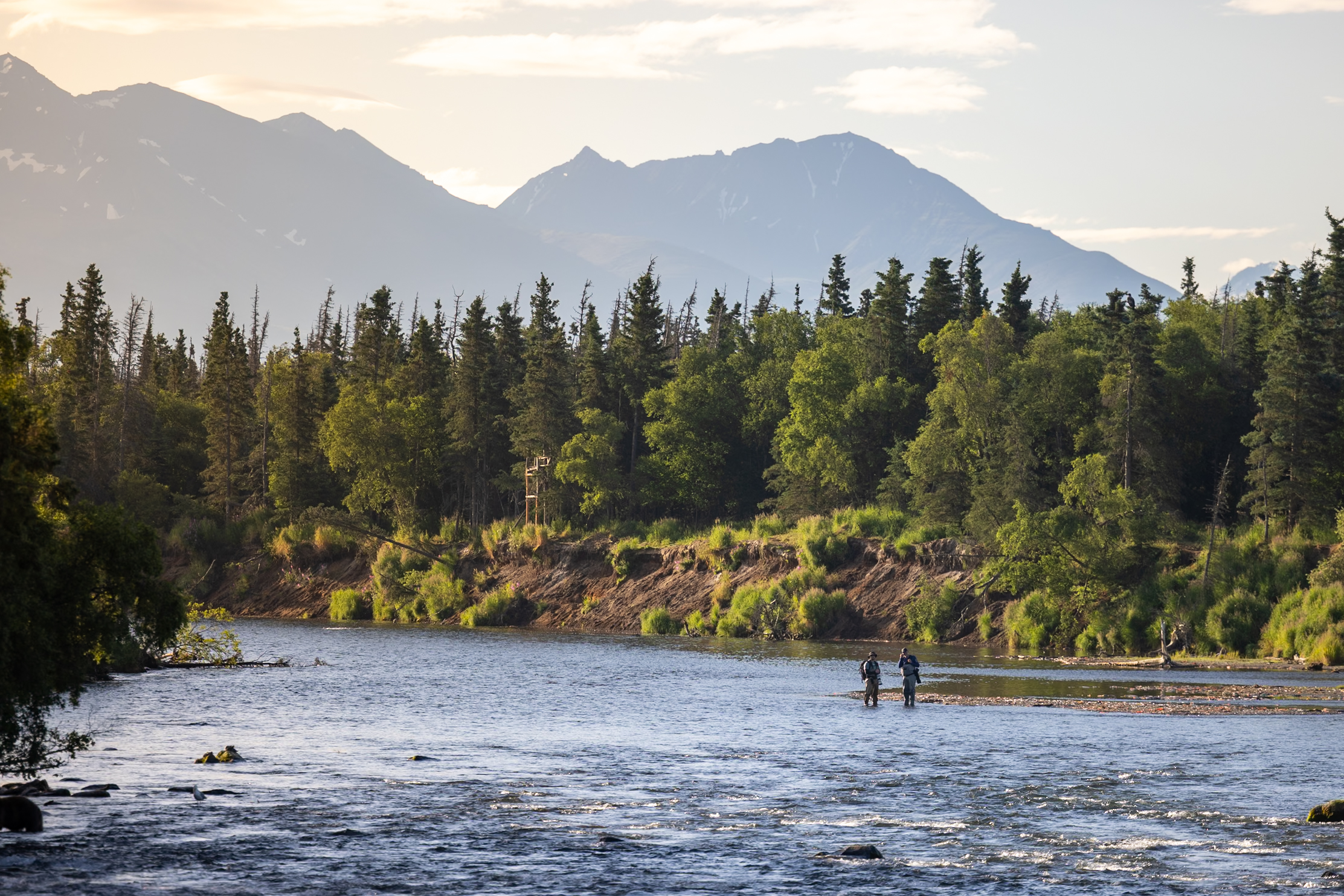
The Brooks Lodge lottery is the single biggest logistical hurdle for anyone who wants to stay overnight inside Katmai. I entered twice before I won a spot, and the first time I applied for July dates like everyone else. Big mistake.
Here is the system in plain terms. Applications open December 1 and close December 30 for the following year’s season. Each person gets one application. If you submit duplicates, the last one received is kept and the others are discarded. You apply with the name of the person traveling, and the reservation is not transferable. You will be notified between January 3 and February 10 whether you got a date or a spot on the waitlist.
The dates that matter most: July and September. If your stay falls during either month, the maximum is three nights. You can only win one July or September date. This is designed to spread access, but it means those months are brutally competitive. August, by contrast, has far better odds and still has bears. The park service itself notes that bear activity continues through August, with fewer crowds and less aggressive bear behavior at the platforms.
Maya’s honest take: “Apply for August. I know July is the postcard month. I know everyone wants the fat bears at the falls in peak salmon season. But August gave me a platform that was not shoulder-to-shoulder, a lottery draw that actually came through, and bears that were still fishing. The photos were nearly identical. The experience was better.”
If you do not win, do not give up immediately. The waitlist moves. People cancel, weather forces changes, and rooms open up. Brooks Lodge releases remaining rooms to the public after the lottery process finishes at the end of January. It is worth checking the site in early February.
When is the best time to see bears at Brooks Falls?
The park service is blunt about this: bear viewing is best in July and September. In June, salmon have not arrived in force. In August, the salmon run has dispersed, and many bears leave the river. There are days in June and August when no bears are seen at Brooks Camp at all.
July is peak. The salmon are running, the falls create a barrier that concentrates fish, and the largest, most dominant bears claim the best fishing spots. Mid-July typically has the highest number of bears along the river. But the trade-off is crowds. The park service explicitly warns that July has more visitors than any other month and that the Brooks Falls Platform can be crowded. Rangers limit how many people can be on the platform and how long they can stay.
September is the other strong month. Bears are back in the lower river, feeding on spawned-out salmon. The park service notes that September bears are typically less aggressive toward each other than July bears, which makes for calmer viewing. The platform is less crowded. The light is moodier, and the bears are fatter and furrier heading into winter.
One thing I learned the hard way: the floating bridge across Brooks River can close without warning because of bear activity. If you are trying to catch a departing flight or get back to the lodge for a meal, give yourself an extra thirty to forty-five minutes in July and September. I missed a lunch reservation because a subadult bear decided to sit on the bridge for twenty minutes.
How do you actually get to Katmai National Park?
There are no roads into Katmai. This is not an exaggeration or a figure of speech. You cannot drive to Brooks Falls. The park is reached by air and water only, and the routing is a two-stage process that most first-time visitors underestimate.
Stage one: fly commercial to King Salmon. Alaska Airlines runs daily service from Anchorage, about an hour in the air. Round-trip fares are commonly around $500 per person depending on how far in advance you book (verify current fares on Kayak). King Salmon is a small town with limited services, but it has lodging, a few restaurants, and the staging point for the final leg.
Stage two: cross Naknek Lake to Brooks Camp. You have two options. The floatplane takes about twenty-five minutes to dock at the beach and runs roughly $500 round trip (confirm current rates directly). The water taxi is a fifteen-minute shuttle to the boat launch plus a fifty-minute cruise across the lake, about $205 one way or $410 round trip (check current fares with the operator). I have done both. The floatplane is faster and more dramatic. The water taxi handles luggage better and is more weather-resilient in my experience, though both can cancel on a rough day.
Best for speed
- Floatplane: 25 minutes dock to beach
- Best views of the lake and volcanoes
- Limited baggage (around 50 lb per person; confirm with operator)
- More weather-sensitive than the boat
Worth considering
- Water taxi: about 50 minutes across the lake
- Handles bags and weight easily
- More reliable in marginal weather
- Scenic the entire way
Here is the critical piece most guides bury: keep both options available if you can. The operators in King Salmon use both, precisely because the weather rarely takes them both down on the same day. If you lock into a single operator and they cancel, you lose a day. I lost half a day on my first trip because I had only booked a floatplane and the ceiling was too low. The water taxi ran fine.
@miks_outdoors If you still have questions about visiting Katmai National Park and Brooks Falls in Alaska to see wild bears, drop them in the comments! 🐻👇🏻
What should I know about Katmai weather and timing?
Katmai weather is the variable that will make or break your trip. I have experienced forty-degree rain in July and crisp, clear sixty-degree afternoons in September. The park service warns that weather can delay or cancel flights and boat crossings, and they are not being cautious. It happens regularly.
The practical rule I follow now: build a buffer day on each end of your trip. If you are flying from Anchorage to King Salmon to Brooks and back in a single day, you are gambling. A day trip can work, but it can also dissolve into a very expensive flight to King Salmon and back with no bear viewing. The operators will refund day trips if they cannot fly due to weather, but that does not get you the experience you paid for.
If you are staying overnight, the buffer matters less because you have time on the ground to wait out a weather window. But you still need to account for the possibility that your departure from Brooks is delayed by a day. Do not book a tight connection in Anchorage on the back end. I have seen people miss international flights because a floatplane was grounded by fog.
What should I pack for Katmai National Park?
Packing for Katmai is not complicated, but it is unforgiving of mistakes. The combination of remote location, unpredictable weather, and limited luggage capacity on small aircraft means you need to get this right the first time. I have refined my list over two trips, and here is what actually matters.
Layers are non-negotiable.
Bring three to four layers: a base layer that wicks moisture, a mid-layer fleece or vest, an insulating puffer for colder mornings, and a waterproof rain shell. The weather can shift from warm and sunny to cold and wet in the time it takes to walk from the lodge to the platform. I wear a rain jacket even on days that look clear, because Katmai does not check the forecast before it rains.
Footwear that can handle mud and water
You will walk on gravel, mud, and potentially wet boardwalks. Waterproof hiking shoes or boots are the right call. Do not bring brand-new boots. Break them in before you travel. The park service recommends comfortable walking shoes for the Valley of Ten Thousand Smokes tour, and I would extend that to the entire Brooks Camp area. I watched a guy in tennis shoes slip on a wet platform and nearly take out a tripod setup.
Rain gear and a dry bag
A rain jacket is essential. Rain pants are strongly recommended for the boat crossing and for standing at the platform in wet weather. A small dry bag or waterproof stuff sack for your camera gear is worth its weight. Naknek Lake spray and sudden rain will find your electronics if you do not protect them.
Binoculars and camera gear
Even if you are not a photographer, bring binoculars. The bears are often on the far side of the river, and binoculars make the experience infinitely better. If you are photographing, a zoom lens is the tool for the job. The platform is not close to the falls. You can rent Swarovski binoculars at Brooks Lodge for $30 per day (confirm current rental rates on arrival), but I prefer to bring my own.
What not to bring
Do not overpack clothing. You will wear the same outer layers every day. Do not bring a large suitcase if you are flying on a floatplane with a strict weight limit. Check the baggage allowance with your air carrier before you pack. And do not bring bear spray into the park if you are flying. It is prohibited on aircraft. The rangers at Brooks Camp provide a briefing on bear safety, and the platforms are designed to keep you safe without deterrent spray.
What are the biggest mistakes people make when planning a Katmai trip?
I have made most of these mistakes myself, and I have watched other travelers make the rest. Here is what to avoid.
Applying only for July dates in the lottery
July is the most competitive month. If you apply only for July, your odds drop significantly. Include August dates on your application. The bears are still there, the crowds are smaller, and your chance of winning a spot goes up.
Booking a day trip without a weather buffer
A Katmai day trip from Anchorage is a long, expensive gamble if you schedule it the day before your flight home. If the weather grounds the planes, you have no recovery time. Build at least one extra day into your itinerary.
Underestimating the platform wait
The Brooks Falls Platform has limited capacity. Rangers manage how many people are on it and how long they can stay. During peak July weeks, you may wait for a slot. Plan to spend more time at the lower platform or the riffles platform while you wait.
Packing for the weather you want, not the weather you will get
I brought a light jacket on my first trip in July and spent two days cold and damp. Bring the layers. Bring the rain gear. You will not regret the extra weight.
Ignoring the bridge closures
The floating bridge across Brooks River closes when bears are on or near it. This can happen at any time, including when you are trying to get back to the lodge or catch a flight. Give yourself buffer time and do not schedule tightly around bridge crossings.
Forgetting that Brooks Lodge is not a hotel
Brooks Lodge is a rustic camp with bunk beds, shared bathrooms, and limited amenities. It is comfortable, but it is not the Ritz. Set your expectations accordingly and you will enjoy it more. If you want a more conventional stay, look at King Salmon lodges and cross to Brooks daily. Search options on Booking.com for King Salmon availability.
Not buying travel insurance
Katmai is remote, weather-dependent, and expensive. If you get sick, injured, or weathered out, you want coverage. This is not the trip to skip insurance on.
Frequently asked questions
How much does it cost to visit Katmai National Park?
A guided day trip from Anchorage typically runs $1,489 to $1,540 per person (confirm current pricing with the operator). Independent travel via King Salmon and the water taxi costs roughly $900 total (check current fares directly). An overnight at Brooks Lodge starts at $2,000 or more per person when you include the $1,489 round-trip flight from Anchorage (confirm current rates on the lodge site).
Do I need a lottery to stay at Brooks Lodge?
Yes. Brooks Lodge uses a random lottery for overnight reservations because demand far exceeds capacity. Applications open December 1 and close December 30 for the following year. You will be notified between January 3 and February 10. If you do not win, you are placed on a waitlist and may be offered a room if cancellations occur.
What is the best month to see bears at Brooks Falls?
July and September are the peak months, according to the National Park Service. July has the most bears and the most aggressive behavior. September has fewer crowds and calmer bears feeding on spawned salmon. August is a strategic alternative with better lottery odds and continued bear activity, though some days may have no bears at the falls.
Can I drive to Katmai National Park?
No. There are no roads into Katmai. You must fly to King Salmon and then take a floatplane or water taxi to Brooks Camp. The floatplane takes about 25 minutes, and the water taxi takes about 50 minutes across Naknek Lake. Both are weather-dependent, so keeping a backup option is smart.
How long should I stay in Katmai?
Three nights is the maximum during July and September if you win a lottery spot. For a day trip, you get roughly four to six hours at Brooks Camp. I recommend at least two nights if you can get them, because weather delays are common and a single-day visit leaves no margin for error.
What should I pack for Katmai National Park?
Layers, rain gear, waterproof hiking shoes, binoculars, and a dry bag for electronics. The weather changes fast and can be cold and wet even in summer. Check baggage weight limits with your air carrier before you pack, as floatplanes have strict restrictions.
Is Katmai National Park worth the cost?
Yes, if you love wildlife and are willing to accept the remote logistics. Watching a dozen brown bears fish at Brooks Falls is unlike anything else in North America. The cost is real, but the experience is singular. If you are on the fence, do the day trip first to see if the remoteness suits you.
Plan your trip: booking platforms we trust
I use these platforms because they are the most reliable for the specific logistics Katmai requires. Flights to King Salmon book through major airlines, and I compare prices on Kayak before committing. For King Salmon lodging, Booking.com and Agoda have the widest inventory. For tours and bear-viewing day trips, GetYourGuide and TripAdvisor are where I check reviews and availability. None of these are cheap trips, so compare before you commit.
WakaAbuja does its best to keep all information accurate at the time of publishing. Prices, policies, and availability change regularly. Always verify with official sources before you travel. We are not liable for errors caused by outdated information. Travel insurance is strongly recommended.