Grand Canyon National Park: The Complete Visitor’s Guide (Rims, Costs, Best Times)
Fact-Checked By: Maya Whitfield, Senior Travel Editor at WakaAbuja — Senior Travel Editor at WakaAbuja
The Grand Canyon is 277 miles long, up to 18 miles wide, and about a mile deep, carved by the Colorado River over roughly six million years. Most visitors go to the South Rim, which is open year-round and has the most lodging and services. The North Rim sits 1,000 feet higher, opens only from mid-May to mid-October, and sees a fraction of the crowds. Entrance fees run $35 per vehicle for seven days (confirm current rates on the official NPS fees page).
The first time I stood at Mather Point on the South Rim, I had already been traveling for eleven hours, and I was mildly annoyed about parking. Then I walked the last fifty feet to the railing and forgot every inconvenience in about two seconds. That is the thing about the Grand Canyon. It does not care about your schedule. It just sits there, enormous and quiet, and rewires your sense of scale.
But here is what I wish someone had told me before that first trip. The Grand Canyon is not one place. It is three distinct destinations, called rims, and choosing the wrong one for your trip is the single most common mistake first-timers make. This guide breaks down all three rims, what each one costs, when to go, and the mistakes I have made so you do not have to repeat them.
Jump to: What It Is | The Three Rims | Costs | Best Time | Things to Do | Mistakes | Original Stewards | FAQ
Key takeaways
- The Grand Canyon is 277 miles long and a mile deep, with the South Rim open year-round and the North Rim open only mid-May to mid-October.
- The West Rim is not part of the national park. It is on Hualapai tribal land, about 4 hours from the South Rim, and home to the Skywalk.
- Entrance fees are $35 per vehicle for seven days at the South and North Rims (verify current rates on the official NPS site).
- Spring and fall have the best weather and fewer crowds. Summer brings extreme heat and afternoon monsoon storms.
- Do not try to hike to the Colorado River and back in one day. It is the most common rescue scenario in the park.
- Eleven tribal nations have cultural ties to the canyon, and their relationship to this land predates the national park by thousands of years.
- Stargazing at the Grand Canyon is exceptional because of dark sky protections and low light pollution.
What is the Grand Canyon, and why does it matter?
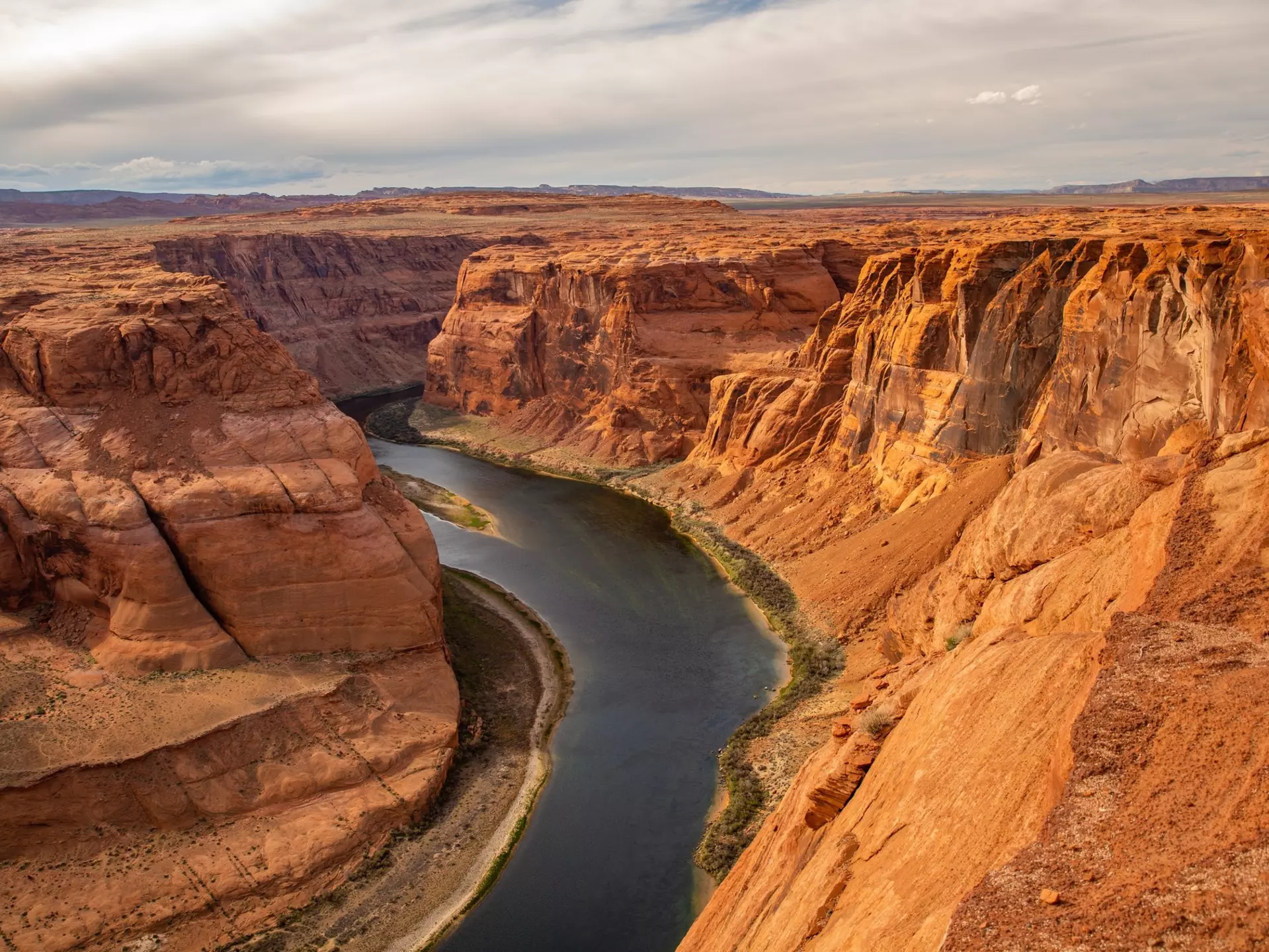
The Grand Canyon is a 277-mile-long, mile-deep gorge in northern Arizona, carved by the Colorado River through layered rock that records nearly two billion years of geologic history. It is one of the most complete rock records on Earth, and the park service calls it one of the greatest examples of erosion anywhere in the world.
That is the textbook version. The lived version is stranger. The canyon is not a single chasm. It is a maze of side canyons, plateaus, and tributary gorges, and the Colorado River does not flow through the deepest or most dramatic section for much of its length. The rock layers tell a story of oceans, deserts, and volcanic eruptions that came and went long before the canyon existed. Standing on the rim, you are looking at the exposed pages of a book that took two billion years to write.
I have been to the canyon three times now, and the thing that still gets me is not the size. It is the silence. Even with hundreds of people at Mather Point, the canyon absorbs sound in a way that makes the crowd feel irrelevant. The scale is so far beyond human reference points that your brain keeps trying to shrink it and fails.
South Rim vs. North Rim vs. West Rim: Which one should you visit?
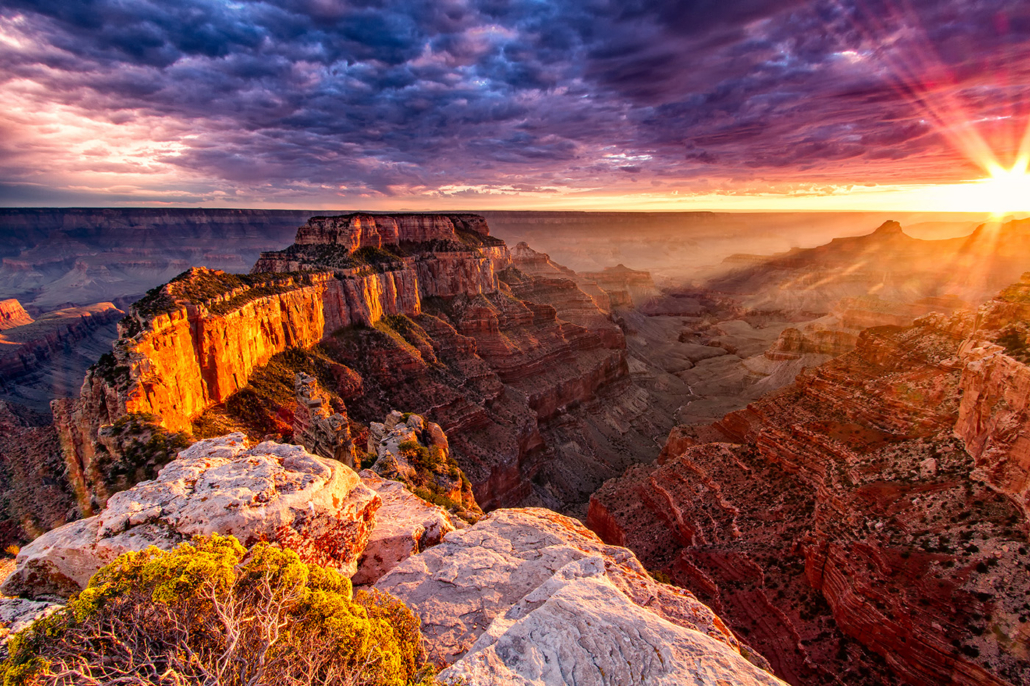
This is the question I get most often, and it is the one that matters most. The three rims are not variations of the same experience. They are different trips with different logistics, costs, and payoffs. Choosing wrong can mean driving four hours in the wrong direction.
South Rim
- Open year-round, 24 hours a day
- Most lodging, restaurants, and shuttle service
- Best for first-timers and families
- Closest major airport: Flagstaff, about 1.5 hours
- Elevation 7,000 feet, cooler than you expect
North Rim
- Open mid-May to mid-October only
- 1,000 feet higher, cooler, and greener
- Far fewer crowds, more remote feel
- Closest airport: St. George, Utah, about 2.5 hours
- Limited services, reserve lodging early
West Rim
- Not part of the national park
- Hualapai Tribal land, requires separate ticket
- Home of the Skywalk glass bridge
- About 4 hours from the South Rim
- Popular as a day trip from Las Vegas
Maya’s honest take: “If it is your first time and you only have one day, go to the South Rim. If you have two or more days and want quiet, go to the North Rim. The West Rim is a different product entirely, and I wish more guides said that plainly instead of treating all three as interchangeable.”
The West Rim deserves a specific warning. It is often marketed as “the Grand Canyon” in Las Vegas tour packages, but it is not managed by the National Park Service, and your America the Beautiful annual pass does not work there. The Skywalk requires a separate ticket, and you cannot take your own photos on the bridge. Check current ticket prices directly with the operator before you book. If you want the national park experience, the West Rim is not it.
How much does it cost to visit the Grand Canyon?
I have tracked my Grand Canyon spending across three trips, and the range is wider than most people expect. A bare-bones visit can cost under $100 per person. A comfortable multi-day trip with lodging inside the park can run into the thousands. Here is the real breakdown.
Entrance fees
- $35 per vehicle for 7 days (verify current rates on the NPS site)
- $30 per motorcycle for 7 days (confirm current rates)
- $20 per person on foot or bike for 7 days (check current fees)
- America the Beautiful annual pass: $80 (confirm current price)
Lodging inside the park
- Budget cabins: $90 to $150 per night (check current rates)
- Mid-range rooms: $150 to $250 per night (confirm availability)
- Historic El Tovar: $250 to $500 per night (verify current pricing)
- Camping at Mather Campground: $18 per night (confirm current rates)
Activities
- Mule ride to Phantom Ranch: $150 to $600 depending on trip length (check current rates)
- Colorado River rafting: $1,500 to $6,000 for multi-day trips (confirm with outfitters)
- Helicopter tour: $200 to $500 per person (verify current pricing)
- Guided hiking tours: $50 to $200 per person (check operator rates)
One cost I consistently underestimate: food. The South Rim has limited dining options, and prices reflect the remote location. A basic meal runs $15 to $25 per person (check current menu prices). I now pack my own lunch and snacks for day trips, which saves about $30 per day for two people.
If you are booking lodging, compare options on Booking.com for Tusayan and Williams, the two gateway towns just outside the park. In-park lodging books up six to twelve months in advance, especially for spring and fall. If you want a vacation rental with more space, Vrbo has options in the surrounding area.
What is the best time of year to visit the Grand Canyon?
Spring and fall are the sweet spots. March through May and September through November bring moderate temperatures, manageable crowds, and the best light for photography. I visited in late April once and had a South Rim morning that was cool, clear, and almost empty before 8 a.m.
Summer (June to August)
Summer is the busiest and hottest season. Inner canyon temperatures regularly exceed 100 degrees Fahrenheit, and the park service strongly warns against hiking to the river during the day. Afternoon monsoon storms roll in fast, bringing lightning and flash flood risk. If you visit in summer, start hikes before sunrise and be back on the rim by mid-morning. The South Rim itself stays cooler because of the 7,000-foot elevation.
Fall (September to November)
Fall is my favorite. The crowds thin after Labor Day, temperatures drop, and the light turns golden. The North Rim closes mid-October, so if you want to visit both rims, aim for late September or early October. Lodging still books up, so reserve early.
Winter (December to February)
Winter at the South Rim means snow, ice, and very few people. The road to the North Rim closes with the first significant snowfall and does not reopen until mid-May. Some South Rim services are reduced, but the canyon in snow is genuinely spectacular. Bring traction devices for your shoes and check road conditions before you drive.
Spring (March to May)
Spring is unpredictable. You can get snow in March and 80-degree days in May. Wildflowers bloom on the rim in April and May. The North Rim typically opens mid-May, depending on snowpack. This is a strong season for hiking the inner canyon before the heat arrives.
What are the best things to do at the Grand Canyon?
The canyon rewards people who get away from the rim. The scenic overlooks are the headline, but the real memories come from going below the rim, even just a little. Here is what I recommend, ranked by effort and payoff.
Walk the Rim Trail.
The Rim Trail runs about 13 miles along the South Rim between the village and Hermits Rest. It is paved, mostly flat, and accessible. You can walk as little or as much as you want. The shuttle stops at regular intervals, so you can walk one section and ride back. I do this every trip, usually in the early morning before the crowds arrive.
Hike below the rim.
The Bright Angel Trail and the South Kaibab Trail are the two main corridors into the canyon from the South Rim. You do not need a permit for day hikes, but you do for overnight stays below the rim. The park service is blunt about this: do not attempt to hike to the river and back in one day. It is a 4,000-foot descent and a 4,000-foot climb in extreme heat, and it is the most common cause of rescue calls in the park. Turn around at the 1.5-mile resthouse or the 3-mile resthouse on Bright Angel and you will have a great experience without risking your life.
Ride a mule
Mule trips range from a two-hour rim ride to an overnight trip to Phantom Ranch at the bottom. The overnight trips book up months in advance. Check current rates and availability through the official concessioner. I have not done the overnight mule trip myself, but I have talked to people who have, and every single one said it was worth the money and the sore legs.
Raft the Colorado River
Multi-day rafting trips through the canyon are a bucket-list experience. They range from three days to eighteen days and run $1,500 to $6,000 per person depending on length and outfitter (confirm current pricing directly with operators). These trips book up a year or more in advance. If you want to do this, start planning now, not next month.
Stargaze
The Grand Canyon is an International Dark Sky Park. On a clear, moonless night, the Milky Way is visible to the naked eye. The park runs stargazing programs in summer, and the South Rim viewing areas are open all night. Bring a red flashlight to protect your night vision and check the park calendar for ranger-led astronomy events.

What mistakes do first-time Grand Canyon visitors make?
I have made most of these myself. Some are annoying. A few are dangerous. Here is what to avoid.
Underestimating the heat and altitude
The South Rim sits at 7,000 feet. The inner canyon can be 20 to 30 degrees hotter than the rim. People arrive from sea level, feel fine at the rim, and then descend into heat they are not prepared for. Drink more water than you think you need. Eat salty snacks. Turn around before you feel tired, not after.
Trying to see both rims in one day
The drive from the South Rim to the North Rim is about 4.5 hours, and the North Rim is only open seasonally. People regularly ask if they can do both in a single day. You can drive it, but you will spend more time in the car than at the canyon. Pick one rim and do it properly.
Confusing the West Rim with the national park
The West Rim is not the Grand Canyon National Park. It is Hualapai tribal land, it has its own ticket structure, and your national park pass does not apply. If you want the national park, drive to the South or North Rim.
Arriving without water or sun protection
I have seen people start the Bright Angel Trail in flip-flops with a half-empty water bottle. The park service recommends at least one liter of water per person per hour of hiking in the inner canyon. Bring a hat, sunscreen, and more water than you think you need.
Booking lodging too late
In-park lodging at the South Rim books up six to twelve months in advance for peak seasons. If you are planning a spring or fall trip, start looking now. Gateway towns like Tusayan and Williams have more availability, but they add a 15 to 60-minute drive to the rim.
Ignoring shuttle bus rules
Private vehicles are restricted on Hermit Road for most of the year. You have to use the shuttle. The shuttle is free and runs frequently, but it adds time to your day. Plan for it. The same applies to the Kaibab Rim Route during peak season.
Skipping the visitor center
The Grand Canyon Visitor Center shows a film about the canyon and has rangers who can answer questions about current conditions, closures, and trail safety. It takes twenty minutes and it will make the rest of your visit better. I skipped it on my first trip and regretted it.
Who are the original stewards of the Grand Canyon?
The Grand Canyon is not just a natural landmark. It is the ancestral homeland of eleven Tribal Nations, including the Havasupai, Hualapai, Navajo, Hopi, and Zuni peoples. Their connection to this landscape predates the national park by thousands of years, and it continues today.
The Havasupai people live inside the canyon at Supai Village, accessible only by helicopter, mule, or a long hike. The Hualapai manage the West Rim and the Skywalk. The Navajo Nation borders the park to the east. The National Park Service works with these tribes on land management and cultural preservation, and it acknowledges their stewardship on the park website.
I think it matters to say this plainly: the Grand Canyon was not discovered in 1540 by European explorers. It was home. When you visit, you are a guest on land that has been cared for by Indigenous peoples for generations. Respect that. Stay on trails, do not remove artifacts or rocks, and take a moment to learn whose land you are standing on.
Frequently asked questions
How deep is the Grand Canyon?
The Grand Canyon averages about one mile deep, or roughly 5,000 to 6,000 feet, depending on where you measure. The deepest section is about 6,000 feet near the North Rim. The canyon is 277 miles long and up to 18 miles wide at its widest point.
How old is the Grand Canyon?
The rock layers exposed in the canyon are nearly two billion years old, but the canyon itself is much younger. Geologists generally agree the Colorado River began carving the canyon around five to six million years ago, though some recent research suggests parts of the canyon may have formed earlier. The exact timeline is still debated.
Can you see the Grand Canyon from space?
Yes. The Grand Canyon is large enough to be visible from low Earth orbit, and astronauts have photographed it. It is not visible to the naked eye from the Moon, despite a persistent myth. From the International Space Station, it appears as a distinctive winding feature in the Arizona landscape.
Is the Grand Canyon one of the Seven Natural Wonders of the World?
The Grand Canyon is widely included in lists of the Seven Natural Wonders of the World, though there is no single official list. It is also a UNESCO World Heritage Site, designated in 1979. It is one of the most recognized natural landmarks on the planet.
Do I need a permit to hike the Grand Canyon?
You do not need a permit for day hikes on the main South Rim trails like Bright Angel and South Kaibab. You do need a backcountry permit for overnight stays below the rim, including camping at Phantom Ranch or along the river. Permits are issued through a lottery system and book up months in advance.
Which rim of the Grand Canyon is best for first-time visitors?
The South Rim is the best choice for first-timers. It is open year-round, has the most lodging and dining, offers the widest range of viewpoints and trails, and is the easiest to reach from major airports. The North Rim is quieter and greener but only open mid-May to mid-October and more remote.
How much does it cost to visit the Grand Canyon?
Entrance fees are $35 per vehicle for seven days at the South and North Rims (verify current rates on the NPS site). Lodging ranges from $18 per night for camping to $500 per night for historic hotel rooms (check current rates). Activities like mule rides and helicopter tours cost extra. A basic day visit for a family of four in a car can cost under $100 plus food and gas.
What should I pack for the Grand Canyon?
Bring layers, sun protection, and more water than you think you need. The rim can be 30 degrees cooler than the inner canyon. Sturdy hiking shoes, a hat, sunscreen, and salty snacks are essential. In winter, bring traction devices for icy trails. In summer, start hikes before sunrise to avoid the heat.
Plan your trip: booking platforms we trust
I use these platforms because they cover the specific logistics a Grand Canyon trip requires. For lodging near the park, Booking.com and Hotels.com have the widest inventory in Tusayan, Williams, and Flagstaff. For flights into Phoenix or Las Vegas, Kayak and Expedia are where I compare fares and packages. For guided tours, rafting trips, and mule rides, GetYourGuide and TripAdvisor are where I check availability and read recent reviews. Compare before you commit, because prices swing widely by season.
WakaAbuja does its best to keep all information accurate at the time of publishing. Prices, policies, and availability change regularly. Always verify with official sources before you travel. We are not liable for errors caused by outdated information. Travel insurance is strongly recommended.