
advertisement
Best Beaches in Thailand: 12 Picks Mapped by Region, Budget, and Crowd Level
Fact-Checked By: Maya Whitfield, Senior Travel Editor at WakaAbuja — Senior Travel Editor at WakaAbuja
The best beach in Thailand depends entirely on what you want from it. For diving and snorkeling, Koh Lipe and Ko Tao lead. For families and easy access, Kata Noi in Phuket and Chaweng on Koh Samui are the safest picks. For rock climbing and limestone scenery, Railay Beach in Krabi is unmatched. For a quieter Andaman alternative, Khao Lak and Koh Kradan deliver without the crowds. Budget travelers should look at the Gulf Islands between November and February, when ferry prices and guesthouse rates drop to around 500 to 900 Thai baht per night (roughly $15 to $25; confirm current exchange rates and local prices before booking).
Thailand has roughly 1,400 islands and about 3,200 kilometers of coastline, so “best beach” is not one answer. It is a question about your trip. I have spent parts of three winters in Thailand, and the beaches I loved most were not the ones on the postcards. They were the ones that matched the day I was having.
This guide sorts the 12 best by region, cost, and what you will actually do there, so you can stop scrolling and start planning.
Jump to: At a Glance | Andaman Coast | Gulf Islands | East Seaboard | Best Time | Budget | FAQ
Key takeaways
- Thailand’s beaches split into three zones: the Andaman coast, the Gulf Islands, and the east seaboard. Each has a different monsoon season, so timing matters more than which beach you pick.
- Maya Bay in the Phi Phi Islands charges a national park entry fee of around 400 Thai baht per person (confirm current fees at the park entrance).
- Ferry and speedboat transfers between islands typically run 300 to 700 Thai baht per leg (check current rates with the operator on arrival).
- Budget guesthouses on the Gulf islands start around 500 to 900 Thai baht per night in low season (verify current prices before you book).
- Railay Beach is reachable only by boat, even though it sits on the mainland in Krabi province.
- The Andaman coast is best from November to April. The Gulf Islands are best from February to September. The east seaboard peaks from November to February.
- Family-friendly beaches with calm, shallow water are concentrated in Phuket and Koh Samui, not on the party islands.
Which Thai beach is right for you? Compare all 12 at a glance.
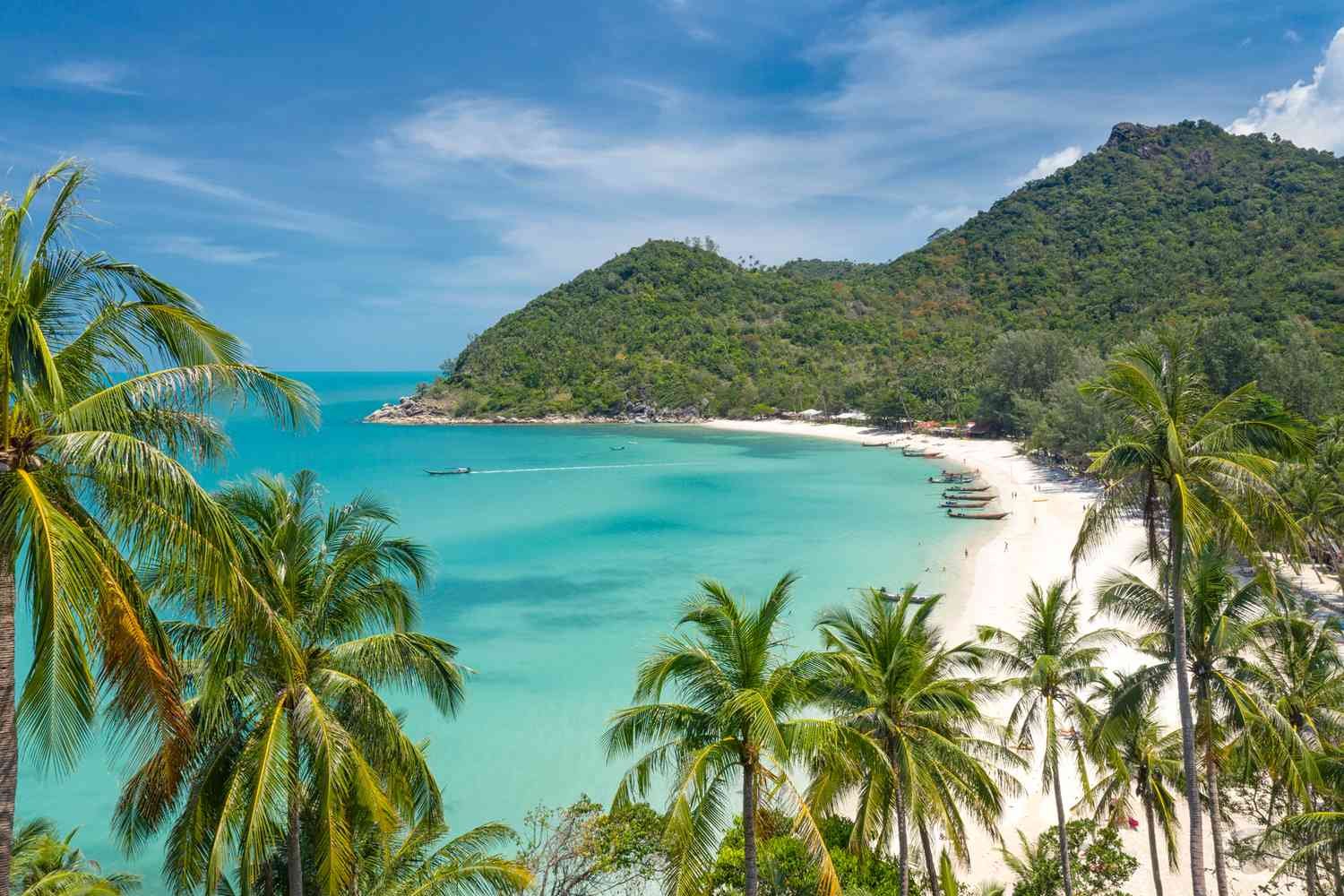
:max_bytes(150000):strip_icc()/TAL-bottle-beach-THAIBEACHESDOTY25-702d20d42dce4825bac3adc5ec4662ce.jpg "Thailand's Best Beaches: 12 Picks by Region, Budget & What You'll Do There 1")
Most beach lists make you read 2,000 words before you know whether a beach is a fit. This one starts with the comparison so you can shortlist in thirty seconds and read only what matters. I built this after watching a friend book a Koh Pha Ngan party hostel while traveling with a toddler. It did not go well.
Best for diving and snorkeling
- Koh Lipe, Satun province
- Ko Tao, Surat Thani province
- Koh Kradan, Trang province
Best for families
- Kata Noi, Phuket
- Chaweng Beach, Koh Samui
- Khao Lak, Phang Nga province
Best for scenery and adventure
- Railay Beach, Krabi
- Maya Bay, Phi Phi Islands
- Haad Rin, Koh Pha Ngan
Best for quiet and low crowds
- Koh Kradan, Trang province
- Koh Lanta’s Klong Nin
- Hat Sai Kaew, Koh Samet
The best beaches on Thailand’s Andaman coast
The Andaman coast runs from Ranong down to Satun and includes Phuket, Krabi, Phang Nga, Trang, and the Phi Phi Islands. This is the side of Thailand that produces the postcard photos, and it is also the side with the most developed tourism infrastructure. The trade-off is real: better transport, more restaurant choice, and more people on every beach.
Kata Noi Beach, Phuket
Kata Noi is the quiet sibling of Kata Beach, separated by a headland and reachable by a short walk over the hill. The water is calm from November through April, and the cove shape protects it from the worst of the swell. This is the beach I recommend to families who want Phuket convenience without Patong noise.
Getting there: About 20 minutes by taxi or songthaew from Patong, roughly 400 to 600 Thai baht (confirm current fares with your driver). Phuket International Airport is about 50 minutes away.
Insider tip: Go before 9 AM or after 4 PM. Midday brings tour groups from Kata Beach, and the parking area fills by 10 AM.
Railay Beach, Krabi
Railay is not an island, but you can only reach it by boat because limestone cliffs cut it off from the mainland. That is the whole appeal. The beach is split into Railay West and Railay East, with Phra Nang Beach around the corner. Rock climbers have been coming here for decades, and the climbing schools still rent gear by the day.
Getting there: Longtail boats from Ao Nam Mao or Ao Nang, about 100 to 200 Thai baht per person each way (confirm current rates at the pier). The ride takes 15 to 20 minutes.
Insider tip: Stay overnight if you can. Day-trippers leave by 5 PM, and the beach becomes almost empty at sunset.
Maya Bay, Phi Phi Islands
Maya Bay became famous after the film The Beach, and the crowds that followed forced a closure in 2018. It reopened with strict limits on visitor numbers and boat anchoring. You can still visit, and it is still stunning, but it is not a relaxed beach day. It is a timed, regulated experience.
Getting there: Day trips from Phuket or Koh Phi Phi, typically 1,200 to 2,500 Thai baht per person, including the national park fee (confirm current prices with the tour operator). The park entry fee alone is around 400 Thai baht (check current fees at the entrance).
Insider tip: Book a tour that arrives before 9 AM. The light is better and the beach is less packed. Do not expect to swim in the bay itself, as swimming is restricted in parts.
Koh Lipe, Satun province
Koh Lipe sits near the Malaysian border and is the best snorkeling beach destination in Thailand for most travelers. The island has three main beaches: Pattaya, Sunrise, and Sunset. Pattaya Beach has the best infrastructure and the calmest water from November to April.
Getting there: Speedboat from Pak Bara pier in Satun, about 1.5 hours, roughly 600 to 800 Thai baht each way (check current rates with the operator).
Insider tip: Stay on Sunrise Beach if you want quiet. Pattaya Beach has the bars and the boat traffic.
Khao Lak, Phang Nga province
Khao Lak is a stretch of coastline rather than a single beach, and it is the most family-friendly Andaman option after Phuket. The area was rebuilt after the 2004 tsunami and now has a mix of resorts and small guesthouses. The beach at Nang Thong is long, flat, and calm from November to April.
Getting there: About 1 hour 15 minutes by car from Phuket International Airport, roughly 1,200 to 1,800 Thai baht by private transfer (confirm current fares with your provider).
Insider tip: Low season here is genuinely quiet, but many restaurants close from May to October.
Klong Nin Beach, Koh Lanta
Koh Lanta is the relaxed alternative to Phuket and Phi Phi. Klong Nin is on the west coast and has a long stretch of sand with bars and restaurants right on the beach. The sunsets here are the best I have seen in Thailand.
Getting there: Ferry from Krabi or Phuket, or via the car ferry from the mainland. Ferry prices run 300 to 500 Thai baht (confirm current rates with the operator).
Insider tip: Rent a scooter to explore the island. The road down the west coast is easy, and the beaches get quieter the further south you go. Scooter rental is roughly 250 to 350 Thai baht per day (check current rates and your insurance coverage before you ride).
Koh Kradan, Trang province
Koh Kradan is the beach that people mean when they say “Thailand used to be like this.” It is small and mostly undeveloped, and the snorkeling off the beach is excellent. There are only a handful of places to stay, so book ahead if you are going in high season.
Getting there: Speedboat from Trang’s Hat Yao pier, about 45 minutes, roughly 400 to 600 Thai baht (confirm current rates).
Insider tip: There are no ATMs on the island. Bring cash. Also bring reef-safe sunscreen, as the coral here is genuinely alive.
The best beaches on Thailand’s Gulf Islands
The Gulf Coast runs from Hua Hin down through Koh Samui, Koh Pha Ngan, and Ko Tao. The monsoon pattern here is the opposite of the Andaman coast, which is why savvy travelers pick one side or the other depending on the month. The Gulf Islands are also where the party scene lives, for better and for worse.
Chaweng Beach, Koh Samui
Chaweng is the most developed beach on Koh Samui and the easiest Gulf beach for families. The sand is fine, the water is shallow for a long way out, and there are restaurants and hotels at every price point. It is not quiet, but it is convenient.
Getting there: Direct flights to Koh Samui from Bangkok take about 1 hour 15 minutes, or take the ferry from Donsak pier on the mainland, about 1.5 hours (confirm current ferry and flight prices).
Insider tip: The northern end of Chaweng is quieter than the southern end. If you want calm, book there.
Haad Rin, Koh Pha Ngan
Haad Rin is the home of the Full Moon Party, which means it is either exactly what you want or exactly what you should avoid. On non-party nights, the beach is pleasant and the water is clear. On party nights, it is loud until sunrise.
Getting there: Ferry from Koh Samui, about 30 minutes, roughly 200 to 300 Thai baht (check current rates with the operator).
Insider tip: Check the Full Moon Party calendar before you book. If you want quiet, stay on the other side of the island and visit Haad Rin for a day.
Ko Tao
Ko Tao is the diving capital of Thailand. The island is small, the beaches are on the quiet side, and the snorkeling and dive sites are world-class for beginners. Sairee Beach is the main beach and has the most infrastructure.
Getting there: Ferry from Koh Samui or Chumphon, roughly 1.5 to 2 hours, about 400 to 600 Thai baht (confirm current rates).
Insider tip: Book a dive course if you have time. Certification here is cheaper than almost anywhere else in the world, around 9,000 to 11,000 Thai baht for an open water course (verify current prices with the dive school).
Sairee Beach, Ko Tao
Sairee Beach is the main strip on Ko Tao, and it is where most visitors end up. It is a long curve of sand with bars, dive shops, and restaurants along the shore. The water is calm from February to September.
Getting there: A short walk or taxi from the pier, depending on where you stay.
Insider tip: The north end of Sairee is quieter and has better snorkeling. The south end is the party zone.
Hat Sai Kaew, Koh Samet
Koh Samet is the closest island beach to Bangkok, which makes it popular for weekend trips. Hat Sai Kaew is the main beach, and it is white, wide, and busy. It is not the most peaceful beach in Thailand, but it is the easiest to reach from the capital.
Getting there: About 3 hours by car from Bangkok to Ban Phe pier, then a 30-minute ferry, roughly 100 to 200 Thai baht (confirm current rates).
Insider tip: Go midweek. Weekends bring crowds from Bangkok and the beach gets packed.
The best beaches on Thailand’s east seaboard
The east seaboard, mainly Trat province, is the quietest of Thailand’s three beach zones. It is where Bangkok residents go when they want a short flight or drive without the Phuket crowds. The beaches here are not as dramatic as the Andaman, but they are calm, affordable, and often empty.
White Sand Beach, Koh Chang
Koh Chang is the largest island in the Koh Chang archipelago and the most developed. White Sand Beach is the main beach, with a long stretch of sand and a good mix of resorts and budget bungalows. The water is calm from November to February.
Getting there: About 5 hours by car from Bangkok to the ferry pier, then a 30-minute ferry, roughly 80 to 120 Thai baht (check current rates).
Insider tip: The northern end of White Sand Beach is quieter and has better sunset views.
Lonely Beach, Koh Chang
Lonely Beach is not lonely anymore, but it is still the budget and backpacker end of Koh Chang. The beach is smaller and the vibe is more relaxed than White Sand. It is a good base if you want cheap accommodation and easy access to the rest of the island.
Getting there: About 20 minutes by songthaew from the ferry pier, roughly 100 to 150 Thai baht (confirm current fares).
Insider tip: The beach is best at high tide. At low tide, the water recedes a long way and the swimming is less pleasant.
When is the best time to visit Thailand’s beaches?
The single most important planning fact about Thai beaches is that the two coasts have opposite monsoon seasons. Pick the wrong coast in the wrong month and you will spend your holiday watching rain from a bar. Pick the right one and you get calm water and clear skies.
Andaman coast
Best: November to April
Avoid: May to October, when the southwest monsoon brings rain and rough seas. Many boat services to smaller islands shut down entirely.
Gulf islands
Best: February to September
Avoid: October to December, when the northeast monsoon hits. November is historically the wettest month on Koh Samui.
East seaboard
Best: November to February
Avoid: June to September, when the southwest monsoon brings rain and rough water to Koh Chang and Koh Samet.
If you are planning a trip that covers both coasts, plan it around the shoulder months of February to April. That is the window when both sides of the peninsula are reasonably dry and the water is calm on both coasts. It is also peak season, so book accommodation and transport early.
How much does a Thailand beach trip cost?
Thailand is still one of the best-value beach destinations in the world, but prices have risen since the pandemic, especially on Phuket and Koh Samui. Here are realistic daily ranges based on what I have paid and what I have confirmed with operators.
Accommodation
Budget guesthouses and hostels run 500 to 900 Thai baht per night in low season and 900 to 1,500 Thai baht in high season (confirm current prices before booking). Mid-range beach resorts run 1,500 to 4,000 Thai baht per night, and luxury resorts on Phuket or Koh Samui start around 5,000 Thai baht and climb quickly (check current rates on Agoda or Booking.com).
Transport between islands
Ferries and speedboats between islands typically cost 300 to 700 Thai baht per leg (verify current rates with the operator on arrival). A combined bus and ferry ticket from Bangkok to Koh Samui or Koh Pha Ngan runs roughly 800 to 1,200 Thai baht (confirm current prices with the booking agent).
Food and drinks
Street food and local restaurants run 50 to 150 Thai baht per dish (check current prices locally). Beachfront restaurants and Western food run 200 to 500 Thai baht per dish. A large beer at a bar runs 80 to 150 Thai baht.
Activities
Snorkeling day trips run 800 to 1,500 Thai baht per person (confirm current prices with the tour operator). Dive courses run 9,000 to 11,000 Thai baht. Rock climbing half-day courses at Railay run 1,000 to 1,500 Thai baht (verify current rates with the climbing school).
A realistic budget for a mid-range traveler is 2,500 to 4,000 Thai baht per day (roughly $70 to $115, confirm current exchange rates). A backpacker can do it on 1,200 to 1,800 Thai baht per day (roughly $35 to $50). Families should budget 5,000 to 8,000 Thai baht per day for a comfortable resort stay with meals and activities.
What are the most common mistakes when choosing a Thai beach?
I have made most of these, and I have watched friends make the rest. The pattern is usually the same: choosing a beach based on a photo instead of a season or a vibe.
Booking the wrong coast in the wrong month
This is the biggest mistake. Phuket in July is not the same as Phuket in January. Check the monsoon pattern before you book flights, not after.
Assuming all islands are easy to reach
Koh Lipe and Koh Kradan are beautiful but remote. Getting there takes most of a day from Bangkok, and ferry schedules are limited in low season. Factor in the transit time.
Underestimating the party scene
Haad Rin and parts of Chaweng are loud at night. If you want quiet, book away from the main strip. Do not book a beachfront room on Haad Rin during Full Moon Party week and then complain about noise.
Skipping travel insurance
Motorbike accidents are common on Thai islands, and medical evacuation from a remote island is expensive. Insurance is not optional here. Our guide to travel insurance for travelers covers the basics.
Not bringing enough cash
Smaller islands like Koh Kradan and parts of Koh Lipe have no ATMs or unreliable ones. Bring more cash than you think you need, and keep it somewhere dry.
Ignoring the environment
Coral bleaching and overtourism are real problems on the Andaman coast. Use reef-safe sunscreen, do not touch the coral, and choose operators that follow national park rules. Maya Bay’s closure and reopening is a direct result of visitor pressure.
Frequently asked questions
What is the best beach in Thailand for families?
Kata Noi in Phuket and Chaweng Beach on Koh Samui are the best family beaches. Both have calm, shallow water, easy access to restaurants and pharmacies, and a good range of family-friendly accommodation. Khao Lak is the quieter alternative with similar facilities.
Which Thai beach is best for snorkeling and diving?
Koh Lipe in Satun province and Ko Tao in the Gulf are the top choices. Koh Lipe has clear water and easy reef access from the beach. Ko Tao is the cheapest place in the world to get dive certified, with courses starting around 9,000 Thai baht (confirm current prices with the dive school).
When is the best time to visit Thailand’s beaches?
The Andaman coast is best from November to April. The Gulf islands are best from February to September. The east seaboard is best from November to February. If you want to visit both coasts on one trip, aim for February to April.
How much does a beach trip to Thailand cost per day?
Backpackers can manage on 1,200 to 1,800 Thai baht per day (roughly $35 to $50, confirm current exchange rates). Mid-range travelers should budget 2,500 to 4,000 Thai baht per day. Families staying at resorts should plan for 5,000 to 8,000 Thai baht per day including meals and activities.
Can I visit Maya Bay in the Phi Phi Islands?
Yes, but with restrictions. Maya Bay reopened after a closure with limits on visitor numbers and boat anchoring. The national park entry fee is around 400 Thai baht (check current fees at the entrance). Day tours from Phuket or Koh Phi Phi cost 1,200 to 2,500 Thai baht per person (confirm current prices with the operator).
Which Thai beach is closest to Bangkok?
Hat Sai Kaew on Koh Samet is the closest island beach to Bangkok, about 3 hours by car plus a 30-minute ferry. Hua Hin is the closest mainland beach, about 2.5 to 3 hours by car or train.
Do I need a visa to visit Thailand’s beaches?
Most nationalities can enter Thailand visa-free for 30 to 60 days depending on their passport. Rules change periodically, so check the official Thai immigration website or your nearest embassy before booking. Our visa guides cover the common questions.
Plan your trip: booking platforms we trust
I use these platforms because each one fits a specific part of a Thailand beach trip. Agoda has the best inventory of Thai hotels and guesthouses, especially on the islands. Booking.com is my general search tool. For flights into Bangkok, Phuket, or Krabi, Kayak and Expedia give me the clearest price comparison. Island tours and dive trips get booked through GetYourGuide, and I check TripAdvisor reviews before I commit to any operator.
Agoda
Best for Thai hotel and guesthouse deals across the islands.
Booking.com
General hotel search for Bangkok, Phuket, Krabi, and Koh Samui.
Kayak
Flight price comparison into Bangkok and regional airports.
Expedia
Flight and hotel packages for island-hopping routes.
GetYourGuide
Island tours, snorkeling trips, and dive courses.
TripAdvisor
Reviews and restaurant finds before you book any operator.
WakaAbuja does its best to keep all information accurate at the time of publishing. Prices, policies, and availability change regularly. Always verify with official sources before you travel. We are not liable for errors caused by outdated information. Travel insurance is strongly recommended.