
Travel to Kyoto: How to Plan Your Trip (Itinerary, Costs & Best Time to Go)
Travel to Kyoto works best with 3 to 4 full days, ideally in spring for cherry blossoms (late March to early April) or autumn for maple foliage (mid-November to early December). A mid-range daily budget runs around US$111 per person, covering accommodation, food, local transport, and temple entry fees (confirm current rates with your booking platform). Kyoto has 1,600 temples, but the city is best explored by neighborhood rather than trying to see everything. The official Kyoto City tourism site provides real-time event calendars and safety guidelines that any visitor should check before arriving.
I have visited Kyoto four times across three different seasons, and I have made almost every mistake a first-timer can make. I have stood in a 45-minute bus queue while watching a taxi glide past. I have paid US$30 for a mediocre lunch within walking distance of better options at half the price. I have arrived at Fushimi Inari at 10 AM and wondered why anyone would voluntarily subject themselves to that.
What I have learned is that Kyoto is not a city you conquer through a checklist. It rewards planning, timing, and the willingness to walk ten minutes away from the main road. The official Kyoto City guide gives you the events and the rules, but it does not tell you how to structure a trip that actually works on the ground.
Jump to: Key Takeaways | How Many Days | 3-Day Itinerary | Daily Costs | Where to Stay | Best Time to Go | Etiquette Rules | FAQ
Key takeaways
- Plan for 3 to 4 full days in Kyoto. Anything less and you are just rushing between temples.
- The average daily cost for a mid-range traveler is around US$111 per person, covering a business hotel, moderate meals, and public transit (confirm current rates with your booking platform).
- Stay near Kyoto Station for transport convenience or in Gion/Higashiyama for atmosphere. Arashiyama is beautiful but isolated.
- Fushimi Inari and Arashiyama Bamboo Grove are free and open 24 hours. Go before 7 AM to avoid the crowds.
- Cherry blossom season (late March to early April) and autumn foliage (mid-November to early December) are the most beautiful but also the most crowded and expensive.
- Kyoto has specific etiquette rules: do not chase geiko for photos in Gion, do not carve into bamboo, and use only licensed taxis with green license plates.
- A one-day Kyoto bus and subway pass costs around US$6 and pays for itself if you take more than two rides (confirm current rates on the official Kyoto City transport site).
How many days do you need in Kyoto?
Three full days is the minimum for a meaningful first visit. That gives you one day for eastern Kyoto (Higashiyama), one day for Arashiyama and the western temples, and one day for the central area plus Fushimi Inari. Four days is better if you want to add a day trip to Nara or Osaka, or if you prefer a slower pace.
I tried a two-day Kyoto trip once. I saw Kiyomizu-dera, Fushimi Inari, and the Golden Pavilion, but I remember the buses more than the temples. Kyoto is not a city you can compress without losing what makes it worth visiting.
If you only have two days, pick one neighborhood and go deep rather than trying to cover the whole city. Higashiyama alone can fill two days if you include Kiyomizu-dera, Yasaka Shrine, the Gion district, and the smaller temples along the Philosopher’s Path.
Maya Whitfield’s honest take: “The single best decision I made on my last Kyoto trip was cutting my temple list in half. I spent three hours at Kiyomizu-dera instead of rushing through five temples. That one morning is what I remember most.”
What does a 3-day Kyoto itinerary look like?
This itinerary is built around the reality of Kyoto crowds. It puts the most popular spots at the edges of the day when they are empty and saves the less crowded areas for midday. It assumes you are staying near Kyoto Station or in central Kyoto.
Day 1: Eastern Kyoto (Higashiyama)
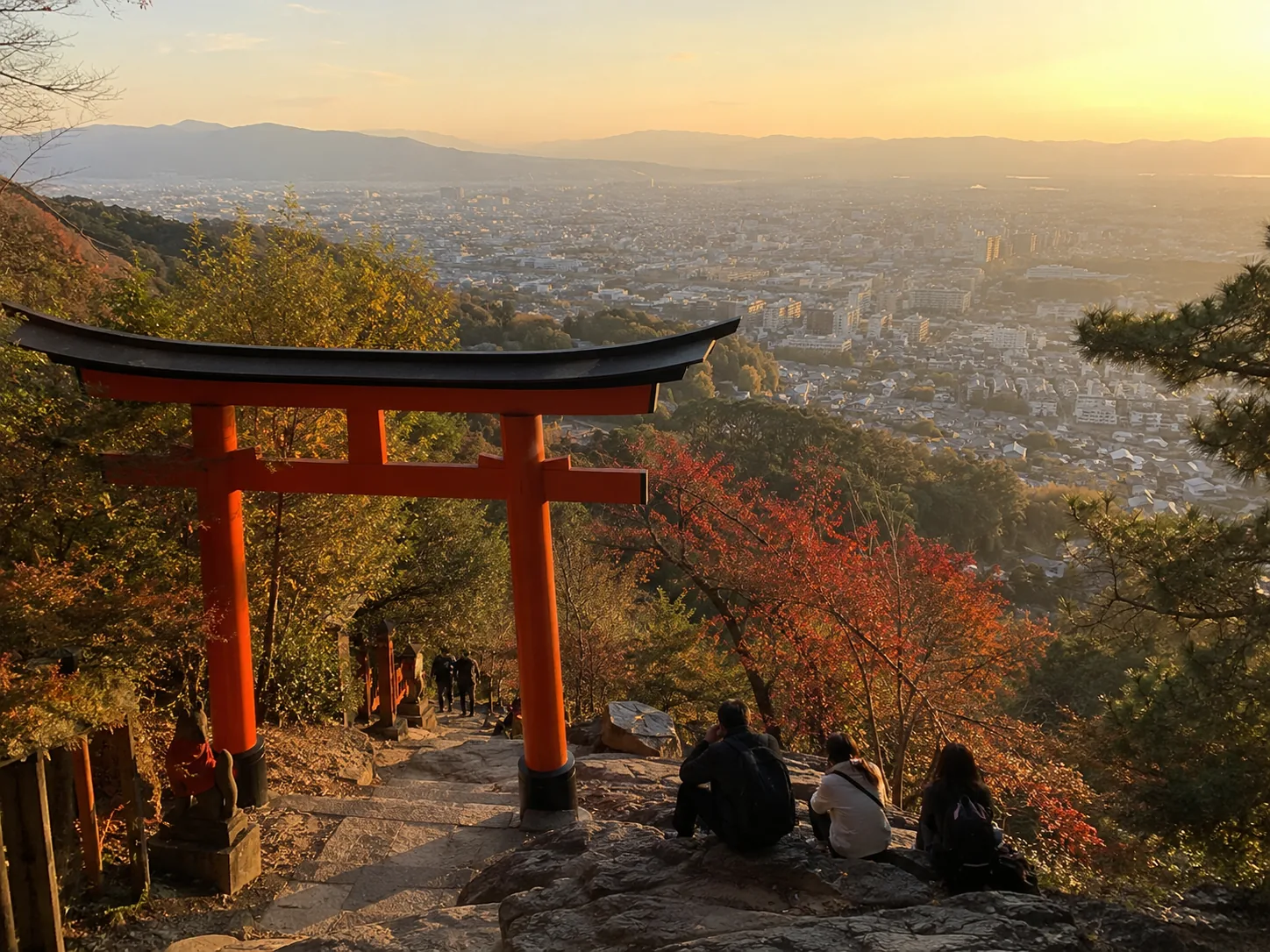
Start at Fushimi Inari at 7 AM. The shrine is open 24 hours and free. The lower gates are busy even at that hour, but most people turn around after 20 minutes. Walk to the top and you will have the upper trails almost to yourself.
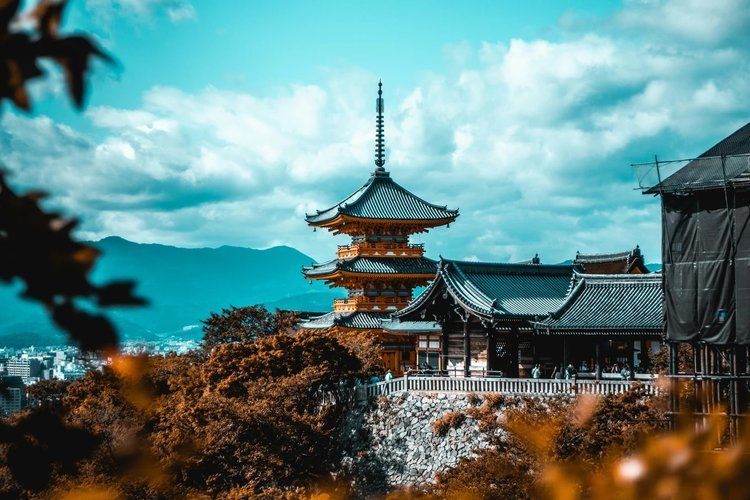
Take the train to Kiyomizu-dera. The temple opens at 6 AM, but arriving by 9 AM still beats the tour bus rush. The wooden veranda offers panoramic views of the city, and the walk down through Sannenzaka and Ninenzaka is one of the best free experiences in Kyoto.
Spend the afternoon in Gion. Walk Hanamikoji Street and the smaller lanes along the Shirakawa Canal. Do not chase Geiko for photos. The official Kyoto tourism guidelines explicitly ask visitors to respect privacy in this residential district. Dinner at a local restaurant in Gion or Pontocho Alley. Expect to pay US$15 to US$25 per person for a good meal (confirm current prices on-site).
Day 2: Arashiyama and the Western Temples
Arrive at the Arashiyama Bamboo Grove before 7:30 AM. The grove is smaller than photos suggest, and by 9 AM it is shoulder-to-shoulder. After the bamboo, visit Tenryu-ji Temple and the Okochi Sanso Villa, which includes tea with the entry fee of around US$7 (check current rates at the gate).
In the afternoon, take the bus or train to Kinkaku-ji (Golden Pavilion). Entry costs around US$3.50 (confirm current rates at the ticket office). Arrive at opening time or after 3 PM to avoid the worst crowds. Combine with Ryoan-ji and its famous rock garden on the same bus line.
If you have energy left, stop at Nishiki Market in central Kyoto for dinner. The market closes around 5 PM, so go before then. Try tamagoyaki (rolled omelet), fresh mochi, and pickled vegetables.
Day 3: Central Kyoto and Imperial History
Start at Nijo Castle, famous for its nightingale floors that chirp when walked on. Entry is around US$9 (check current rates on the official site). The gardens are beautiful, and the castle is rarely as crowded as the temples.
Walk to the Kyoto Imperial Palace, which is free to enter. Bring your passport for registration at the gate. The palace grounds are large, peaceful, and almost always uncrowded.
Spend the afternoon at the Kyoto City KYOCERA Museum of Art or the Murin-an garden villa in Higashiyama. Both offer a quieter alternative to the temple circuit. End the day at the Kamogawa River, where locals gather to relax at sunset.
What does a trip to Kyoto actually cost?
Kyoto is moderately priced compared to Tokyo or Osaka. The average daily cost for a mid-range traveler is around US$111 per person, covering accommodation, food, transport, and activities. Budget travelers can do it for US$60 to US$80 per day using hostels and convenience store meals. Luxury travelers will spend US$300 or more per night on five-star accommodation alone.
Here is what you can expect to pay for each major category.
Accommodation per night
- Hostel dorm bed: US$11 to US$42 (confirm current rates on Booking.com).
- Business hotel: US$40 to US$60 off-season, US$70 to US$100 in peak season.
- Mid-range hotel: US$128 to US$165 per night.
- Five-star hotel: US$466 per night on average.
- Traditional ryokan: US$200 to US$500 per night, including meals.
Food per day
- Convenience store breakfast: US$3 to US$4.
- Set meal lunch: US$8 to US$12.
- Casual dinner: US$15 to US$25.
- Kaiseki (traditional multi-course): From US$50 (confirm current prices at the restaurant).
- Realistic daily food budget: US$20 to US$30.
Transport per day
- Single bus ride: US$1.50 to US$2.
- One-day bus pass: Around US$5 (confirm current rates on the official Kyoto City transport site).
- One-day bus and subway pass: Around US$6.
Temple entry fees
- Free: Fushimi Inari, Nishiki Market, Arashiyama Bamboo Grove, Gion, Philosopher’s Path, Kyoto Imperial Palace.
- Paid: Kinkaku-ji US$3.50, Kiyomizu-dera US$2.75, Nijo Castle US$5.50, Ryoan-ji US$3.50 (confirm current rates at each site).
A realistic 3-day budget for a solo traveler in the off-season is US$265 to US$370, excluding international flights. During cherry blossom or autumn foliage season, add US$50 to US$80 just for accommodation (confirm current rates with your booking platform).
Where should you stay in Kyoto?
The neighborhood you choose shapes your entire trip. Kyoto is spread out, and the difference between staying near Kyoto Station and staying in Arashiyama is the difference between convenience and isolation.
Kyoto Station area: Best for transport
- Best for: First-timers, day trips, easy access to trains and buses.
- Accommodation: Business hotels from US$40 to US$60 off-season.
- Trade-off: Less atmospheric than Gion. You trade charm for convenience.
Gion and Higashiyama: Best for atmosphere
- Best for: Walking to Kiyomizu-dera and Yasaka Shrine, evening strolls in historic streets.
- Accommodation: Mid-range hotels US$80 to US$120 per night.
- Trade-off: More expensive and farther from the station, it can be noisy during peak season.
Arashiyama: Best for nature
- Best for: A quiet night surrounded by bamboo and river views.
- Trade-off: Isolated. Great for one night, not for a whole trip.
Downtown (Karasuma/Shijo): Best for dining and shopping
- Best for: Restaurants, Nishiki Market, subway access.
- Trade-off: Less historic character than Gion.
For a first visit, I recommend Kyoto Station or downtown. The transport savings alone justify the less atmospheric location. For a second visit, stay in Gion and spend your evenings walking the quiet lanes after the day-trippers leave.
What is the best time to visit Kyoto?
May is statistically the best month for weather, with warm temperatures, low rainfall, and long sunshine hours. But the two most popular times to visit are cherry blossom season in late March to early April and autumn foliage season in mid-November to early December.
Spring (March to May)
- Cherry blossoms: Late March to early April. The Philosopher’s Path, Maruyama Park, and Kiyomizu-dera are the best spots.
- Temperature: 10 to 20 degrees Celsius .
- Crowds: Extreme during blossom season. Book accommodation months ahead .
Summer (June to August)
- Weather: Hot and humid, 25 to 35 degrees Celsius .
- Festivals: Gion Matsuri in July, Gozan Okuribi in August .
- Advantage: Fewer tourists, lush green scenery .
Autumn (September to November)
- Foliage peak: Mid-November to early December .
- Best spots: Tofuku-ji, Eikando, Kiyomizu-dera .
- Temperature: 12 to 22 degrees Celsius .
Winter (December to February)
- Weather: Cold, 0 to 8 degrees Celsius. Snow is rare but spectacular when it happens .
- Advantage: Fewest tourists, lowest prices.
- Highlight: Kinkaku-ji covered in snow is one of Japan’s most beautiful sights .
Maya Whitfield’s honest take: “I visited once in late November for the autumn leaves. The colors were incredible, but every temple was packed. If I did it again, I would go in early December after the peak has passed. You still get color, and you can actually move.”
What etiquette rules should you know before visiting Kyoto?
Kyoto has specific rules that the official tourism board actively asks visitors to follow. Ignoring them can result in fines or at minimum, the kind of behavior that makes locals resent tourists .
Respect Gion’s privacy
Gion is a residential neighborhood, not a theme park. Do not chase geiko or maiko for photos. Do not photograph private property or children without permission. Do not block streets or walk in large groups that obstruct traffic. The official guidelines are clear about this because it has become a serious problem .
Do not carve into bamboo
Carving words or symbols into bamboo in Arashiyama or Fushimi Inari is a criminal offense in Japan. It damages the plants and harms the scenery. Violators face fines of up to 300,000 yen, which is roughly US$2,000 (confirm current exchange rates) .
Use only licensed taxis
Unlicensed taxis are illegal in Japan and often lack proper insurance. If you are injured in one, you may not be covered. Licensed taxis have green license plates. Ride-share apps operating illegally use private vehicles with white plates .
Follow photography rules
Photography is only permitted in designated areas at many temples and shrines. Respect the signs. At some smaller temples, photography is prohibited entirely inside the buildings .
Dispose of trash properly
Kyoto has fewer public trash bins than most Western cities. Carry your trash with you until you find a bin or return to your hotel. Smoking is only permitted in designated areas .
For more detailed guidelines, the official Kyoto travel guidelines page is worth reading before you go .
What mistakes should you avoid when traveling to Kyoto?
I have made most of these myself. Learn from my errors.
Relying only on buses
Kyoto’s bus system is the tourist bottleneck. Buses are slow, crowded, and confusing. The subway is faster and less crowded. Use trains where possible, and only take buses when there is no rail alternative. If you are doing Arashiyama and Fushimi Inari in one day, the bus will eat three hours .
Sleeping in and arriving at temples at 10 AM
The difference between Fushimi Inari at 7 AM and 10 AM is the difference between a spiritual experience and a queue. The same applies to Arashiyama Bamboo Grove and Kinkaku-ji. Set an alarm. It is worth it .
Staying in Arashiyama for your whole trip
Arashiyama is beautiful and worth a visit, but it is isolated from the rest of Kyoto. Staying there means long commutes to every other attraction. Stay one night if you want the quiet, then move to a more central location .
Eating near major tourist sites
Restaurants within walking distance of Kinkaku-ji and Kiyomizu-dera charge tourist prices for mediocre food. Walk ten minutes in any direction and you will find better options at half the price. Or eat at Nishiki Market or near Kyoto Station .
Not carrying cash
Some smaller temples, shrines, and family-run restaurants only accept cash. Carry at least 5,000 to 10,000 yen, roughly US$35 to US$70 (confirm current exchange rates) .
Planning a cherry blossom trip without booking months ahead
Cherry blossom season and autumn foliage season sell out months in advance. If you want to visit during those periods, book accommodation as soon as reservations open, often six months or more ahead .
Frequently asked questions
How much does a trip to Kyoto cost per day?
The average daily cost for a mid-range traveler is around US$111 per person, covering accommodation, food, local transport, and temple entry fees. Budget travelers can manage on US$60 to US$80 per day. Luxury travelers should budget US$300 or more per day (confirm current rates with your booking platform) .
How many days do you need in Kyoto?
Three full days is the minimum for a first visit. That covers eastern Kyoto, Arashiyama, and the central temples. Four days is better if you want a slower pace or a day trip to Nara or Osaka .
What is the best time of year to visit Kyoto?
May has the best weather statistics, with warm temperatures and low rainfall. For scenery, cherry blossom season (late March to early April) and autumn foliage season (mid-November to early December) are the most beautiful but also the most crowded and expensive .
Where should I stay in Kyoto for my first visit?
Stay near Kyoto Station or in downtown Kyoto for transport convenience. Gion and Higashiyama offer better atmosphere but higher prices and less convenient access to trains. Avoid staying in Arashiyama for your whole trip, as it is isolated .
Is Kyoto expensive to visit?
Kyoto is moderately priced compared to Tokyo or Osaka, with an average daily cost of US$111 for mid-range travelers. Budget options exist, including hostels from US$11 per night and convenience store meals for US$3 to US$4. Peak season accommodation prices are significantly higher .
What should I avoid doing in Kyoto?
Avoid chasing geiko for photos in Gion, carving into bamboo, using unlicensed taxis, and relying only on buses for transport. Also avoid sleeping in and arriving at major temples after 9 AM, as the crowds become overwhelming .
Do I need a visa to visit Kyoto?
Kyoto is in Japan, and visa requirements depend on your nationality. US citizens and most Western passport holders receive a 90-day visa on arrival for tourism. Check the latest requirements on the WakaAbuja visa guide or the Japanese embassy in your country before booking.
Plan your trip: booking platforms we trust
I use these platforms myself. They consistently surface the best rates for Kyoto hotels, the most useful flight comparison tools, and the tours I would actually recommend to a friend.
Booking.com
Best for Kyoto hotels and ryokan with free cancellation .
Kayak
Compare flights to Tokyo or Osaka, then take the train to Kyoto.
GetYourGuide
Book temple tours, tea ceremonies, and day trips to Nara.
Agoda
Strong coverage for Asian hotel deals and ryokan bookings.
Expedia
Bundle flights and hotels for Japan package savings.
TripAdvisor
Reviews and restaurant recommendations in Kyoto.
WakaAbuja does its best to keep all information accurate at the time of publishing. Prices, policies, and availability change regularly. Always verify with official sources before you travel. We are not liable for errors caused by outdated information. Travel insurance is strongly recommended.