
Lake District: How to Plan Your First Trip, Where to Stay, and What It Costs
Some links on this page are affiliate links. We may earn a commission at no extra cost to you.
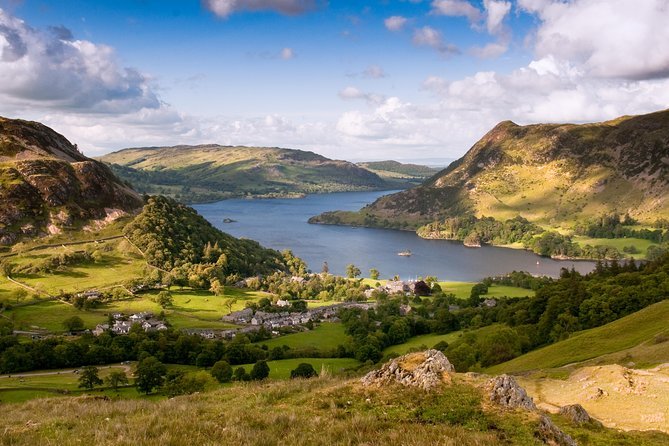
The Lake District is a national park in Cumbria, northwest England, covering over 900 square miles of lakes, fells, and market towns. First-time visitors usually base themselves in Windermere for ferry access and transport links, Ambleside for walking from the doorstep, or Keswick for a quieter town with Derwentwater on hand. A realistic three-day budget starts around £250 to £400 per person for accommodation, food, and local transport, though peak-season rates and car hire push that higher (confirm current prices with each operator before booking).
This guide is for the traveler who has never set foot in the Lakes and wants a straight answer on where to sleep, how to move around, and what the trip will actually cost. It is not for someone seeking a comprehensive list of every fall and turn.
I have built it around the decisions that matter most: your base, your transport, and your budget. The official park authority publishes detailed visitor guidance, and I have linked to it throughout so you can verify what I say.
Jump to: What and where | Who it is for | How many days | Where to stay | Best time | Getting around | What it costs | Lakes and walks | Mistakes | FAQ
Key takeaways
- The Lake District National Park sits in Cumbria and is England’s largest national park, also a UNESCO World Heritage Site.
- Windermere, Ambleside, and Keswick are the three most practical bases for a first trip, each with a different strength: transport, walking access, or quiet.
- A car is not essential. The Lakes Line runs from Oxenholme to Windermere, and buses connect the main towns and valleys.
- Parking is the hidden cost. Popular car parks fill early, and many now use RingGo cashless payment, so download the app before you go.
- Two nights is the minimum for a taste of the park; three or four lets you see more than one valley without rushing.
- Peak season runs from June to August and school holidays, when accommodation prices rise and roads around Windermere and Grasmere become congested.
- Rain is a constant possibility year-round. Pack waterproofs and have at least one indoor backup plan.
What is the Lake District, and where is it?
The Lake District is a national park in the county of Cumbria, in north-west England, roughly 90 minutes by train from Manchester and three hours from London. It covers more than 900 square miles and contains England’s highest mountain, Scafell Pike, and its deepest lake, Wastwater. The park is open all day, every day, with no gates or entrance points.
The Lake District National Park Authority manages the park and publishes visitor information on facilities, transport, and access. The region has been a UNESCO World Heritage Site since 2017, recognized for its cultural landscape shaped by centuries of farming and its association with writers including William Wordsworth and Beatrix Potter. The main gateway towns are Windermere, Ambleside, Keswick, Grasmere, Coniston, and Kendal, each sitting in a different valley with different access to the fells.
Maya’s honest take: The mistake I see most is treating the Lake District like a single destination with one center. It is not. The valleys are separated by high fells and narrow passes, and a 20-minute drive on the map can take 45 minutes in reality. Pick one valley for a short trip rather than trying to cover the whole park.
Is the Lake District worth visiting, and who is it not for?
The Lake District is worth visiting if you want walkable landscapes, lake views, and a pace that slows down after dark. It is not the right choice if you want nightlife, guaranteed sunshine, or a destination where everything is within walking distance of one hotel. The park is rural, the weather changes fast, and the best experiences reward a little planning.
The park authority’s own guidance emphasizes sustainable travel, leaving no trace, and respecting local communities. That is not just official language; it reflects the reality that narrow lanes and small villages were not built for high traffic volumes. Visitors who embrace buses, boats, and trains often have a smoother trip than those who drive and hunt for parking.
Best for
- Walkers who want low-level lakeside paths or serious fell days
- Couples and small groups seeking quiet guesthouses and pub dinners
- Literature fans visiting Dove Cottage or Hill Top
- Families who will use boats, steam trains, and easy trails
Worth considering
- Ambleside if you want walks from your door and a livelier town
- Keswick if you prefer a market town feel and Derwentwater
- Downside: reliable sunshine is never guaranteed, and summer crowds are real
How many days do you need in the Lake District?
Two nights is the practical minimum for a first visit. That gives you one full day for a lake and a short walk, plus time to settle in. Three or four nights lets you see two different valleys, add a boat trip, and keep one day flexible for weather. A week is generous and suits walkers who want multiple fell days.
The park is larger than most first-timers expect. Driving from Windermere to Buttermere, for example, looks short on a map but involves narrow lanes and slow traffic in peak season. Basing yourself in one town and exploring outward is more efficient than changing accommodation every night. If you only have a weekend, choose either the southern lakes around Windermere and Ambleside or the northern lakes around Keswick and Derwentwater, not both.
Maya’s honest take: If your trip is three nights or fewer, do not attempt Scafell Pike unless you are an experienced fell walker with proper gear and a full day to spare. The drive to Wasdale alone eats time, and the mountain deserves respect. Choose Catbells or Orrest Head instead and enjoy the view without the pressure.
Where is the best place to stay in the Lake District for first-timers?
For most first-timers, Windermere and Bowness are the best base because they have the strongest transport connections, the widest range of accommodation, and direct access to lake cruises. Ambleside suits travellers who want walking routes from the doorstep and a busier town centre. Keswick is better for a quieter stay with Derwentwater and the northern fells within easy reach.
Choosing a base is the single most important planning decision. The right town depends on whether you prioritize car-free access, evening restaurants, or trailheads. Use the cards below as a decision rule, not a ranking.
Windermere and Bowness
Choose this if you want the easiest car-free trip. The Lakes Line terminates at Windermere station, buses connect to Bowness pier, and lake cruises depart from Bowness.
Downside: The busiest and most commercial part of the park. Book hotels in the Lake District early for summer.
Ambleside
Choose this if you want to walk from your accommodation. Stock Ghyll Force, Loughrigg Fell, and the Coffin Route are accessible on foot, and buses run to Grasmere and Keswick.
Downside: Limited parking and a one-way system that frustrates drivers. Arrive by bus if you can.
Keswick
Choose this if you want a market town with Derwentwater on the edge of town. The Keswick Launch offers boat access to Catbells and beyond.
Downside: Further from Windermere and the southern lakes. Better for a northern-focused trip.
Grasmere, Coniston, and Ullswater
Choose these for a quieter stay with specific appeal: Grasmere for Wordsworth and village charm, Coniston for boat hire and Grizedale Forest, and Ullswater for Air Force and a more remote feel.
Downside: Fewer restaurants and less frequent buses, especially in the evening.
If you prefer self-catering or a family house, Vrbo rentals often work out cheaper for groups staying three nights or more. For a wider choice of guesthouses and B&Bs, Agoda and Hotels.com list properties across the main towns. Browse our hotels in the Lake District section for more planning help.
What is the best time to visit the Lake District?
Late spring (May to early June) and early autumn (September to October) are the best times for a first visit. You get reasonable daylight, fewer crowds than midsummer, and a better chance of dry weather on the fells. July and August are the warmest and busiest months, when school holidays push accommodation prices up and popular car parks fill by mid-morning.
Winter is quiet and atmospheric, with low light and the possibility of snow on the higher fells. Some businesses reduce their hours, and boat services operate a limited timetable. The park authority advises checking weather and conditions before any walk, as conditions can change quickly at any time of year. If you visit in winter, pack for cold, wet weather and have a low-level backup plan.
Maya’s honest take: Do not book a trip for a specific view. The fog can be clear for one hour and clouded in the next. Build your itinerary around what you want to do rather than what you want to see, and you will enjoy it regardless of the weather.
How do you get to and around the Lake District without a car?
The Lake District is accessible by train and bus, and a car-free trip is entirely realistic if you base yourself in Windermere, Ambleside, or Keswick. Mainline trains stop at Oxenholme, Penrith, and Carlisle, with a branch line connecting Oxenholme to Windermere. From Windermere, buses connect to Bowness, Ambleside, Grasmere, and Keswick.
Train to the Lakes
From London Euston, Avanti West Coast trains run to Oxenholme in around two and a half to three hours (check current timetables and fares with Kayak or National Rail). From Oxenholme, the Lakes Line shuttle to Windermere takes about 20 minutes. The park authority recommends train travel as a relaxed way to arrive and links to booking platforms for UK rail journeys.
Buses and boats
Stagecoach operates the main bus routes connecting the towns, including the 555 between Windermere, Ambleside, and Keswick, and the 77/77A Honister Rambler around Derwentwater and Buttermere in season. Windermere Lake Cruises runs services on Windermere, including an evening cruise from Bowness with adult fares around £19 (confirm current prices and timetables on the Windermere Lake Cruises site). Keswick Launch offers a park-and-sail option for Catbells, with a discount on tickets when you park at Keswick Rugby Club.
Driving and parking
If you drive, plan your parking before you arrive. Many popular car parks around Grasmere, Coniston and Buttermere use RingGo cashless payment, and some fill by mid-morning in peak season. Overnight sleeping in vehicles is not permitted in park authority car parks. The park authority asks drivers to use designated car parks and avoid blocking gates or road access.
For more detailed route planning, see our plan your trip resources and check cheap flights to the UK if you are arriving from overseas.
What does a Lake District trip cost?
A realistic mid-range budget for a three-night Lake District trip is roughly £300 to £500 per person, covering a guesthouse or B&B, pub meals, one or two paid attractions and local transport. Budget travellers using hostels and self-catering can spend less, while peak-season hotel rates and car hire push the total higher (confirm current prices with each provider).
Cost estimates vary widely depending on your travel style and the time of year. The figures below are planning ranges based on published operator prices and typical accommodation rates, not quotes. Always check the official site for the latest price before you book.
Accommodation
Guesthouse or B&B: roughly £70 to £120 per night for a double room, higher in summer and at popular lakeside locations (check current rates on Booking.com). Hostels and bunkhouses offer cheaper beds but are limited in number.
Food
Pub main courses typically £12 to £18. A sit-down lunch or afternoon tea costs more. Self-catering and supermarket picnics cut the daily food budget significantly (prices are indicative, confirm at the venue).
Transport and attractions
Windermere cruise: adult return around £19 (confirm current fares with the operator). Parking: typically £5 to £8 for a few hours at popular sites, cashless via RingGo. Bus day tickets vary by operator (check Stagecoach for current prices).
Maya’s honest take: The cost trap in the Lakes is not the headline price of a hotel or a cruise; it is the accumulation of parking charges and convenience meals. If you are driving, budget £10 to £15 per day for parking alone and carry a card for RingGo, because many machines no longer take coins.
For a broader view of UK trip costs, see our travel planning section and consider travel insurance for any walking trip.
Which lakes and walks should a first-timer prioritise?
For a first trip, prioritise Windermere for the classic lake experience and boat access, Derwentwater for a quieter lake with a popular low fell (Catbells), and Buttermere for a scenic valley drive or walk. Easy walks include Orrest Head above Windermere, the Tarn Hows circuit near Coniston, and Aira Force near Ullswater. These give you variety without committing to a full day on the fells.
Best lakes for a first visit
Windermere is England’s largest lake and the most developed for tourism, with cruises from Bowness and Waterhead. Derwentwater sits beside Keswick and has a launch service with stops for walkers. Ullswater is quieter and more dramatic, with Aira Force and steamer services. Coniston Water has boat hire and a connection to the steam railway at Lakeside. Buttermere is smaller and often cited for its setting, but parking is limited and the valley road is narrow.
Easy walks and rainy-day options
Orrest Head is a short climb from Windermere station with a view over the lake, suitable for most fitness levels. Tarn Hows is a flat, accessible circuit with National Trust management. Aira Force is a short woodland walk to a waterfall. For rain, the park authority lists indoor options including museums and visitor centres, and the things to do in the Lake District section has more ideas. Boat trips also work in wet weather if you dress for it.

For guided tours and activity bookings, GetYourGuide lists options including cruises and walking tours. For restaurant reviews and local tips, TripAdvisor is useful as a cross-check, though I would trust the park authority’s official guidance first.
What are the most common Lake District planning mistakes?
The most common mistake is underestimating travel times between valleys and over-scheduling. The second is arriving at a popular car park after 10am in summer and finding it full. The third is packing for the forecast rather than the reality: rain and wind arrive fast on the fells, and a waterproof jacket is essential year-round.
- Mistake: trying to see the whole park in two days. Fix: pick one valley and explore it properly. Windermere and Ambleside for the south, Keswick and Derwentwater for the north.
- Mistake: relying on coins for parking. Fix: download RingGo before you travel. Many park authority car parks use it, and some are cashless only.
- Mistake: parking on verges or blocking gates. Fix: use designated car parks. The park authority explicitly asks visitors not to obstruct access, and fines apply.
- Mistake: assuming wild camping is allowed anywhere. Fix: wild camping requires landowner permission and is not permitted in car parks or on roadside verges.
- Mistake: ignoring bus timetables until the evening. Fix: check the last bus back before you set out. Rural services are infrequent after 6pm, especially outside summer.
- Mistake: wearing trainers for a fell walk. Fix: proper footwear with grip. Even Catbells has rocky sections that get slippery in rain.
For visa and entry questions if you are visiting from outside the UK, start with the official UK entry requirements resources and verify current rules on GOV.UK before booking.
Frequently asked questions
Where is the best place to stay in the Lake District for first-timers?
Windermere and Bowness are the best base for a first trip if you want the easiest car-free access, because the train terminates at Windermere and lake cruises leave from Bowness. Ambleside suits walkers who want trails from the door, and Keswick suits those who prefer a quieter market town with Derwentwater nearby.
Do you need a car to visit the Lake District?
No. The Lakes Line connects Oxenholme to Windermere, and buses link the main towns and valleys. A car-free trip is easiest if you base yourself in Windermere, Ambleside or Keswick and use buses and boats for day trips. A car gives more flexibility for remote valleys but comes with parking costs and narrow roads.
How many days do you need for a first Lake District trip?
Two nights is the minimum for a taste of the park. Three or four nights lets you see two valleys, take a boat trip and keep a weather buffer. A week is better for walkers who want multiple fell days without rushing.
Is the Lake District expensive?
It is moderately priced for the UK. A mid-range three-night trip costs roughly £300 to £500 per person including accommodation, food and local transport (confirm current prices). Parking and peak-season accommodation are the main budget variables, and self-catering can cut costs.
What is the best time of year to visit the Lake District?
Late spring (May to early June) and early autumn (September to October) offer a good balance of daylight, fewer crowds and reasonable weather. July and August are warmest but busiest, with higher prices and full car parks. Winter is quiet but some services are reduced.
Can you wild camp in the Lake District?
Wild camping is not permitted without landowner permission, and camping in car parks or on roadside verges is not allowed. The park authority tolerates one-night wild camping above the highest fell wall if you leave no trace, but the safest option is a campsite or hostel.
What should you pack for the Lake District?
Waterproof jacket and trousers, sturdy walking shoes with grip, layers for changing temperatures, a hat and gloves even in summer, a power bank for your phone, and a card for cashless parking. A paper map or offline mapping app is wise because signal is patchy in valleys.
What can you do in the Lake District when it rains?
Boat cruises run in rain if you dress for it, and museums, visitor centres and the pencil museum at Keswick offer indoor options. The park authority’s visitor centres at Bowness, Coniston, Hawkshead and Ullswater have information and some have cafes. A short low-level walk with waterproofs is often more enjoyable than waiting for the weather to clear.
Sources we checked
I verify transport, parking and visitor rules against the official park authority pages and operator sites before publishing. Prices are hedged and should be confirmed directly with the provider before you book.
Plan your trip: booking platforms we trust
For accommodation, start with Booking.com for guesthouses and B&Bs, or Vrbo for a self-catering cottage if you are staying a week. For trains and flights into the UK, compare options on Kayak.
Our hotels in the Lake District and cheap flights to the UK pages have more detail.
WakaAbuja does its best to keep all information accurate at the time of publishing. Prices, policies, and availability change regularly. Always verify with official sources before you travel. We are not liable for errors caused by outdated information. Travel insurance is strongly recommended.