Planning a Trip to Marlborough Sounds
A trip to Marlborough Sounds means navigating a labyrinth of sunken river valleys at the top of New Zealand’s South Island. You go for world-class kayaking, the Queen Charlotte Track, pristine wildlife encounters, and fresh seafood paired with local wines.
Plan for water taxis as your main transport, book accommodation months ahead for summer, and expect a mix of remote lodges, charming B&Bs, and campsites.
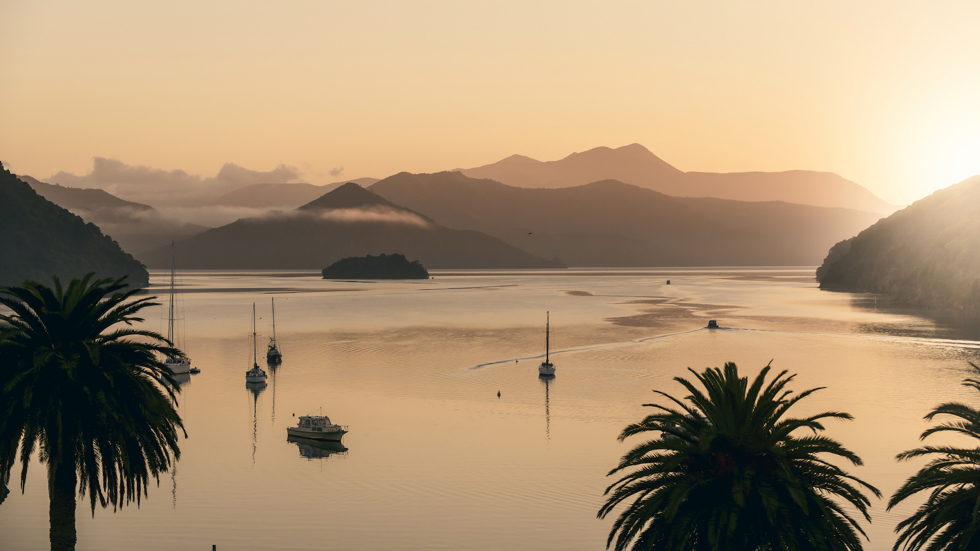
I still remember my first glimpse of the Sounds from the Picton waterfront. The sea flooded deep green valleys, ridges plunging straight into turquoise water. Chidi, our WakaAbuja scout who spent three weeks there, told me, “It feels like the land is still deciding whether to be a mountain or an ocean.”
That image stuck. This guide distills everything our team learned, the costs you will actually pay, the crowds nobody warns you about, and the hidden corners even some locals keep quiet about.
Jump to: What Makes It Special | When to Go | Getting There | Getting Around | Where to Stay | Things to See & Do | Tours | Costs & Budgets | Safety | Pros & Cons | Itineraries | Practical Tips | FAQ
Key takeaways
- Marlborough Sounds is a network of four main sounds: Queen Charlotte, Pelorus, Kenepuru, and Mahau. Most visitors stick to Queen Charlotte.
- You will rely on water taxis, not roads, to move between bays and track sections. Plan your logistics before you arrive.
- Summer (December to February) brings the best weather but also peak crowds and accommodation prices. Book at least six months ahead for holiday periods.
- A realistic daily budget ranges from NZ$150 per person for basic backpacker style to NZ$450+ for mid-range comfort with guided tours.
- The Queen Charlotte Track is the main draw, but day kayak trips, dolphin cruises, and the mail boat run offer equal magic with less effort.
- Cell service is patchy. Download offline maps and track information via the Department of Conservation app before setting out.
- Green-lipped mussels straight from a farm tour and a sauvignon blanc at a waterfront cafe taste exactly like the destination’s soul.
What Is the Marlborough Sounds Known For?
The Marlborough Sounds is a collection of ancient river valleys that the Pacific Ocean drowned after the last ice age. The result is 1,500 kilometers of coastline squeezed into a compact area. That geometry delivers steep forested hills that plunge directly into sheltered, clear water, perfect for marine life. I spent a morning kayaking out of Anakiwa and within twenty minutes I was alone with shags, seals, and the distant sound of a weka calling from the bush.
It is also famous as the gateway to the Queen Charlotte Track, a 70-kilometer walking and biking trail that traces the ridgeline. The region’s mussel and salmon farms dot the waterways, and many tours let you taste the catch straight from the water. Add to that the proximity to the Marlborough wine region, and you have a destination that blends serious outdoor adventure with indulgent food and drink. Fatima, our Lagos correspondent, said after her visit, “I came for the views and stayed for the seafood platters. I did not expect that level of freshness.”
Chidi’s honest take: “The Sounds are not a beach holiday. You go there to move, to paddle, to hike, to cruise. If you just want to sit on sand, this is the wrong New Zealand destination. But if you want to feel like an explorer, this is it.”
When Is the Best Time to Visit Marlborough Sounds? And the Cheapest?
@happytravelsoz Wondering when’s the best time to travel to New Zealand? 👀🍂 Here’s what you can expect from the country’s different seasons ❄️🏔️ #happytravelsoz #newzealand #auckland #nz #nztravel #travel #backpacking #traveltips #nzski #nzspring #nzsummer #traveltiktok
The prime window runs from November to March. December through February delivers stable, warm weather with long daylight hours but also the highest visitor numbers. The Queen Charlotte Track can feel busy between Christmas and mid-January. I walked a segment in February and still passed small groups every hour. That said, the track never feels as packed as the Tongariro Alpine Crossing.
The cheapest time to visit is the shoulder season: October to November and March to April. Accommodation rates drop noticeably, and water taxi services run close to full schedules. The weather remains good enough for hiking, though you might encounter the odd rain band. Winter (June to August) sees many lodges and cafes close, especially in remote bays. However, if you have a flexible itinerary, you can score huge discounts on waterfront rooms and have entire coves to yourself.
Best months overall
- February: warm, settled, slightly fewer Kiwi holidaymakers
- March: golden light, calm water, cheaper lodges
- November: green and lush, wildlife active, pre-peak pricing
Cheapest windows
- October: spring deals, occasional rain but vibrant scenery
- April: autumn colours, crisp mornings, discounted guided tours
- May to September: lowest rates, limited services, plan carefully
How to Get to Marlborough Sounds
Most travellers arrive via Picton, the small port town at the head of Queen Charlotte Sound. Picton connects to the rest of New Zealand by road, rail, and the Interislander ferry from Wellington. If you are flying into the South Island, Blenheim Airport (Woodbourne) is about 30 minutes’ drive from Picton and receives direct domestic flights from Auckland, Wellington, and Christchurch. International visitors typically fly into Christchurch or Wellington first and then connect.
From Picton, the actual Sounds unfold by water. There is no single road that connects all the bays. Water taxis, private boats, and scheduled ferries become your highways. We booked our water taxi through GetYourGuide for a day trip to Ship Cove, and the skipper doubled as a wildlife spotter, pausing for dolphins without us even asking. You can also drive to a few accessible points like Anakiwa or Havelock for Pelorus Sound, but to truly experience the heart of the region, you need to get on the water.
How to Get Around the Sounds Once You Are There
Water taxis are essential transportation. Companies like Cougar Line and Marlborough Tour Company operate scheduled services with the same reliability as bus networks, dropping hikers at track entrances, picking them up at pre-booked times, and even transporting luggage between overnight stops. A standard one-way trip from Picton to Ship Cove costs roughly NZ$55 to NZ$70. The key rule: book your return pickup when you book your outward trip. Spots fill up, and you do not want to be stuck at a remote bay after dark.
Kayaks give you ultimate freedom. You can rent from operators in Picton, Anakiwa, or Portage, and some will arrange water taxi pickups so you paddle one way and return by boat. If you bring a car, a few scenic roads wind along Kenepuru Sound and to French Pass, but most car parks sit at the edge of the sounds, and the interior remains roadless. For multiday hiking, the Queen Charlotte Track is well served by boat transfers, meaning you never need to carry camping gear if you book accommodation along the way.
Where to Stay in Marlborough Sounds: Best Accommodation Options
Accommodation in the Sounds splits into three categories: waterfront lodges accessible mainly by boat, family-friendly motels and B&Bs in Picton or Havelock, and Department of Conservation (DOC) campsites on the track. The waterfront lodges, like Furneaux Lodge or Punga Cove, offer an immersive experience but come with a higher price tag. I stayed at Portage Hotel on Kenepuru Sound and woke to a kingfisher perched on my deck railing. That view costs about NZ$290 a night in shoulder season.
Picton provides the most practical base for day trips. You will find everything from backpacker hostels to comfortable motels. Fatima recommends the Picton waterfront motels for families because you can walk to the marina, cafes, and the grocery store. For a true vacation stay where you wake inside the Sounds, book a lodge on the Queen Charlotte Track and arrange luggage transfers. That way you hike with just a daypack. Booking.com lists most Sound-side properties, but book directly with lodges for the best rates on multi-night packages.
Best for families
- Picton motels with kitchenettes and sea views
- Lochmara Lodge: wildlife centre, kayaks, family rooms
- Havelock campgrounds near Pelorus Bridge for swimming
Best for couples & escape
- Bay of Many Coves Resort: private balconies, fine dining
- Furneaux Lodge: historic charm, Endevour Inlet
- Mahana Lodge: small, owner-operated, track-side
Best Things to See and Do: Outdoors, Museums, Arts, Nightlife
The Queen Charlotte Track is the anchor experience. You can tackle it as a multi-day walk, a day hike from a water taxi drop-off, or even a mountain bike ride for most sections. Beyond the track, kayaking ranks as the must-do activity. Gliding past mussel farms, spotting little blue penguins, and pulling into a secluded beach for a picnic feels like unlocking the secret version of New Zealand. Sea kayak rentals start around NZ$80 for a half-day.
For culture and history, the Edwin Fox Maritime Museum in Picton houses the world’s ninth oldest surviving ship, a fascinating relic of convict transport and immigration. Art lovers will find small galleries scattered around Havelock and Picton, often run by local painters capturing the Sounds’ light. Nightlife, honestly, is limited. This is not a party destination. A few pubs in Picton offer live music on weekends, and the Jolly Roger bar at Portage is legendary among hikers for a cold pint. The real evening show is the sunset across the water from a lodge deck.
Hidden gems include the Pelorus Mail Boat run, which has delivered post and supplies to remote families for over a century. It is a full-day cruise that stops at mussel farms and a remote sheep station and gives a rare look at daily life in the outer sounds. Another gem is the drive to French Pass, a narrow channel where tidal currents create whirlpools, with a DOC campsite perched on the edge of it all.
Chidi’s hidden gem tip: “Skip the crowded track on a busy day and hike the Nydia Track instead.” It runs from Kaiuma Bay to Duncan Bay in Pelorus Sound, two days of native forest and ridgeline views, and I met exactly three people.”
Tours to Do in Marlborough Sounds
Guided tours solve the logistics puzzle and add depth. A half-day dolphin swimming or watching cruise out of Picton costs around NZ$160 to NZ$200. The operators work closely with DOC to follow marine mammal regulations, and you have a high chance of seeing dusky dolphins, bottlenose dolphins, and sometimes orcas. We used a tour booked via TripAdvisor and the marine biologist on board explained behavior I would never have noticed alone.
Seafood and wine tours merge the Sounds with the nearby Marlborough wine region. A typical combo includes a morning cruise to a mussel farm with tastings, then an afternoon visiting cellar doors in the Wairau Valley. Greenshell mussel tours let you pull up a line, crack open fresh mussels, and steam them on the boat. If you prefer self-guided exploration, kayak rental companies offer route maps and safety briefings that let you design your own adventure. For something truly different, consider a night kayak trip to see bioluminescence in Pelorus Sound during the warmer months.
How Much Does a Trip to Marlborough Sounds Cost? Typical Budgets and Money-Saving Tips
A comfortable backpacker budget runs about NZ$150 to NZ$200 per day. This covers a dorm bed or basic cabin, self-catered meals, a water taxi day trip, and a kayak rental. A mid-range budget of NZ$300 to NZ$450 per day gets you a private lodge room, one guided tour, a couple of meals out, and luggage transfers. If you want luxury lodges and private charters, expect to spend NZ$600+ per day.
Money-saving starts with timing. Traveling in March instead of January can slash accommodation costs by 25 percent. Cook your own meals when possible; the Picton supermarkets are well-stocked, and many motels have BBQs. Book water taxi multi-trip passes instead of single tickets. For hikers, carrying a tent and using DOC campsites at NZ$10 to NZ$15 per person per night drops costs dramatically. Also, check the official Marlborough NZ tourism site for seasonal package deals that bundle accommodation with track transfers.
Suggested daily budgets (per person)
- Backpacker: NZ$150-200 (hostel, packed lunch, water taxi day trip)
- Mid-range: NZ$300-450 (B&B, one tour, dinner out)
- Luxury: NZ$600+ (waterfront lodge, private guide, fine dining)
Free & cheap experiences
- Picton foreshore walk and playground
- Snorkelling at Anakiwa beach (bring your own gear)
- Tirohanga Track summit for panoramic views
- Visit the free Picton Heritage and Whaling Museum
Is Marlborough Sounds Safe? How to Stay Safe and Emergency Contacts
The Sounds are generally very safe, with low crime and a strong outdoor safety culture. The main risks are environmental: sudden weather changes, hypothermia on the water, and slips on muddy tracks. Always check the MetService marine forecast before kayaking. The water may look calm in a sheltered bay, but wind can funnel through channels with surprising force. Wear a lifejacket at all times, and know your limits.
For hikers, the Queen Charlotte Track is well-graded and signposted, but cell coverage disappears in many valleys. Carry a personal locator beacon (PLB) if you are going solo; you can rent one from Picton i-SITE. Sandflies are the unofficial welcoming committee. Pack a strong DEET-based repellent, especially if you are camping. In an emergency, dial 111 for police, ambulance, or fire services. The Picton police station and the local Coastguard are your primary contacts. Bookmark the Marlborough District Council’s emergency management page for real-time alerts. For non-urgent health issues, the Picton Medical Centre handles visitors.
Chidi’s safety lesson: “I ignored sandfly warnings my first night camping at Mistletoe Bay. I woke up with over thirty bites on my ankles. It took two weeks for the itching to stop. Do not make my mistake.”
Pros and Cons of Visiting Marlborough Sounds
The standout pros: an almost surreal combination of sheltered water and native forest, abundant marine life, the well-organized Queen Charlotte Track, and the easy pairing with the Marlborough wine region. The water taxi network works like a Swiss clock, which makes multi-day hiking without a heavy pack achievable for many fitness levels. The seafood is outrageously fresh.
The cons are real, too. The Sounds are not cheap by New Zealand standards, and the reliance on boat transfers adds a logistics layer that budget travelers must plan around. If you get seasick, the water taxi rides can be rough on windy days. Rain can sock in for days, leaving you stuck looking at mist rather than the postcard views. And if you come expecting vibrant nightlife or a town buzz, Picton after 9 pm feels like a quiet village.
Itineraries to Help You Plan: How Many Days Do You Need?
A rushed day trip from Picton can show you one bay and a short walk, but you will leave feeling like you missed the point. I recommend a minimum of three days. With three days, you can do a full-day water taxi and hike, a half-day kayak, and still have an afternoon to explore a mussel farm or a winery. Five days is the sweet spot. It allows you to walk a significant portion of the Queen Charlotte Track, spend a night in a remote lodge, and take a wildlife cruise.
For a five-day itinerary: Day 1: arrive Picton, settle in, and take an afternoon walk to Bob’s Bay. Day 2, water taxi to Ship Cove, hike to Furneaux Lodge via Resolution Bay (approx. 5 hours). Day 3: continue to Punga Cove and relax with a hot tub overlooking the Sound. Day 4: morning paddle from Punga Cove, afternoon water taxi back to Picton. Day 5, drive to a Marlborough vineyard for a long lunch before departure. Adjust based on your fitness. The track is flexible; you can mix boat rides and walking each day.
3-day quick escape
- Day 1: Picton arrival, short walk, wine tasting
- Day 2: Full-day Queen Charlotte Track segment
- Day 3: Morning kayak, afternoon departure
7-day deep dive
- Days 1-4: Full Queen Charlotte Track with lodge stays
- Day 5: Rest day, mail boat cruise
- Day 6: Pelorus Sound kayak and glowworm night trip
- Day 7: Wine region tour, depart
What Are the Must-Know Practical Tips Before You Go?
Book water taxis early
During peak season, the limited seats on scheduled runs sell out. Reserve your outward and return legs at the same time. Check the official Cougar Line or Marlborough Tour Company websites for timetables and pricing as they shift slightly each season. The DOC website also maintains a list of licensed operators.
Pack for four seasons in one day
The Sound’s microclimate can deliver sun, rain, and cool southerly winds within hours. A lightweight waterproof jacket, sun hat, and sturdy shoes are non-negotiable. Sandfly repellent is not optional. Locals swear by “Goodbye Sandfly” or a high-DEET brand.
Understand the Queen Charlotte Track pass
Unlike some great walks, the Queen Charlotte Track requires a pass for biking and uses privately owned land sections. A QCTLC Pass costs about NZ$25 for walkers and includes maintenance. Revenue goes directly back to the track. Purchase it online before you set out to save time.
Cash is not king on the water
Most water taxis, lodges, and cafes accept cards, but carry some cash for small DOC campsite fees or honesty boxes in remote bays. Mobile EFTPOS can fail without signal.
What Are the Common Mistakes to Avoid on a Marlborough Sounds Trip?
- Assuming you can drive everywhere. You cannot. The roads end and boats begin. Plan your route around water taxi schedules, not your car’s GPS.
- Skipping the sandfly repellent. The irritation will ruin a sunset picnic faster than rain.
- Not checking the marine forecast. Kayaking in 20-knot winds is dangerous. The MetService app is your friend.
- Booking accommodation last minute in summer. Bays like Endeavour Inlet and Portage fill solid. You may end up with nowhere to sleep.
- Underestimating hike times. The Queen Charlotte Track is well formed but has continuous undulations. A 12-kilometer section often takes longer than the sign suggests if you are not used to hills.
- Ignoring DOC campsite booking rules. Some campsites require advance booking, even for a tent site. Check the DOC website before relying on a walk-up.
- Trying to do it all in a day trip from Blenheim. You will spend most of your time in transit and leave frustrated. Give it at least two nights.
Frequently asked questions
Do I need a car for a Marlborough Sounds trip?
No, a car is not necessary if you base yourself in Picton and use water taxis and shuttles. However, a car gives you flexibility to explore the Kenepuru drive or reach trailheads like Anakiwa independently. Many visitors park in Picton and leave the car while on the track.
Can you swim in Marlborough Sounds?
Yes, the water is swimmable, especially in summer months when surface temperatures reach around 18 to 20 degrees Celsius. Beaches like Anakiwa and Mistletoe Bay are popular. Always check for boat traffic and swim near the shore.
Is the Queen Charlotte Track suitable for beginners?
Yes, the track is considered intermediate but achievable for fit beginners with the right preparation. The terrain is rolling rather than steep alpine, and water taxis allow you to shorten or extend each day easily. Good footwear and some hill training beforehand help greatly.
How reliable are the water taxis?
Very reliable, but they can cancel in severe weather for safety. Operators communicate proactively and will rebook you. Plan some buffer time in your itinerary so a weather day does not throw off your entire trip.
What wildlife can I expect to see?
Common sightings include New Zealand fur seals, dusky and bottlenose dolphins, little blue penguins, and numerous seabirds like gannets and shags. If you are extremely lucky, orcas pass through between December and March. Weka and wood pigeons are common on the track.
Are there ATMs in the Sounds?
There are ATMs in Picton and Havelock, but once you are out in the bays, cash access is zero. Most places accept cards, but carry some NZ$ cash for small purchases and camp fees.
Plan your trip: booking platforms we trust
The WakaAbuja team regularly uses these sites to find solid deals and reliable reviews. We do not list a platform unless we would use it ourselves for booking accommodation, flights, or tours. Click through to compare current offers directly.
Expedia — flight and accommodation bundles for Marlborough
GetYourGuide—water taxi tours, dolphin cruises, mussel tasting
TripAdvisor — honest guest reviews for lodges and restaurants
Kayak—compare flight prices into Blenheim or Wellington
Vrbo — private holiday homes for families around Havelock