advertisement
Sagano Bamboo Forest, Arashiyama: Complete Visitor Guide (Times, Costs & Map)
Fact-Checked By Maya Whitfield, Senior Travel Editor at WakaAbuja
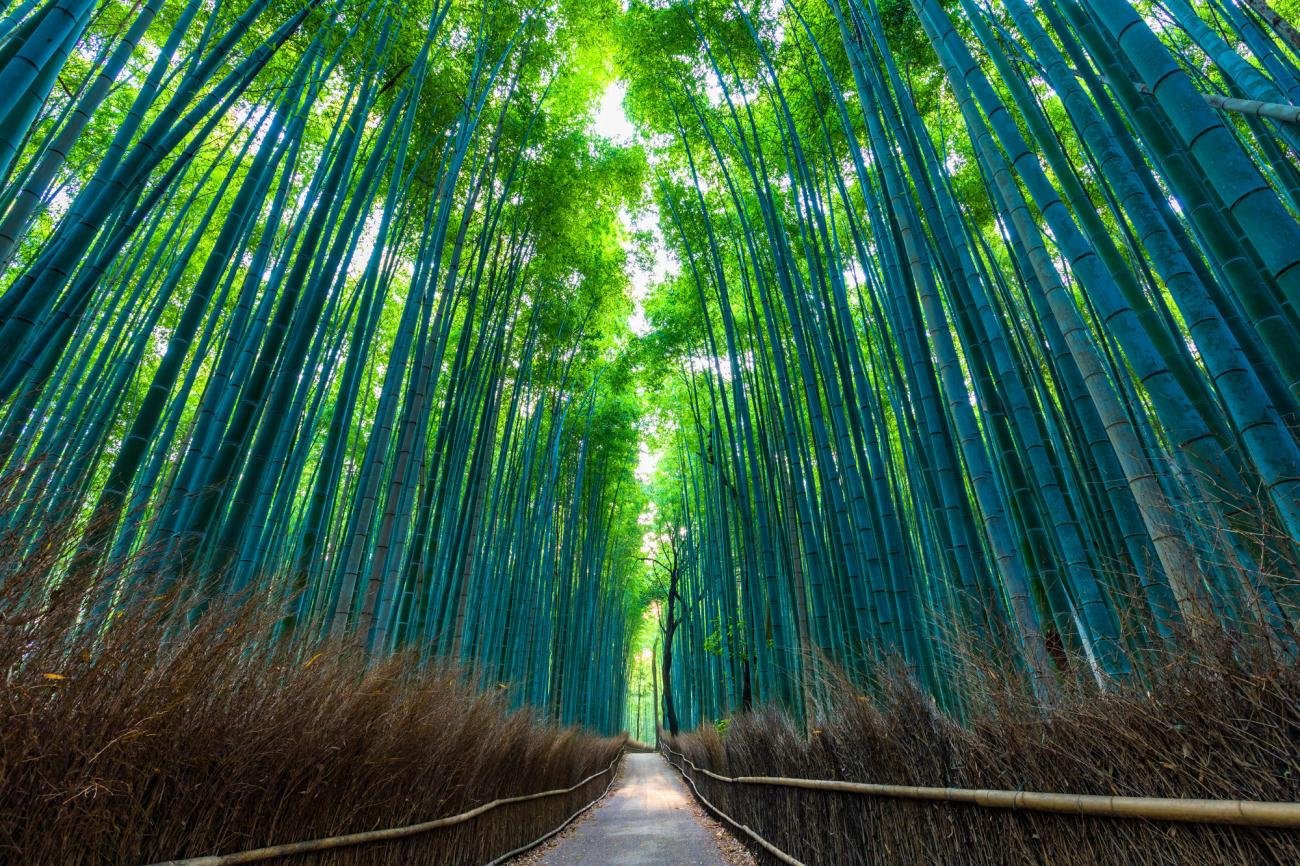
Sagano Bamboo Forest and Arashiyama Bamboo Grove are the same place, a free 500-meter public walking path in western Kyoto lined with towering mōsō bamboo. It is open 24 hours a day, takes about 30 to 45 minutes to walk at a normal pace, and costs nothing to enter. The real challenge is not finding it; it is arriving before the crowds make photography impossible.
Most guides start by telling you the bamboo grove is magical. It is. That part is true. But what those guides skip is the practical stuff you actually need to plan the morning: which side of the grove to enter from, how much a rickshaw ride actually costs, and why the path you saw in a photo might not match the one you end up walking. I stood in this grove for the first time on a humid October morning in 2023, and the single best decision I made was arriving before 7 a.m.
The second best was understanding that there are two distinct sections to the path, and only one of them photographs the way you expect. Here is everything the standard guides leave out.
Jump to: Quick Facts | Nonomiya vs. Tenryu-ji Side | Real Cost Breakdown | Best Time to Go | Mistakes to Avoid | Nearby Attractions | FAQs
Key takeaways
- Entrance to Sagano Bamboo Forest is completely free, and the path is open 24 hours a day, every day of the year.
- The grove has two distinct sections: the busier Nonomiya Shrine side and the quieter, more photogenic Tenryu-ji to Okochi Sanso stretch.
- Arriving before 7 a.m. is the single most effective way to experience the grove without dense crowds.
- While the bamboo path itself is free, a full Arashiyama day with a rickshaw ride, kimono rental, the Sagano Romantic Train, and the monkey park can cost roughly 9,000 to 12,000 yen per person.
- The nearest train stations are JR Saga-Arashiyama Station and Hankyu Arashiyama Station, both roughly a ten-minute walk from the grove entrance.
- The grove was designated one of the “100 Soundscapes of Japan” by the Ministry of the Environment, and the rustling bamboo sound in the wind is a protected acoustic experience.
Sagano Bamboo Forest quick facts
The forest is technically a bamboo grove, not a vast forest. The walking path, officially called Chikurin-no-Komichi, runs roughly 500 meters through towering mōsō bamboo stalks that can reach 30 meters high. It sits in the Sagano district of Arashiyama in western Kyoto. The two names, Sagano Bamboo Forest and Arashiyama Bamboo Grove, refer to exactly the same place.
Sagano is the older, more specific neighborhood name. Arashiyama is the broader district most tourists search for. Use either name and you will end up on the same path.
Trail at a glance: Length is roughly 500 meters, about 0.3 miles. Walking time at a normal pace is 30 to 45 minutes. Difficulty level: easy, flat, and paved. Open 24 hours daily. Entrance fee is free. The path is not a loop; it connects two points, so you will walk it one way or double back.
Nonomiya Shrine side versus Tenryu-ji side: Which section to walk
Most first-time visitors do not realize the grove has two distinct entry points and the experience differs noticeably between them. The southern entrance near Nonomiya Shrine is the shorter, more crowded section. Tour buses drop off here, rickshaw drivers stage their carts here, and the crush of people between 10 a.m. and 3 p.m. can feel genuinely claustrophobic. The bamboo is beautiful, but the path is narrow, and you will share every inch of it with selfie sticks.
The northern stretch, running from Tenryu-ji Temple toward Okochi Sanso Villa, is slightly longer, noticeably quieter, and, in my experience, produces the better photographs. The bamboo grows taller and denser here, and the path curves gently in a way that hides other people from your frame. Enter this section from the Okochi Sanso end around 7 a.m., and you might have it entirely to yourself for five or ten minutes at a time. I walked both sections on the same morning, and the difference was stark. The Nonomiya side had 30 people in frame at 8:30 a.m. The Tenryu-ji side had four.
Nonomiya Shrine side (south)
- Closest to JR Saga-Arashiyama Station
- Busiest from 9 a.m. onward
- Shorter path, classic view but often packed
- Rickshaw pick-up point nearby
Tenryu-ji to Okochi Sanso side (north)
- Slightly longer walk from the stations
- Quieter throughout the day
- Taller and denser bamboo, better for photos
- Drops you near Okochi Sanso Villa garden
What a visit actually costs: beyond the free entrance
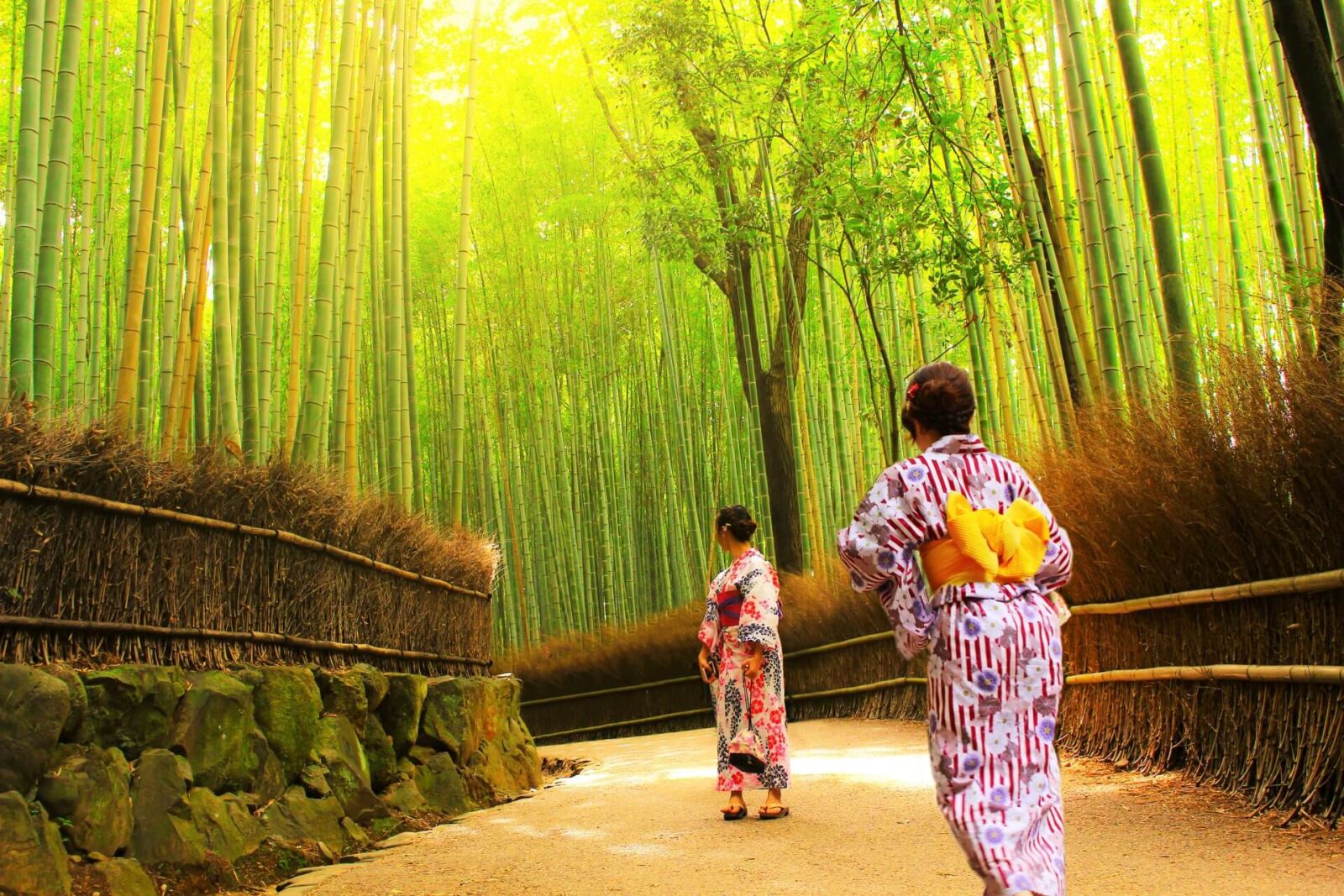
Every guide correctly says the bamboo grove is free. That fact is true and important. But nobody visits Arashiyama only to walk a 500-meter path and then turn around and leave. The district is packed with paid attractions, and the total cost of a morning or full day here adds up fast. Prices below reflect rates I checked in person and confirmed via official websites in late 2024.
Always verify on the attraction’s official site before you go, as seasonal adjustments are common.
Sample half-day budget (per person): Bamboo grove free. The Tenryu-ji Temple garden is roughly 500 yen; the main hall is an additional 300 yen. Okochi Sanso Villa is roughly 1,000 yen and includes matcha tea. Arashiyama Monkey Park is roughly 600 yen. The Sagano Romantic Train one-way is roughly 880 yen. A 30-minute rickshaw ride for two people is roughly 9,000 yen total. Kimono rental for the day is roughly 3,000 to 5,000 yen. Lunch at a casual restaurant is roughly 1,200 yen. Total for a full experience morning: roughly 8,000 to 12,000 yen per person depending on which add-ons you choose.
The Sagano Romantic Train is worth the extra cost if you visit during autumn foliage season. The open-air car runs along the Hozugawa River gorge and gives you a completely different perspective on the forested hills you just walked through. Book tickets in advance through the official JR West website during peak October and November weeks.
The popular morning departure times sell out days ahead.
Best time to visit and how to avoid the crowds
The grove is open 24 hours, and the best light falls in the early morning. Arrive before 7 a.m., and you get soft, angled sunlight filtering through the bamboo, cool air, and a path shared with only a handful of other early risers and the occasional local walking a dog. By 8:30 a.m. the first tour groups begin arriving. By 10 a.m. the southern section near Nonomiya Shrine is packed. By noon the entire path is dense with visitors, and the photographic moment most people came for is effectively gone.
The second-best window is late afternoon, roughly 4 p.m. to sunset. The crowds thin as tour buses depart, and the low sun creates a different but equally beautiful light through the stalks. If you cannot stomach an early alarm, aim for the late slot and enter from the northern Okochi Sanso side. You will still encounter people, but the worst of the crush will have passed.
Seasonally, late November delivers the most dramatic scenery as the surrounding maple trees turn red and orange. The bamboo itself stays green year-round, so the grove looks lush even in winter. The busiest weeks are the cherry blossom season in late March through early April, the autumn foliage peak in late November, and the Golden Week holiday at the end of April. If your trip coincides with any of these windows, the 7 a.m. arrival becomes non-negotiable.
Maya’s honest take: “I arrived at 6:45 a.m. on a Tuesday in late October and had the northern path nearly to myself for a full 20 minutes. By the time I walked back through at 9 a.m., the same stretch was shoulder-to-shoulder. The difference in experience was not subtle. It was a completely different place.”
Can you visit at night or in winter?

Yes to both, with different trade-offs. The grove is open 24 hours, and the path itself has no lighting, so a night visit requires a flashlight or a fully charged phone. The experience is eerie and quiet in a way the daytime version cannot match. You hear the wind through the bamboo more clearly, and you will likely be alone or nearly alone. The trade-off is that you lose the visual drama of the green stalks against the sky. What you gain in solitude you sacrifice in the iconic photograph.
In winter, from December through February, the bamboo stays green and the grove remains accessible. Snow occasionally dusts the path, and the bamboo bends under the weight, creating a scene that looks entirely different from the summer version most photos show. The winter morning crowds are lighter, and you can push your arrival time to 8 a.m. and still find relative quiet. Dress in layers. The path sits in a shaded valley, and the temperature drops noticeably below the Kyoto city reading.
Mistakes people make at Sagano Bamboo Forest
Most of these errors are easy to avoid with a few minutes of planning. I have made at least three of them myself and watched dozens of other visitors stumble into the rest.
- Arriving at 10 a.m. expecting solitude. By mid-morning the path is packed. The iconic empty-path photo is only possible before 7:30 a.m. or well after 4 p.m.
- Only walking the Nonomiya Shrine side and thinking you have seen the whole grove. The northern stretch near Okochi Sanso is longer, quieter, and more photogenic. Walk both sections or prioritize the northern one.
- Thinking you need a ticket. The bamboo path is a public road. There is no gate, no ticket booth, and no entrance fee. Anyone trying to sell you a ticket at the entrance is running a scam or a misleading tour pitch.
- Not booking the Sagano Romantic Train in advance during fall. The morning trains sell out days ahead in November. Book online through the official JR West site before you arrive in Kyoto.
- Relying on the Hankyu Arashiyama Station exit without checking a map. It puts you on the wrong side of the river and adds a fifteen-minute walk across Togetsukyo Bridge before you even reach the grove area.
- Skipping the Okochi Sanso Villa because of the entrance fee. The 1,000 yen ticket includes a bowl of matcha tea and a sweet, and the gardens are among the most peaceful in Arashiyama. It is genuinely worth the cost.
- Forgetting that the path is not a loop. It runs roughly north to south. You either walk it one way and exit, or you walk it and double back. Plan your route so you do not retrace your steps unintentionally.
What to see nearby: making a full Arashiyama morning
The bamboo grove anchors the district, but the surrounding attractions turn a 30-minute walk into a full half-day or more. Tenryu-ji Temple, a UNESCO World Heritage site, sits directly adjacent to the northern entrance of the grove. Its garden, designed in the 14th century, uses the surrounding hills as borrowed scenery and is particularly beautiful in autumn. Pay the extra 300 yen to enter the main hall and sit on the tatami looking out at the pond.
Okochi Sanso Villa, the former home of silent-film actor Denjiro Okochi, hides at the far northern end of the grove. The entrance fee of 1,000 yen includes a walk through several interconnected gardens, a view across Kyoto from a hilltop clearing, and a bowl of matcha tea in the tea house. It is rarely crowded even when the grove path is packed, making it an excellent mid-morning escape.
The Arashiyama Monkey Park Iwatayama sits on the opposite side of the river, a steep 20-minute climb up a wooded hill. The view from the top across Kyoto is broad and rewarding, and the macaques roam freely around the observation platform. You feed them from inside a caged hut, not out in the open. Admission is roughly 600 yen. Togetsukyo Bridge, the landmark wooden bridge spanning the Katsura River, is free to cross and offers the classic Arashiyama postcard view. Nonomiya Shrine, a small Shinto shrine tucked into the southern entrance of the grove, is known for its ties to marriage and matchmaking and is worth a five-minute stop as you pass through.
Frequently asked questions
Is Sagano Bamboo Forest free?
Yes, completely free. The bamboo path is a public road managed by the city of Kyoto. There is no entrance gate, no ticket required, and no opening or closing hours. You can walk it at any time of day or night without paying anything. The surrounding attractions like Tenryu-ji Temple and Okochi Sanso Villa do charge admission fees, but the bamboo grove itself does not.
What is the difference between Sagano Bamboo Forest and Arashiyama Bamboo Grove?
They are the same place. Sagano is the older neighborhood name for the district where the grove sits. Arashiyama is the broader area name that includes the river, the bridge, and the surrounding hills. Both names refer to the same 500-meter bamboo-lined walking path. You will see both used interchangeably on signs, maps, and guidebooks throughout Kyoto.
How long does it take to walk the bamboo grove?
Walking the full 500-meter path from one end to the other takes about 30 minutes at a relaxed pace with stops for photos. If you walk without stopping, you can complete it in under 15 minutes. Most visitors spend 30 to 45 minutes total, including time to pause, take photos, and double back to walk a section again.
What time of day is best for photos?
Early morning, specifically between 6:30 a.m. and 7:30 a.m., gives you the best combination of soft light, few people, and the iconic sun rays filtering through the bamboo. Late afternoon between 4 p.m. and sunset is the second-best window. Midday light is harsh, and the path is most crowded, making it the worst time for photography.
How do I get to Sagano Bamboo Forest from Kyoto Station?
Take the JR Sagano Line from Kyoto Station to JR Saga-Arashiyama Station. The ride takes about 15 minutes and costs roughly 240 yen. From the station, the bamboo grove is a ten-minute walk south. Alternatively, take the Kyoto City Bus number 28 to the Arashiyama-Tenryuji-mae stop, which takes about 40 minutes depending on traffic and costs 230 yen.
Can I visit the bamboo grove and Fushimi Inari in one day?
Yes, but it requires an early start and careful timing. Visit the bamboo grove first, arriving by 7 a.m. to finish by 8:30 a.m. From Arashiyama, take the JR Sagano Line back to Kyoto Station, then transfer to the JR Nara Line to Inari Station. Fushimi Inari is also open 24 hours and free, so you can move at your own pace. The two sites sit on opposite sides of the city, so budget roughly 45 minutes of transit between them.
Is the bamboo grove wheelchair accessible?
Partially. The southern section near Nonomiya Shrine is paved and relatively flat, making it accessible for wheelchair users. The northern section toward Okochi Sanso has some uneven paving and a slight incline. The path is not wide enough in places to comfortably pass another wheelchair or stroller when the grove is crowded. Early morning visits make navigation significantly easier.
What is the “100 Soundscapes of Japan” designation?
In 1996, Japan’s Ministry of the Environment selected 100 locations across the country whose natural sounds are considered culturally worth protecting. The Sagano Bamboo Grove was included specifically for the sound of wind rustling through the bamboo stalks. The designation does not impose visitor restrictions, but it is a reminder that the auditory experience of the grove is part of its official cultural value.
Plan your trip: booking platforms we trust
For Kyoto specifically, I prioritize platforms that allow free cancellation on accommodation and offer verified reviews because ryokan and guesthouse quality vary dramatically. For tours, I look for operators with recent reviews that mention small group sizes and early departure times for the bamboo grove.
Best for finding ryokan, guesthouses, and hotels near Kyoto Station or Arashiyama with flexible cancellation.
Best for booking early-morning bamboo grove walking tours and combined Arashiyama half-day itineraries.
Best for reading recent reviews of specific rickshaw operators, kimono rental shops, and restaurant recommendations in Arashiyama.
Best for competitive rates on Kyoto hotels and traditional inns, especially for travelers booking from within Asia.