Albuquerque for First-Time Visitors: Where to Stay, What to Do, and the Mistakes to Avoid
Some links on this page are affiliate links. We may earn a commission at no extra cost to you.
Albuquerque is New Mexico’s largest city, built around Old Town, a Route 66 corridor, and the Sandia Mountains. Most first-time visitors need two to three days, a rental car for the main sights, and a plan for the altitude of roughly 5,300 feet (confirm current conditions with the National Weather Service). Book early if you are visiting in early October, when the Albuquerque International Balloon Fiesta lifts demand and hotel rates.
This guide is for the traveler who has heard of Albuquerque but cannot quite picture the trip. It is not for someone who wants a list of twenty attractions with no judgment attached. I will tell you which neighborhoods work for which kind of traveler, where the altitude will catch you out, and which day trips justify the drive.
If you are looking for a Santa Fe substitute, Albuquerque is not that, and I will explain why that matters before you book.
Jump to: Is it worth it? | Best time | Where to stay | Things to do | Three-day plan | Costs | Getting around | Altitude and safety | What to eat | Day trips | Mistakes | FAQ
Key takeaways
- Albuquerque sits at about 5,300 feet, so give yourself a slow first afternoon before you hike or drink (check current altitude guidance with the city’s official visitor site).
- Old Town is the best base for first-timers who want walkable history and dining; Nob Hill suits travelers who prefer a local neighborhood feel over a resort zone.
- The Sandia Peak Tramway is the signature paid attraction, with adult fares around $34 (confirm current rates with the tramway operator before you go).
- Petroglyph National Monument is free to enter, which makes it the best value stop in the city for a half-day (verify trail access on the National Park Service site).
- Early October is the most expensive and busiest window because of Balloon Fiesta; book lodging months ahead if those dates matter to you (check the official Balloon Fiesta site for the current schedule).
- A rental car is genuinely useful for Petroglyph, the tramway, and day trips; the city bus network will not cover the trip most visitors want.
- Skip the tramway on a cloudy or windy day. The view is the product, and the operator closes in bad weather.
Is Albuquerque worth visiting for a first trip?
Albuquerque is worth visiting if you want a high-desert city with Pueblo history, Route 66 character, and mountain access, but it is not a substitute for Santa Fe if adobe galleries and a compact historic core are your priority. The Visit Albuquerque tourism board positions the city around ballooning, Old Town, and the Sandia Mountains, and those three things genuinely deliver.
What Albuquerque does well: it is a real city with a working downtown, a university district, and food that is specific to New Mexico rather than a generic Southwest menu. Old Town was founded in 1706, and the San Felipe de Neri Church still anchors the plaza. The Indian Pueblo Cultural Center explains the 19 Pueblos with more depth than a museum label usually manages. Route 66 runs through the city on Central Avenue as the longest continuous urban stretch of the old road.
Who this is not for: travelers who want to park the car once and walk everywhere for three days. Albuquerque is spread out, and the good stuff requires driving. If you want a walkable historic district with no car, base in Santa Fe and day-trip to Albuquerque, not the other way around.
Maya’s honest take: The mistake I see most is treating Albuquerque as a one-night stop between Santa Fe and the airport. Give it two full days and you will find a city that rewards curiosity. Give it one afternoon and you will remember traffic on Central and a mediocre burrito.
When is the best time to visit Albuquerque?
September and May are the best months for weather and value, while early October is the most exciting and the most expensive because of Balloon Fiesta. The Visit Albuquerque site describes a mild, dry, high-desert climate with four seasons, and the city averages around 278 sunny days a year (confirm current seasonal conditions with the National Weather Service).
Spring brings wind and warm days, with March and April prone to gusts that can shut the tramway. Summer is hot at midday but dry, and the monsoon pattern in July and August delivers afternoon storms rather than all-day rain. Fall is the reward: September cools down, the light softens, and the crowds have not yet arrived for the balloons. Winter is cold at night and mild by day, with occasional snow that melts quickly.
The Balloon Fiesta runs for nine days in early October, and the official Balloon Fiesta site sells general admission tickets online (around $20 per person per session; confirm current pricing and dates). Hotel rates spike for those dates, and the park-and-ride lots fill early in the morning. If you want the balloons without the peak prices, visit in late September and book a private balloon ride instead; several operators fly year-round.
Maya’s honest take: If Balloon Fiesta is the reason for your trip, book lodging before you book flights. The hotels near Balloon Fiesta Park sell out first, and the ones that remain charge rates that will make you wince. The $20 general admission ticket is the cheap part.
Where should you stay in Albuquerque?
Old Town is the best neighborhood for first-time visitors who want walkable history and dining, while Nob Hill suits travelers who prefer a local, university-adjacent vibe, and Downtown is for people who want a central base with more nightlife. The Visit Albuquerque lodging listings cover the full range, from the historic Los Poblanos inn to Route 66 motels like El Vado.
Old Town puts you within walking distance of the plaza, San Felipe de Neri Church, and a cluster of restaurants that serve green chile to tourists and locals alike. It is also close to the ABQ BioPark and the botanic garden. The downside is that it can feel quiet at night, and you still need a car for everything else.
Nob Hill is a strip along Central Avenue with coffee shops, bookstores, and a younger crowd. It is less polished than Old Town and more interesting for it. Downtown has the KiMo Theater and a growing restaurant scene, but some blocks are empty after dark, so choose your exact location carefully. Uptown is convenient for shopping and the interstate but has no character worth planning around. Near the Sunport are only early flights and nothing else.
Best for
- Old Town: walkable history, first-timers, short stays.
- Nob Hill: local feel, coffee and bookshops, Central Avenue access.
- Downtown: nightlife and the KiMo Theater, but check the block.
- Near Sunport: early flights only.
Worth considering
- Los Poblanos for a quiet, farm-based stay north of the city (confirm rates directly).
- El Vado Motel for Route 66 nostalgia near Old Town.
- Downside: anywhere outside Old Town or Nob Hill means you will drive to dinner.
Book a hotel in Albuquerque through Booking.com if you want free cancellation on flexible dates, or browse our Albuquerque hotels guide for neighborhood-by-neighborhood picks.
What are the best things to do in Albuquerque?
The essential Albuquerque stops are Old Town and San Felipe de Neri Church, the Sandia Peak Tramway, Petroglyph National Monument, and the Indian Pueblo Cultural Center, with the ABQ BioPark and the National Museum of Nuclear Science & History as strong secondary options. The National Park Service manages Petroglyph National Monument, which is free to enter and protects thousands of carved rock images.
The Sandia Peak Tramway is the headline paid experience: a 2.7-mile ride to the Sandia Crest with panoramic views. Adult fares run around $34, with discounts for seniors, military, and teens (confirm current rates and operating days with the tramway operator, because wind closures are common). The tramway operates Wednesday to Monday in the current schedule, so do not assume a Tuesday ride.
Petroglyph National Monument is free and requires no entrance pass, according to the NPS fees page. The trails are exposed, and the altitude is real, so go early in the morning with water. The Indian Pueblo Cultural Center is the best single stop for understanding the Pueblo nations, and the on-site kitchen serves Indigenous food rather than a museum cafe afterthought. The ABQ BioPark combines a zoo, aquarium, and botanic garden, which makes it a good half-day for families.
Maya’s honest take: Skip the tramway if the forecast shows clouds or gusts. The ride is expensive, and the view is the entire point. Petroglyph is the better bet on a marginal day because it is free and you can turn around whenever you like.
What does a three-day Albuquerque itinerary look like?
A three-day Albuquerque itinerary should give Old Town and the Pueblo Cultural Center a full morning, the tramway and Sandia Crest a second day, and Petroglyph plus a Route 66 drive a third. This pace leaves room for altitude adjustment and avoids the mistake of stacking the tramway and a hike on the same afternoon.
Day one: Old Town and the Pueblos
Start at Old Town Plaza and San Felipe de Neri Church, then walk the surrounding streets for galleries and breakfast. Drive or take a short rideshare to the Indian Pueblo Cultural Center for the museum and lunch at the Indigenous kitchen. Spend the afternoon settling in and drinking water; the altitude will remind you it exists if you rush.
Day two: Sandia Mountains
Book the Sandia Peak Tramway for a morning slot if the weather is clear, or drive the Sandia Crest Scenic. Byway, if you prefer your mountain views with a steering wheel. The crest is over 10,000 feet, so bring a layer even in summer. Spend the afternoon in Nob Hill for coffee and a bookstore, and eat dinner on Central Avenue.
Day three: Petroglyphs and Route 66
Go to Petroglyph National Monument early, before the heat and the tour buses. The trails are short but exposed. After lunch, drive Central Avenue east to west for the Route 66 stretch, stopping at the neon signs and motels that still stand. If you have time, the ABQ BioPark is a good family alternative to a second museum.
What does an Albuquerque trip cost?
A two-day Albuquerque trip for two adults costs roughly $350 to $600 before flights, depending on whether you stay in a mid-range hotel and eat one restaurant meal a day (confirm current rates with each provider). The tramway and a rental car are the two line items that move the total most.
The method here is simple: I priced the fixed attractions from official sources and left lodging and food as ranges because they vary too much by season and taste. The Visit Albuquerque listings and the tramway operator publish current ticket prices; hotel rates are best checked on Kayak or Expedia for your specific dates.
Petroglyph National Monument is free, which keeps the attraction budget low. Old Town is free to walk. The tramway is the splurge. Balloon Fiesta adds a ticket cost and pushes hotel rates up in early October. If you are visiting during Fiesta, budget for the hotel spike first and plan everything else around it.
Do you need a car in Albuquerque?
Yes, a rental car is strongly recommended for Albuquerque because the main attractions are spread across the city and the surrounding mountains, and the public bus network does not serve the tramway or Petroglyph efficiently. The ABQ Ride bus system exists, but it is designed for commuters, not visitors.
The Albuquerque International Sunport (IATA: ABQ) is the arrival point, with direct flights from major US hubs. From the airport, a rideshare to Old Town is quick and cheap, but you will want a car for the rest of the trip. Compare rental cars on Kayak before you arrive, and check our cheap flights to Albuquerque guide for airfare timing.
The Rail Runner commuter train connects Albuquerque to Santa Fe and is a genuinely useful alternative to driving for that day trip. It does not replace a car for Petroglyph or the tramway. For a guided day that handles the driving, GetYourGuide lists Albuquerque tours, including balloon rides and Route 66 excursions.
Does altitude sickness affect Albuquerque visitors?
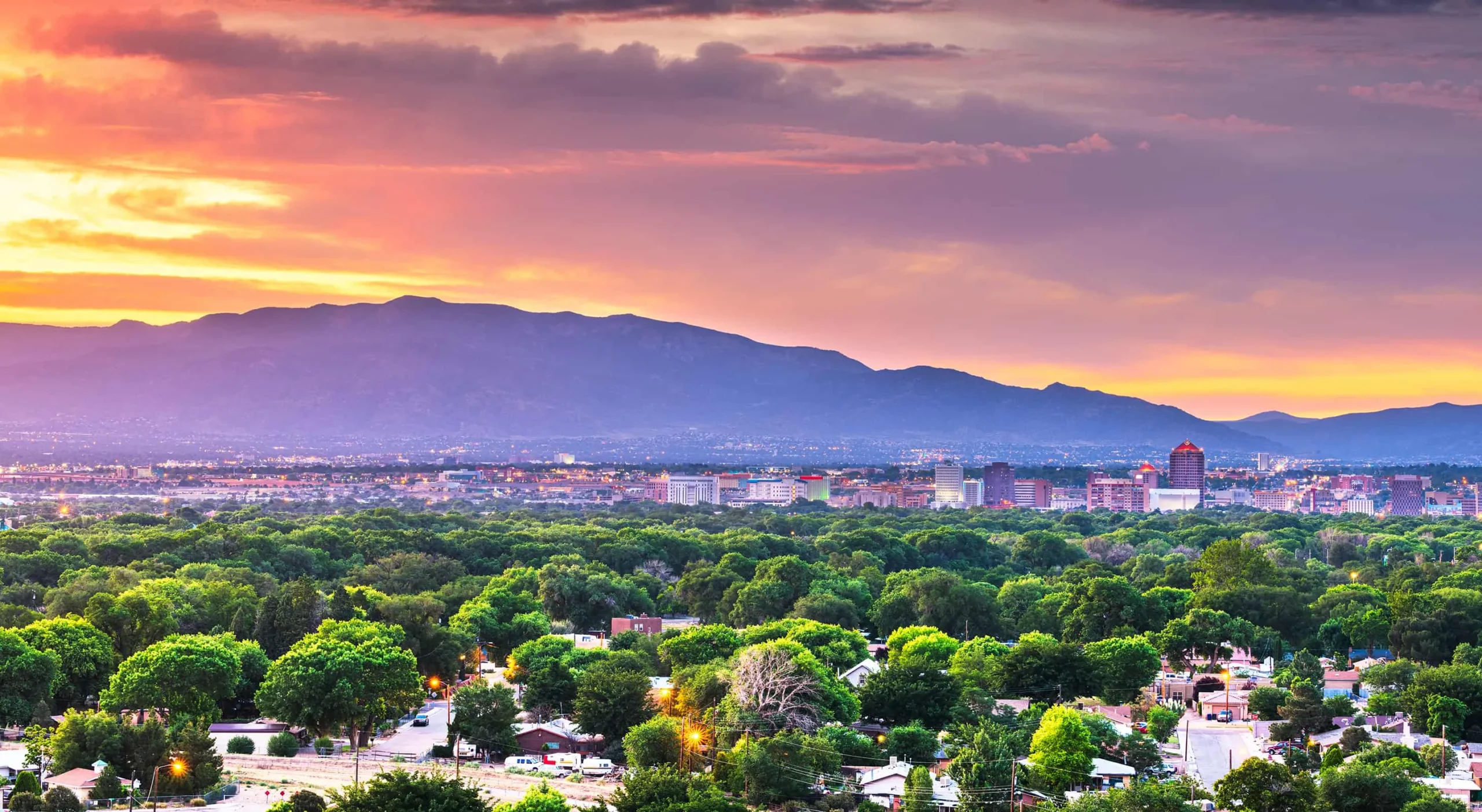
Albuquerque sits at about 5,300 feet, which is high enough that some visitors feel short of breath, tired or headachy on the first day, especially if they fly in from sea level and immediately hike or drink alcohol. The Visit Albuquerque first-timer guide advises a refillable water bottle and high-SPF sunblock, which are the two most practical precautions .
The fix is not complicated: drink more water than you think you need, skip the margaritas on arrival night, and save the tramway or a hike for your second day. The dry air dehydrates faster than the temperature suggests. Sunburn is also a real risk year-round because of the elevation, even on cool days.
If you have a heart or lung condition, talk to your doctor before you book a mountain hike or the tramway. The Sandia Crest is over 10,000 feet, and the temperature and oxygen drop with the altitude. This is not a reason to skip Albuquerque; it is a reason to pace the first 24 hours.
What food is Albuquerque known for?
Albuquerque is known for New Mexican food built on red and green chile, with Indigenous dishes from the Pueblos and a Route 66 diner tradition layered on top. The question “red or green?” is not a joke; it is the local shorthand for which chile sauce you want on your enchiladas, and the correct answer depends on the restaurant.
Green chile is sharper and more vegetal, red is earthier and often sweeter, and “Christmas” means you want both. The Indian Pueblo Kitchen at the cultural center serves dishes built on corn, beans and squash, which is a different register from the chile-smothered plates in Old Town. For a classic Route 66 meal, the 66 Diner on Central Avenue is the postcard version. Nob Hill has the coffee and brunch options.
Read restaurant reviews on TripAdvisor before you commit to a chile destination, because quality varies and the tourist-facing places are not always the best. Ask your hotel desk where they eat; the answer is usually more useful than a listicle.
What are the best day trips from Albuquerque?
The best day trips from Albuquerque are Santa Fe by Rail Runner or car, the Turquoise Trail scenic drive, Acoma Pueblo and the Jemez Mountains, each with a different time commitment and road condition. The New Mexico Tourism Department maintains current scenic byway and pueblo visitor information .
Santa Fe is the easiest: an hour by car or a comfortable train ride on the Rail Runner, with the Plaza, Canyon Road and the Georgia O’Keeffe Museum as the core. The Turquoise Trail runs between Albuquerque and Santa Fe through the old mining towns of Madrid and Cerillos, and it is the more interesting drive if you have the time. Acoma Pueblo, west of the city, is one of the oldest continuously inhabited communities in the United States and requires a guided tour; check current tour times and fees before you go.
Jemez Springs and Bandelier National Monument are longer day trips but worth it for hot springs and ancestral Pueblo cliff dwellings. Bandelier is managed by the National Park Service and charges an entrance fee (confirm current rates on the NPS site). Do not attempt Acoma and Santa Fe on the same day; the driving and the tour schedules do not cooperate.
What mistakes do first-time Albuquerque visitors make?
The most common Albuquerque mistakes are treating it as a Santa Fe add-on, underestimating the altitude, skipping a rental car and visiting Balloon Fiesta without booking lodging in advance. Each has a straightforward fix.
Mistake 1: Giving Albuquerque one night. The city needs two full days minimum. The fix is to cut a night from Santa Fe or add a day to your trip.
Mistake 2: Hiking or drinking heavily on arrival day. At 5,300 feet, your body notices. The fix is water, a light first afternoon and a later start.
Mistake 3: Assuming you can see Petroglyph and the tramway without a car. You cannot, not efficiently. The fix is a rental car or a guided tour.
Mistake 4: Booking Balloon Fiesta lodging late. The hotels near the park sell out and the remaining rates climb. The fix is booking months ahead or choosing a park-and-ride session from a hotel farther out.
Mistake 5: Riding the tramway on a cloudy day. The view is the attraction. The fix is checking the forecast and the operator’s operating status before buying tickets.
Mistake 6: Expecting Santa Fe’s adobe walkability. Albuquerque is a driving city. The fix is adjusting your expectations or swapping your base.
Mistake 7: Skipping the Indian Pueblo Cultural Center because it sounds like a museum. It is the best single introduction to the region’s Pueblo nations, and the kitchen is worth the stop on its own.
Frequently asked questions
Is Albuquerque worth visiting for tourists?
Yes, if you give it two full days and plan for the altitude and driving distances. Old Town, the Indian Pueblo Cultural Center, Petroglyph National Monument and the Sandia Peak Tramway are the core. It is not a substitute for Santa Fe if walkable adobe streets are your priority.
What is the best time to visit Albuquerque?
September and May offer the best balance of weather and value. Early October is the most exciting window because of Balloon Fiesta, but it is also the busiest and most expensive. Check the official Balloon Fiesta site for current dates and ticket prices.
How many days do you need in Albuquerque?
Two full days cover Old Town, the tramway and Petroglyph without rushing. Three days add a Route 66 drive, the BioPark or a day trip to Santa Fe. One day is only enough for a driving tour of Old Town and a quick tramway ride if the weather cooperates.
Where should first-time visitors stay in Albuquerque?
Old Town is the best base for first-timers who want walkable history and dining. Nob Hill suits travelers who prefer a local neighborhood feel. Downtown works for nightlife but requires care with the exact block. Near the Sunport is only for early flights.
Do you need a car in Albuquerque?
Yes, a rental car is strongly recommended. The tramway, Petroglyph National Monument and the day-trip destinations are not efficiently served by public transit. The Rail Runner train is useful for Santa Fe but does not replace a car for the city’s main sights.
Is altitude sickness a problem in Albuquerque?
The city sits at about 5,300 feet, which is high enough that some visitors feel short of breath or tired on the first day. Drink more water than usual, skip alcohol on arrival night, and save the tramway or a hike for your second day. If you have a heart or lung condition, consult your doctor first.
How much does the Sandia Peak Tramway cost?
Adult fares run around $34, with discounts for seniors, military and teens, and lower rates for children (confirm current pricing and operating days with the tramway operator). The tramway closes in high wind or heavy cloud, so check the status before you buy.
What food should you try in Albuquerque?
Try New Mexican dishes with red or green chile, and order “Christmas” if you want both. The Indian Pueblo Kitchen serves Indigenous food built on corn, beans and squash. For a Route 66 diner experience, the 66 Diner on Central Avenue is the classic stop.
Is Petroglyph National Monument free?
Yes, Petroglyph National Monument is free to enter and does not require an entrance pass, according to the National Park Service. The trails are exposed with little shade, so go early and bring water. Check the NPS site for current trail access and any closures.
What are the best day trips from Albuquerque?
Santa Fe by Rail Runner or car is the easiest and most rewarding day trip. The Turquoise Trail scenic drive, Acoma Pueblo and Jemez Springs are also worth the time. Do not try to combine Acoma and Santa Fe in one day; the tour schedules and driving do not cooperate.
Sources we checked
I verified attraction fees, free-entry status and event timing against the official pages below before writing. Prices and schedules change; always confirm on the linked page before you travel.
- Visit Albuquerque for first-timer guidance, neighborhood context and event listings.
- National Park Service Petroglyph National Monument for trail access and visitor information.
- NPS Petroglyph Fees and Passes confirming no entrance pass is required.
- Albuquerque International Balloon Fiesta for event dates and ticket sales information.
- ABQ Ride for city bus route context.
- New Mexico Tourism Department for scenic byway and regional trip planning.
Plan your trip: booking platforms we trust
Book lodging before you lock in the tramway or a balloon ride, because the hotel decision determines how much driving you do. Use Booking.com for flexible hotel cancellation, Kayak for rental car comparison and GetYourGuide for a guided balloon or Route 66 day. Our trip planning tips and best things to do pages cover the wider Southwest context.
WakaAbuja does its best to keep all information accurate at the time of publishing. Prices, policies, and availability change regularly. Always verify with official sources before you travel. We are not liable for errors caused by outdated information. Travel insurance is strongly recommended.