Travel to Milan, Italy: The Guide That Actually Plans Your Trip (Not Just Lists It)
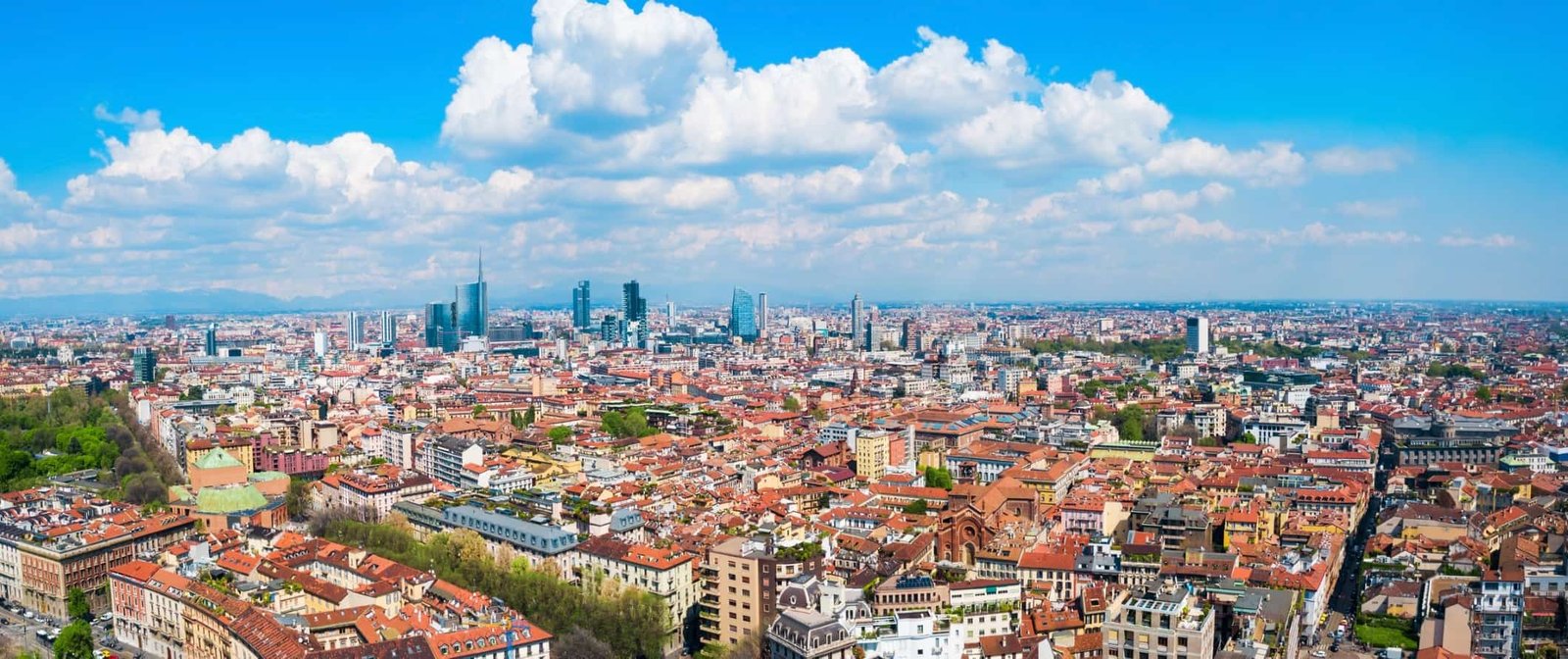
Travel to Milan, Italy, works best with two to three full days. Expect roughly €150 to €250 per day (confirm current rates on official booking sites) for a mid-range trip covering a hotel, meals, transport, and one paid attraction. The Duomo, Navigli, and a day trip to Lake Como are the non-negotiables.
I have landed at Malpensa at 7 a.m. with nothing booked and spent the next hour regretting it. Milan is not a city that rewards improvising. The good neighborhoods fill up, the Duomo tickets sell out for the rooftop slot you actually want, and the difference between a €12 airport train and a €95 taxi (check the official ATM site for current fares) is the difference between a good first day and a grumpy one. This guide is the plan I wish I had on that first morning.
Jump to: What it costs | The itinerary | Where to stay | What to do | What to avoid | FAQ
Key takeaways
- Two full days is the minimum for Milan. Three days lets you add Lake Como or Bergamo without rushing.
- Book Duomo rooftop tickets online before you arrive. Walk-up slots for the stairs option disappear by mid-morning in peak season.
- The Malpensa Express train runs to Cadorna station in about 30 minutes (verify the current schedule and price on the official Malpensa Express site).
- Milan’s tourist tax now ranges from €3 to €12 per person per night depending on hotel star rating, effective April 2026 [citation:5].
- Stay in Brera for atmosphere, Navigli for nightlife, or near Centrale for transit convenience. Avoid the area immediately around the Duomo unless you are paying for the convenience.
- Milan is a working city, not a museum. The aperitivo culture is the real attraction. Budget for it.
How much does a trip to Milan actually cost?
I have tracked my Milan spending across four visits. The honest answer: Milan costs more than Rome or Florence for hotels but less than Venice for food. The city taxes your accommodation heavily and your appetite gently.
Here is a realistic daily breakdown for a mid-range traveler who is not trying to eat at Michelin spots but also refuses to survive on supermarket panini. All figures are hedged because Milan prices move with the season and the trade fair calendar.
Budget
€90 to €130 per day (confirm current hostel and budget hotel rates on Booking.com). Hostel dorm or basic guesthouse, supermarket lunch, one sit-down dinner, metro passes, and one paid attraction.
Mid-range
€180 to €280 per day (check current 3-star and boutique rates on Hotels.com). Three-star hotel in a central neighborhood, cafe breakfast, trattoria lunch, proper dinner with wine, Duomo rooftop, city pass.
Comfortable
€350 and up per day (verify current 4-star and design hotel rates on Agoda). Four-star or design hotel, taxis when tired, a tasting menu, and La Scala tickets if the season aligns.
The tourist tax is separate and unavoidable. As of April 2026, Milan charges €3 per night for one-star hotels, €7 for three-star, €10 for four-star, and €12 for five-star (per person, per night) [citation:5]. A couple in a four-star hotel for three nights pays an extra €60 (confirm with your hotel, as rates are updated periodically). That number stings if you did not budget for it.
The YesMilano City Pass Standard costs €60 for three days and covers public transport plus the Duomo terraces, Sforza Castle museums, and one extra attraction. If you plan to see the Duomo rooftop and at least two museums, it pays for itself. The 24-hour Flash version at €39.90 is tighter but works for a single heavy sightseeing day (check the official YesMilano site for current pricing).
Maya’s honest take: “The single biggest cost mistake I see travelers make in Milan is booking a hotel near the Duomo because it looks central on a map. You are paying a premium for noise and tourist-menu restaurants. Take the metro four stops out and save €80 a night (check current rates on Booking.com).”
How many days do you need in Milan, and what should you do each day?
Two days covers the essentials without making you hate your own feet. Three days is the sweet spot. Five days means you are treating Milan as a base and taking day trips, which is a different and equally good trip.
Here is the plan I give friends who ask. It assumes you land the night before and wake up fresh. Adjust the pace to your tolerance for churches and crowds.
Day 1: The Duomo, the Galleria, and the Castle
Start at the Duomo at opening. Book the rooftop terraces online the week before. The stairs option is cheaper and fine if you are mobile. The lift is worth it if you are not. From the roof, the Alps are visible on clear days. That view is the reason you came.
Walk through Galleria Vittorio Emanuele II immediately after. It takes ten minutes to cross and thirty if you stop for coffee at Camparino. Then head to Castello Sforzesco and the Parco Sempione behind it. The castle museums are included in the city pass and take about ninety minutes if you move briskly.
Dinner in Brera. Book ahead for anything with a reputation. Walk-in tables in Brera on a Friday night are a fantasy.
Day 2: Navigli, aperitivo, and the real Milan
Morning at the Basilica di Sant’Ambrogio and the Leonardo da Vinci National Museum of Science and Technology. The museum is genuinely excellent and under-visited by tourists. Afternoon walk along the Navigli canals. The aperitivo scene starts around 6 p.m., and it is not a gimmick. One drink, usually €10 to €14 (confirm current prices at the bar), comes with access to a buffet spread that can function as dinner if you are strategic.
If you want a splurge dinner, this is the night. Book two weeks out for anything in the Navigli or Porta Romana area that has a waiting list.
Day 3: A day trip or the deep cuts
Option one: Lake Como. The train from Milano Centrale to Varenna takes about an hour (check current schedules and fares on the Trenord site). Walk the lakeside, take the ferry to Bellagio, and be back in Milan for dinner. Option two: Bergamo Città Alta. The funicular up to the upper town is a small thrill, and the views are better than in Como if you want mountains without water.
Option three: stay in Milan and do the things you skipped. The Poldi Pezzoli Museum, the Museo del Novecento, and a proper walk through the Quadrilatero della Moda if fashion is your thing. I skipped the fashion district on my first three visits and regretted it on the fourth. It is not about shopping. It is about seeing how Milan presents itself.
Where should you stay in Milan for a first trip?
The neighborhood matters more than the hotel brand. Milan’s metro is efficient enough that you do not need to sleep next to the Duomo, but you do want to be within a five-minute walk of a line that connects to the center.
Brera
Best for first-timers who want atmosphere. Cobbled streets, galleries, good restaurants, and a ten-minute walk to the Duomo. Hotel prices reflect the charm (check current rates on Hotels.com).
Navigli
Best for nightlife and aperitivo. Livelier and slightly cheaper than Brera. The canals are pretty in a scruffy way. Noise is a real factor on weekend nights.
Porta Romana
Best for value and local feel. Residential, well-connected, and full of neighborhood trattorias that do not cater to tourists. A solid mid-range base.
What I would avoid: the immediate ring around Centrale station. It is convenient for early trains, but the streets are loud, the restaurants are forgettable, and the vibe is transit-hub, not Milan. If you have a 6 a.m. flight, stay one night there. Otherwise, do not.
What are the best things to do in Milan beyond the Duomo?
The Duomo is not optional. Everything else is a choice. These are the things I return to, ranked by how much they reward the time you give them.
Best for art and history
- Pinacoteca di Brera: Renaissance masterpieces without the Uffizi crowds. €15 entry (confirm current ticket price on the official Brera site).
- Santa Maria delle Grazie: The Last Supper. Booking opens in timed slots months ahead. If you want to see it, book the moment your dates are fixed.
- Museo del Novecento: Twentieth-century Italian art next to the Duomo. Included in the city pass.
Worth considering
- Fondazione Prada: Contemporary art in a converted distillery. The tower alone is worth the trip south of the center.
- San Siro stadium tour: Only if you care about football. The tour is well-run, but the stadium is aging. Book through GetYourGuide if you want a guided experience.
One thing that surprised me: the Navigli district is not just for drinking. On a weekday morning it is quiet, and the canal-side walk is genuinely pleasant. I had written it off as a nighttime-only zone and was wrong.
What should you avoid doing in Milan?
I have made most of these mistakes so you do not have to. Some are minor annoyances. A few will genuinely cost you money or a full afternoon.
Do not eat at restaurants with photo menus near the Duomo
This is not snobbery. The food is mediocre, the prices are inflated, and the servers are trained to move you through fast. Walk ten minutes in any direction and the quality doubles while the price drops. The same rule applies to the Galleria.
Do not assume you can buy Duomo rooftop tickets on the day
In summer and during fashion week, the good slots sell out. I watched a family of four get turned away at 11 a.m. on a June Saturday because the next available lift slot was 4 p.m. Book online through the official Duomo site. The markup on third-party resellers is real.
Do not schedule a tight connection through Malpensa
Milan has three airports. Malpensa is far from the city (about 50 minutes by train, longer by bus in traffic), Linate is close, and Bergamo Orio al Serio is technically in another city. Check which airport your flight uses before booking a hotel. I once booked a hotel near Centrale, assuming Linate, landed at Malpensa, and paid €95 for a taxi (confirm current taxi and train fares on the official airport site) because I was too tired to figure out the train.
Do not skip the aperitivo because you think it is a tourist trap
It is a real Milanese institution. The quality varies wildly, but the format is not a scam. Find a bar with a good buffet and locals at the tables. That is the signal.
Do not plan a full sightseeing day on a Monday
Many museums close on Mondays. The Duomo is open, but the smaller civic museums often are not. Check opening days before you build the day around a specific attraction. The official Milano tourist site lists current hours.
Frequently asked questions
Is Milan expensive for tourists?
Milan is expensive for hotels and cheap for food if you eat like a local. A mid-range traveler should budget €180 to €280 per day (confirm current rates on Booking.com), including accommodation, meals, transport, and one paid attraction. The tourist tax adds €3 to €12 per person per night depending on hotel category [citation:5].
How many days do you need in Milan?
Two full days covers the Duomo, the Galleria, Sforza Castle, and the Navigli. Three days lets you add a museum at a relaxed pace or a day trip to Lake Como. Five days is only worth it if you are using Milan as a base for multiple day trips.
What is the best time of year to visit Milan?
April to June and September to October are the best months for weather and atmosphere. July and August are hot and humid, and many locals leave the city. December is cold but the Christmas season, La Scala opening, and the Oh Bej! Oh Bej! fair around December 7 give it a specific energy [citation:7][citation:14].
How do you get from Milan Malpensa Airport to the city center?
The Malpensa Express train runs to Cadorna and Centrale stations in roughly 30 to 50 minutes (check current schedules and fares on the official Malpensa Express site). Taxis cost significantly more and take longer in traffic. The train is the correct choice unless you are arriving after midnight.
Is the YesMilano City Pass worth it?
The Standard pass at €60 for three days is worth it if you plan to see the Duomo terraces, at least two museums, and use public transport daily [citation:4]. If you are only in Milan for one full day and skip the Duomo rooftop, you will not break even (check the official YesMilano site for current pricing).
What should you wear in Milan?
Milan is a style-conscious city, but you do not need a suit to see the Duomo. Comfortable shoes matter more than a fashionable outfit because you will walk on cobblestones for hours. Churches require covered shoulders and knees. In summer, bring a light layer for air-conditioned museums and churches.
Can you do a day trip from Milan to Lake Como?
Yes. The train from Milano Centrale to Varenna takes about an hour (check current Trenord schedules and fares). From Varenna, ferries connect to Bellagio and Menaggio. A comfortable day trip gives you four to five hours by the lake. Book the train back in the evening to avoid the last-minute rush.
Do you need to book the Duomo rooftop in advance?
Yes, especially from April to October and during fashion week. The stairs option is cheaper and often has more availability, but the lift slots sell out first. Book through the official Duomo website. Third-party resellers charge a markup and occasionally sell tickets for slots that are already full.
Plan your trip: booking platforms we trust
I use these platforms because they have real inventory, transparent cancellation policies, and I have personally resolved issues through their customer service. Use whichever fits the specific booking, not the one with the flashiest ad.
WakaAbuja does its best to keep all information accurate at the time of publishing. Prices, policies, and availability change regularly. Always verify with official sources before you travel. We are not liable for errors caused by outdated information. Travel insurance is strongly recommended.